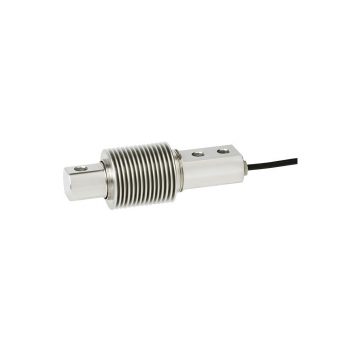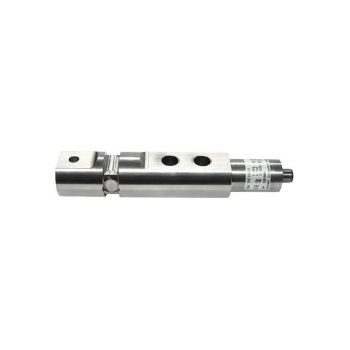
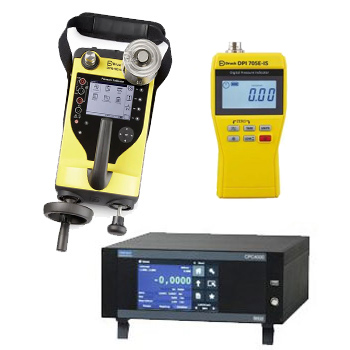
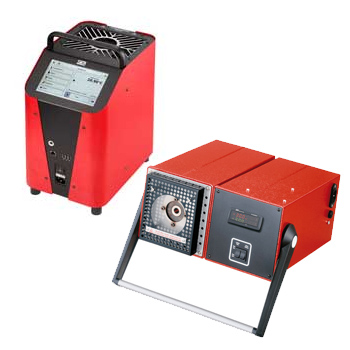
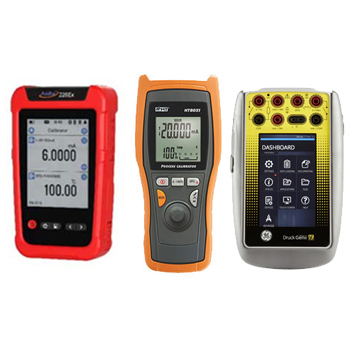
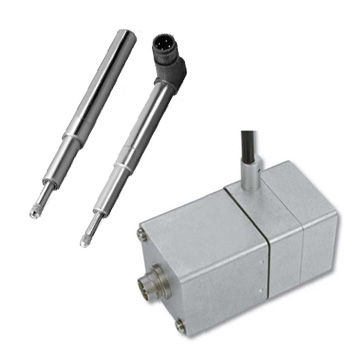
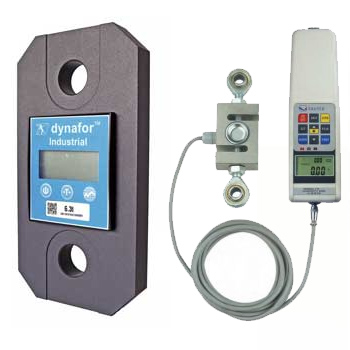
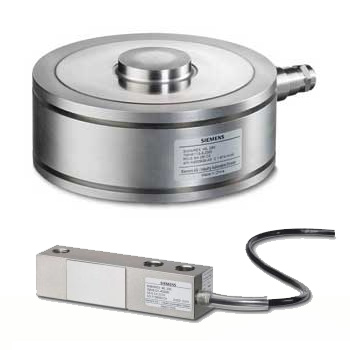
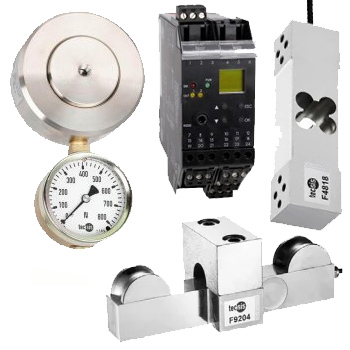
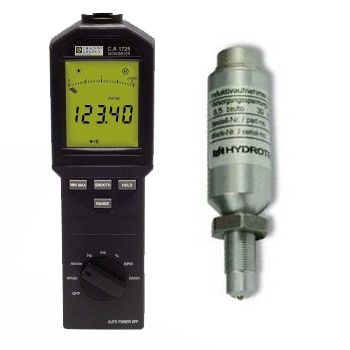
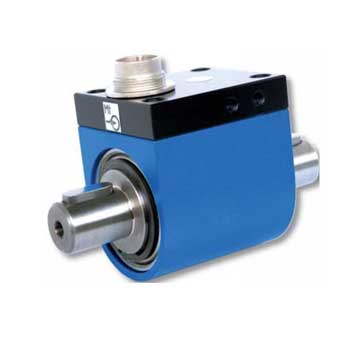
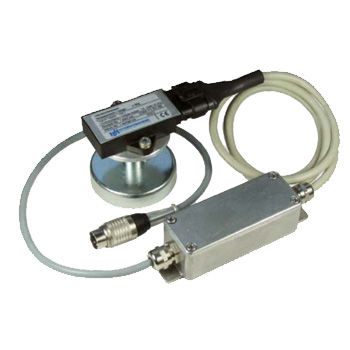
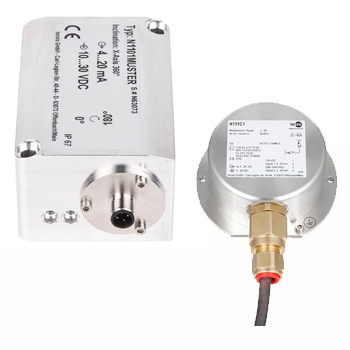
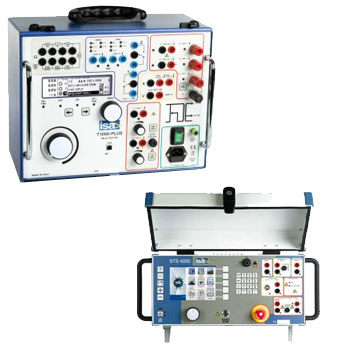
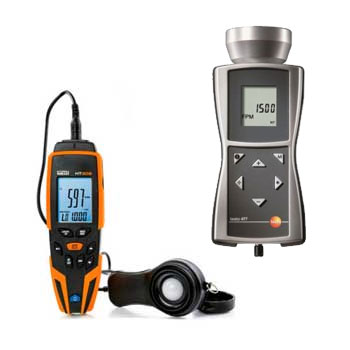
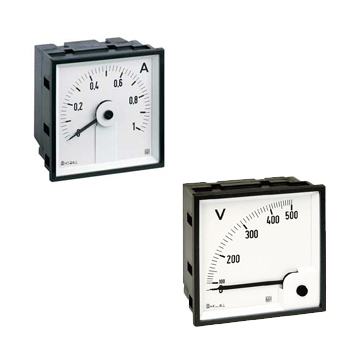
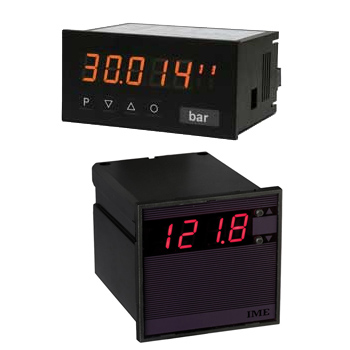
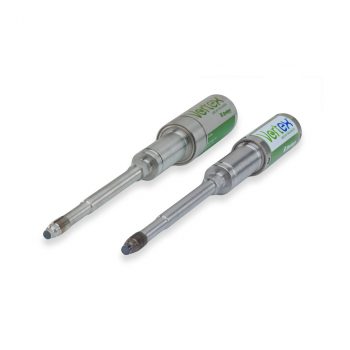
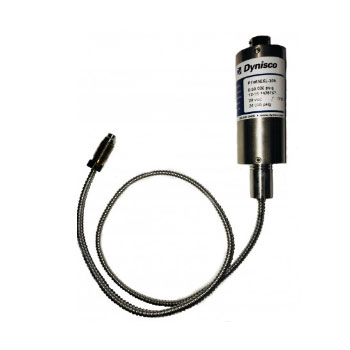
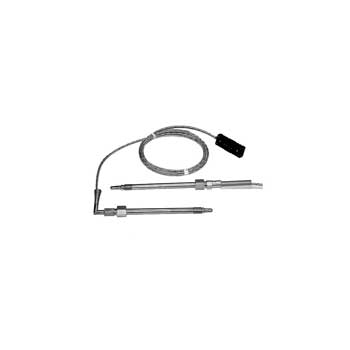
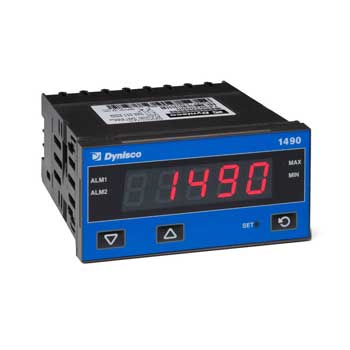
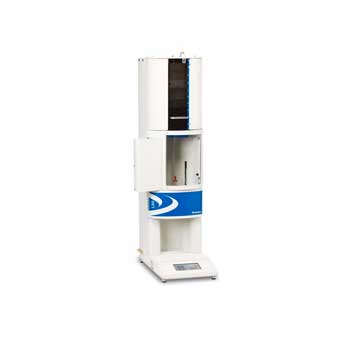
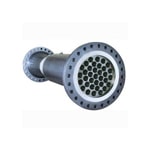
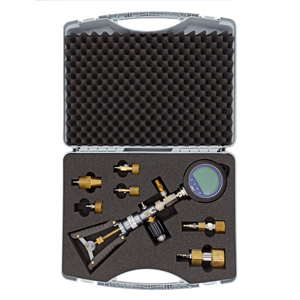
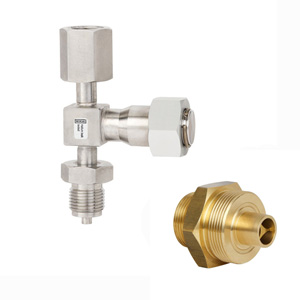

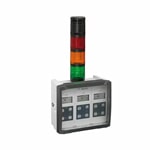
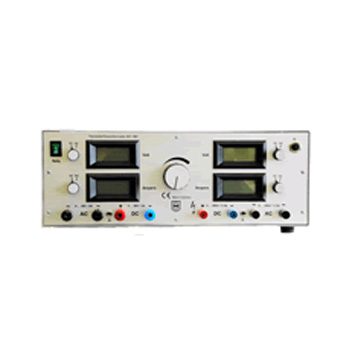
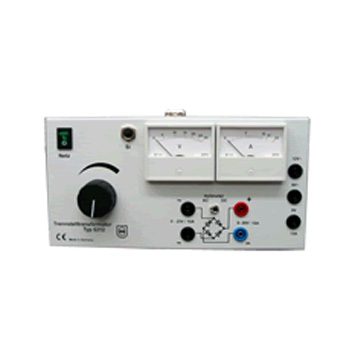
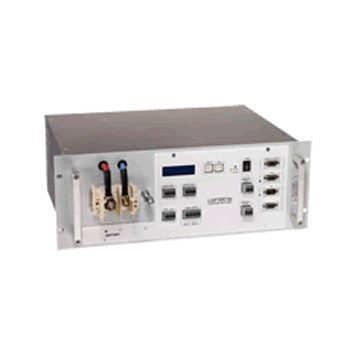




























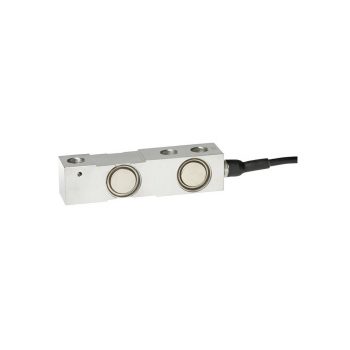
- Measuring ranges 0 ... 500 to 0 ... 2,000 kg
- 3,000 intervals per OIML R60 Class C
- Stainless steel, hermetically sealed and welded, Ingress protection: IP68 and IP69K
- High long-term stability
- High side load tolerance
Datasheet |
User Manual |
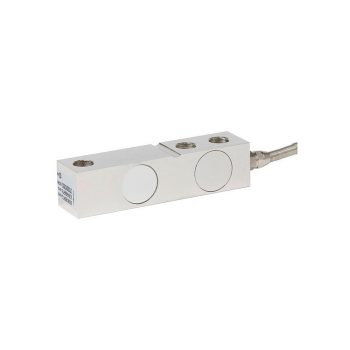
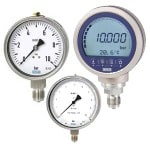
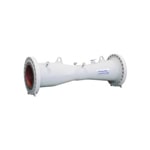
- Measuring ranges 0 ... 20 kg to 0 ... 500 kg
- 3,000 intervals per OIML R60 Class C
- Stainless steel, hermetically sealed and welded bellows
- Ingress protection: IP68 and IP69K
Datasheet |
User Manual |
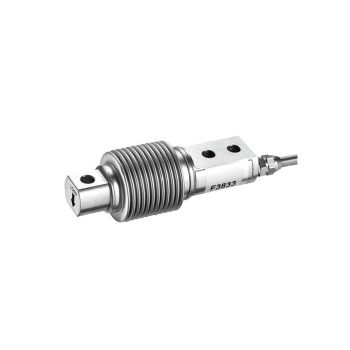
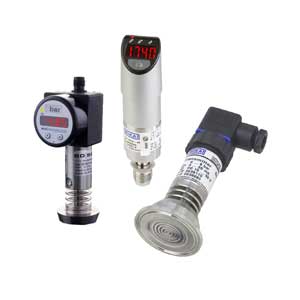
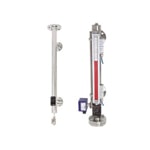
- Measuring ranges 0 … 500 kg up to 0 ... 10.000 kg
- Steel/stainless steel
- High long-term stability
- High side load tolerance
Datasheet |
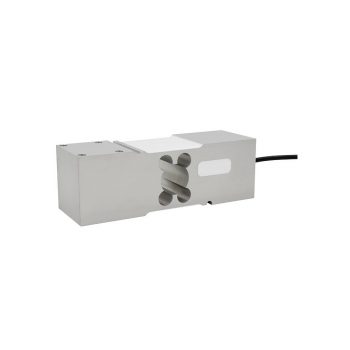
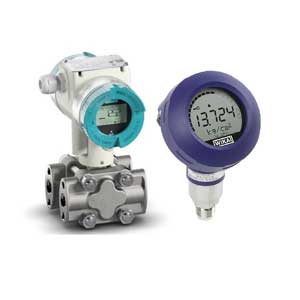
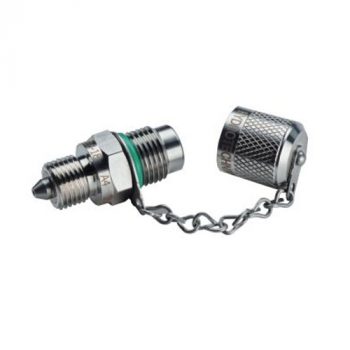
- Measuring ranges 0 … 5 kg up to 0 ... 500 kg
- Completely welded bellows
- Protection class IP68
Datasheet |
- Measuring ranges 0 ... 50 kg to 0 ... 635 kg [0 ... 110 lbs and 0 ... 1,400 lbs]
- Load cell made from aluminium
- High accuracy, react quickly, low settling time
- Insensitive to lateral and corner load
- Simple design, easy installation
Datasheet |
- Measuring ranges 0 ... 2 kN up to 0 ... 100 kN
- Corrosion-resistant stainless steel design
- Integrated amplifier
- High long-term stability, high shock and vibration resistance
- Good reproducibility, simple installation
Datasheet |
User Manual |
WIKA Bending & Shear Beam Load Cells – Reliable Sensors for Industrial Weighing and Force Measurement
Bending and shear beam load cells from WIKA are robust force and weighing sensors that measure loads through bending or shear strain. They are ideal for platform scales, tank and silo weighing, floor scales, dosing and filling systems, and applications in machine and plant engineering. Their high accuracy, compact dimensions, and long-term stability make them some of the most commonly used load cell types in industrial weighing systems.
The sensors are made of durable stainless steel or alloy steel, offer protection classes up to IP67/IP68, and are available in a wide range of capacities and accuracy classes. Optional integrated amplifiers (4–20 mA, 0–10 V) and versions compliant with OIML R60 for legal-for-trade applications are available.
FAQ About WIKA Bending & Shear Beam Load Cells
Answers about working principles, measuring ranges, applications, installation, and electrical integration.
What is a bending or shear beam load cell?
A bending beam load cell measures force via elastic bending of a metal beam, while a shear beam load cell measures load via shear stress within the sensor body. Both use strain gauges to convert deformation into an electrical signal.
Where are bending and shear beam load cells used?
They are commonly used in platform and bench scales, tank weighing (3–4 load cells), dosing and filling systems, floor scales, force measurement devices, and systems exposed to vibration or dynamic loads.
What are the advantages of these load cell types?
Bending and shear beams offer an excellent combination of compact size, load capacity, and measurement accuracy. Shear beams provide excellent resistance to side loads, while bending beams allow simple mechanical integration.
What measuring ranges are available?
Depending on the model, ranges span from a few kilograms up to several tons—suitable for both small platforms and heavy industrial scales.
What protection classes and materials are available?
Most models are made from stainless steel and offer protection classes such as IP67 or IP68, allowing use in harsh, wet, or wash-down environments.
What accuracy classes are possible?
Many WIKA bending and shear beam load cells meet OIML R60 accuracy classes such as C3. Actual system accuracy depends on proper mechanical installation and calibration.
How should these load cells be installed?
The mounting surface must be flat and rigid. The load must be applied vertically and without side forces. Rigid pipes or cables that introduce mechanical stress should be avoided.
How are they connected electrically?
Bending and shear beams output a classic mV/V strain-gauge signal. Versions with integrated amplifiers provide 4–20 mA, 0–10 V, or digital outputs. Connections are typically made via cable or M12 connectors.
What are common sources of error?
- Uneven or stressed mounting surfaces
- Side forces or tilting due to poor mechanical design
- Rigid mechanical connections (pipes/cables)
- Uneven load distribution in multi-cell systems
Are these load cells suitable for dynamic applications?
Yes. Shear beams in particular are highly resistant to vibration and dynamic loads, making them suitable for vibrating machinery or industrial processes with fluctuating forces.
Does ICS Schneider Messtechnik provide support for selection and integration?
Yes—ICS Schneider Messtechnik provides assistance with selecting the optimal load cell, designing the mechanical installation, integrating the electronics (PLC/displays), and performing calibration and documentation.
How can I request a quotation?
You can add products to the inquiry list on the website or contact ICS Schneider directly by phone or email. Please provide details such as measuring range, installation space, environment, and desired output signal.


Datasheet