


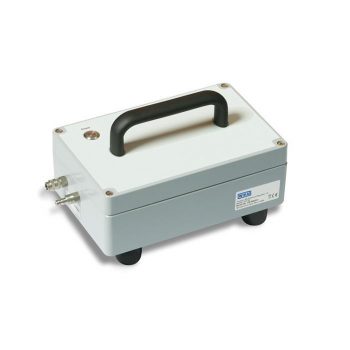
- Mobile by means of battery operation
- Usable on all WIKA analysis instruments for SF6 gas
- Operation in closed SF6 gas circuit
- Simple operation
 Datasheet Datasheet |
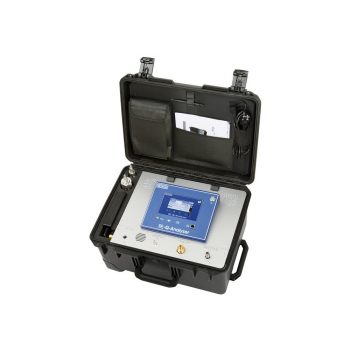
- Provides measured values for humidity, gas composition (purity) and decomposition products (optional)
- Low transport weight of 25 kg
- Three methods for emission-free treatment of the measurement gas: - Direct pumping back into the tested compartment - Pumping into an external gas cylinder - Collecting in an external gas bag
- Battery power for min. 5 measurements or mains supply
- Not compromised by transport restrictions (IATA)
| Datasheet |
| User Manual |
| User Manual |
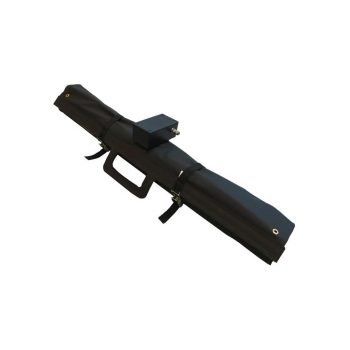
- Low weight and easily transportable
- Cost-effective version to prevent SF6 gas emissions
- Compatible with all WIKA gas analysis instruments
- With overpressure valve as burst protection
- Resistant to decomposition products
|
Datasheet
|
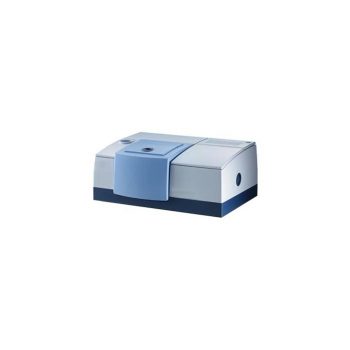
- Identification and precise quantification of the main decomposition products from SF6 gas
- Resistant against highly-corrosive gases
- Non-destructive method of measurement
- Factory calibrated, high long-term stability of the system
|
Datasheet
|

SF6 Gas Analysis Instruments
SF6 gas analysis instruments are used to monitor and assess the gas quality in SF6-insulated installations. They measure impurities, residual moisture, possible decomposition products and other parameters to ensure long-term operational safety and insulation integrity of the equipment.
Questions & Answers on SF6 Gas Analysis Instruments
What is the purpose of SF6 gas analysis instruments?
SF6 gas analysis instruments check the gas for purity, moisture content and possible decomposition by-products. This ensures that the SF6 retains its insulating and dielectric properties and that no risk arises from contamination.
Which parameters can be analyzed?
Typical parameters include residual moisture (water content), oxygen or air content, concentration of SF6 gas, decomposition or breakdown products, and in some cases traces of oil or other contaminants — depending on the device type and measurement method.
Which measurement principles are used in SF6 gas analysis instruments?
Common measurement principles include moisture measurement (e.g., using hygroscopic sensors or drying cartridges), gas chromatography, electrochemical sensors or mass spectrometry — depending on the required accuracy and scope of analysis. Sometimes combinations of these techniques are implemented.
How often should gas analysis be performed?
The frequency depends on operating conditions, age and stress level of the installation as well as internal maintenance and safety guidelines. It is advisable to carry out analyses at regular intervals, at minimum before refilling, after maintenance work or if performance loss or a leak is suspected.
What can an analysis reveal — and what does the result indicate?
The analysis can detect elevated moisture, foreign gas content or decomposition products. These findings indicate leaks, ingress of water or air, or aging/overstress of the insulation — which requires cleaning, gas replacement or maintenance.
Why is gas analysis important?
When contaminated with foreign gases or moisture, SF6 may lose its excellent insulating and dielectric properties. Foreign gases or moisture can compromise functional safety and increase the risk of arc faults or insulation breakdown. Therefore, analysis is crucial for safe operation and long service life.
Who performs the gas analysis — maintenance personnel or external service providers?
Analysis can be carried out either by qualified maintenance personnel or specialized external service providers — depending on the company’s organization, expertise and equipment. The decisive factors are technical competence and use of suitable analysis instruments.
How does SF6 behave when contaminated — and when is replacement necessary?
Contamination with air, moisture or other gases reduces the dielectric strength and insulation capability of SF6 gas. Replacement is required when values are outside permissible limits or when repeated contamination occurs.
What instruments are available on the market — mobile or stationary gas analyzers?
There are both mobile, portable gas analyzers for on-site testing and stationary laboratory-grade devices for detailed gas analysis. Mobile units allow quick checks directly at the installation, while stationary devices provide comprehensive and high-precision results.
What advantages do modern analysis instruments offer compared to simple test methods?
Modern analysis instruments deliver fast, reliable and often multi-parameter evaluations. They enable early detection of issues and provide a solid basis for decision-making regarding maintenance, gas replacement or recovery — significantly more precise and secure than simple test methods such as visual inspection or basic moisture checks.