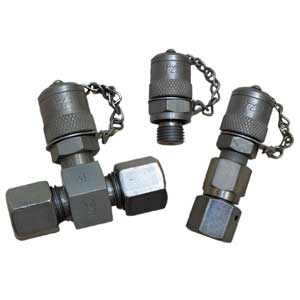
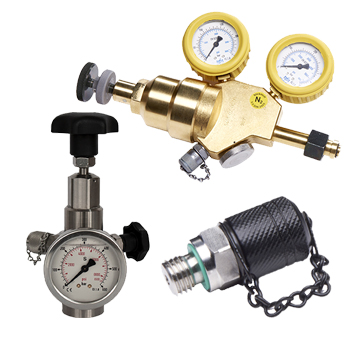
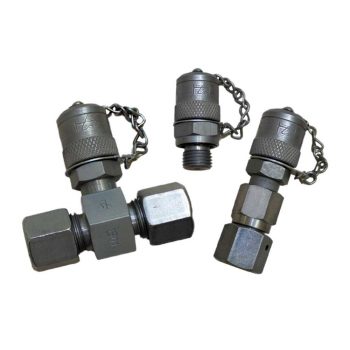
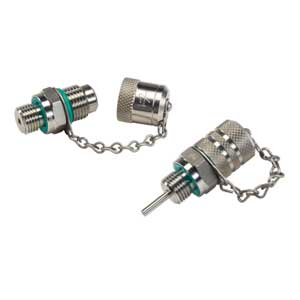
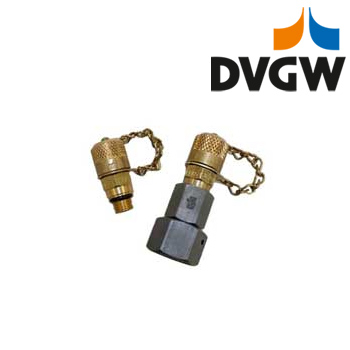
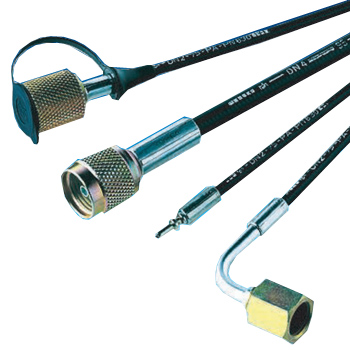
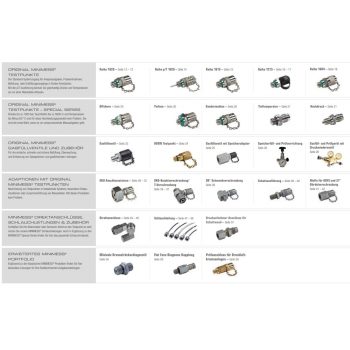
Minimess® Couplings & Microbore Hoses – leak-tight test & service points for hydraulics, pneumatics & HVAC/R
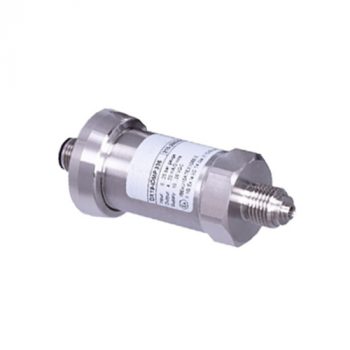
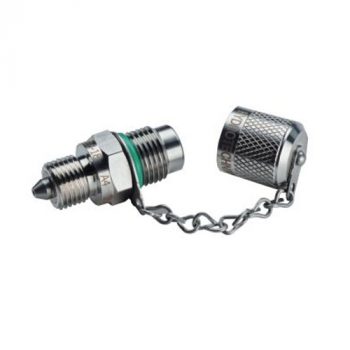
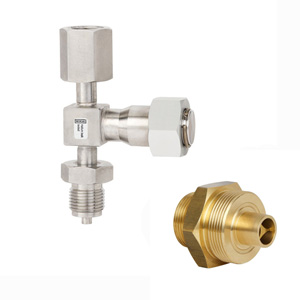
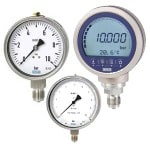
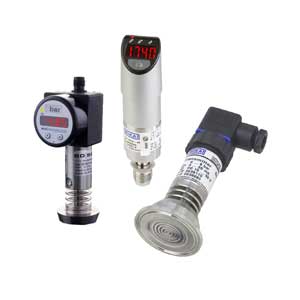
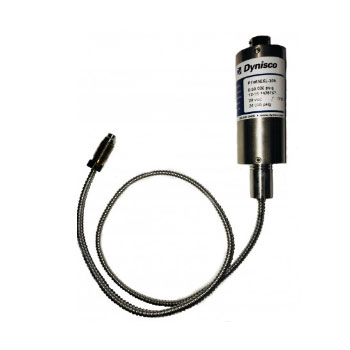
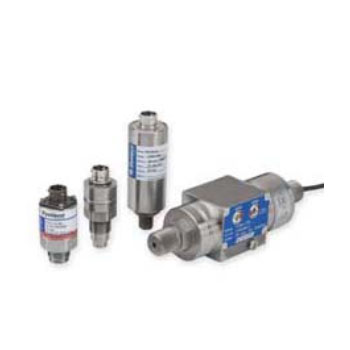
Minimess® couplings (micro test points) create leak-free ports for measurement, venting and filling—even under pressure, without shutting down the system. Combined with microbore hoses (DN2/DN4), gauges, pressure/temperature sensors and sampling kits, they enable rapid diagnostics, service and condition monitoring.
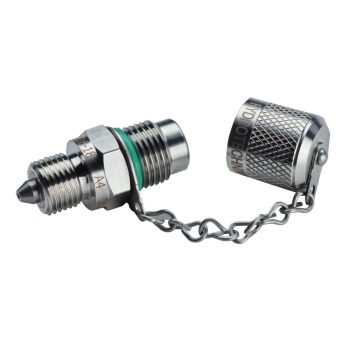
Options (model-dependent): threads M16×2, M14×1.5, G 1/4, 7/16"-20 UNF, 1/4" SAE, materials zinc-nickel plated steel or 316/316L stainless steel, seals NBR/FKM (Viton®)/EPDM/PTFE, working pressures up to 630 bar (series-specific), media hydraulic oils, water-glycol, diesel/fuels, air/gases, dust caps, check/isolating variants, integrated bleed/drain needle, color coding.
ICS Schneider Messtechnik supports selection, adaptation, hose configuration, calibration and IIoT integration—from mobile test kits to permanent monitoring points.
FAQ on Minimess® Couplings & Microbore Hoses
Answers on selection, pressure ratings, seals, threads, hoses, installation, safety, leak prevention, calibration and best practices.
Why choose Minimess® over conventional test ports?
Connectable under pressure, drip-free coupling/uncoupling, very compact form factor, high tightness and fast measuring/filling/venting without process interruption.
Which thread/interface standards are available?
| Thread | Typical systems | Notes |
|---|---|---|
| M16×2 / M14×1.5 | Hydraulics/test points | Common in mobile/industrial hydraulics |
| G 1/4 (BSPP) | General hydraulics/pneumatics | With O-ring/flat seal |
| 7/16"-20 UNF | Test hoses/gauges | Fine thread, compact heads |
| 1/4" SAE | HVAC/R | Service/fill ports |
What pressure and temperature ranges are typical?
Depending on series up to 400…630 bar (burst much higher). Temperature typically −30…+100 °C (up to +200 °C with FKM). Always check the datasheet.
Which seal material should I pick?
| Seal | Resistance | Use |
|---|---|---|
| NBR | Oils, diesel, −30…+100 °C | Hydraulic standard |
| FKM (Viton®) | Higher T, fuels, chemicals | High-temp/process |
| EPDM | Water/steam (limited), glycol | H2O/glycol circuits |
| PTFE | Very broad chemical, high T | Process/chemicals |
Zinc–nickel steel or 316 stainless—how to choose?
Zinc–nickel suits rugged hydraulics in standard environments; 316/316L for corrosion, offshore, food or chemical exposure.
Which hose types are offered?
| Type | I.D. | Pressure (typ.) | Properties |
|---|---|---|---|
| Microbore DN2 | ≈2 mm | to 630 bar | Very flexible, tiny fluid volume |
| Microbore DN4 | ≈4 mm | to 400 bar | Higher flow, still compact |
| PTFE braided | 2–4 mm | series-specific | High chemical/temperature resistance |
What are dust caps and color rings for?
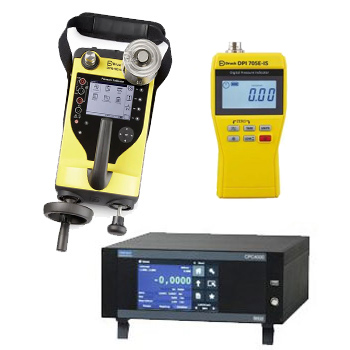
Dust caps keep ingress out; color coding marks measuring points (e.g., A/B circuits, low/high pressure) to avoid mix-ups.
Can I vent or drain under pressure?
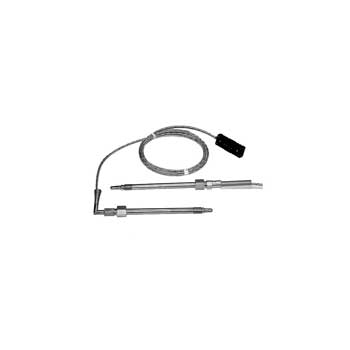
Yes—variants with an integrated needle/bleed allow controlled venting and sampling. Always route to a suitable hose/catch bottle.
How do I install correctly?
- Clean sealing faces; fit the correct O-ring/flat seal.
- Start threads by hand, then tighten to the specified torque.
- For BSPP/G threads, do not use tape on the sealing cone—sealing is via O-ring/face.
How do I prevent leaks when coupling?
Align plug and coupling axially, push fully to the stop, verify the audible/tactile click. Protect the sealing cone and maintain cleanliness.
How many times can I reuse the connection?
Metal parts are reusable many times; O-rings are wear parts—replace on damage or aging.
Which media are compatible?
Mineral/synthetic hydraulic oils, HFA/HFC/HFD (check materials), water-glycol, air, inert gases, fuels. For aggressive media choose PTFE/316L.
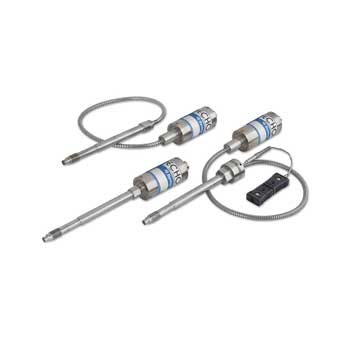
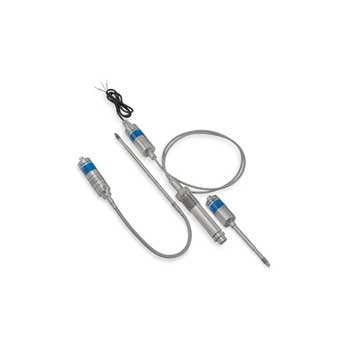
How do I integrate gauges/transmitters?
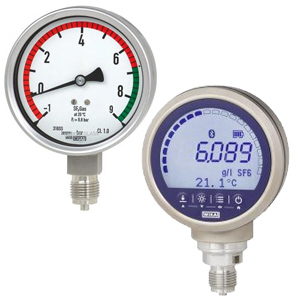
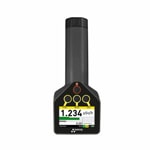
Via a microbore hose with matching threads (e.g., 7/16"-20 UNF to G 1/4). For permanent installs, consider check/isolating and pulse damping.
Are there preconfigured service kits?
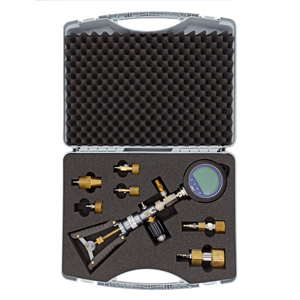
Yes—service cases with couplings, hoses, gauges, adapters, color caps and seal kits for mobile diagnostics.
How do I ensure measurement quality?
- Match pressure/temperature ratings of hose and coupling.
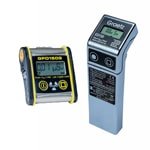
- Use calibrated gauges/transmitters (factory/DAkkS certificate).
- Keep hoses short to reduce damping/volume error.
Minimess® vs. quick couplers—when to use which?
Minimess®: dedicated test/service points, minimal fluid loss, high pressure, compact. Quick couplers: frequent line breaks, larger flow rates.
How do I detect wear or damage?
Inspect for scoring on cone/tip, pinched O-rings, corrosion, kinked hoses. Replace defective parts immediately.
Are high-temperature or Ex options available?
For high T use FKM/PTFE, stainless steel and heat-resistant hoses. In hazardous areas ensure bonding, conductive hoses and certified measuring devices.
How is oil sampling performed properly?
Use sterile sampling kits on a Minimess® port. Discard the first flush, then fill a clean container. Avoid contamination at all times.
Do you support selection, adaptation & calibration?
Yes—we specify thread/material/seal, configure hose lengths/adapters, provide calibration certificates and can add IIoT gateways (4–20 mA/Modbus/IO-Link → cloud) on request.