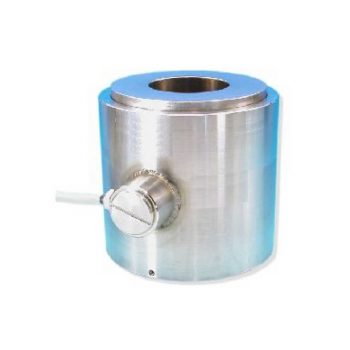
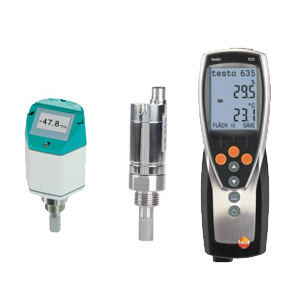
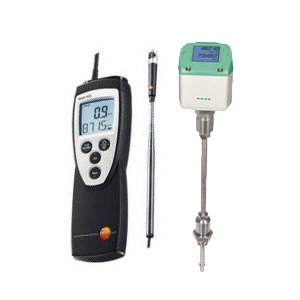
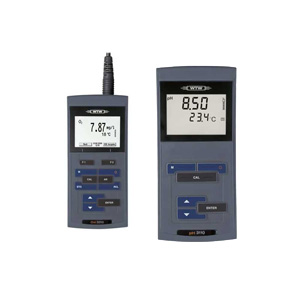
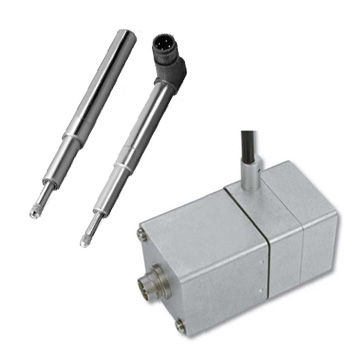
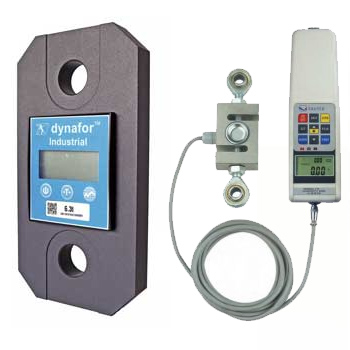
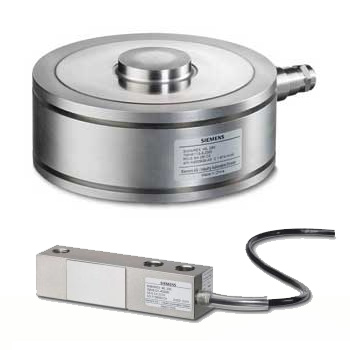
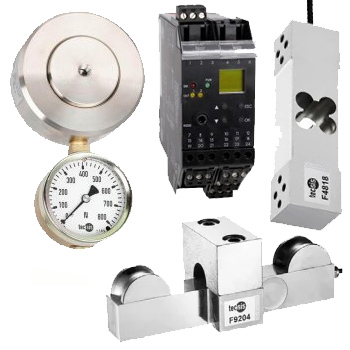
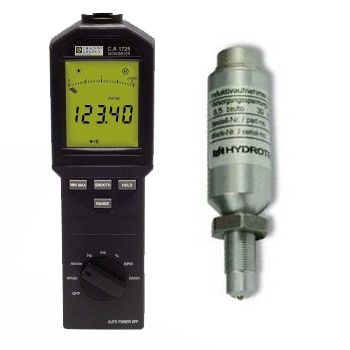



























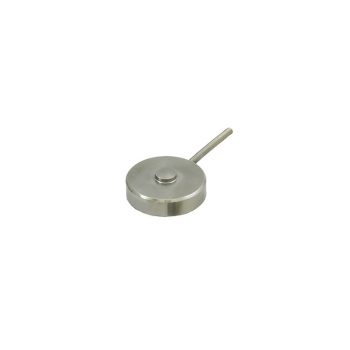
- Measuring ranges 0 ... 25 N to 0 ... 225 kN [0 ... 5 lbs to 0 ... 50,000 lbs]
- Relative linearity error 0.25 % Fnom
- Simple force introduction
- Compact design, low installation height
- Ingress protection IP67
Datasheet |
- High rated load with limited height
- Material: Stainless steel (5190) or nickel-plated steel (5195)
- Protection class IP 65
- Robust design
- Available options (list not exhaustive):
- custom dimensions
- high temperature version (up to 180 °C)
- ATEX intrinsic safety Ex II 1GD Ex ia IIC T6 or T4 Ga Ex ia IIIC T80°C Da
- double Wheatstone bridge
- amplified (V or mA) and digital output (RS-232C, RS-485, USB)

Data sheet
|
-
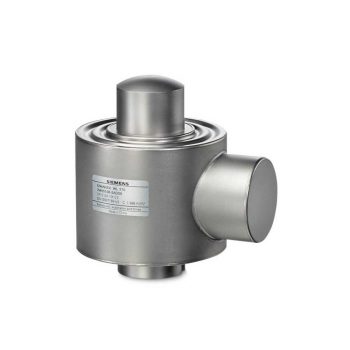
legal for trade
-
easy and quick installation with SIWAREX mounting units
-
options for use in hazardous areas are in preparation
Datasheet
|
-
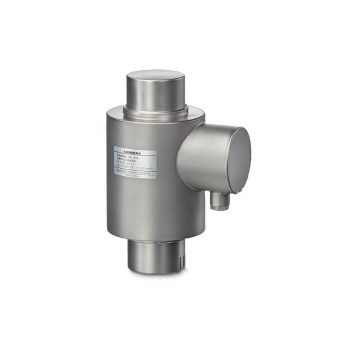
Legal for trade
-
Quick and simple installation with SIWAREX mounting devices
-
Option for use in hazardous areas are in preparation
Datasheet
|
-
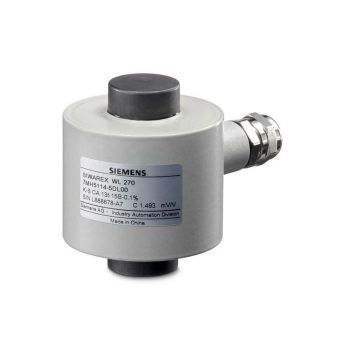
Very low installation dimension
-
Extremely high load classes up to 500t
-
High temperature option up to 250°C and option with double bridge increase application security
-
Ex-protection, zone 2, 22

Datasheet
|
Compression Load Cells – Robust Sensors for High Load & Compression Applications
Compression load cells measure force or weight by detecting downward compression. Installed underneath the load, they are ideal for floor and truck scales, tank and silo weighing, heavy-duty industrial platforms, and static high-load applications.
Typical features include cylindrical or column-type designs, very high rated loads (often > 100 t), hermetic sealing, and protection classes up to IP67/IP68/IP69K. Their rugged construction makes them suitable for harsh industrial environments. Together with mounting kits, weighing or junction boxes, and suitable weighing electronics, ICS Schneider Messtechnik provides complete weighing systems—from engineering and installation to calibration and integration.
FAQ About Compression Load Cells
Answers about construction, selection, accuracy, installation, protection, calibration, and typical applications.
What is a compression load cell and how does it work?
A compression load cell measures downward force: the sensor body deforms slightly under load, and strain gauges measure this deformation. The output signal is proportional to the applied weight.
Where are compression load cells used?
They are commonly used in truck and floor scales, silo and tank weighing, heavy industrial platforms, and static high-load measurement applications.
What advantages do compression load cells offer?
They can handle very high loads, often have a compact design, and can be installed directly under the structure being weighed. They are ideal for static weighing with extremely high capacities.
Which materials and protection classes are available?
Models are typically made from alloy steel or stainless steel. Protection classes range from IP67 to IP68/IP69K, making them suitable for harsh and outdoor environments.
Are compression load cells legal-for-trade?
Yes—many models are approved for legal-for-trade applications according to OIML R60. The complete weighing system (load cell + electronics + calibration) must meet conformity requirements.
What accuracy classes and load ranges are typical?
Load ranges span from several hundred kilograms to several hundred tons. Accuracy depends on the load cell design, installation conditions, electronics, and calibration.
What should be considered during mechanical installation?
The load cell must be mounted on a stable, flat surface with a well-defined load path. Side forces and tilting must be minimized to achieve reliable measurements.
How do side forces or off-center loads affect accuracy?
Even though compression load cells withstand high loads, lateral or eccentric forces can reduce accuracy. Proper mechanical decoupling and alignment help minimize these effects.
How are compression load cells electrically connected?
They provide a strain-gauge bridge output (typically mV/V). A weighing transmitter amplifies and converts the signal into standardized outputs.
How is a compression weighing system calibrated?
Calibration involves applying known test loads, adjusting zero and span, checking linearity and repeatability, and documenting the results. High-load calibration typically follows a strict procedure.
What are common sources of error?
Typical errors include inadequate frame rigidity, rigid mechanical connections (pipes, cables), vibration, uneven loading, and temperature gradients.
Which accessories are recommended?
Recommended accessories include mounting modules with load guidance, rocker or self-aligning bearings, overload protection, junction boxes for multi-cell systems, and appropriate weighing electronics.
Does ICS Schneider Messtechnik provide technical support?
Yes—ICS Schneider Messtechnik assists with selecting the right compression load cell, mechanical system design, electronic integration, calibration, and documentation.
How can I request a quotation?
You can add products to the inquiry list on the product page or contact ICS Schneider directly by phone or email. Provide details such as application, load range, structural dimensions, and environmental conditions to receive a tailored quote.


Datasheet
Data sheet