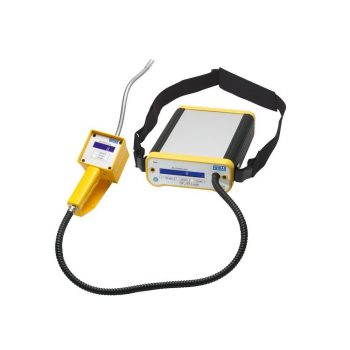
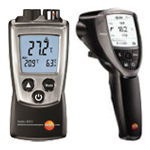
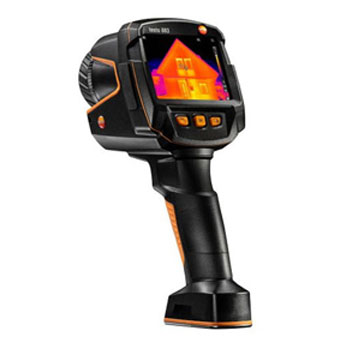
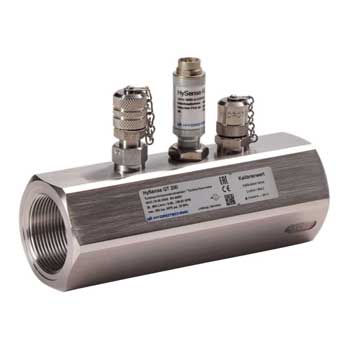
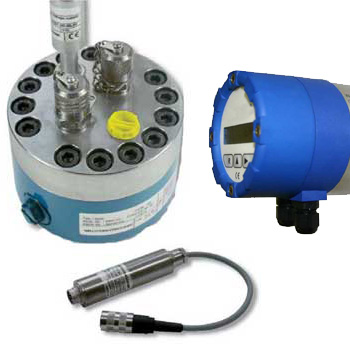
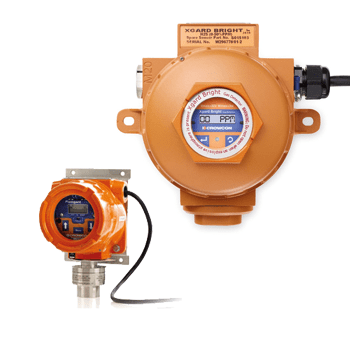
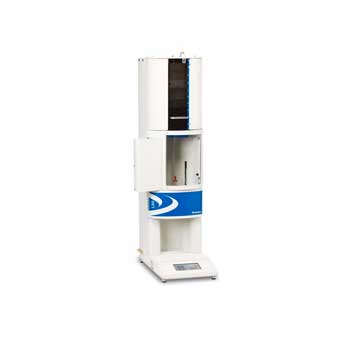
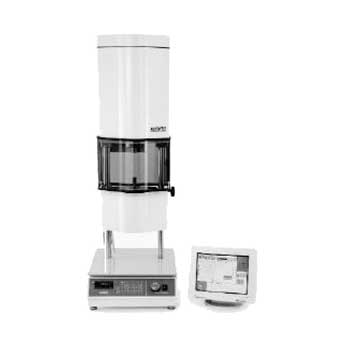
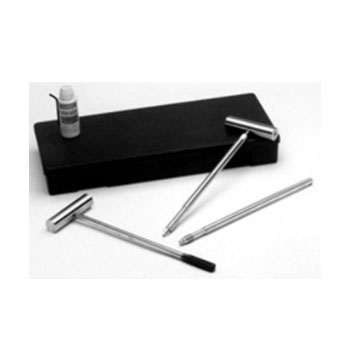
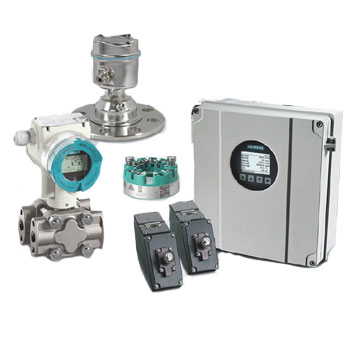
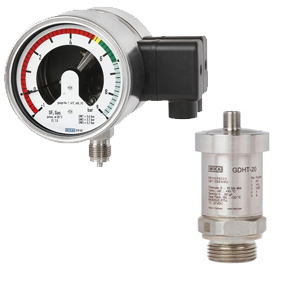
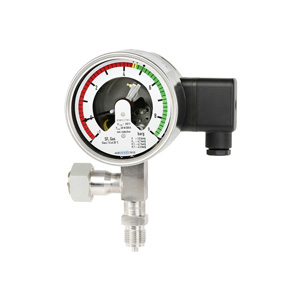
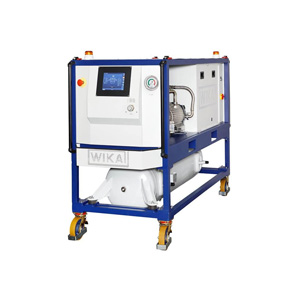
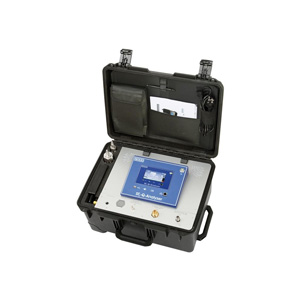
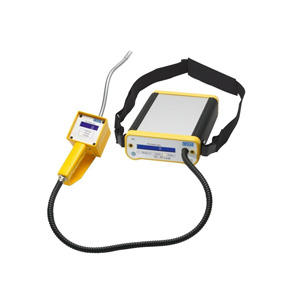
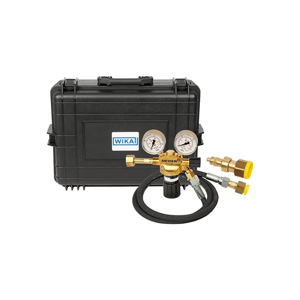
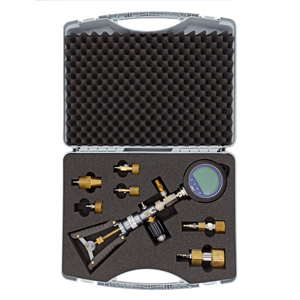
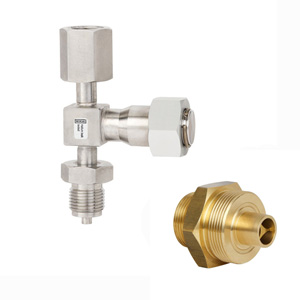
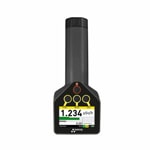
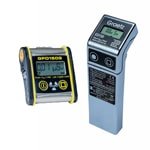
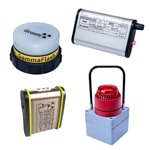
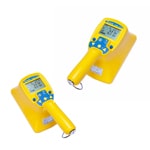
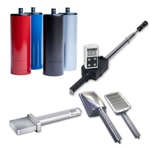
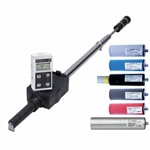
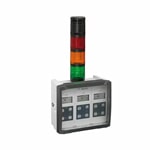



























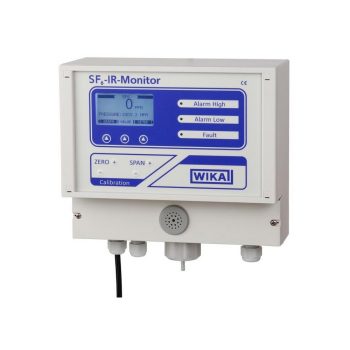
- Responds only to SF6 gas and is not sensitive to humidity and the usual volatile organic compounds (VOC)
- Fast response time
- Continuous measurement
- Easy integration into distributed control system thanks to 4 ... 20 mA output
- Settings protected by password
Datasheet |
User Manual |
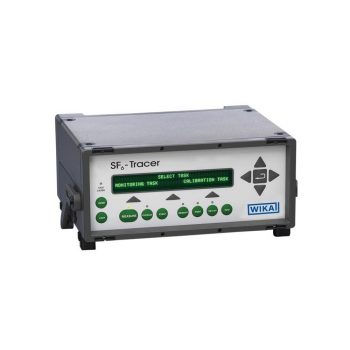
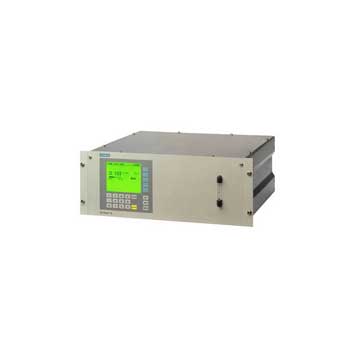
- High-precision and reproducible measurements in the ppb range
- Fast response time
- Simple operation and long service intervals
- No consumables, e.g. flush gas, are required
- Expendable by multiplexer for up to 24 measuring points
Datasheet
|
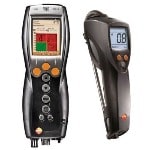
- Smallest concentrations of up to 0.6 ppmv can be detected
- Responds only to SF6 gas and is therefore not sensitive to humidity and common volatile organic compounds (VOC)
- Easy to use
- Fast response time
- Calibration in the factory using certified test gases
Datasheet
|
User Manual
|
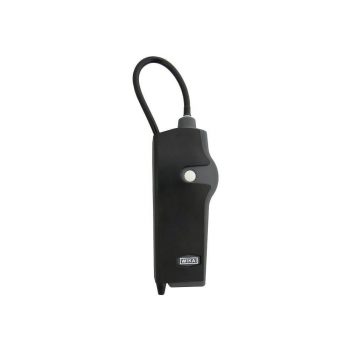
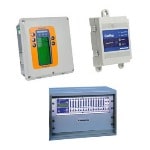
- Two sensitivity levels, settable via a double click of the On/Off button
- Automatic switch-off function in order to prevent unnecessary battery usage
- Prevents the reading of erroneous measured values by means of a visible and audible signal notifying of a low battery level
- Replacement measuring tip in the instrument
Datasheet
|
Bedienungsanleitung
|
SF6 Gas Detection Devices
SF6 gas detection devices are used to detect and alert on unintended SF6 gas leaks or unwanted release. They monitor ambient air or gas compartments for SF6 concentration or escaping gas clouds and trigger an alarm when defined thresholds are exceeded — thus contributing significantly to safe operation and environmental protection.
Questions & Answers on SF6 Gas Detection Devices
What is the purpose of SF6 detection devices?
SF6 detection devices serve to detect leaking SF6 gas early and trigger a warning or alarm before hazardous concentrations occur or SF6 is released uncontrollably into the environment. This allows quick reaction and mitigation measures in case of leaks.
Which types of detection devices exist?
There are portable handheld detectors for mobile inspections, stationary sensor stations for continuous monitoring, and gas alarm systems with switching outputs. Depending on the application, they use optical, electrochemical or infrared sensors.
How do these devices measure SF6 gas?
Depending on the device, different sensor technologies are used: Simple devices employ electrochemical sensors or infrared absorption measurement, while more advanced systems rely on photoacoustic detection or combined methods to detect SF6 with high sensitivity.
In which application areas are detection devices used?
Detection devices are used during maintenance and testing of SF6 switchgear, in technical rooms or halls with SF6 pressure systems, and for leak checks after maintenance work. They can also monitor storage areas or disposal spaces.
Why is early detection of SF6 important?
Early detection prevents unnoticed SF6 release — which matters both for environmental aspects and operational safety. Leaks can reduce insulation performance, cause voltage losses or damage to the equipment, and the release of this greenhouse gas can harm the environment.
How sensitive are detection devices typically?
The sensitivity depends on the sensor principle used. Portable handheld detectors usually detect concentrations in the ppm range, while stationary systems can reach much lower thresholds. Modern sensors allow detection of small leaks long before significant concentrations build up.
How are detection devices installed and used?
Portable devices are used directly at the inspection object, e.g. at connections or potential leak points. Stationary sensors are strategically installed in areas where gas could escape — e.g. near flanges, seals or ventilation openings — and monitor continuously.
What alarm and interface options do modern detection systems provide?
Modern detection systems feature acoustic and visual alarms as well as potential-free contacts or digital outputs. This allows integration into control systems and automation of maintenance or safety procedures in case of leak detection.
How often should leak detection with SF6 devices be performed?
It is recommended to perform leak detection after maintenance, commissioning or after long periods of inactivity. Additionally, continuous monitoring may be advisable — especially in environments with strict safety requirements or environmental regulations.
What maintenance or calibration requirements exist for detection devices?
Detection devices should be calibrated or checked regularly to ensure measurement accuracy and reliability. Sensors, alarm contacts and the integrity of the measurement ports must be inspected according to manufacturer instructions or internal maintenance intervals.


Datasheet