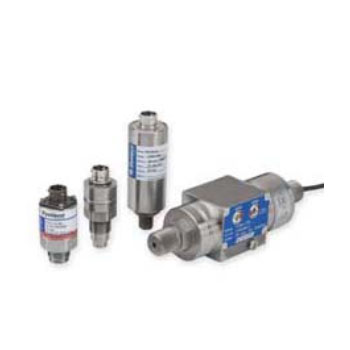
Calibration Pumps – Generate Pressure & Vacuum Manually and On the Go
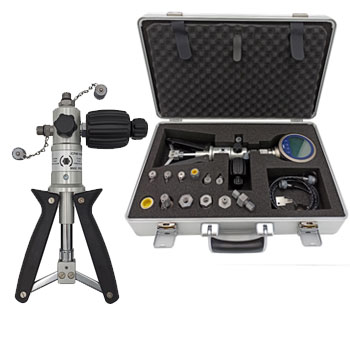
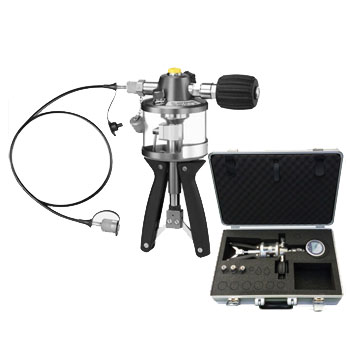
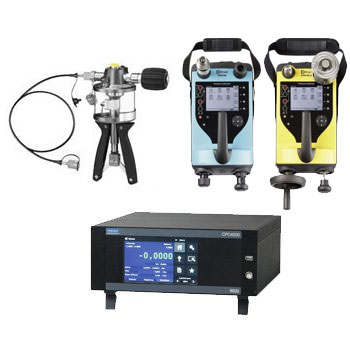
Calibration pumps (pneumatic/hydraulic) generate vacuum and pressure for on-site and laboratory calibration of transmitters, gauges, and pressure switches. Depending on the model they cover −0.95 bar up to 1,000+ bar and offer fine adjustment valves, fine volume control, and venting for stable, repeatable settings.
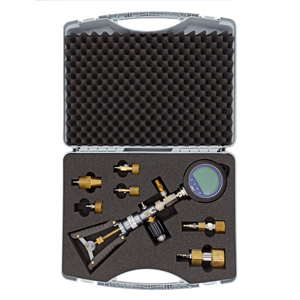
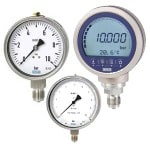
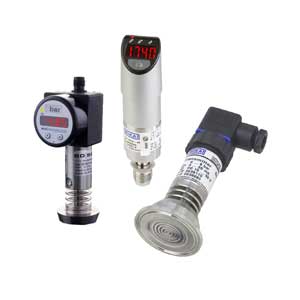
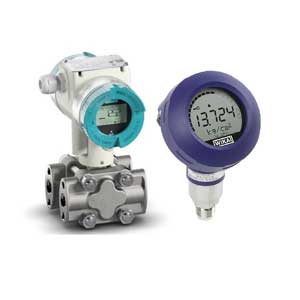
ICS Schneider Messtechnik supplies hand and bench pumps, matching reference gauges/sensors, adapters & hoses, hydraulic media, and DAkkS/ISO calibration—optionally as a complete service case.
FAQ on Calibration Pumps
Answers on selection, pressure ranges, media, stability, tightness, accessories, and best practices in service, production, and lab.
What are calibration pumps used for?
To generate and adjust vacuum/pressure during calibration and functional testing of pressure devices—mobile in the field or stationary in the lab.
Pneumatic or hydraulic—which fits best?
| Criterion | Pneumatic (air/N₂) | Hydraulic (oil/water) |
|---|---|---|
| Range | Vacuum up to ~20–60 bar | Up to 1,000+ bar |
| Cleanliness | No medium carryover | Medium contact possible |
| Stability | Fast, more elastic | Very stable, finest steps |
| Typical application | mbar–bar, switch tests | High-pressure transmitters/gauges |
Which pressure ranges do the pumps cover?
Pneumatic: vacuum (–0.95 bar) to approx. 20–60 bar. Hydraulic: typically 0…350/700/1,000+ bar depending on model.
How do I achieve a stable reading on the reference device?
- Use fine volume (micro adjust)
- Low-leak fittings, short lines
- Avoid temperature drift; adjust only after stabilization
What connections are common?
| Thread | Standard | Note |
|---|---|---|
| G 1/4 / G 1/2 | ISO 228 | EU standard, flat sealing possible |
| 1/4" NPT / 1/2" NPT | ASME | Tapered, sealing compound required |
| Quick couplers | — | Fast DUT changeover |
Which accessories should I plan for?
- Adapter sets (G/NPT, various sizes)
- Seal kits (NBR/FKM/PTFE)
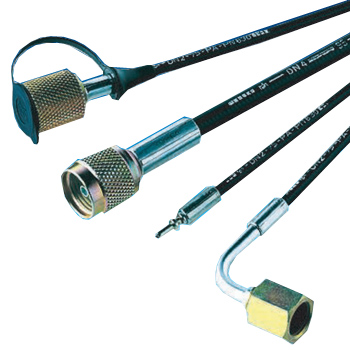
- High-pressure hoses and relief valves
- Carrying case for field use
How do I perform a leak (tightness) test?
Drive to the target pressure, isolate the volume, then log pressure decay over a defined time. Consider temperature and volume effects.
Which media are suitable for hydraulic pumps?
Typically calibration oils (low viscosity, low volumetric expansion) or water (observe corrosion protection). Check DUT media compatibility.
How do I prevent contamination of the DUT?
Use a separator/diaphragm seal or media trap; for pneumatic tests use clean, dry air/N₂.
What accuracy can be achieved?
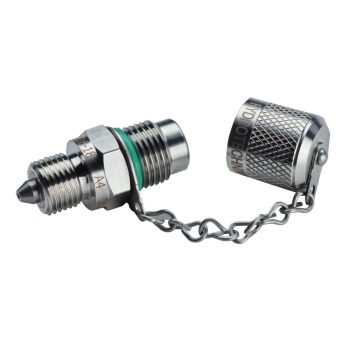
The pump generates pressure; measurement accuracy is defined by the reference sensor. With stable control, 0.02…0.1% FS stability is typical.
Are there combo pumps for vacuum & pressure?
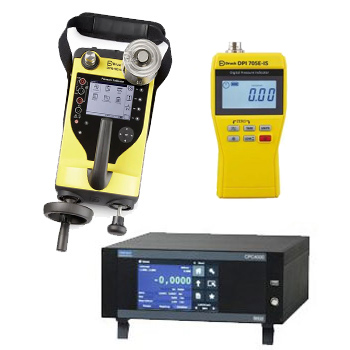
Yes—pneumatic combo hand pumps can switch between vacuum and overpressure—ideal for commissioning and service.
What matters at very low pressures (mbar/Pa)?
Small system volume, tight lines, sensitive valves, sufficient stabilization time; optionally fine volume and a draft-free environment.
What safety aspects apply?
- Respect the maximum pressure of pump, hoses, and adapters
- Never disconnect under pressure; wear eye protection
- For oil/water: observe media compatibility and disposal
How often should the reference be recalibrated?
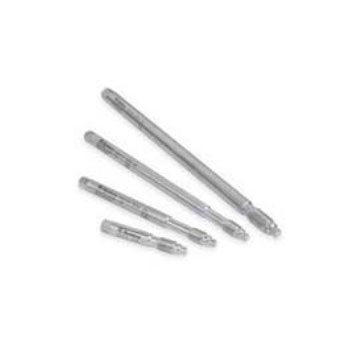
Generally annually (usage dependent) to DAkkS/ISO. After shocks/overload, check immediately.
Do you offer complete calibration kits?
Yes—including pump, reference, adapters/hoses, seals, and optional documentation templates (CSV/PDF).