
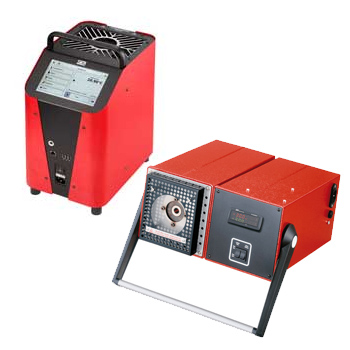
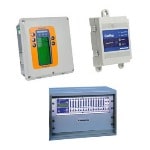
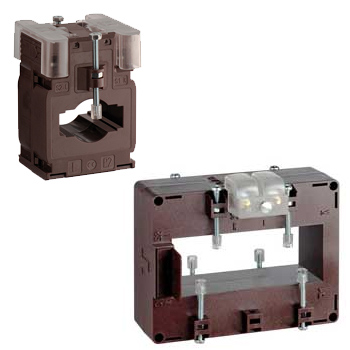
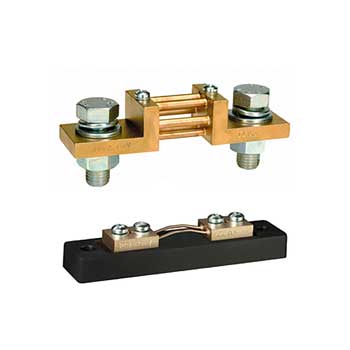
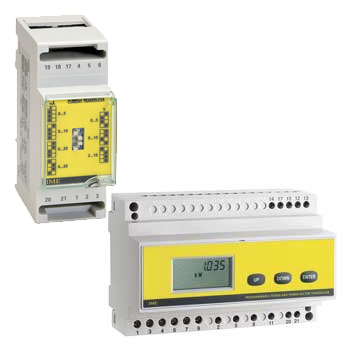
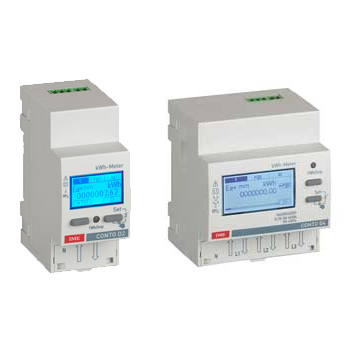
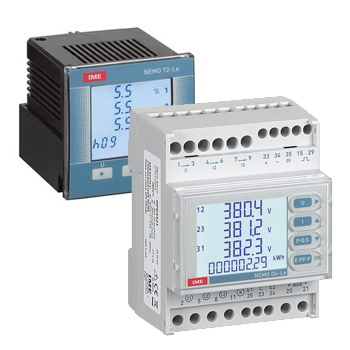
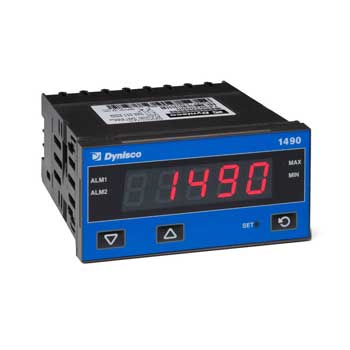
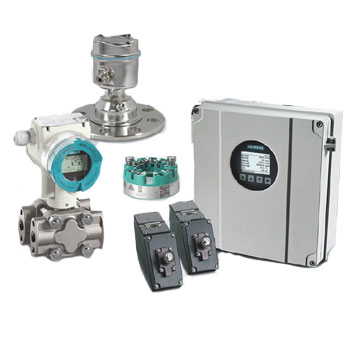
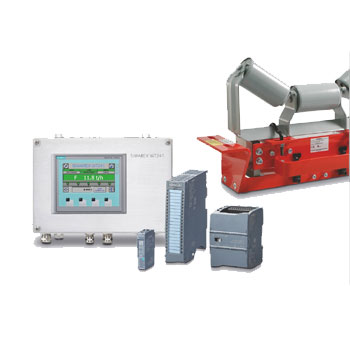
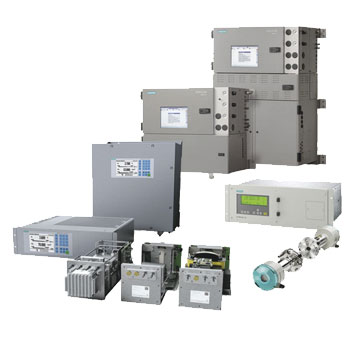
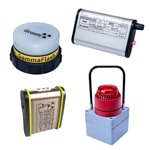
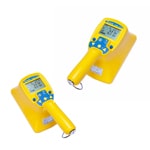
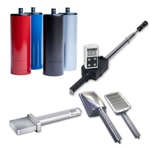
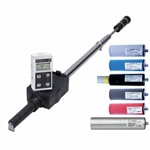
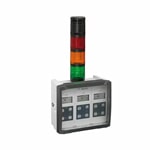





















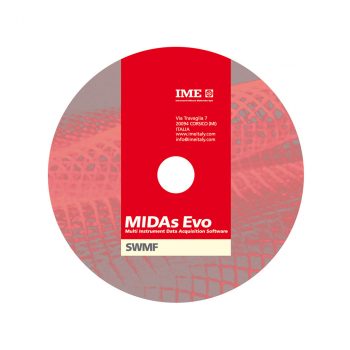
Management software for network monitors Nemo and energy counting Conto (Up to 5 devices)

TYPE Management software for network monitors Nemo and energy counting Conto (Up to 5 devices)
Datasheet

Management software for network monitors Nemo and energy counting Conto (Up to 20 devices)

TYPE Management software for network monitors Nemo and energy counting Conto (Up to 20 devices)
Datasheet

Management software for network monitors Nemo and energy counting Conto (Up to 1000 devices)

TYPE Management software for network monitors Nemo and energy counting Conto (Up to 1000 devices)
Datasheet

Management software for network monitors Nemo and energy counting Conto (Up to 100 devices)

TYPE Management software for network monitors Nemo and energy counting Conto (Up to 100 devices)
Datasheet


Energy Management Software

“Energy management software” refers to applications that collect, process and visualize data from energy meters, sensors or monitoring systems. Such software consolidates energy and consumption data, performs analyses over time, generates reports and load profiles, and can integrate with building or plant control systems. It serves as the core interface between raw measurement data and meaningful energy or load management insights.

What does energy management software do?

It gathers measured values from meters or sensors, stores them centrally, evaluates consumption and load trends, calculates power, energy and other metrics, and allows visualization, reporting and exporting of data for analysis or billing.

What kinds of data are typically handled?

Energy (kWh), instantaneous and average power, current, voltage, power factor, load curves over time, cumulative totals, and depending on setup — possibly cost, emission or efficiency data.

How can such software support energy efficiency?

By revealing consumption patterns, peak loads and inefficiencies, enabling load balancing, timely interventions or optimizing operation schedules to reduce energy use and costs.

How are measurement data imported?

Via compatible energy meters or sensors with pulse outputs, bus or digital communication interfaces — commonly Modbus, M-Bus or other standard protocols.

In which scenarios is energy management software useful?

In building and facility management, industrial plants, sub-metering, consumption monitoring, load tracking, energy audits, cost management, sustainability tracking and long-term monitoring.

What are the main benefits over manual metering?

Automated data collection, continuous monitoring, comprehensive long-term data, reliable analytics, exportable reports and reduced manual effort or errors.

Can it manage multiple measurement points?

Yes — it supports aggregation and comparison of data from multiple meters or sensors across several locations or distribution boards.

Are special devices needed?

Behind the scenes, compatible meters or sensors with suitable interfaces are necessary; in some cases a server or PC for data storage, analysis and reporting may also be required.

Does the software support reporting and data export?

Typically yes — including consumption reports, load profiles, time series export, cost or emission statistics, and optional integration with external systems.

Who benefits most from energy management software?

Businesses, facility managers, building owners, multi-tenant properties or industrial installations aiming for transparency, energy optimization, cost reduction or sustainability monitoring.

Diese Website benutzt Cookies. Wenn du die Website weiter nutzt, gehen wir von deinem Einverständnis aus.