


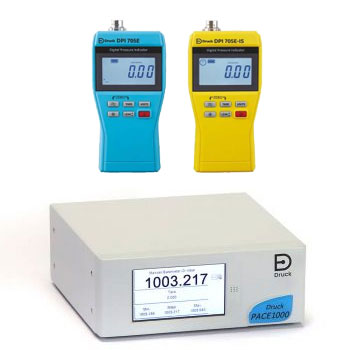
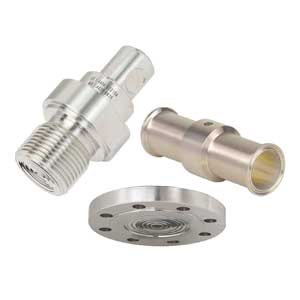
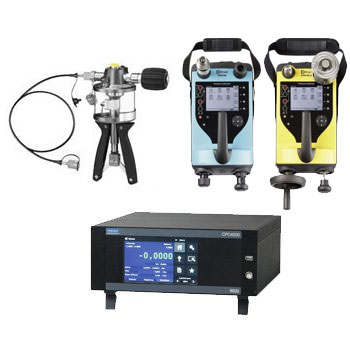
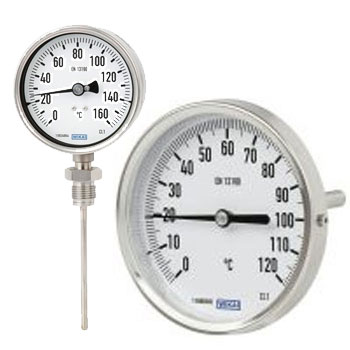
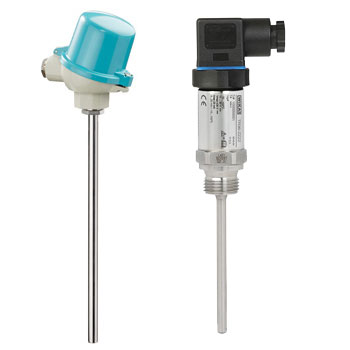
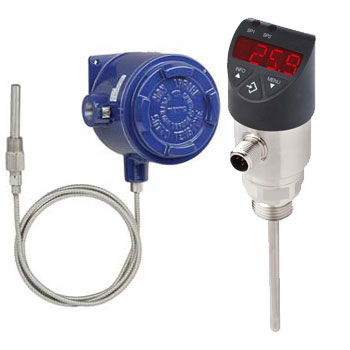
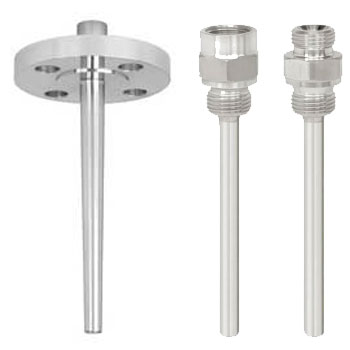
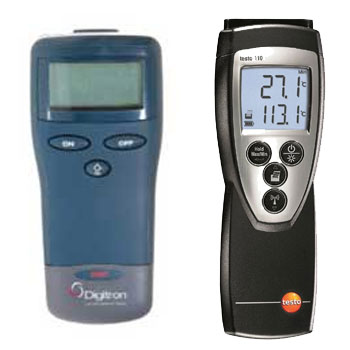
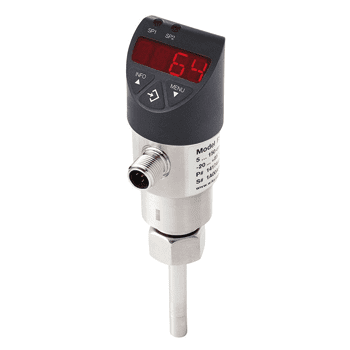
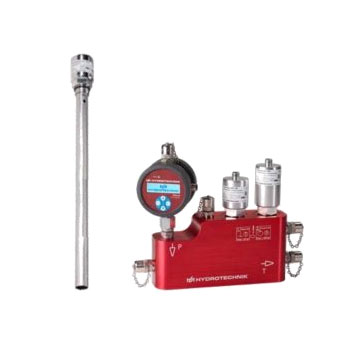
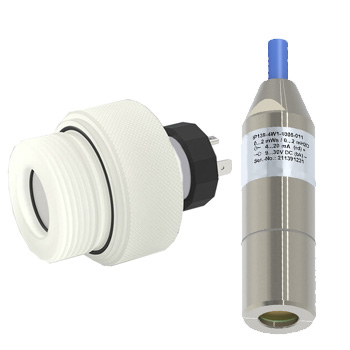
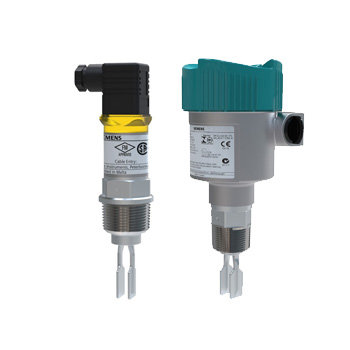
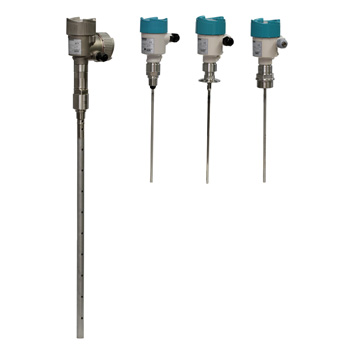
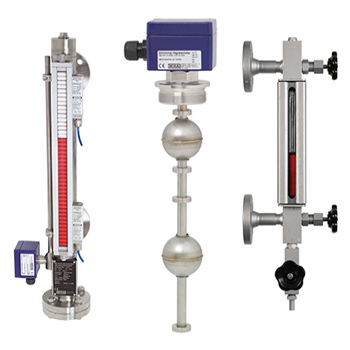
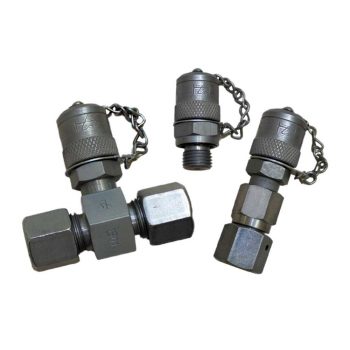
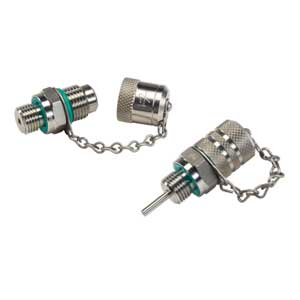
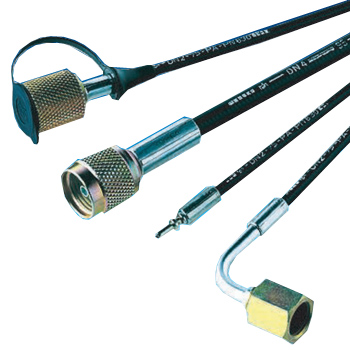
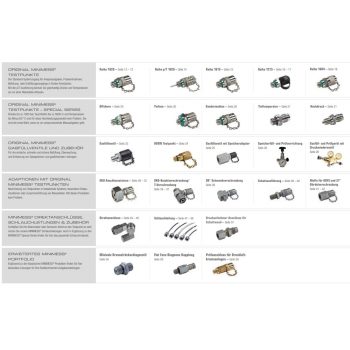
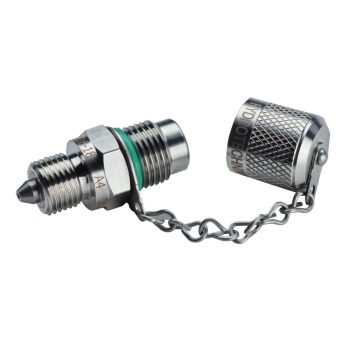
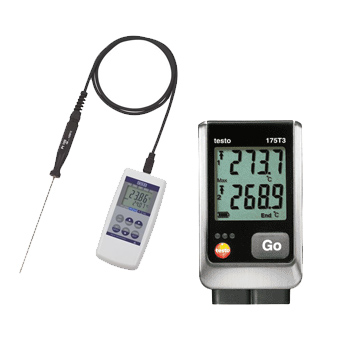
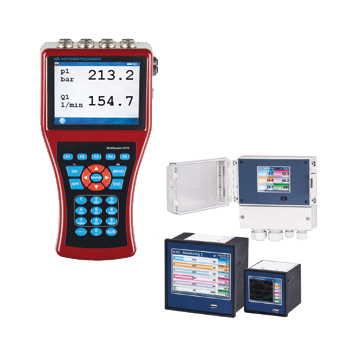
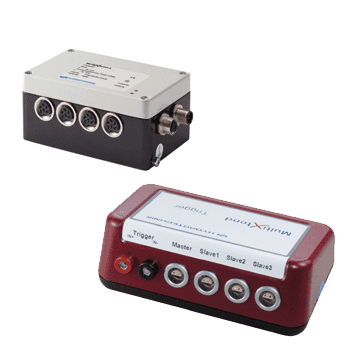
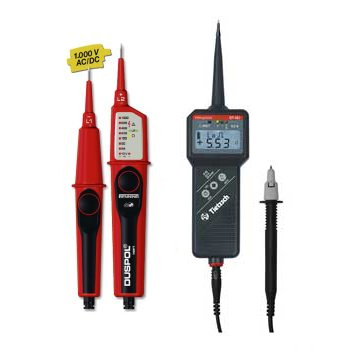
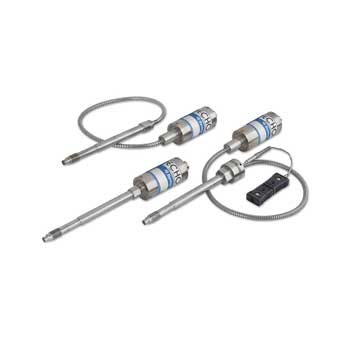
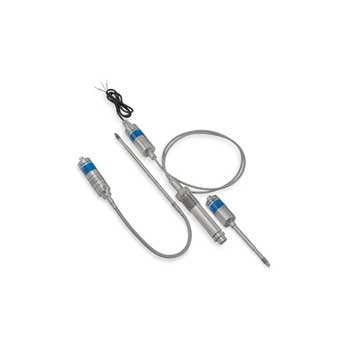
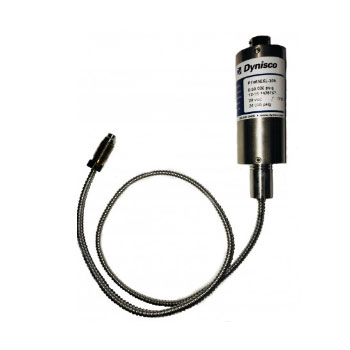
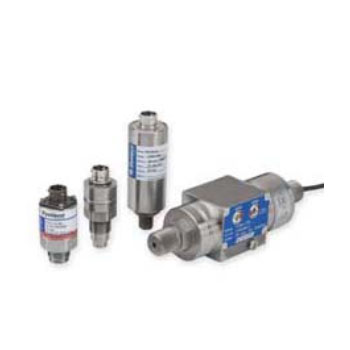
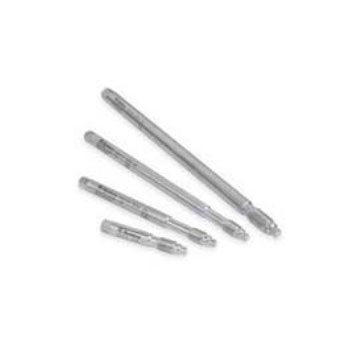
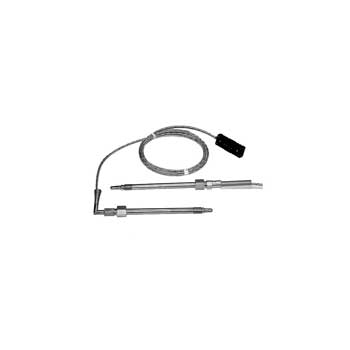
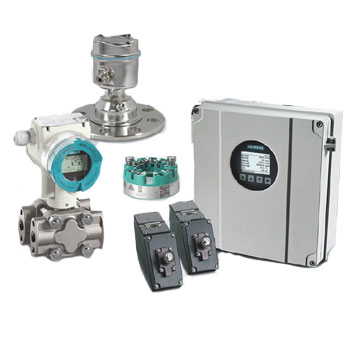
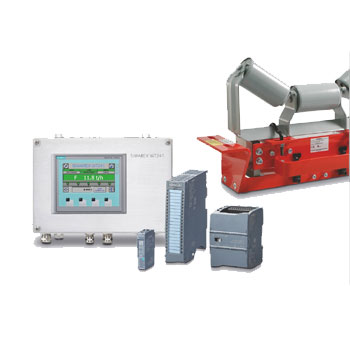
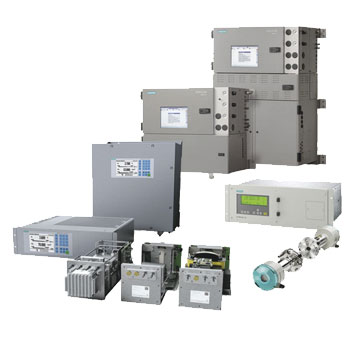
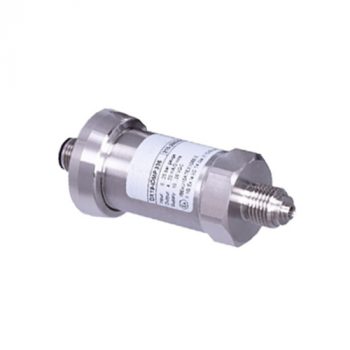
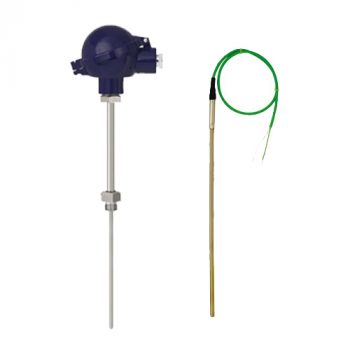
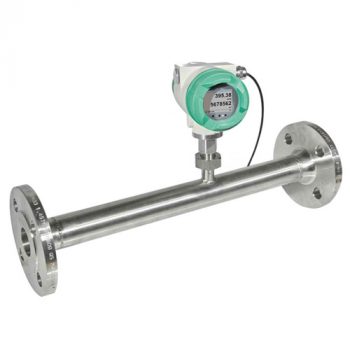
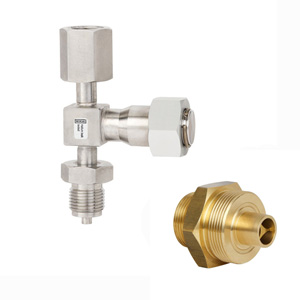

























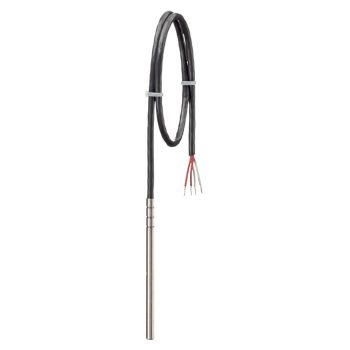
The temperature sensor line is delivered with direct connected cable. With its construction based on mineral insulated cable (MIC) supports a wide range of applications. Due to compression fittings or soldering nipples the installation is simple and flexible. With the optional surface adapter the measuring of surface temperature are supported. The certificate for intrinsic safety allows the operation even in Zone 0 without the need of additional thermowell. This application grands an outstanding reaction time.

 Catalog Excerpt Catalog Excerpt
|
|
User Manual
|
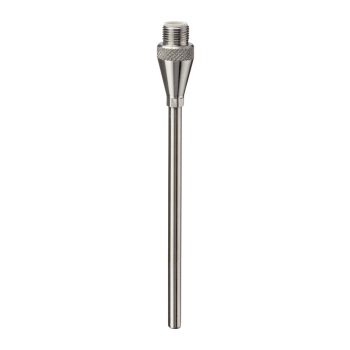
The temperature sensor line is equipped with direct mount connectors (M12, Lemo usw.). With its construction based on mineral insulated cable (MIC) supports a wide range of applications. Due to compession fittings or soldering nipples the installation is simple and flexible. With the optional surface adapter the measuring of surface temperature are supported. The certificate for intrinsic safety allows the operation even in Zone 0 without the need of additional thermowell. This application grands an outstanding reaction time.
|
Catalog Excerpt
|
|
User Manual
|
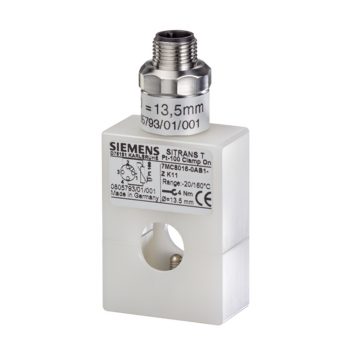
This temperature sensor line for sanitary applications provides a wide range of appropriate process connections for the classical temperature measurement. With the clamp-on temperature sensor Siemens breaks new ground. The benefits are particularly at small pipe diameters are the removal of welding and welding validation no disturbance of the process. Comparable accuracy and response time, despite piggability and simple demounting for recalibration.
|
Catalog Excerpt
|
|
User Manual
|
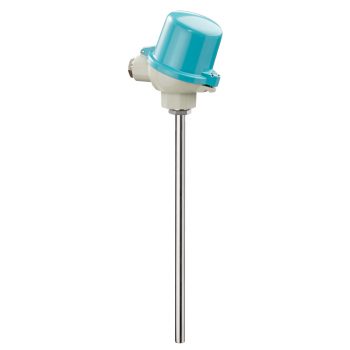
Tubular thermowell for low to medium stress, according to DIN 43722, Type 2, without process connection, without extension, plug-in or use with move-able compression fittings
|
Catalog Excerpt
|
|
User Manual
|
Tubular thermowell, low to medium stress, according to DIN 43722, Type 2F, with flange, with extension
|
Catalog Excerpt
|
|
User Manual
|
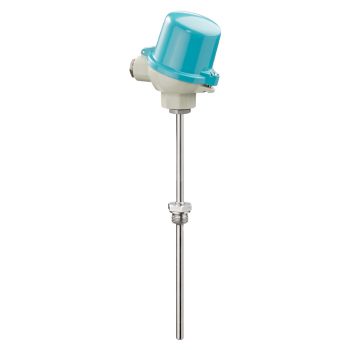
Thermometerschutzrohr aus Rohrmaterial, geringe bis mittlere Beanspruchung, nach DIN 43772, Typ 2G, verschraubte Ausführung, mit Verlängerung
|
Catalog Excerpt
|
|
User Manual
|
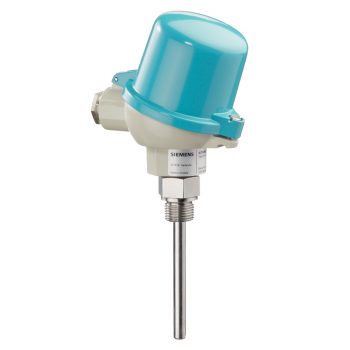
Tubular thermowell, low to medium stress, Type 2N similar to DIN 43722, screwed design, without extension, for maximum process temperatures of 100 °C
|
Catalog Excerpt
|
|
User Manual
|
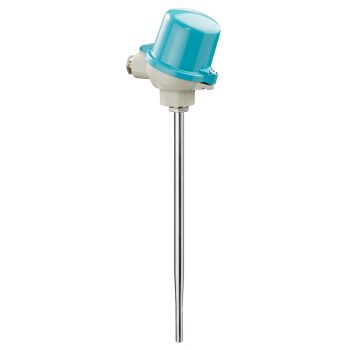
Tubular thermowell for low to medium stress, according to DIN 43722, Type 3, without process connection, improved response time, plug-in or use with moveable compression fittings
|
Catalog Excerpt
|
|
User Manual
|
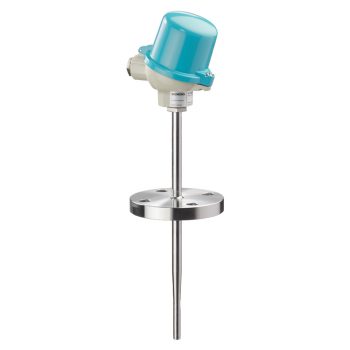
Tubular thermowell, low to medium stress, according to DIN 43722, Type 3F, with flange, with extension
|
Catalog Excerpt
|
|
User Manual
|
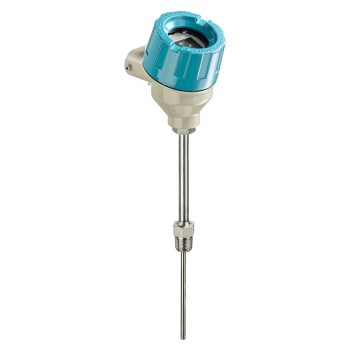
Tubular thermowell, low to medium stress, according to DIN 43722, Type 3G, screwed design, with extension
|
Catalog Excerpt
|
|
User Manual
|
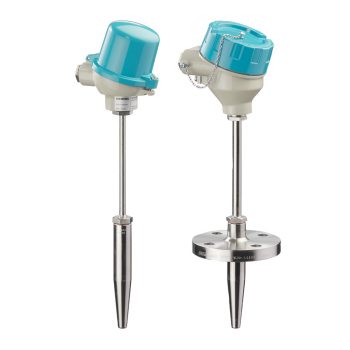
Barstock thermowell for medium to extreme stress, according to DIN 43722, Type 4, for welding in, Type 4F with flange, with extension
|
Catalog Excerpt
|
|
User Manual
|
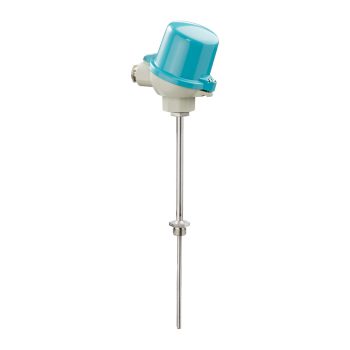
Temperature sensors for installation in existing thermowells, suitable for ther-mowells according to DIN 43772 as well as ASME B40.9-2001 with extension European or American types
|
Catalog Excerpt
|
|
User Manual
|
