


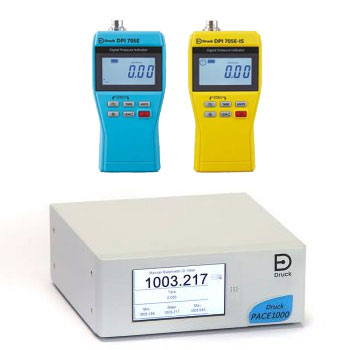
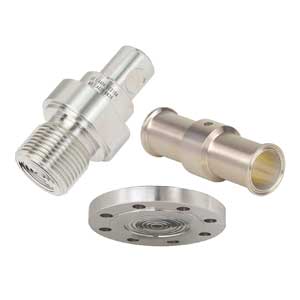
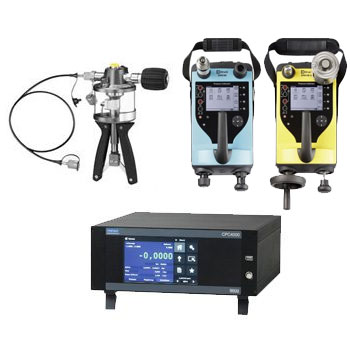
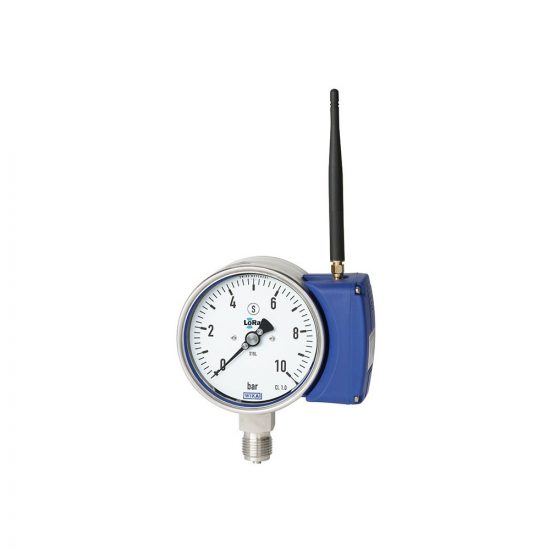
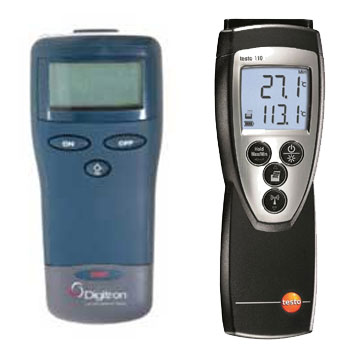




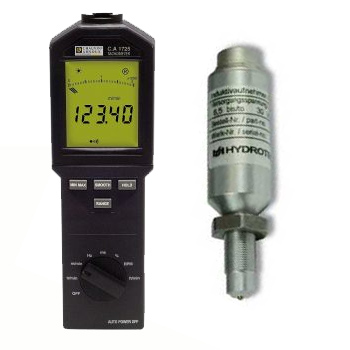
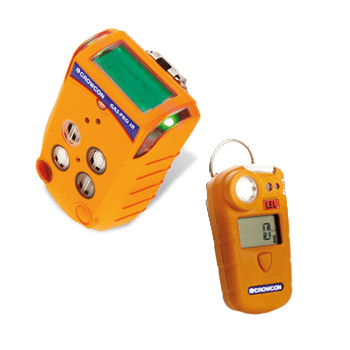
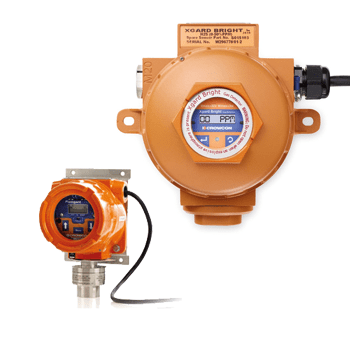
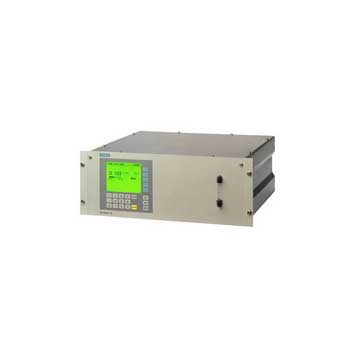
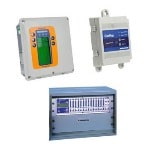
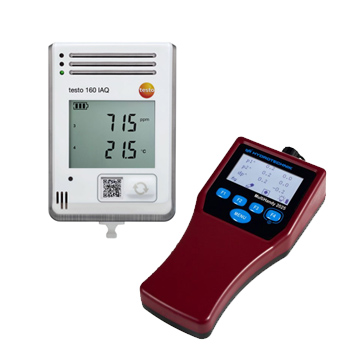
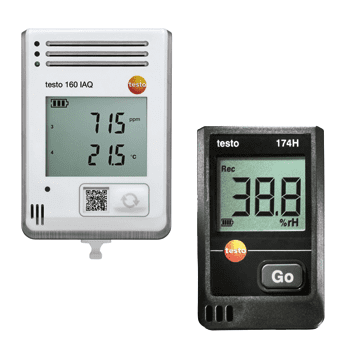
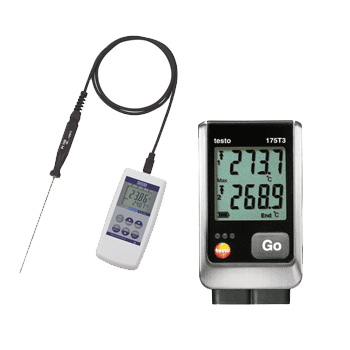


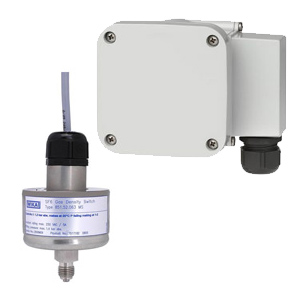
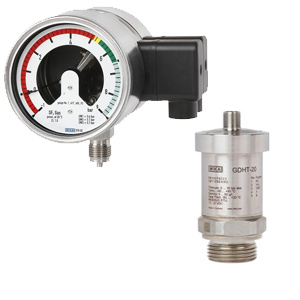
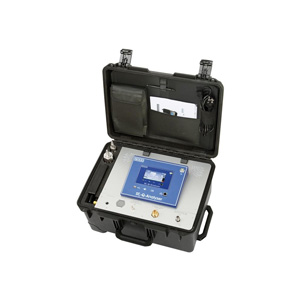
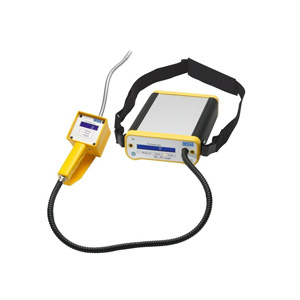
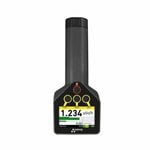
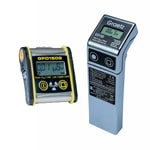
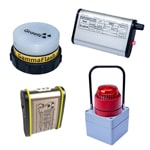
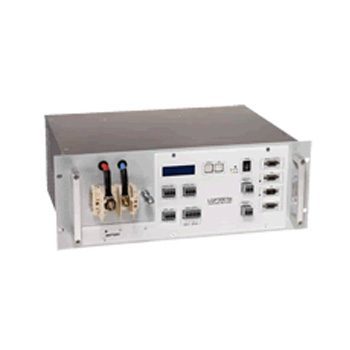
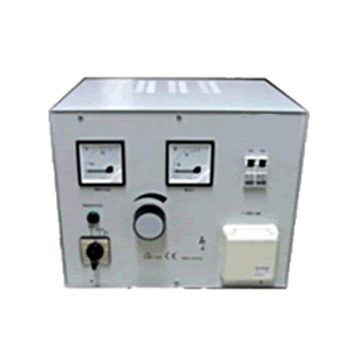
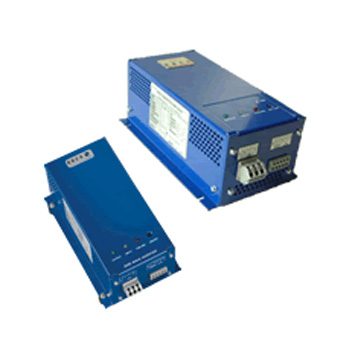
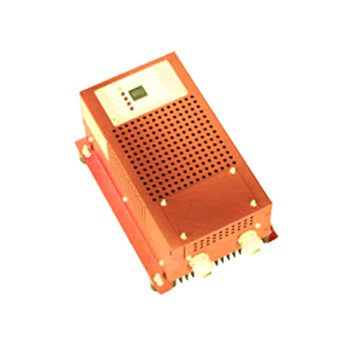

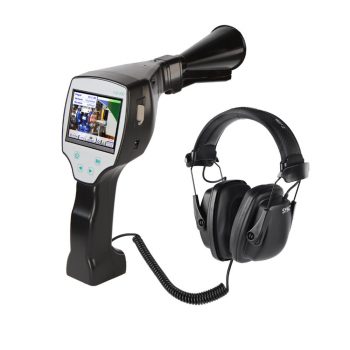
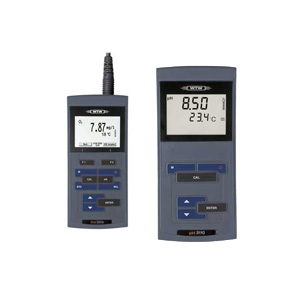
























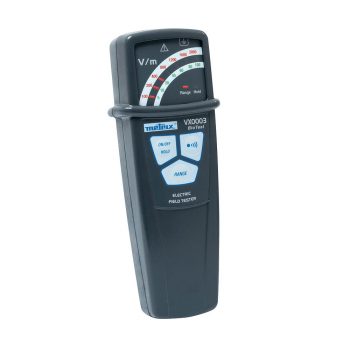
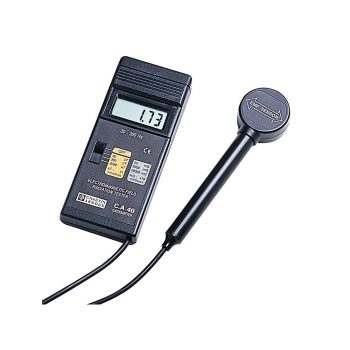
- measurement from 10 Hz to 3 kHz
- battery life of 60 to 80 hours
- audio signal for immediate identification of field levels
- 2-year warranty
 Datasheet Datasheet
|
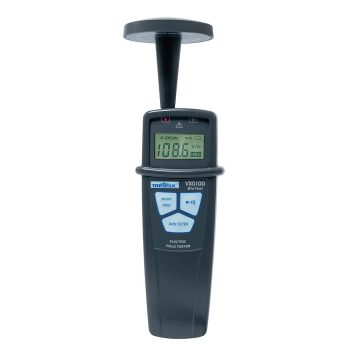
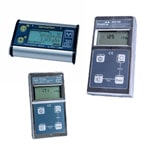
- measurement from 10 Hz à 100 kHz
- battery life of 60 to 80 hours
- audio signal for immediate identification of field levels
- 2-year warranty
|
Datasheet
|

Field Strength Meters / Electromagnetic Field Measurement Instruments
Field strength meters are used to measure the intensity of electric or magnetic fields or electromagnetic field quantities at a given location — depending on the instrument in units such as V/m, A/m, μT, mG or related values. These instruments are designed for analysis and monitoring of electromagnetic fields in industrial installations, shielding effectiveness, and workplace environments. Modern devices offer wide measurement ranges, high sensitivity, often including frequency analysis, data logging and interfaces for documentation and evaluation. Some sensors allow separate measurement of electric and magnetic components and evaluation of shielding, exposure levels from mains-frequency or higher-frequency fields.
What exactly does a field strength meter measure?
A field strength meter measures the intensity of an electric or magnetic field — or electromagnetic fields — at a given location. Depending on the device, measurements are given in volts per meter (V/m) for electric fields, in amperes per meter (A/m), or in tesla or microtesla (μT) / milligauss (mG) for magnetic fields. Some instruments also output combined values or frequency information.
Why is measuring field strength important?
Measuring field strength is important to assess exposure levels, ensure compliance with limit values, verify shielding or protective measures, and detect disturbing fields that may affect electronics or human health. In industrial or commercial installations, it supports planning, monitoring and documentation of electromagnetic exposure.
Which types of fields can be measured?
Field strength meters can measure electric fields (static or mains-frequency), magnetic fields (static or alternating), and — depending on the device — high-frequency electromagnetic fields (e.g. RF, WLAN, RF-installations). Measurement ranges and sensor design vary depending on frequency band and field type.
How does a field strength meter work technically?
Depending on the measurement task, the sensor uses different principles: for electric fields an antenna measures potential difference per meter; for magnetic fields typically a coil or Hall element is used. For high-frequency fields often a broadband antenna or probe is used to detect field strength and frequency. The device converts analog signals into measured values and displays them accordingly.
What measurement ranges are typical?
Depending on the instrument, measurement ranges span from a few V/m or a few μT up to several kV/m or several mT, especially when measuring high-frequency or strong magnetic fields. Devices often offer multiple ranges and automatic range switching to reliably capture both very weak and very strong fields.
Can field strength meters also analyze frequency and spectrum?
Some field strength meters include frequency display or spectrum analysis, enabling differentiation between mains-frequency fields (e.g. 50/60 Hz) and high-frequency fields (e.g. RF, EMC, HF emissions). This is particularly useful to identify field sources and analyze their specific influence.
What are typical practical applications for field strength meters?
Common applications include inspection of installations for electromagnetic exposure, measurement and documentation in EMC testing, verification of electromagnetic shielding, workplace measurements, testing of high-frequency installations, quality assurance in production and planning, as well as risk assessment in presence of strong fields.
Which requirements apply regarding sensor position and orientation?
The sensor should ideally be placed freely in the relevant zone — away from conductive or metallic objects that might distort the field. For magnetic field measurements, sensor orientation and alignment are critical. For reproducible results, measurement conditions must be consistent and sensor position documented.
Why is calibration important for field strength meters?
Over time, sensor characteristics and electronics may drift. Regular calibration against reference fields ensures measurement accuracy and documents traceability — this is essential especially under normative requirements or during audits. /p>
Which additional functions are useful in field strength meters?
Useful features include data logging, MIN/MAX memory, spectrum analysis, frequency readout, analog or digital outputs, PC/datalogger interfaces, automatic range switching, hold-function and optionally time or trend recording. These support long-term measurements, documentation and analysis of complex field scenarios.
Are there differences between instruments for electric and magnetic fields?
Yes — devices are often specialized for electric field measurement (antenna-based), magnetic field measurement (coil or Hall sensor) or broadband EM-field detection including high frequencies. Sensor elements, measurement ranges and calibration procedures differ accordingly. For accurate measurement, the instrument must be selected based on the specific field type.
Which protection class and environmental conditions should be considered?
For industrial or outdoor use, robust housings with protection against dust and moisture (e.g. IP54, IP65) are recommended. Operating temperature, humidity and possible perturbation by conductive objects or other fields must be observed to ensure reliable results, especially in harsh environments or outdoor applications.