


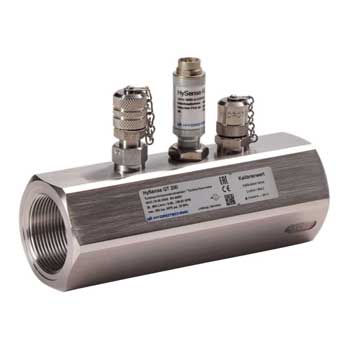
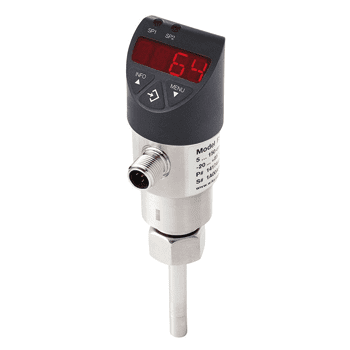
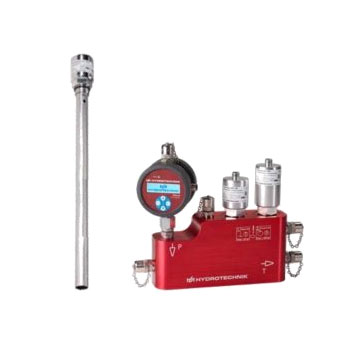
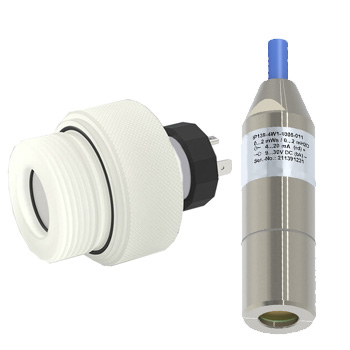
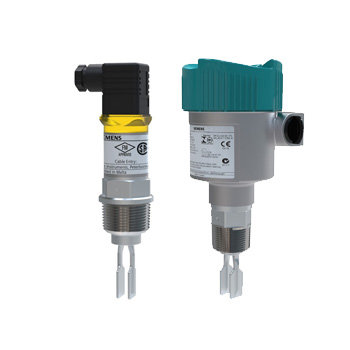
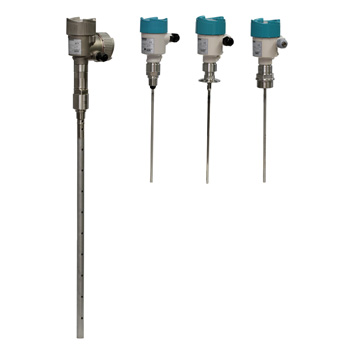
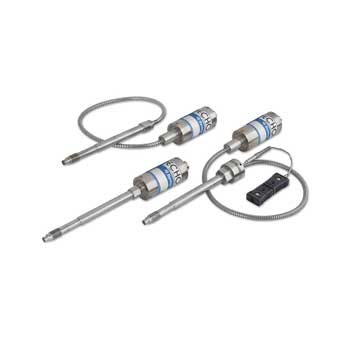
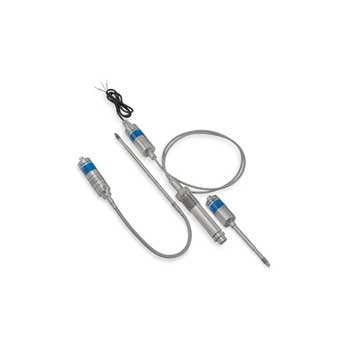
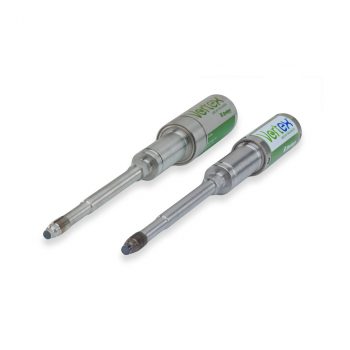
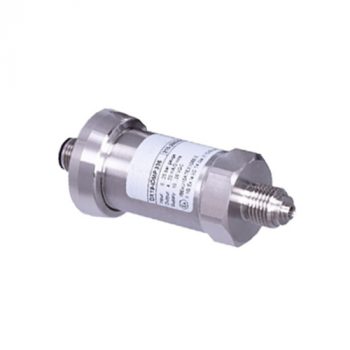
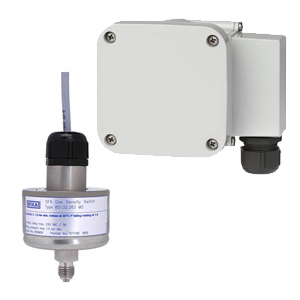
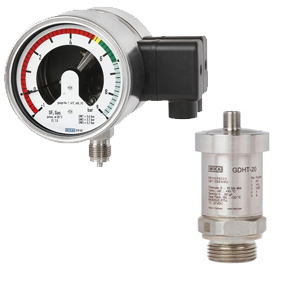
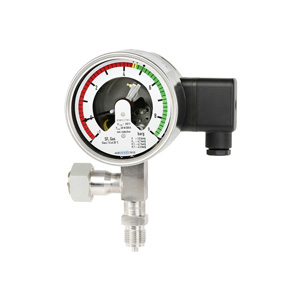
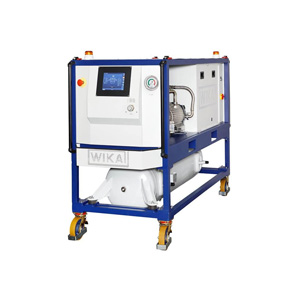





























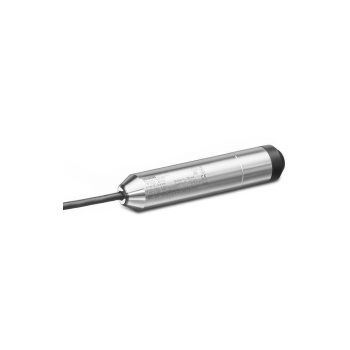
- Easy installation and use due to compact design and corrosion-resistant material
- Safe application due to vent pipe in connection cable to prevent condensate formation
- Long service life due to protection of the measuring diaphragm against external influences by protective cap
 Datasheet Datasheet
|
|
User Manual
|
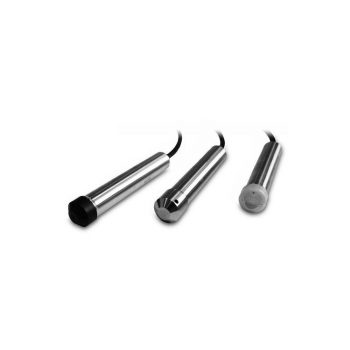
- Easy installation and use due to compact design and corrosion-resistant material
- Safe application due to vent pipe in connection cable to prevent condensate formation
- Long service life due to protection of the measuring diaphragm against external influences by protective cap
|
Datasheet
|
|
User Manual
|
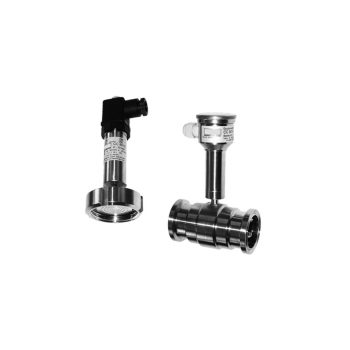
The SITRANS P Compact is an analog transmitter for measuring absolute and relative pressure which has been developed specially for the requirements of the food/pharmaceutical and biotechnology industries.
|
Datasheet
|
|
User manual
|
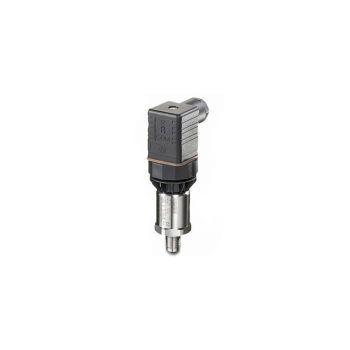
The SITRANS transmitters P200is a compact single-range-transmitter for measurement of absolute and gauge pressure. In this series we use two different kinds of pressure sensors: two stainless steel sensors and one ceramics sensor. So the measurement of process pressure, absolute pressure and hydrostatic pressure is an easy thing. The measured pressure will be transformed with these sensors into a 4…20-mA- resp. a 0…10-V-signal. Measuring range: 1 bar to 60 bar gauge / 0,6 bar to 16 bar absolute
|
Datasheet
|
|
User Manual
|
The SITRANS transmitters P210 is a compact single-range-transmitter for measurement of gauge pressure. In this series we use two different kinds of pressure sensors: two stainless steel sensors and one ceramics sensor. So the measurement of process pressure, absolute pressure and hydrostatic pressure is an easy thing. The measured pressure will be transformed with these sensors into a 4…20-mA- resp. a 0…10-V-signal. Measuring range: 100 mbar to 600 mbar gauge
|
Datasheet
|
|
User Manual
|
The SITRANS transmitter P220 is a compact single-range-transmitter for measurement of gauge pressure. In this series we use two different kinds of pressure sensors: two stainless steel sensors and one ceramics sensor. So the measurement of process pressure, absolute pressure and hydrostatic pressure is an easy thing. The measured pressure will be transformed with these sensors into a 4…20-mA- resp. a 0…10-V-signal. Measuring range: 2,5 bar to 1000 bar gauge
|
Datasheet
|
|
User Manual
|
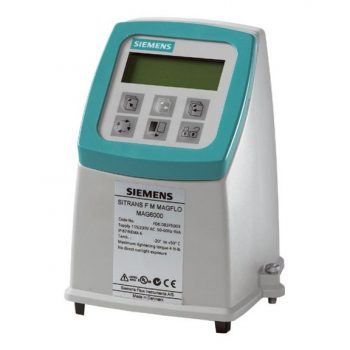
The MAG 5000 and 6000 are transmitters engineered for high performance, easy installation, commissioning and maintenance. The transmitters evaluate the signals from the SITRANS F M sensors type MAG 1100, MAG 1100 F, MAG 3100, MAG 3100 P and MAG 5100 W.
Transmitter types:
- MAG 5000: Max. measuring error ± 0.4 % ± 1 mm/s (incl. sensor)
- MAG 6000: Max. measuring error ± 0.2 % ± 1 mm/s (incl. sensor, see also sensor specifications) and with additional features such as: “plug & play” add-on bus modules; integrated batch functions.
|
Datasheet
|
|
User Manual
|
