Gauge Fittings – Adapters, Reducers & Transitions
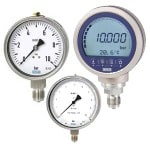
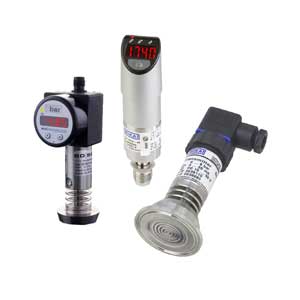
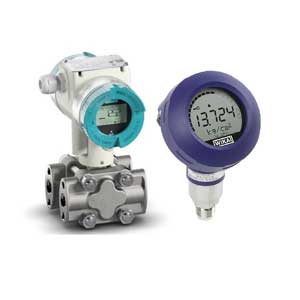
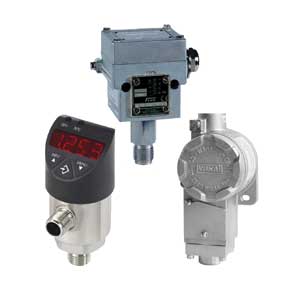
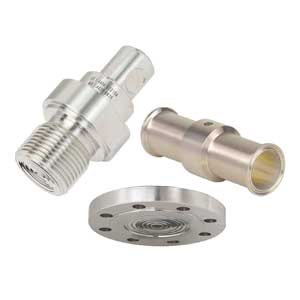
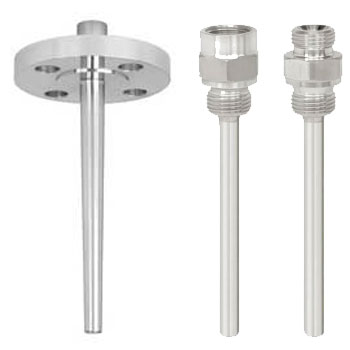
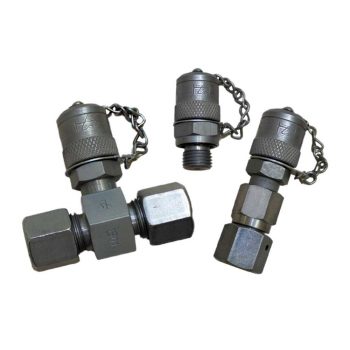
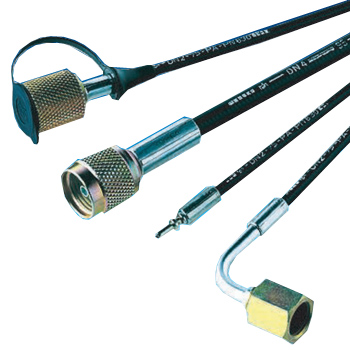
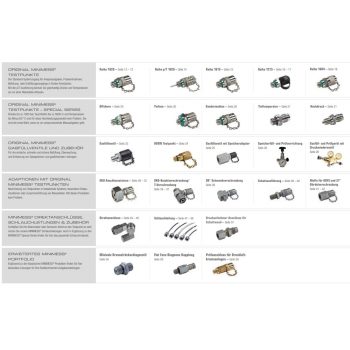
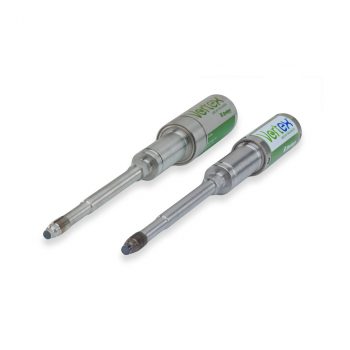
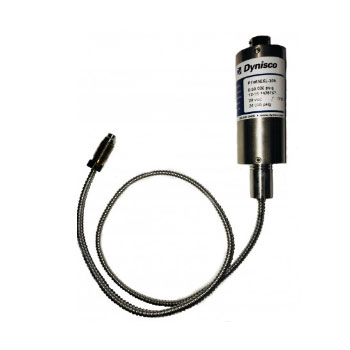
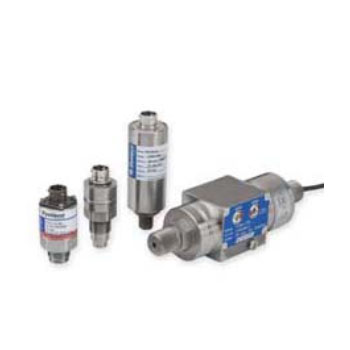
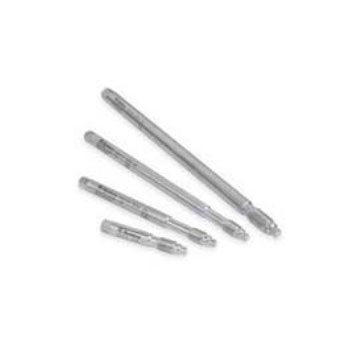
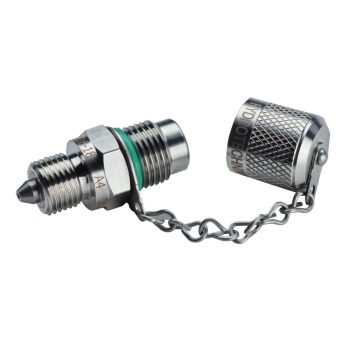
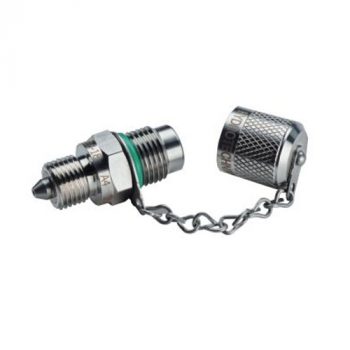
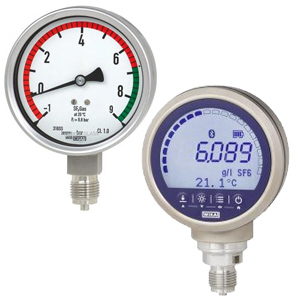
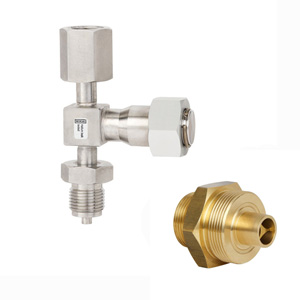
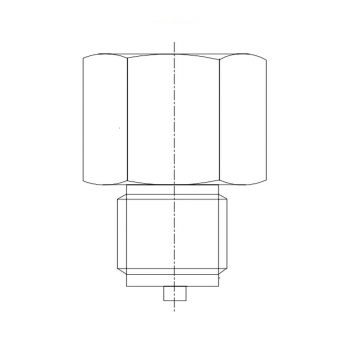
Gauge fittings connect instruments safely to the process: as adapters (e.g. G↔NPT↔M20×1.5), reducers, elbows, tees, unions or couplings. They provide the correct thread standard, form factor and installation orientation for pressure gauges, digital gauges, pressure switches and diaphragm seals—even where space is tight.
Available in carbon steel and stainless steel 304/316(L), and on request in other alloys. Common threads: G 1/4, G 1/2 (BSPP), 1/4″ NPT, 1/2″ NPT (tapered) and M20×1.5. ICS Schneider Messtechnik also supplies matching accessories (gauge cocks, snubbers, siphons) and, on request, EN 10204 3.1 material certificates.
FAQ on Gauge Fittings
Answers on selection, thread standards, sealing concepts, materials, pressure ratings and installation tips.
Which types of fittings are available?
| Type | Function | Typical use |
|---|---|---|
| Adapter / thread converter | Change standard (e.g. G↔NPT↔M20) | Mixed international installations |
| Reducer | Match port size | Align device/line sizes |
| Elbow (90°/45°) | Optimize reading/space | Tight spaces, better visibility |
| Tee | Create an extra take-off | Gauge + switch/transmitter |
| Straight/cone union | Service-friendly separation point | Maintenance/calibration |
What thread standards are common and how are they sealed?
| Thread | Standard | Sealing | Note |
|---|---|---|---|
| G 1/4, G 1/2 (BSPP) | ISO 228 (parallel) | Flat gasket/O-ring at the seat | Keep faces flat and burr-free |
| 1/4″, 1/2″ NPT | ASME B1.20.1 (taper) | PTFE tape or sealant | Wrap in screw direction |
| M20×1.5 | ISO metric | Often flat gasket (design-dependent) | Verify matching seat |
Which material should I choose?
Carbon steel for neutral media/standard duty; stainless steel 316(L) for corrosive media/environments or increased hygiene. Select sealing materials (PTFE, FKM, EPDM, FFKM) according to medium and temperature.
How do I select the right pressure rating?
Based on maximum operating pressure plus safety margin. Consider wall thickness, temperature and applicable codes (e.g. PED/ASME). For high pressures, use reinforced/short adapters.
Do fittings affect measurement quality?
Long/narrow transitions can slightly increase response time and damp pulsations. For fast processes, use short fittings with larger bores; optionally add a snubber deliberately.
What should I consider during installation?
- Clean threads and use the correct sealing concept (BSPP/NPT/metric).
- Mount stress-free; avoid lever forces on the gauge.
- For elbows, set the reading direction before final tightening.
How do I combine fittings sensibly?
Proven stack: Process → shut-off valve/gauge cock → adapter/reducer → optional snubber/siphon → gauge/diaphragm seal. This keeps serviceability and protection high.
Can I mix different metals (e.g. steel ↔ stainless)?
Possible, but consider galvanic corrosion and different thermal expansion. In corrosive environments, prefer uniform stainless steel.
Anything special in hazardous (Ex) areas?
Mechanical adapters are usually uncritical. With electrical components (contact gauges), observe Ex approvals, ensure bonding and use isolators/barriers if required.
Are hygienic applications feasible?
Yes—use 316L, suitable gaskets and low-dead-space installation; if needed, switch to hygienic process connections (Tri-Clamp/Varivent®) with a diaphragm seal.
Typical mistakes and how to avoid them
- Wrong thread standard → leakage/damage.
- Too many adapter chains → unnecessary dead space/loads.
- No support/bracket → bending moment on the instrument.
Does ICS Schneider supply pre-assembled sets & documents?
Yes—ready-to-install sets incl. valve/snubber/siphon and gauge, plus EN 10204 3.1 material certificates, test documentation and project-specific tagging on request.

































Datasheet