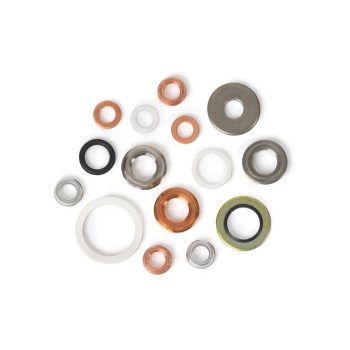
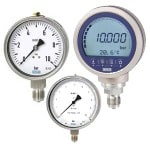
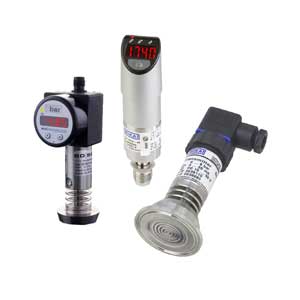
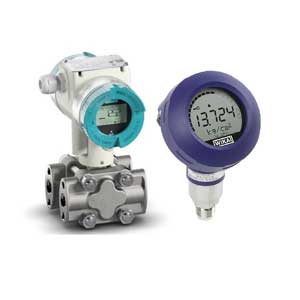




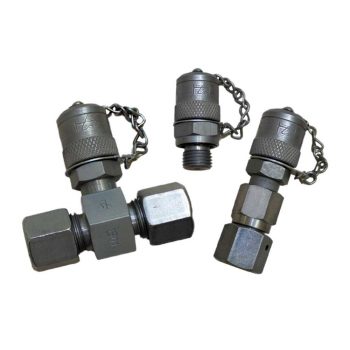
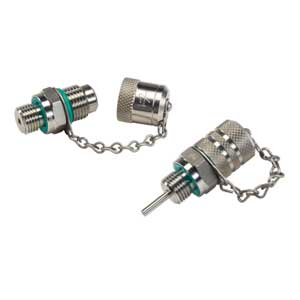
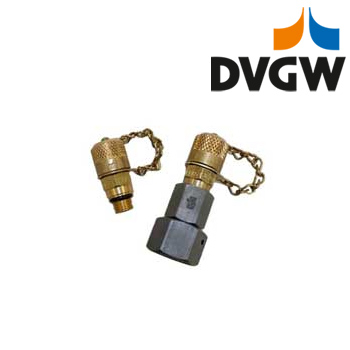
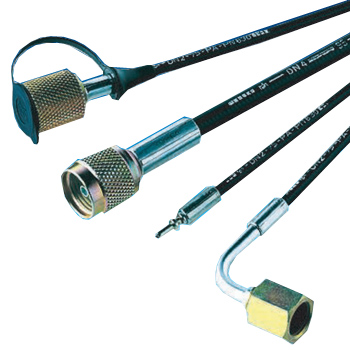
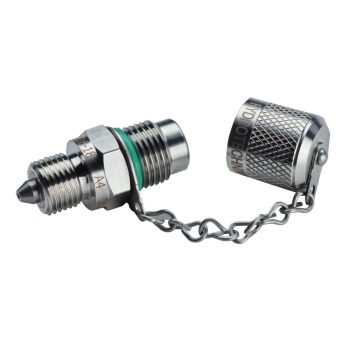



























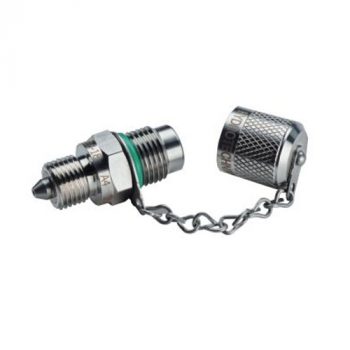
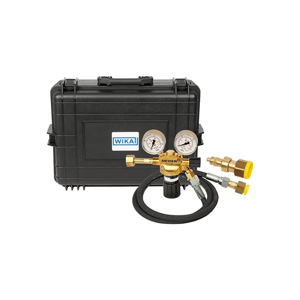
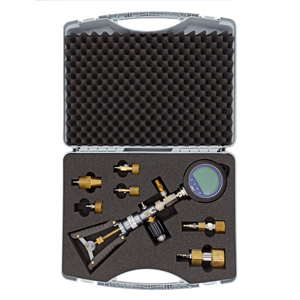
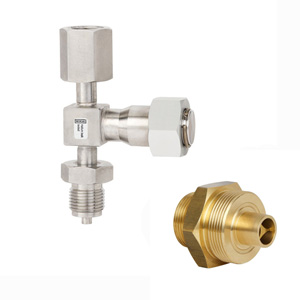



































- For thread:
- G 1/4 und M 12 x 1,5
- G 1/2 und M 20 x 1,5
- PN in bar: 1600, 400
- Material: Copper, NP 300, CrNi-Steel, PTFE
Datasheet
|
- Large selection of materials and sizes
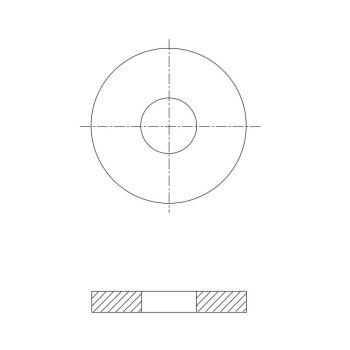
- Versions: Flat sealing ring per EN 837-1 (and similar), WIKA sealing ring and edge sealing ring
- For process connections with/without centring spigot
Datasheet
|
Flat Gaskets for Gauges – Reliable Sealing for Every Application
Flat gaskets ensure a dependable, service-friendly seal between mechanical/digital gauges, fittings (gauge cocks, valve manifolds) and the process connection. Depending on medium, temperature and pressure, we supply NBR, FKM (Viton®), EPDM, PTFE as well as fiber and graphite gaskets in common sizes for G 1/4, G 1/2 (BSPP), M20×1.5 and more—available as single items or kits.
ICS Schneider Messtechnik provides gaskets matched to your instruments and connection standards, including advice on material selection, service life and compliance (e.g., drinking water/FDA). On request: pre-assembled with gauge, cock, snubber or diaphragm seal.
FAQ on Flat Gaskets for Gauges
Selection, materials, sizes, installation and best practices for tight, long-lasting measuring points.
What are flat gaskets used for on gauges?
For face-to-face sealing of BSPP/ISO 228 connections between instruments and fittings—without thread sealants. They prevent leaks and simplify disassembly/service.
Which gasket materials exist and where do they fit best?
| Material | Temp. (typ.) | Media/Application | Notes |
|---|---|---|---|
| NBR | -20…+100 °C | Oils, air, water | All-round, cost-effective |
| FKM (Viton®) | -20…+200 °C | Oils, fuels, chemicals | Excellent media/temp resistance |
| EPDM | -40…+140 °C | Water/hot water, steam | Not suitable for mineral oils |
| PTFE | -200…+200 °C | Aggressive chemicals | Inert; watch for cold flow → tighten correctly |
| Fiber (AF/aramid) | -40…+200 °C | General industry | Good pressure/temp strength |
| Graphite (pure/laminated) | -200…+450 °C | High temp, steam | Very heat-resistant, good conformability |
What sizes/standards are common?
Standard IDs and face dimensions for G 1/4, G 1/2 (BSPP) and M20×1.5. A proper flat sealing face on the mating part is required.
How do I install a flat gasket correctly?
- Clean sealing faces; remove burrs/contamination.
- Insert a new gasket centrally (no folds/kinks).
- Join parts without stress and tighten evenly.
- After pressurizing, leak test and retighten if needed.
When should I choose PTFE instead of elastomers?
For aggressive media (acids/alkalis), higher temperatures and when chemical resistance is key. Note: PTFE shows cold flow—control torque and consider recheck.
Are flat gaskets suitable for NPT?
No. NPT is a self-sealing tapered thread and typically uses PTFE tape/paste. Flat gaskets are for parallel threads/flat faces (BSPP).
Which mistakes commonly cause leaks?
- Reusing damaged/aged gaskets.
- Dirty or rough sealing surfaces.
- Wrong material (media/temp incompatibility).
- Insufficient or excessive tightening torque.
How often should gaskets be replaced?
At each disassembly or when damage is visible. In critical applications, use a preventive replacement schedule (e.g., annually).
Are hygienic/compliant versions available?
Yes—materials with FDA/EC 1935/2004 compliance or white color for visual control in food/pharma. Documentation on request.
Tips for high temperatures/steam
Use graphite or suitable fiber materials; recheck periodically. For steam service, add a siphon/cooling element to protect the instrument.
Can ICS Schneider deliver pre-configured kits?
Yes—gasket kits matched to your gauge, cock, snubber, valve manifold, optionally pre-assembled incl. test report.
How do I choose the right material?
Base it on medium, temperature, pressure and required approvals. Our team supports you with a material matrix and field experience.
Impact of tightening torque?
Too low → leak; too high → set/damage to the gasket. Follow manufacturer guidance and use calibrated torque tools where appropriate.
Compatibility with diaphragm seals?
Yes—flat gaskets are standard between diaphragm seal/adapter and instrument/fitting. Select material and thickness suited to the application.
Can flat gaskets be reused?
Only to a limited extent (material/condition dependent). For process reliability, we recommend using a new gasket.
Supply options
- Individual gaskets in labeled bags.
- Kits/assortments for G 1/4 / G 1/2 / M20×1.5.
- Custom sizes/drawn parts on request.


Datasheet