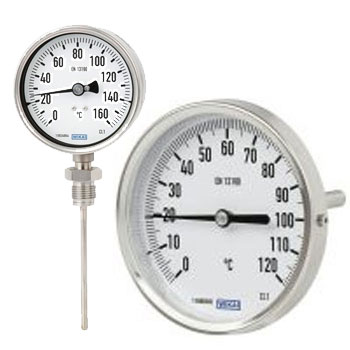
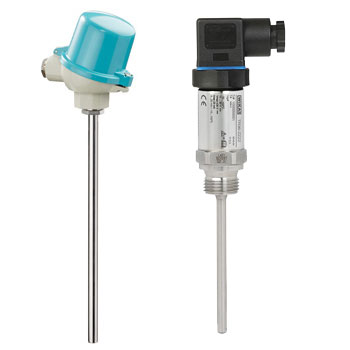
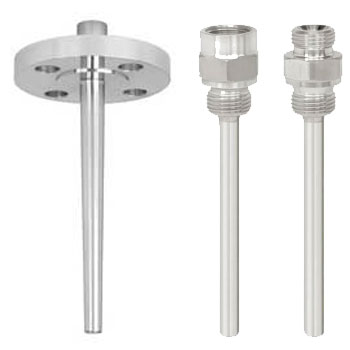
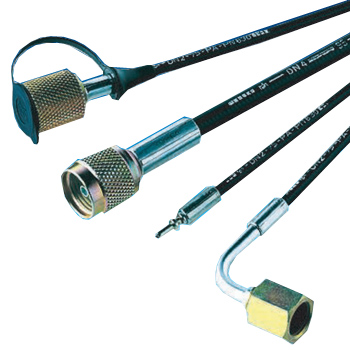
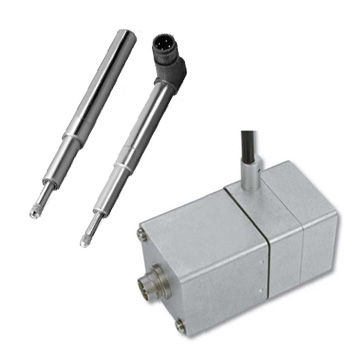
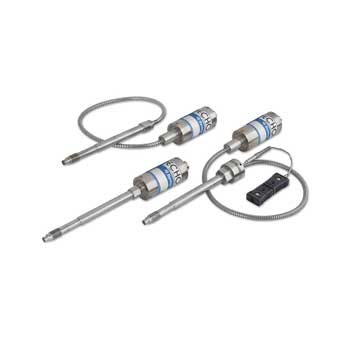
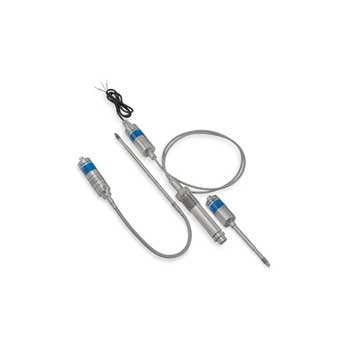
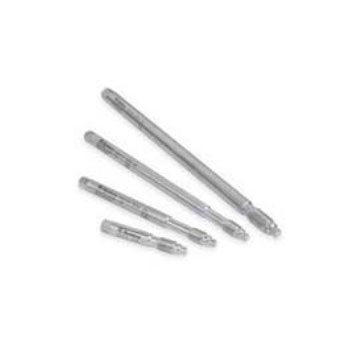
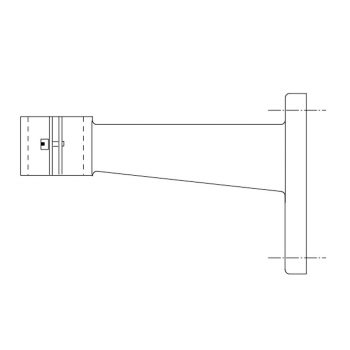
• Length in mm: 60, 100, 160
  • Material: Aluminium black, CrNi-Steel
Datasheet


Instrument Mounting Brackets – Secure Fixtures for Analog & Digital Gauges

Instrument mounting brackets provide stable, low-vibration installation for mechanical gauges, digital pressure gauges and accessories (siphon, snubber, valve manifold). Depending on the application, choose wall-, pipe-, panel- or cabinet-mount designs—made of zinc-plated steel or stainless steel 304/316(L), optionally with protective guards, vibration isolators and adjustable consoles.

ICS Schneider Messtechnik supplies brackets as single components or pre-assembled with gauge cock, snubber/overpressure protection and the instrument. The result is a tidy, service-friendly measuring point with a defined reading position and long service life.


FAQ on Instrument Mounting Brackets

Answers on selection, installation, material choice, vibration isolation and protective options.

Which bracket types are available?
TypeTypical useKey features
Wall bracketClose to pipeline/reading pointSimple, robust, short runs
Pipe bracket (Ø 1″–2″)Handrail/support pipeClamp/U-bolt, flexible positioning
Panel/front bracketOperator panel/front plateClean appearance, defined cutout
Cabinet bracketInside enclosureDIN rail/backplate, cable routing
Protective guardMechanical protectionBump/impact protection, clear window

Which material should I choose?
Zinc-plated steel for dry indoor areas; stainless steel 304/316(L) for outdoor, humid, hygienic or chemical environments. Select screws/washers with suitable corrosion resistance.

How do I size the bracket and hole pattern?

Match the case diameter (e.g., 63/100/160 mm), process connection (bottom/radial) and accessories (siphon, valve block). Follow the instrument datasheet hole pattern or standard U-bolt/hole strip layouts.

Does a bracket reduce vibration?

Yes—use vibration isolators (rubber mounts/elastomers) between bracket and base. Additionally, consider glycerin-filled gauges and a snubber to damp pressure pulsation.

How do I install a bracket correctly?

  1. Check load-bearing substrate and select suitable fasteners.
  2. Align bracket plumb/level, drill and tighten firmly.
  3. Pre-assemble accessories (gauge cock, siphon, snubber) and apply correct sealing concept.
  4. Align the instrument, verify visibility, label the measuring point.

Wall vs. pipe bracket—what should I pick?

Wall brackets fit solid nearby surfaces; pipe brackets offer flexible placement and spacing from heat sources/lines, and often reduce structure-borne noise.

Which protective options are useful?

  • Protective guard against impacts/transport damage.
  • Weather hood against rain/sun (UV).
  • Transparent covers for improved legibility and dirt protection.

Are there brackets for hygiene/EHEDG environments?

Yes—316L with smooth, easy-to-clean surfaces. Avoid dirt traps; prefer closed profiles and appropriate gaskets.

What is an ergonomic reading height?

For standing operators, aim for 1.5–1.7 m top-of-gauge. Plan for low glare and a 90° viewing angle to the scale.

Which standards apply?

Follow relevant DIN/EN mechanical fastening norms (bolt classes). Consider the Machinery Directive for visibility/operability. In Ex areas, ensure bonding/earthing and suitable materials.

Can I mount multiple instruments on one console?

Yes—e.g., pressure gauge + thermometer or pressure + differential pressure. Check load and center of gravity; use a wide base plate or dual bracket.

Common mistakes to avoid

  • Mounting on thin sheets → vibration issues.
  • No weather protection outdoors → faster aging.
  • Poor sightlines behind pipework → poor readability.

Does ICS Schneider provide pre-assembled sets?

Yes—e.g., wall/guard + gauge cock + siphon/snubber + gauge incl. gaskets. On request with EN 10204 3.1, leak/pressure tests and labeling.

Maintenance & inspection—how often?

At least annually: retighten fasteners, check for corrosion/UV damage, verify isolators’ elasticity, keep windows clear. After any impact, perform an immediate visual inspection.

Diese Website benutzt Cookies. Wenn du die Website weiter nutzt, gehen wir von deinem Einverständnis aus.