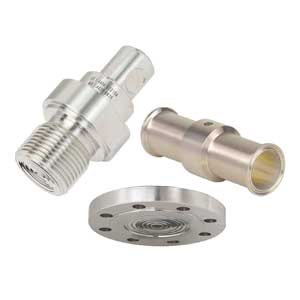
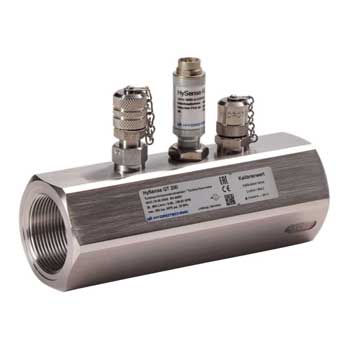
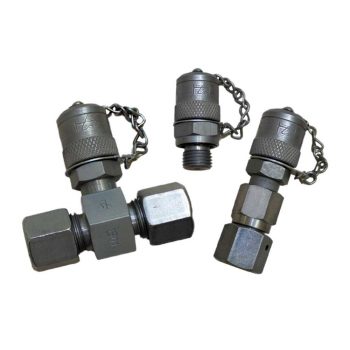
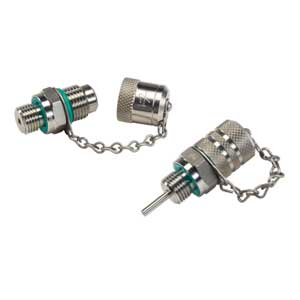
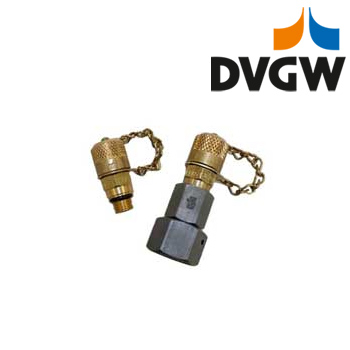
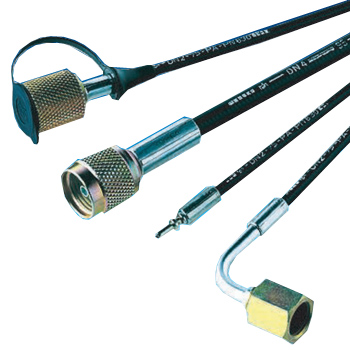
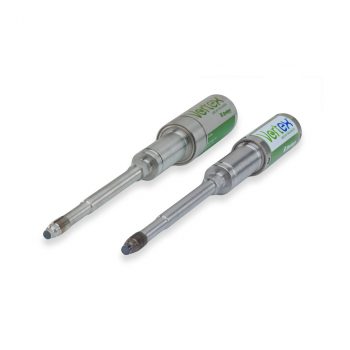
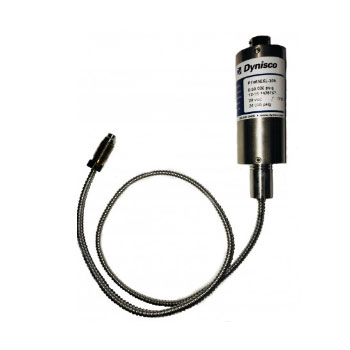
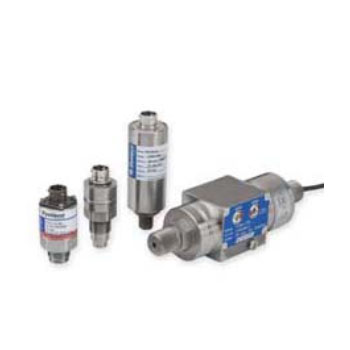
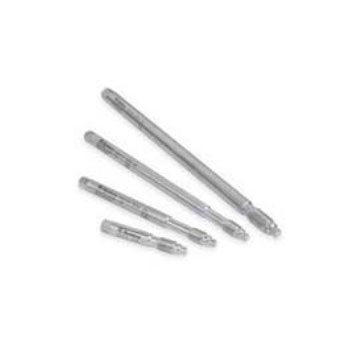
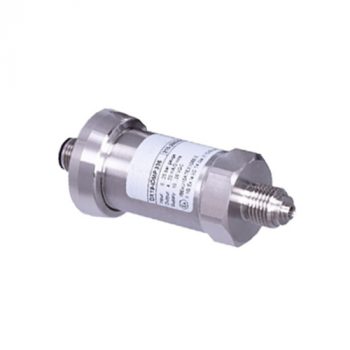
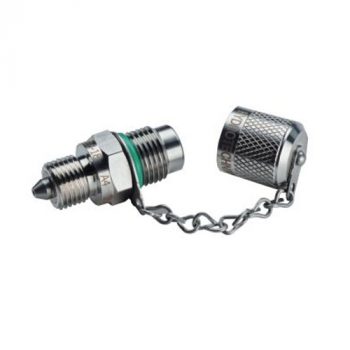
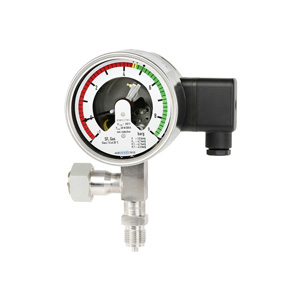
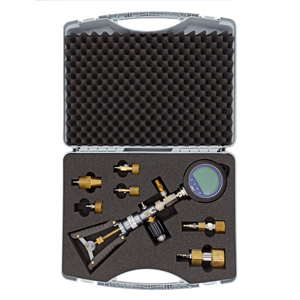
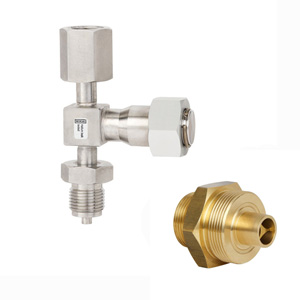
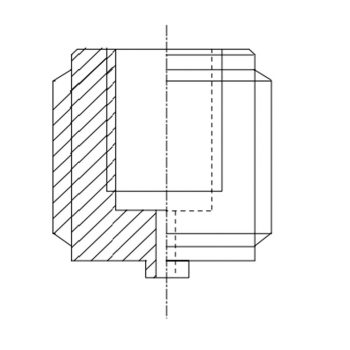
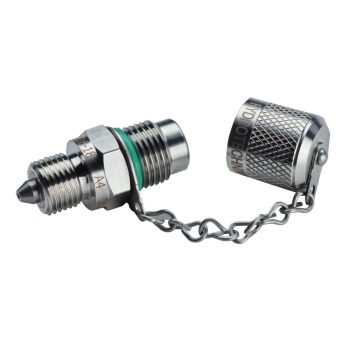
• Female G1/4
  • Male thread: G1/2
  • PN in bar: 400
  • Material: Brass, CrNi-Steel
Datasheet


Self-Sealing Nipple for Gauges – Fast, Reliable Connection Without Extra Sealant

Self-sealing nipples enable low-leakage installation of mechanical and digital pressure gauges without separate flat gaskets or PTFE tape. An integrated sealing edge/cone or tapered metal seat provides a dependable seal as the fitting is tightened—ideal for service work, test setups and tight spaces where quick alignment and repeated assembly are required.

Available in brass and stainless steel 316(L) with common process threads (e.g., G 1/4, G 1/2 BSPP, 1/4″ NPT, M20×1.5). Variants with O-ring (select by medium/temperature) as well as metallic sealing edges are offered.


FAQ on Self-Sealing Nipples for Gauges

Selection, sealing principle, thread standards, installation and typical use cases.

How does a self-sealing nipple work?

The integrated sealing geometry (e.g., tapered seat, sealing edge or O-ring) is compressed against the mating surface when tightening. This creates a form-/force-fitted seal without additional sealing materials.

What are the key benefits?

  • Fast installation without PTFE tape or separate flat gaskets.
  • Repeatable for service and instrument changes.
  • Clean sealing—less risk from misapplied gasket materials.

Which thread standards are available?

ThreadStandardSealing conceptNote
G 1/4, G 1/2 (BSPP)ISO 228 (parallel)Form seal (cone/edge) or O-ringRequires flat/taper seat on mating part
1/4″ NPTASME B1.20.1 (taper)Taper seals in the threadUsually no extra sealant; observe torque
M20×1.5ISO metricMetal seat or O-ringCheck seat geometry and depth

What materials and seal types are offered?
Brass for neutral media; 316(L) for corrosive media, outdoor or hygienic areas. O-rings by medium/temperature: NBR (general), FKM (oils/chemicals/temp), EPDM (water/hot water), FFKM/PTFE for highly aggressive applications.

How do I install a self-sealing nipple correctly?
  1. Verify thread standard and seat geometry (flat/taper) of the mating part.
  2. Clean sealing faces; check O-ring condition (if present).
  3. Start by hand, align without stress, then tighten to the datasheet torque.
  4. Perform a leak test (e.g., soap solution/pressure test).

Can I freely orient the gauge?
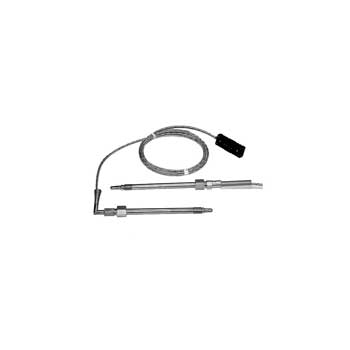
Yes—many self-sealing nipples allow a defined final position. For maximum freedom, you can also use a loose union in addition.

Do I need additional sealant?

Generally no. The integrated sealing principle is sufficient. Only in special cases (damaged seats, etc.) might supplemental sealant be required.

What about pressure and temperature limits?

They depend on material and sealing system. Follow the datasheet. For strong pulsation/shock, consider adding a snubber.

Typical pitfalls and fixes

  • Wrong seat type on the mating part → no proper seal.
  • Damaged sealing edge/O-ring → replace component.
  • Over-torque → seat damage; respect torque limits.

Compatible with diaphragm seals/cooling elements?

Yes. Typical order: Process → gauge cock → snubber → cooling element/siphon → self-sealing nipple → gauge.

Does ICS Schneider supply pre-assembled sets?

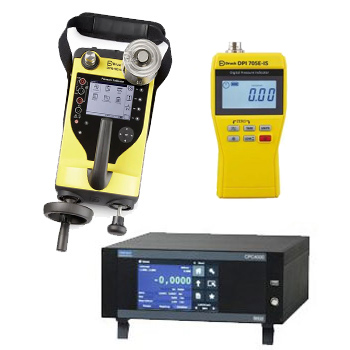
On request we deliver complete measuring points incl. self-sealing nipple, gauge, shut-off valves and test documentation (EN 10204 3.1/leak test).

Diese Website benutzt Cookies. Wenn du die Website weiter nutzt, gehen wir von deinem Einverständnis aus.