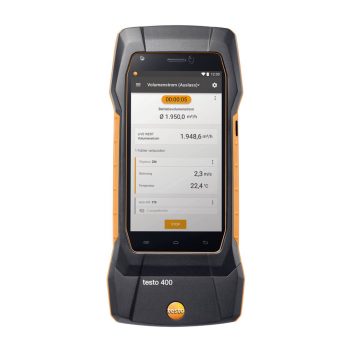





















• Built-in differential pressure sensor – enables Pitot tube and filter measurements without additional equipment
  • Wireless flexibility – using Bluetooth® probes for hassle-free measurements up to 20 m away.
  • Intuitive operation – with structured menus for volume flow, comfort level, and long-term monitoring.
  • Versatile probe compatibility – with simultaneous support for Bluetooth, cable, and thermocouple probes
  • USB data export – for easy reporting and analysis of up to 7500 stored measurements.
Datasheet
User Manual

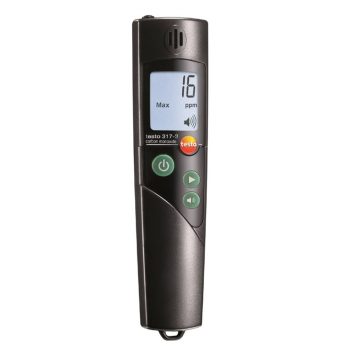
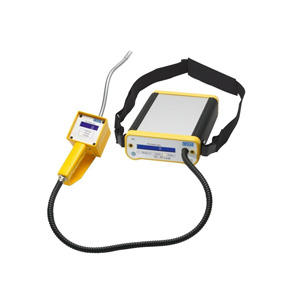
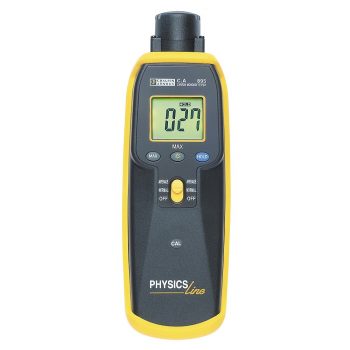
In a compact casing protected by a shockproof sheath, the Physics Line C.A 895 CO-gas detector detects and measures carbon monoxide. 2 measurement modes: “normal” for detection of a source of CO “average” for precise measurement

  • Measurement range: 0 to 1,000 ppm
  • Accuracy:  ± (5 % of reading + 5 ppm)
  • “Beeper” indicating the hazard level (same principle as a Geiger counter)
  • Storage of maximum value
  • Hold function
  • Dimensions: 237 x 60.5 x 38 mm
  • Weight: 190 g
Datasheet
User Manual

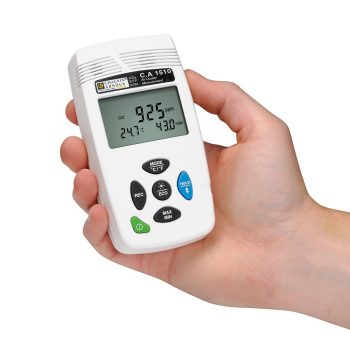
  • CO2: 0to 5,000 ppm
  • Accuracy: ± (50 ppm + 3% of thevalue measured)
  • Temperature: -10 °C to +60 °C
  • Accuracy: ± 0.5 °C
  • Humidity: 5 to 95 %RH
  • Accuracy: ± 2%RH
  • Monitoring mode with indication of the level of CO2 and alert if the threshold is exceeded
  • Threshold values configurable by the user (e.g. 800 ppm)
  • Recording: 1 million valuesstored on the product in the form of several measurement campaigns
  • USB interface (productrecognized as a USB key) or Bluetooth for wireless use
  • Software suppliedas standard and 1510 application available with Android
  • Locking of the instrumentpossible during recording (display & keyboard)
  • Numerous mounting possibilities(magnetized product, wall support, wall support with padlock insert, desktopstand or suspended).
Datasheet
User Manual

  • Hochpräziser, elektrochemischer CO-Sensor, schockresistenter Infrarot-CO2-Sensor
  • Optischer und akustischer Alarm bei Grenzwertüberschreitung – Grenzwerte frei definierbar
  • Robuste Ausführung
  • TÜV-geprüft gemäß DIN EN 50543
Datasheet
User Manual

  • A measuring instrument for all climate-related parameters
  • Smart, intuitive measurement programs including HVAC grid measurement as per EN ISO 12599 and ASHRAE 111, PMV/PPD and turbulence as per EN ISO 7730 and ASHRAE 55
  • High-precision, location-independent and integrated differential pressure sensor
  • Extendible with a wide range of probes
  • Analytical software for creating professional reports and measurement data management
  • Digital probes eliminate any additional measurement uncertainty of the measuring instrument
Datasheet
User Manual

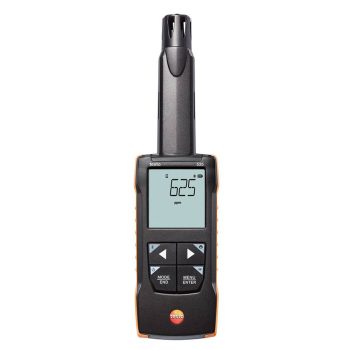
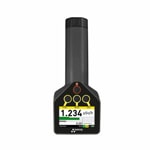
  • Simple, fast and precise measurement of CO₂ concentration
  • Audible alarm sounds if a limit value is exceeded
  • Fast in-app configuration, graph history, second screen and measurement data memory in the testo Smart App
  • High reproducibility of measurement results due to long-term stable infrared sensor technology
Datasheet
User Manual

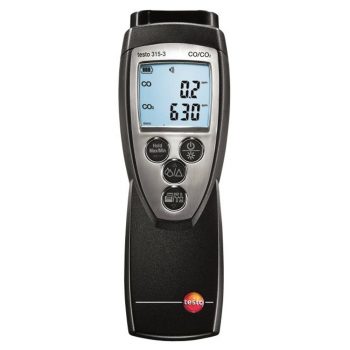
  • Ready to go: no zero phase
  • Alarm with adjustable thresholds
  • Carry case with belt clip and handstrap
  • 3-year CO sensor warranty
Datasheet
User Manual

  • A measuring instrument for all climate-related parameters
  • Extendible with a wide range of probes
  • Wireless measurement with Bluetooth probes
  • USB interface for exporting measurement reports as CSV files
  • Intuitive measurement menus
  • Graphic display with parallel display of 3 readings
Datenblatt
Bedienungsanleitung


CO₂ and CO Measuring Instruments / Gas Detectors for CO₂ and CO

CO₂ and CO measuring instruments are used to determine the concentration of carbon dioxide (CO₂) and carbon monoxide (CO) in ambient air. They are essential for monitoring indoor air quality, ensuring safety around combustion systems, and assessing gas exposure. Modern devices use distinct sensor principles—typically NDIR (nondispersive infrared) for CO₂ and electrochemical cells for CO—and offer features such as concentration display, adjustable alarms, data logging, and optional measurements of temperature or humidity.

What does a CO₂ / CO measuring device detect?

A CO₂ meter measures the carbon dioxide concentration in parts per million (ppm). A CO detector measures carbon monoxide concentration, also usually in ppm, and warns if hazardous levels are reached. Some combined devices also record temperature or humidity for a comprehensive assessment of indoor air quality.

How does CO₂ measurement using NDIR technology work?

NDIR sensors emit infrared light through a measurement chamber. CO₂ molecules absorb specific infrared wavelengths, causing a measurable reduction in light intensity. This intensity change is evaluated and converted into CO₂ concentration. The method provides stable, long-term measurements with limited drift.

How does CO measurement work?

CO sensors typically operate using electrochemical cells. When CO enters the sensor, a chemical reaction generates a small electrical current proportional to the CO concentration. This enables reliable detection of very low CO levels.

Why are CO₂ and CO measuring devices important?

CO₂ meters help assess ventilation effectiveness, detect increased occupancy levels, and maintain good indoor air quality. Elevated CO₂ can impair concentration and comfort. CO detectors are crucial for safety because CO is a toxic, odorless and colorless gas. Early detection ensures timely warning before dangerous exposure occurs.

Which types of devices are available?

Available types include portable handheld instruments for temporary use and permanently installed sensors for continuous monitoring. There are single-gas devices (CO₂ only or CO only) as well as multi-parameter instruments offering additional values such as humidity or temperature. Professional models may include alarms, interfaces or integration into building automation.

When do CO₂ values become critical?

Moderate increases in CO₂ can already impact well-being and performance. Higher levels indicate insufficient ventilation and can lead to fatigue or impaired concentration. CO₂ meters help determine optimal ventilation intervals in indoor spaces.

When do CO values become dangerous?

CO becomes hazardous even at low concentrations. Elevated levels may cause symptoms ranging from headaches to life-threatening poisoning. CO detectors are designed to trigger alarms before concentrations reach dangerous levels.

Which additional features are useful?

Useful features include audio/visual alarms, data logging, adjustable thresholds, integrated temperature and humidity measurement, USB or network interfaces, and compatibility with building management systems. These functions increase effectiveness particularly in commercial and public facilities.

What are typical error sources or limitations?

CO₂ NDIR sensors can be affected by temperature or humidity shifts if not properly compensated. Regular calibration ensures stable accuracy. CO electrochemical sensors age over time and must be recalibrated or replaced according to the manufacturer’s specifications to maintain reliability.

Where are CO₂ and CO instruments commonly used?

They are used in offices, classrooms, meeting rooms, residential buildings, workshops, HVAC areas, heating rooms and industrial spaces. CO₂/CO combination units are especially common for monitoring indoor air quality in schools, public facilities and workplaces.

How important are calibration and maintenance?

Regular calibration and function checks are essential to ensure measurement accuracy and to compensate for sensor drift or aging. In safety-critical or regulated applications, documented calibration is mandatory.

Diese Website benutzt Cookies. Wenn du die Website weiter nutzt, gehen wir von deinem Einverständnis aus.