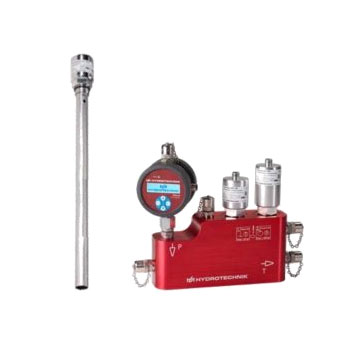
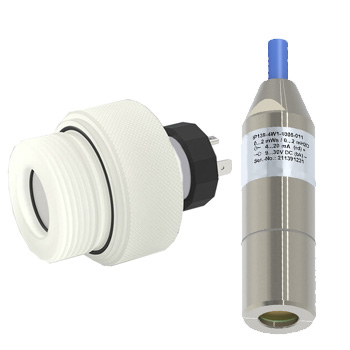
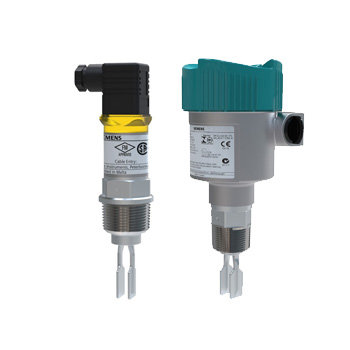
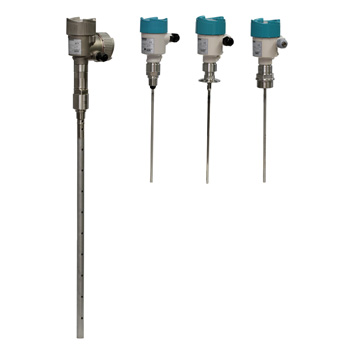
H₂ Hydrogen Solutions

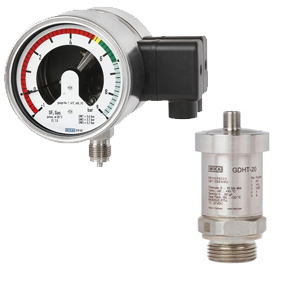
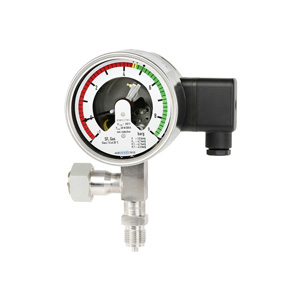
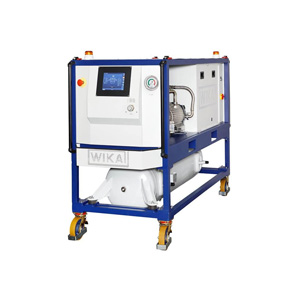
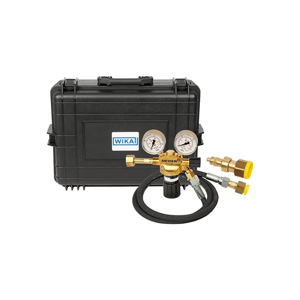
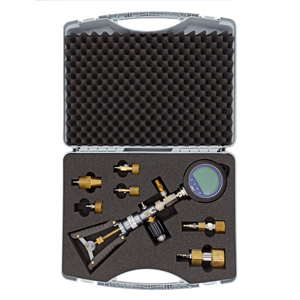
H₂ hydrogen solutions comprise devices and systems for safe generation, analysis, monitoring, handling, and storage of hydrogen in industrial environments. Because hydrogen exhibits particular physical and chemical properties — such as very low molecular size, high diffusion rate, potential material embrittlement and explosion risk — specially designed sensors, gas conditioning components, coolers, pumps and measurement devices are required. The solutions cover the entire hydrogen lifecycle: from production via quality assurance and gas conditioning to monitoring and safety components.

FAQ

What is meant by “H₂ hydrogen solutions”?

This term refers to all technologies and components necessary for the safe production, conditioning, analysis, handling and storage of hydrogen — including gas analytics, material selection, gas treatment, sensors and safety technology.

Why are special solutions required for hydrogen?

Hydrogen is the smallest and lightest molecule — it diffuses rapidly and can permeate or embrittle materials. Moreover, H₂ is highly flammable and can form explosive mixtures with air. Therefore, materials, seals, sensors and safety systems must be specifically designed for hydrogen. :contentReference[oaicite:10]{index=10}

What technical challenges arise when using H₂?

Challenges include hydrogen permeation and diffusion through metal, possible hydrogen-induced embrittlement, need for very tight and suitable materials (e.g. austenitic steel or special alloys), and requirements for pressure, temperature, tightness and safety in storage and transport. :contentReference[oaicite:11]{index=11} Also, process gas analysis must be adjusted for H₂, since typical sensor principles only deliver correct results if the background gas environment is known. :contentReference[oaicite:12]{index=12}

Which components typically belong to H₂ solutions?

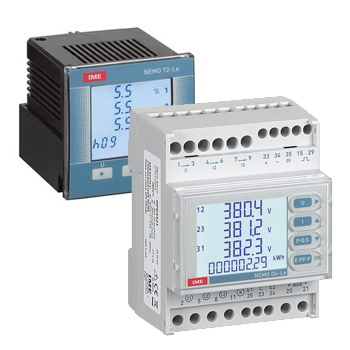
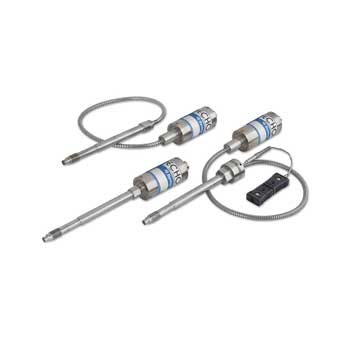
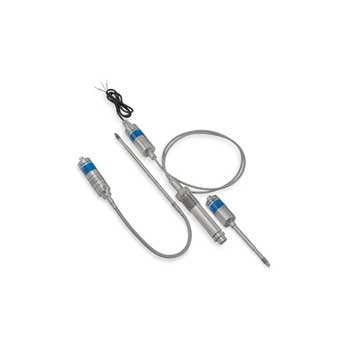
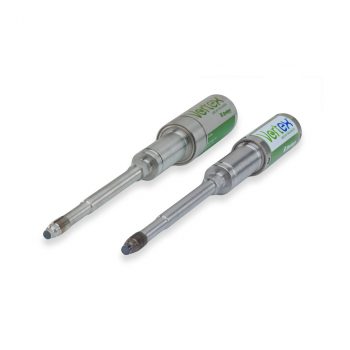
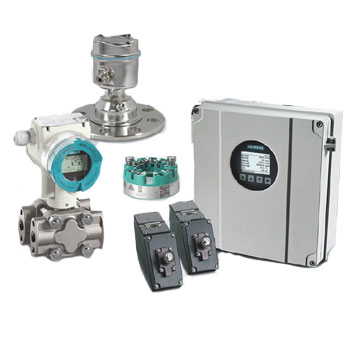
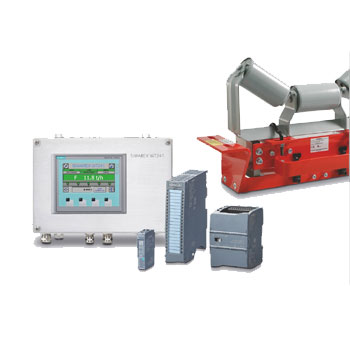
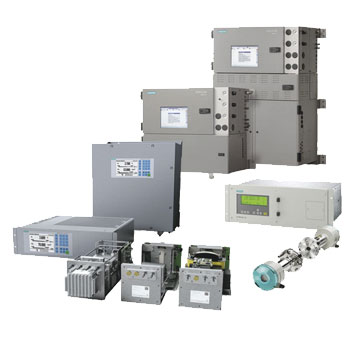
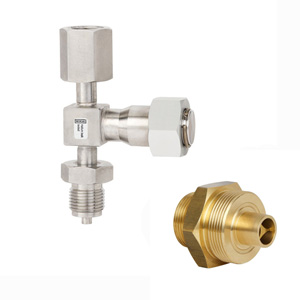
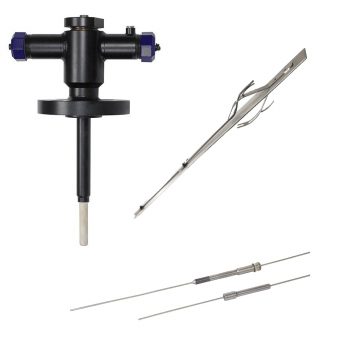
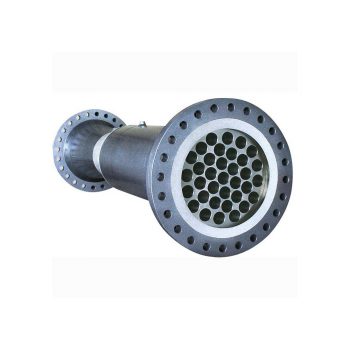
Typical components include hydrogen-resistant and tight materials and piping, gas conditioning units, sampling systems, gas coolers and heat exchangers specifically for H₂/O₂, sample gas pumps, specialized gas analyzers and sensors, and safety devices such as leak detectors and explosion protection. :contentReference[oaicite:13]{index=13}

How can hydrogen be analyzed safely?

For gas analysis, thermal conductivity detectors (TCD) can be used — ideal when the background gas atmosphere is known. When gas mixtures change, optical or advanced sensor principles are necessary to reliably measure H₂ concentrations. :contentReference[oaicite:14]{index=14}

What requirements apply to the gas quality for industrial H₂?

Depending on the application, very high purity levels may be required — e.g. for sensitive processes or fuel cells. This involves removing oxygen, moisture, sulfur compounds or other impurities thoroughly. :contentReference[oaicite:15]{index=15}

How are material problems like hydrogen permeation or embrittlement addressed?

By selecting appropriate materials (e.g. austenitic steels or special alloys), by using special coatings or sealing systems and by monitoring material integrity. All components such as pipes, seals and devices must be hydrogen-compatible. :contentReference[oaicite:16]{index=16}

What role does gas conditioning play?
Gas conditioning ensures that hydrogen is provided in the required purity — e.g. via drying, removing contaminants, residual oxygen or sulfur compounds. That way the gas meets the quality needed for further use or storage. :contentReference[oaicite:17]{index=17}

How is monitoring and safety implemented in H₂ applications?

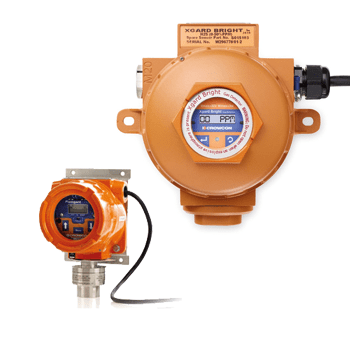
Through specialized sensors and gas detectors that detect H₂ in the process or in ambient air. In case of leaks or rising hydrogen concentration, alarm and shutdown systems are triggered to avoid explosion risks. :contentReference[oaicite:18]{index=18}

In which industrial sectors are H₂ solutions used?

H₂ solutions are used in refineries, chemical industry, hydrogen production by electrolysis, storage and distribution, energy supply, environmental engineering, process industry, gas conditioning and in all applications requiring high hydrogen purity and safe handling. :contentReference[oaicite:19]{index=19}

What are the advantages of modular H₂ systems?

Modular systems allow flexible combination of gas conditioning, analysis, safety and control. They simplify adaptation to varying requirements, ease maintenance and component replacement, and enable stepwise expansion. They also make it easier to adapt to changing gas qualities or different use cases.

Diese Website benutzt Cookies. Wenn du die Website weiter nutzt, gehen wir von deinem Einverständnis aus.