


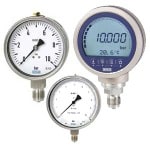
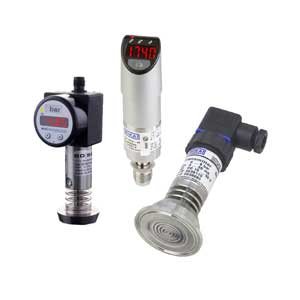
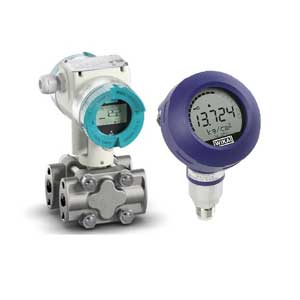
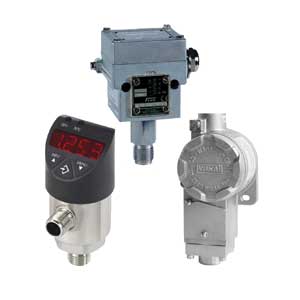





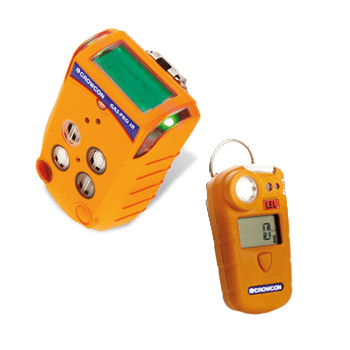
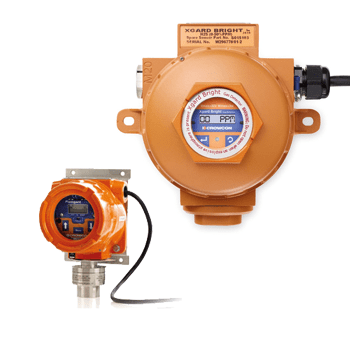
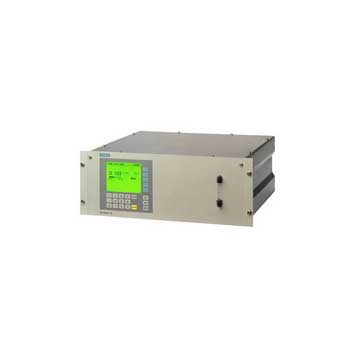
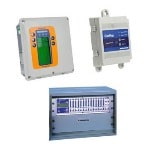
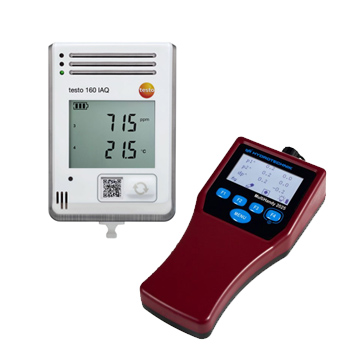
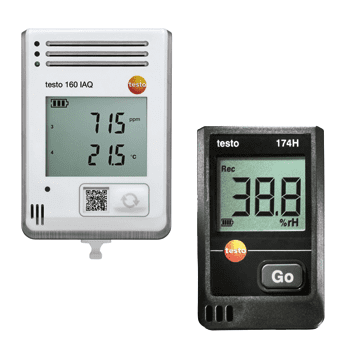
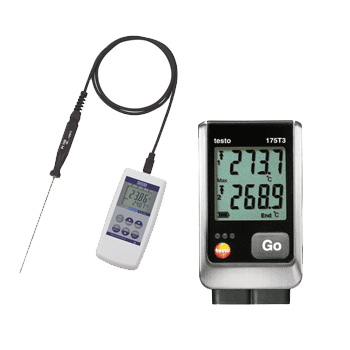
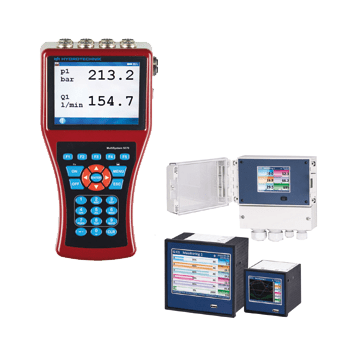
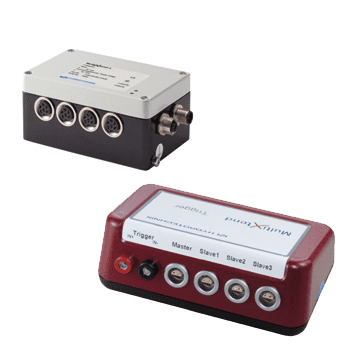
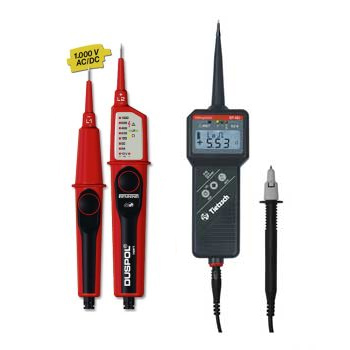
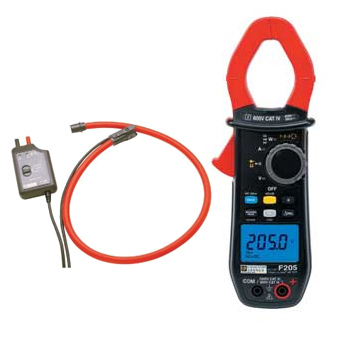
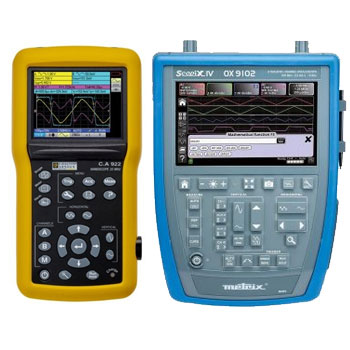
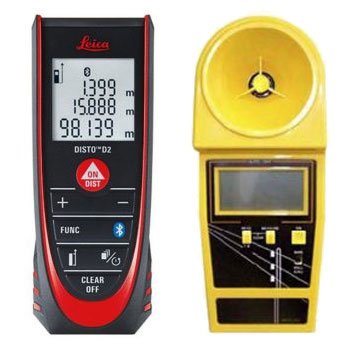
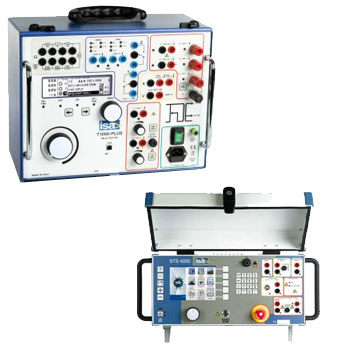
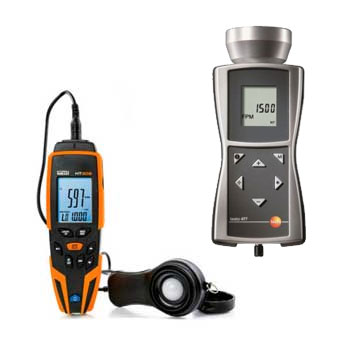


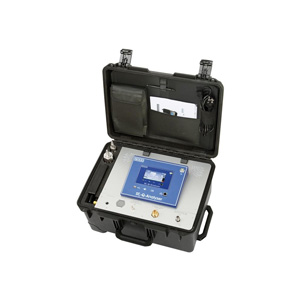
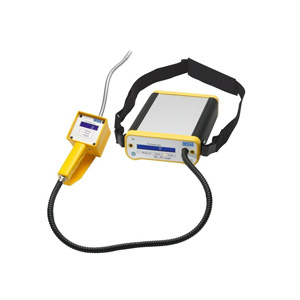
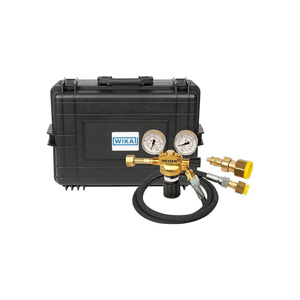
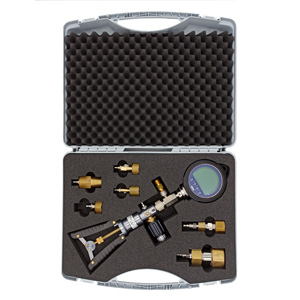
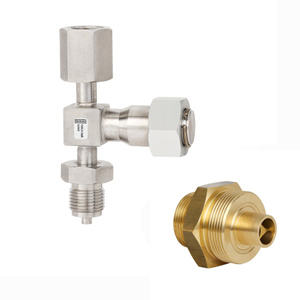
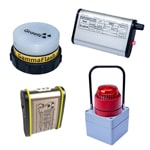
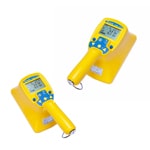
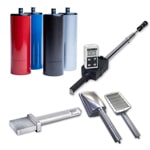
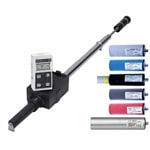
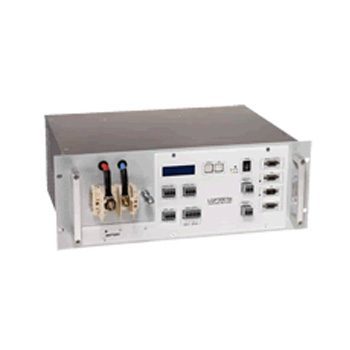
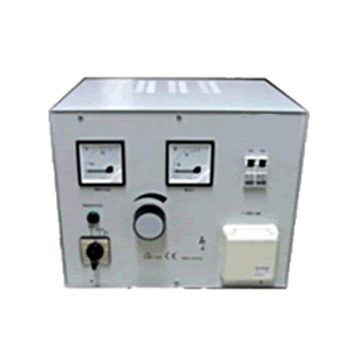

















Special Instruments for Radiation Measurement Technology
Radiation measurement technology includes devices and systems for measuring, monitoring and evaluating ionizing or non-ionizing radiation. These instruments detect, quantify and document radiation levels — for safety, monitoring and compliance with legal or normative limits.
Questions & Answers on Radiation Measurement Technology
What is meant by radiation measurement technology?
Radiation measurement technology refers to methods and devices that detect and measure radiation — ionizing or non-ionizing. The goal is to determine parameters such as dose rate, intensity, frequency, wavelength or other relevant values to assess safety and health risks.
In which applications is radiation measurement used?
It is used in fields such as environmental monitoring, medicine, research, occupational safety, industrial facilities, and building safety — wherever radiation occurs or must be controlled. It is especially used to monitor and document radiation levels against regulatory limits.
Which types of instruments are available in radiation measurement technology?
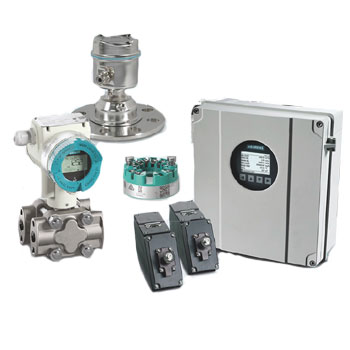
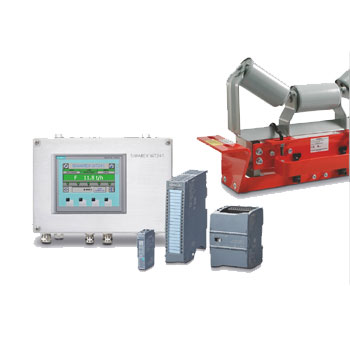
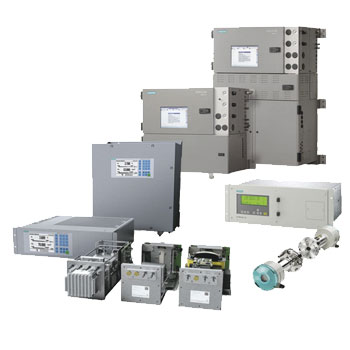
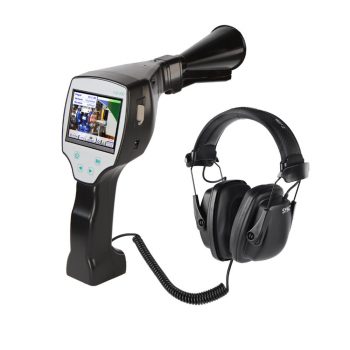
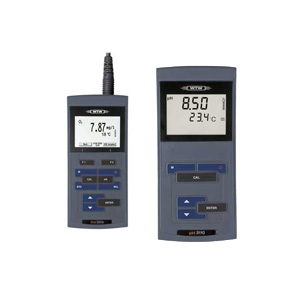
Instruments range from simple Geiger counters or dosimeters to spectrometers and contamination detectors, as well as stationary monitoring systems and specialized sensors for different radiation types (alpha, beta, gamma, X-ray, UV, electromagnetic etc.).
Which measurement quantities can radiation measurement devices record?
Depending on the instrument, dose rate, total dose, radiation intensity, spectral distribution, contamination level or particle count can be measured. Some devices allow temporal and spatial resolution or time-dependent measurement series.
What should be considered when selecting a measuring instrument?
Important criteria are the type of radiation to be measured (e.g. gamma, UV, electromagnetic), the required measurement range or sensitivity, accuracy, calibratability, documentation capabilities, and robustness of the instrument. Also handling, portability and suitability for the environment and application conditions matter.
How is a measurement typically carried out?
The measurement is performed by placing the sensor or detector in the radiation field — either as spot measurement, continuous monitoring or spatial scanning. Then measurement values are read out, documented and, if needed, analyzed for limit violations, trends or anomalies.
Which regulations and standards apply to radiation measurements?
Depending on the application, national and international radiation protection and safety regulations apply. Measuring devices should be calibrated and regularly inspected. Documentation of measurement results, operation logs and protective measures are standard to ensure compliance.
Who is authorized to carry out radiation measurements?
Measurements should be done by trained and qualified personnel familiar with radiation hazards and the use of measuring devices. Especially with ionizing radiation, knowledge in radiation protection and corresponding training is required.
How often should measurement devices be checked or calibrated?
Inspection and calibration intervals depend on the application, frequency of use and applicable regulations. For critical measurements, regular calibration and functional checks are essential — usually annually or upon suspicion of deviation.
What documentation and records are needed after measurements?
After each measurement, results, measuring device, calibration status, location, date and responsible person should be documented. If limits are exceeded, a report and possible follow-up must be made. This ensures transparency and traceability.