


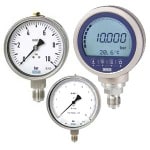
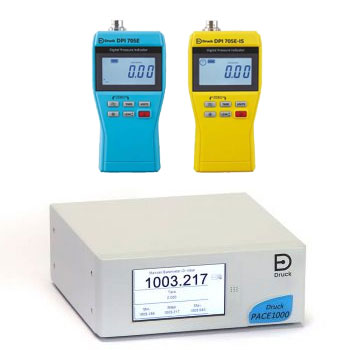





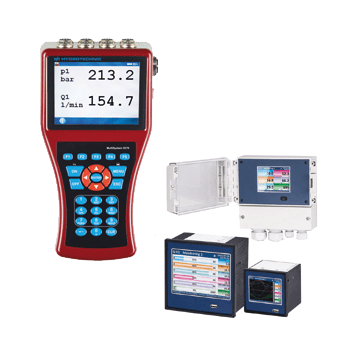
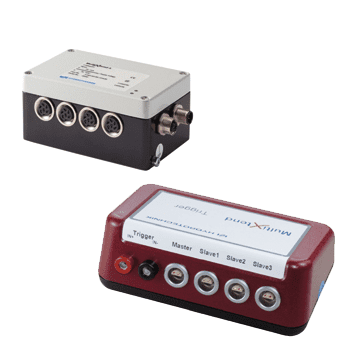
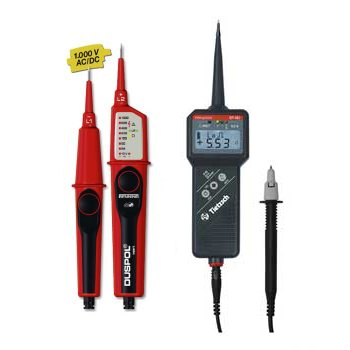
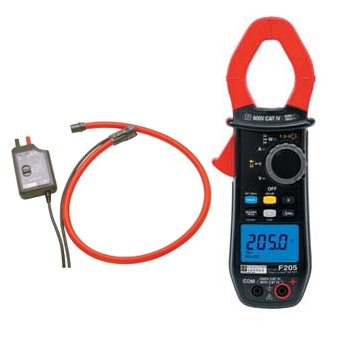


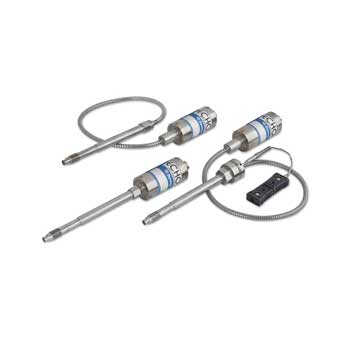
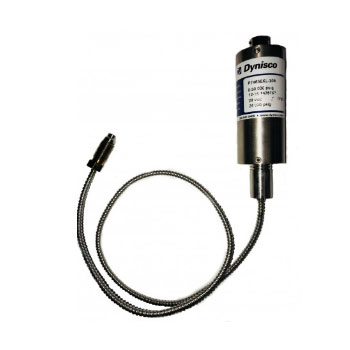
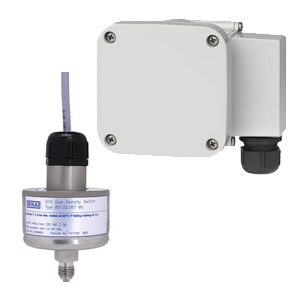
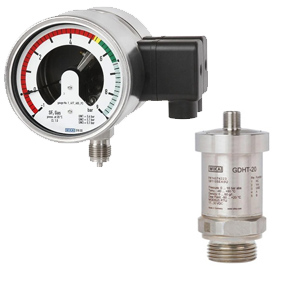
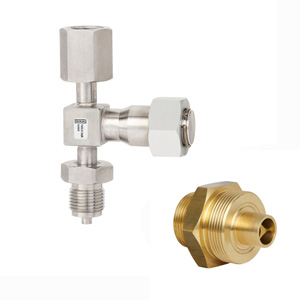
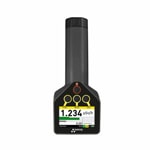
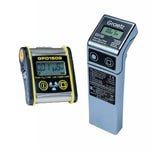






















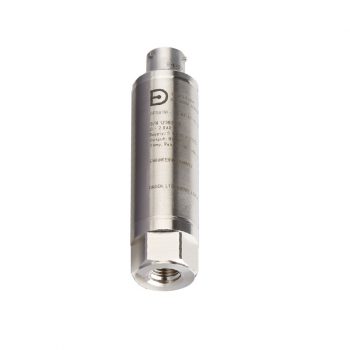
- High precision, ±0.01% FS over the compensated temperature range
- High long-term stability, ±100 ppm FS/year
- Wide temperature range from -55 °C to +125 °C (-40 to 257 °F)
- Media-isolated construction, suitable for use in harsh environments
- Suitable for use in hydrogen-rich media
- Multiple output configurations: RS-232, RS-485, USB 2.0, CANbus, frequency and diode output (TTL)
- Wide selection of pressure and electrical connections to meet specific requirements
 Datasheet Datasheet |

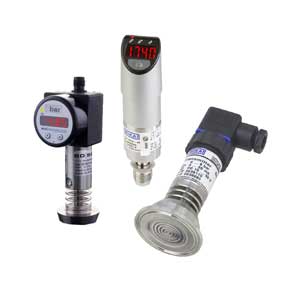
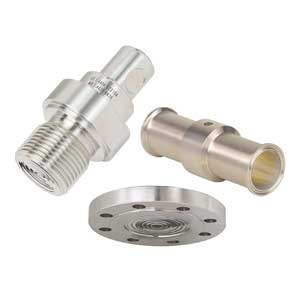
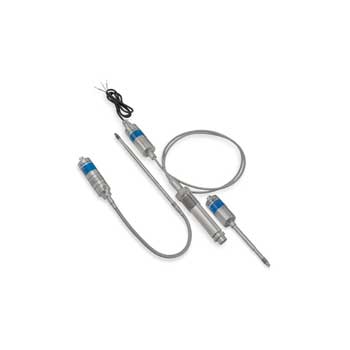
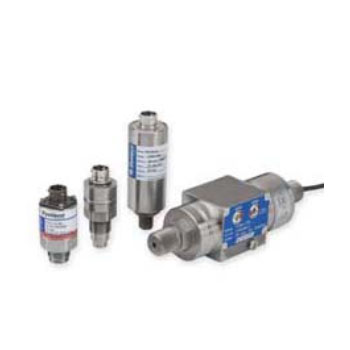
- Ranges from 700 mbar (10.2 psi) to 700 bar (10000 psi)
- Accuracy to ±0.04% Full Scale (FS) Best Straight Line (BSL)
- Stainless steel construction
- Hydrogen compatible wetted materials
- Frequency response to 3.5 kHz
- High over pressure capability
- Hazardous area certifications
- mV, mA, voltage and configurable voltage outputs
- Multiple electrical and pressure connector options
- Operating temperature ranges from –55 to +125°C (-67 to +257°F)
- Meets the requirements of EC134 compliant systems
| Datasheet |

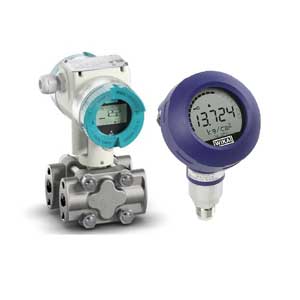
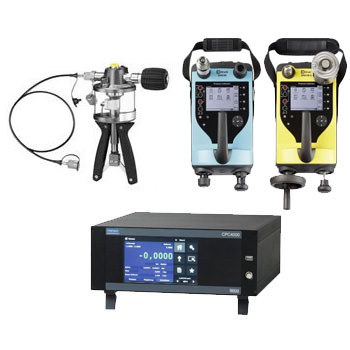
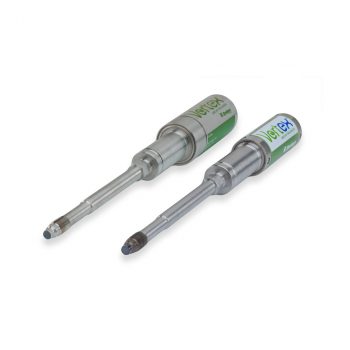
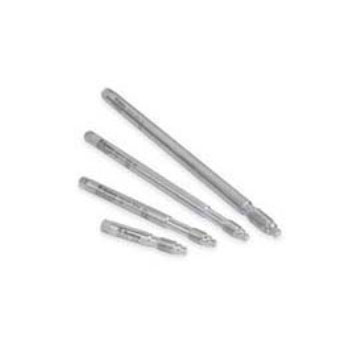
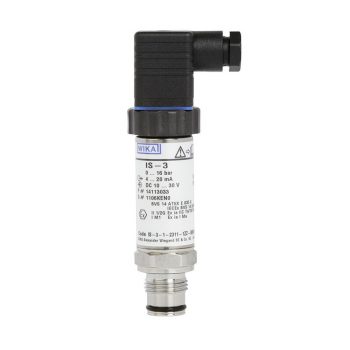
- nominal pressure: 0 ... 16 up to 0 .... 1000 bar
- accuracy: 0,5 % FSO
- wetted parts in special stainless-steel
- insensitive to pressure peaks
- high overpressure capability
- oil and grease free according to ISO 15001 (e.g. for oxygen applications)

 Datasheet Datasheet |
| User Manual |
| Mounting Manual |
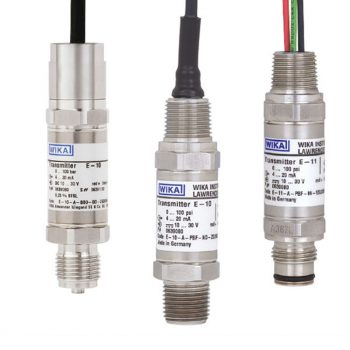
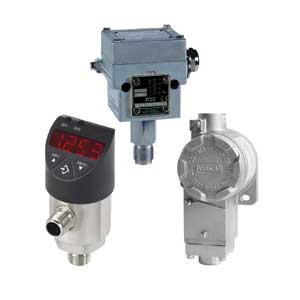
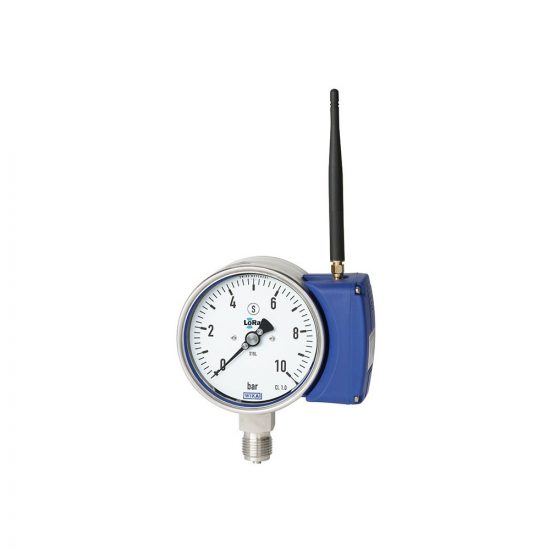
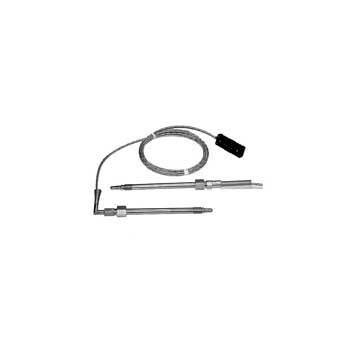
- CSA and FM approved as “explosionproof” for class I, div. 1 hazardous areas
- ATEX approved as “flameproof enclosure” for II 2 G Ex d II C
- Current or voltage output
- Designed for harsh ambient conditions
- Low-power version available as an option
| Datasheet |
| User Manual |

H₂ Hydrogen — Pressure Sensors
Pressure sensors for hydrogen are specialized instruments engineered to withstand the unique physical and chemical properties of H₂. Because hydrogen is the smallest molecule, it diffuses rapidly, permeates many materials and can cause hydrogen-induced embrittlement. These effects can compromise standard pressure sensors. Hydrogen-compatible pressure sensors therefore use dedicated materials, welded designs, specialized membranes and sealing technologies to ensure reliable, accurate and long-term stable pressure measurement — even at high pressures and in safety-critical environments.
FAQ
Why are special pressure sensors required for hydrogen?
Hydrogen diffuses through many metals and sealing materials and can cause embrittlement or leaks. Standard sensors may show drift or failure under H₂ exposure. Hydrogen-specific designs use materials and membranes that prevent permeation and ensure stable measurement performance.
Where are hydrogen pressure sensors typically used?
Typical applications include hydrogen storage systems, refuelling stations, electrolyzers, fuel-cell systems, high-pressure test benches, distribution pipelines and industrial processes that require accurate and safe H₂ pressure monitoring.
What pressure ranges do hydrogen-compatible sensors usually cover?
Depending on the application, sensors may cover ranges from low pressure up to several hundred bar or even beyond 700 bar for high-pressure storage and refuelling systems.
Which technical requirements must hydrogen pressure sensors meet?
Key requirements include hydrogen-resistant materials, fully welded sensor housings, permeation-resistant membranes, high long-term stability, minimal signal drift, and — depending on the installation area — compliance with explosion protection and pressure equipment standards.
What does long-term stability mean in hydrogen applications?
Long-term stability refers to the ability of a sensor to maintain accuracy and calibration over extended periods without significant drift caused by hydrogen permeation or material degradation. This is essential in continuous and safety-critical systems.
Which measurement principles are commonly used?
Hydrogen pressure sensors often use piezoresistive, thin-film or MEMS-based measurement elements. Wetted parts are typically made of stainless steel or special alloys. Membranes may include protective coatings to reduce hydrogen diffusion.
What risks exist when using non-hydrogen-compatible sensors?
Non-suitable sensors may suffer from leaks, membrane damage, drift, accelerated fatigue or complete failure due to hydrogen-induced embrittlement and permeation. In high-pressure systems this can create significant safety risks.
Why are material and membrane selection so critical?
Hydrogen atoms can migrate into metals, weaken their structure and alter their mechanical properties. Only specific alloys, membranes and sealing materials maintain structural integrity and measurement accuracy during prolonged H₂ exposure.
How can hydrogen-related signal drift be minimized?
This is achieved through permeation-resistant membrane materials, welded stainless-steel constructions, optimized sealing systems and high-quality sensor elements. Regular calibration intervals can further reduce drift-related errors.
Do hydrogen pressure sensors require frequent calibration?
Calibration frequency depends on process conditions, pressure cycles and safety requirements. While high-quality sensors offer very good long-term stability, periodic functional checks and zero/span verifications are recommended.
What environmental conditions must hydrogen sensors withstand?
Sensors must tolerate a wide temperature range, high-pressure cycling, dynamic load changes, vibration, and full media compatibility with pure hydrogen or hydrogen-rich mixtures. Robust, welded designs ensure long-term leak-tightness.
When is it necessary to use a certified hydrogen pressure sensor?
A certified H₂ sensor is essential in any application where hydrogen is stored, compressed, transported or used in high-pressure or safety-critical systems. Certification ensures compliance with material, safety and performance standards.