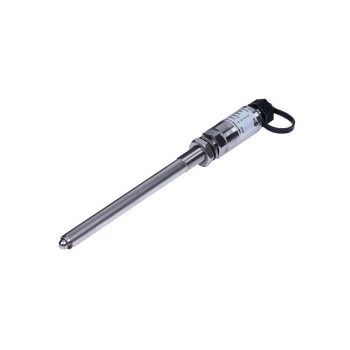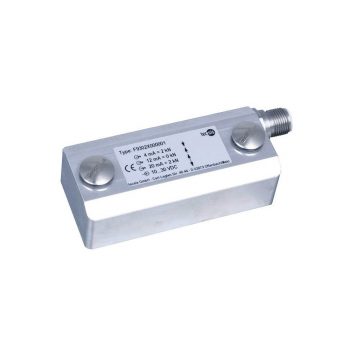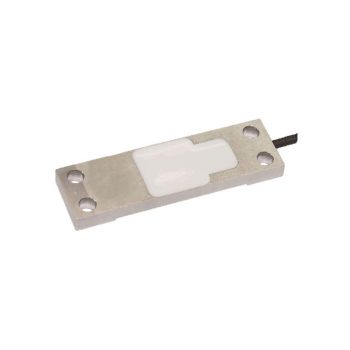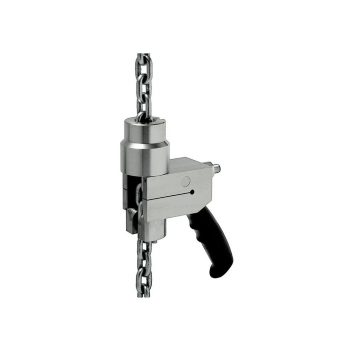
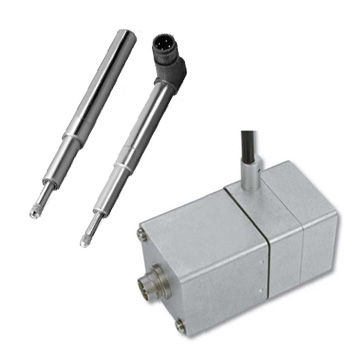
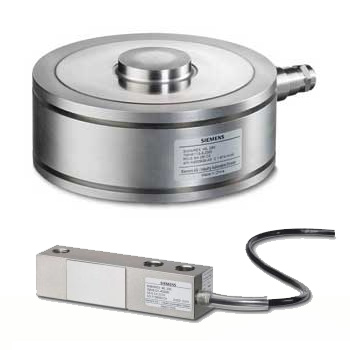
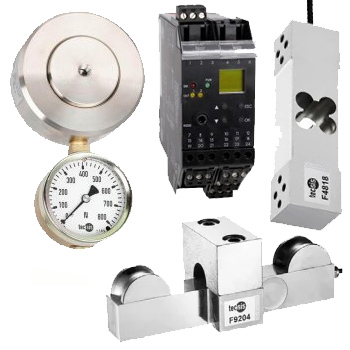
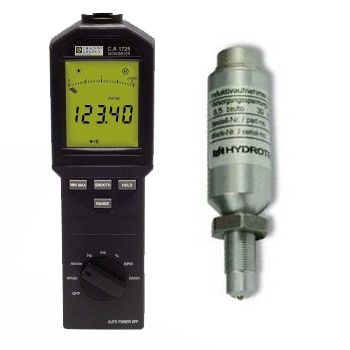
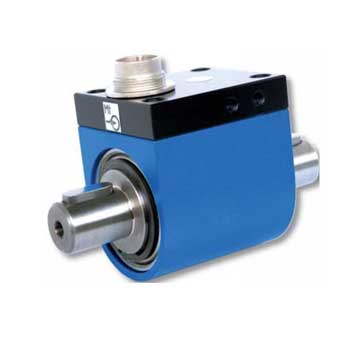
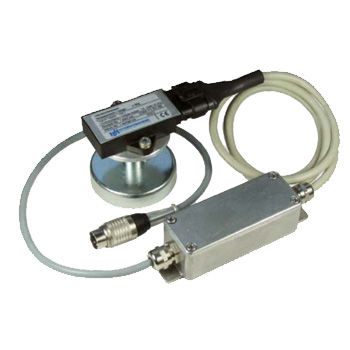
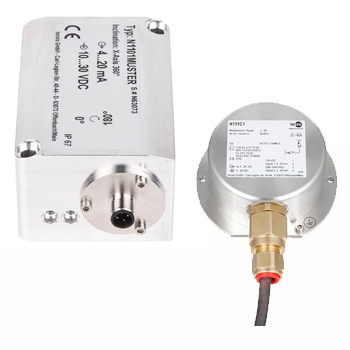
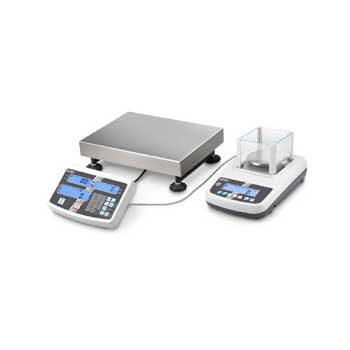
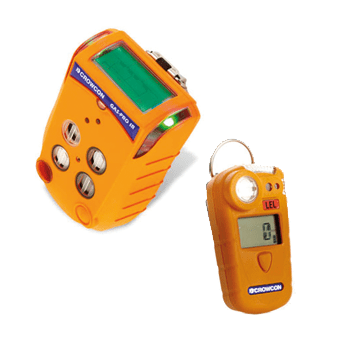
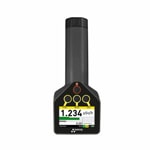
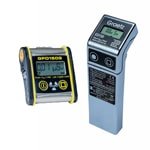
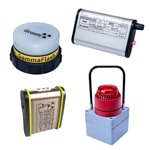























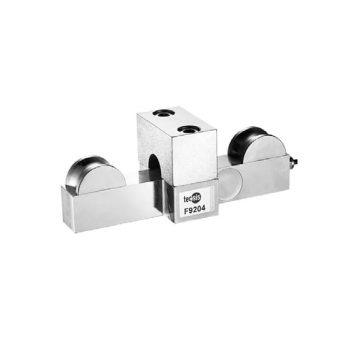
• Measuring ranges 0 … 1 t up to 0 ...4 0 t
  • Integrated amplifier, output 4 … 20 mA, 2-wire
  • Simple mounting (without opening rope), suitable for retrofits
  • Material alloyed steel
  • Protection class IP66
Datasheet
User Manual

  • Measuring ranges 0 ... 6 t up to 0 … 25 t (others possible)
  • Relative linearity error 2 % Fnom
  • Optimal for retrofitting with simple integration into the crane network through CANopen® and CAN SAE J1939 technologies
  • High overload capacity, long service life of the measuring spring, large shock and vibration resistance
  • Exceptionally space-saving, ideal for retrofitting onto the spreader
Datasheet

  • Measuring ranges strains from 0 ... 200 με up to max. 0 ... 1,000 με
  • Good long-term stability, high shock and vibration resistance, good reproducibility
  • As retrofitting, easy to install
  • For use in extreme outdoor applications (IP67)
  • Relative linearity error < 2 % Fnom
Datasheet
User Manual

  • Strain of 0 … 200 με to max. 0 … 1,000 με
  • Can be retrofitted, easy installation with M6-screws
  • Total error < 1 % Fnom
  • Electrical connection as cable, with plug-in radio module, display or junction box.
Datasheet

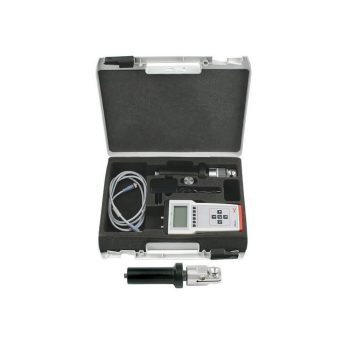
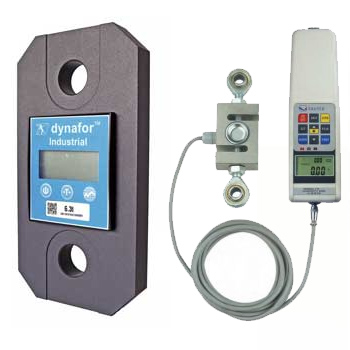
  • Measuring ranges 40 ... 3,500 kg
  • Simple calibration of friction clutches without weights
  • Single sensor concept for entire load range
  • Maximum- / minimum value memory
  • Relative linearity error 0.5 % Fnom
Datasheet

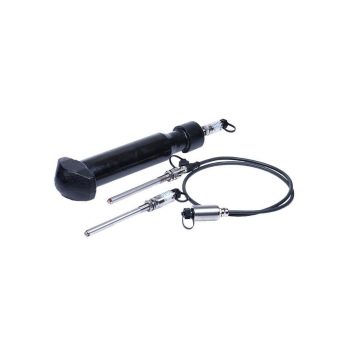
  • Measuring ranges 10 kN, 20 kN
  • Relative linearity error 0.2 % Fnom
  • Low overall weight of approx. 6 kg
  • Maximum/Minimum value memory
  • Electrode diameter 14 … 20 mm
Datasheet

  • Measuring ranges 0 ... 6 t up to 0 … 25 t (others possible)
  • Relative linearity error < 0.5 % Fnom
  • Type tested in accordance with OIML R60 (certificate R60/2000-A-NL-18.05) with D175
  • Optimal for retrofitting with simple integration into the crane network through CANopen® and CAN SAE J1939 technologies
  • High overload capacity, long service life of the measuring spring, large shock and vibration resistance
Datasheet

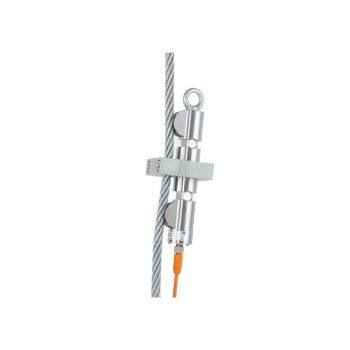
  • Measuring ranges 0 ... 1 t to 0 ... 30 t
  • Relative linearity error up to ≤ ±1.0 % Fnom
  • Wire rope diameter 8 ... 44 mm, suitable for retrofitting
  • Material: Stainless steel, IP67
  • Optional: Redundant output signal, ATEX version
Datasheet
User Manual


WIKA Special Force Transducers – Custom Sensor Solutions for Unique Applications

Special force transducers from WIKA are used whenever standard load cell designs do not meet the mechanical, spatial or functional requirements of an application. These sensors are custom-engineered to fit special geometries, extremely tight installation spaces, unique load paths or demanding environmental conditions.

Examples include twist-lock sensors for container weighing, rope force sensors for tension measurement on existing steel cables, machine-integrated force elements and custom-shape transducers. These special designs allow seamless integration into existing equipment without major modifications.


FAQ About WIKA Special Force Transducers

Answers covering definition, applications, outputs, selection criteria and integration.

What is a special force transducer?

A special force transducer is a custom-designed sensor used when standard load cells cannot be applied due to geometry, available space, installation constraints, load introduction or environmental requirements.

When is a custom force transducer needed?

A custom solution is required when the sensor must be integrated into existing machine structures, needs to follow a specific load path, must fit a confined installation space or has to meet extreme environmental or safety conditions.

What types of special force transducers does WIKA offer?

  • Twist-lock force sensors for container applications
  • Rope/line force sensors for tension measurement without cutting the rope
  • Custom geometries for machine integration
  • Hydraulic special sensors for very high loads

Which measurement technologies are used?

Depending on the requirement, WIKA uses strain-gauge (DMS), thin-film technology, or hydraulic force measurement for extremely heavy-duty or passive systems.

Which output signals are available?

Typical outputs include mV/V, 4–20 mA, 0–10 V and digital interfaces such as CANopen®. Redundant outputs can be implemented for safety-critical applications.

What needs to be considered during mechanical integration?

The force must flow through the sensor in a defined and ideally axial direction. Side loads, bending moments and structural constraints must be avoided. Special transducers are engineered to fit perfectly into the existing mechanical design.

Which environmental conditions can be addressed?

Special force transducers can be designed for high temperatures, shock and vibration, offshore or marine use, outdoor environments and even ATEX-classified hazardous areas.

Can a special force transducer be calibrated?

Yes — WIKA offers complete calibration services for custom sensors, including documentation, calibration certificates and optional DAkkS calibration.

What are common error sources?

  • Incorrect load path or insufficient structural stiffness
  • Side loads or bending moments acting on the sensor
  • Poor EMC-compliant cabling and grounding
  • Non-flat mounting surfaces or undefined load introduction

Does ICS Schneider Messtechnik support the design and integration?

Yes — ICS Schneider provides support in specification, mechanical integration, selection of the proper electronics, calibration and full documentation.

How can I request a quotation?

Please specify the required force range, installation conditions, mechanical drawings or dimensions, output signal, temperature range and any certifications or safety requirements.

Diese Website benutzt Cookies. Wenn du die Website weiter nutzt, gehen wir von deinem Einverständnis aus.