
Calibration reference sensors


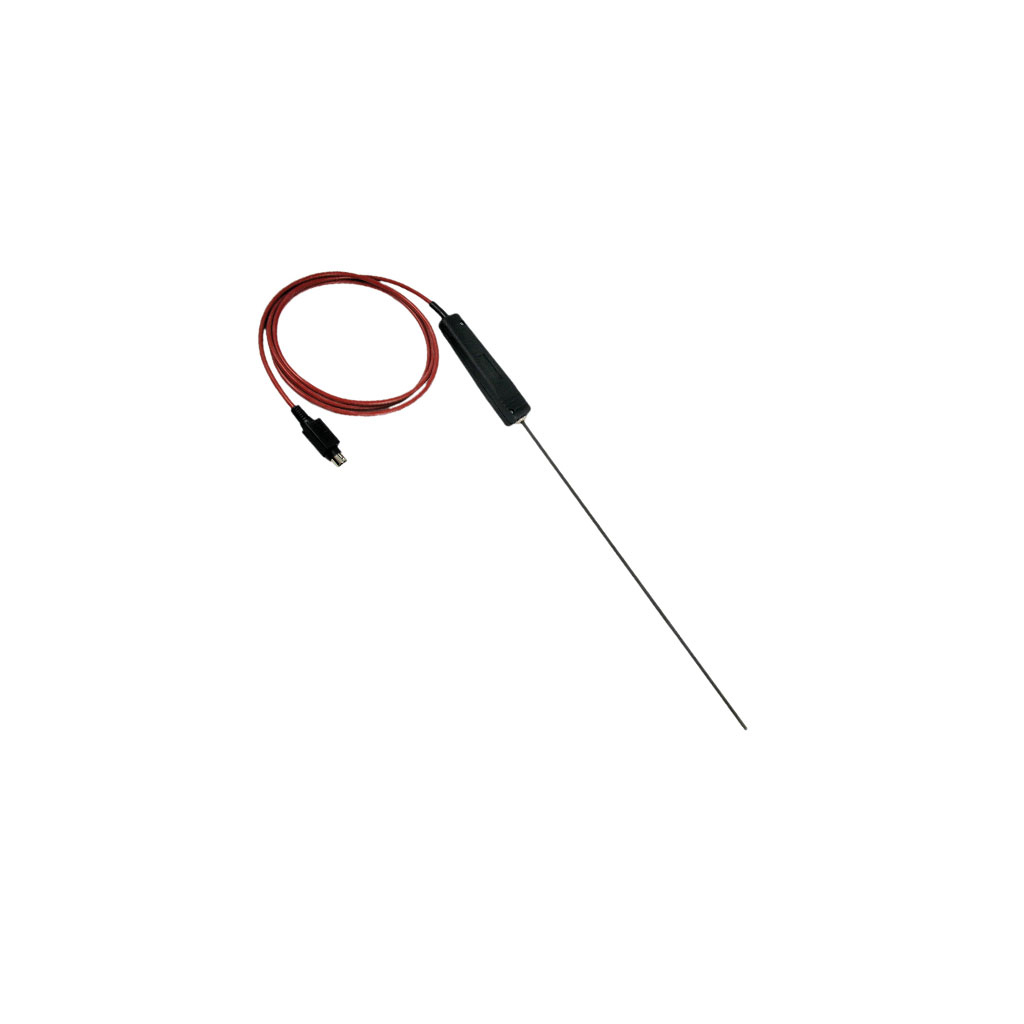
  • Pt100 reference sensors
  • For series TP Premium or TT-Scan
Datasheet
Calibration Guide

If the sensor to be calibrated is too short to be inserted into the homogeneous temperature zone of the metal block, an external reference sensor can be used without any problems. This results in a small, flexible measurement zone.


Particular attention is given to the physical construction to ensure that shocks have minimal effect on the reference sensor. The use of robust measuring elements in thinfilm technology ensure standardised and reliable performance.

Intensive ageing tests are carried out at the maximum operating temperature to examine longterm temperature stability. In order to detect longterm effects through thermal stress, a defined tempering process is carried out with a special selection of reference sensors over 300 hours. In the case of stress caused by thermocycling, no significant hysteresis effects were found.

The physical structure of the reference sensors requires that different materials be joined together. The special design of the joint areas prevents the occurrence of parasitic thermoelectric voltages. Thus the measurement reading is not affected by the temperature gradients from the measurement point to the handle.

In examining the self-heating characteristics it was seen that measurement currents ≤ 1 mA are ideally suited, since no distortion of the measurement result occurs. Here the
self-heating effect can be neglected.



Technical advice: 03303 / 50 40 66

Technical advice for this product


    In accordance with the General Data Protection Regulation (GDPR), we are obliged to inform you about the collection of data. We meet this obligation by referring to our privacy notice.


    Calibration reference sensors

    • Pt100 reference sensors
    • For series TP Premium or TT-Scan
    Datasheet
    Calibration Guide

    If the sensor to be calibrated is too short to be inserted into the homogeneous temperature zone of the metal block, an external reference sensor can be used without any problems. This results in a small, flexible measurement zone.


    Particular attention is given to the physical construction to ensure that shocks have minimal effect on the reference sensor. The use of robust measuring elements in thinfilm technology ensure standardised and reliable performance.

    Intensive ageing tests are carried out at the maximum operating temperature to examine longterm temperature stability. In order to detect longterm effects through thermal stress, a defined tempering process is carried out with a special selection of reference sensors over 300 hours. In the case of stress caused by thermocycling, no significant hysteresis effects were found.

    The physical structure of the reference sensors requires that different materials be joined together. The special design of the joint areas prevents the occurrence of parasitic thermoelectric voltages. Thus the measurement reading is not affected by the temperature gradients from the measurement point to the handle.

    In examining the self-heating characteristics it was seen that measurement currents ≤ 1 mA are ideally suited, since no distortion of the measurement result occurs. Here the
    self-heating effect can be neglected.


    Technical advice: 03303 / 50 40 66

    Technical advice for this product


      In accordance with the General Data Protection Regulation (GDPR), we are obliged to inform you about the collection of data. We meet this obligation by referring to our privacy notice.


      Diese Website benutzt Cookies. Wenn du die Website weiter nutzt, gehen wir von deinem Einverständnis aus.