


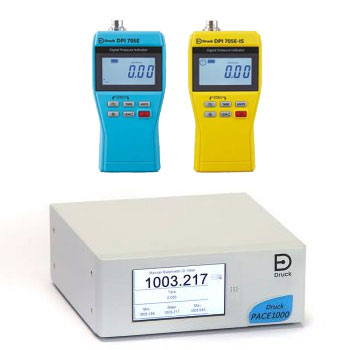
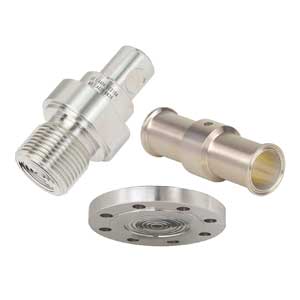
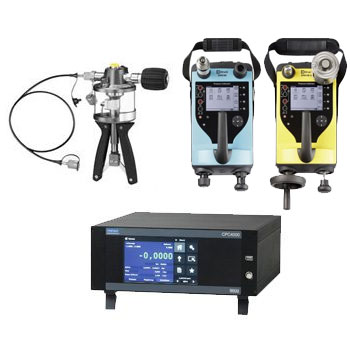
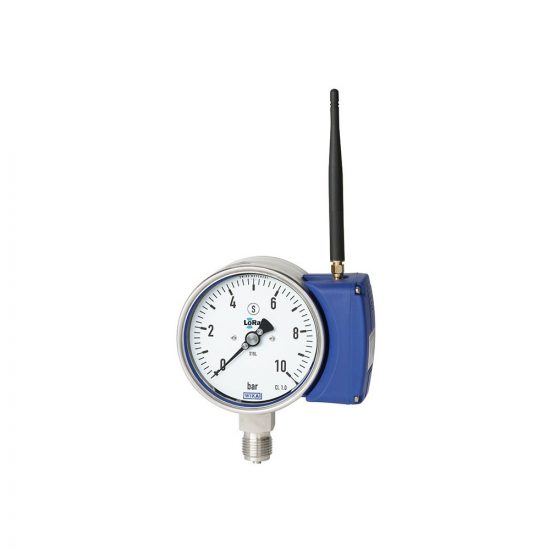


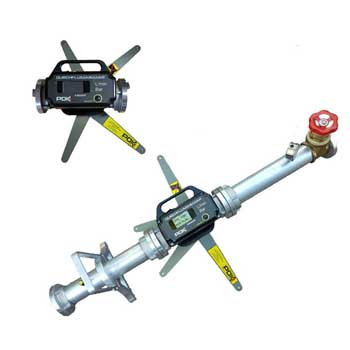
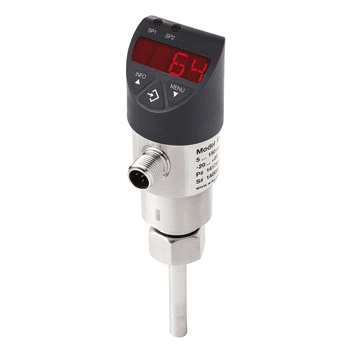
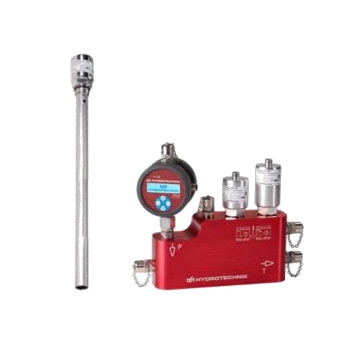
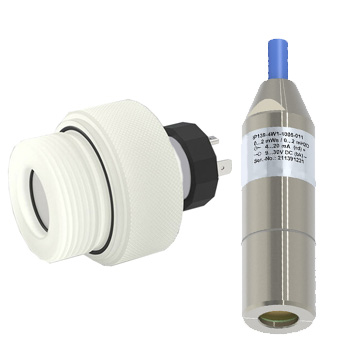



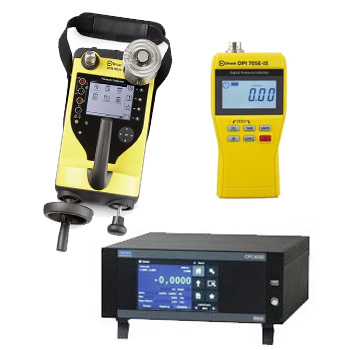
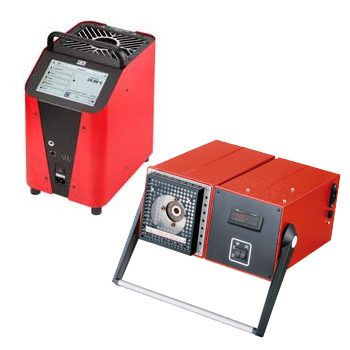
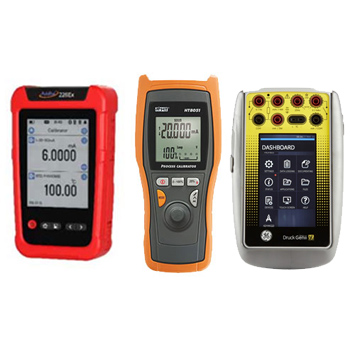
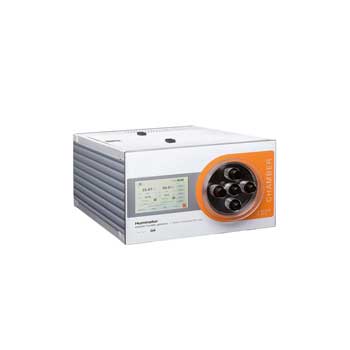
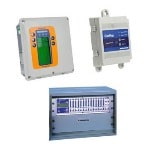
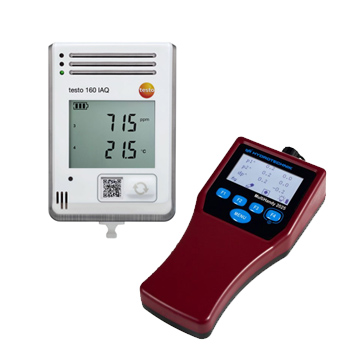
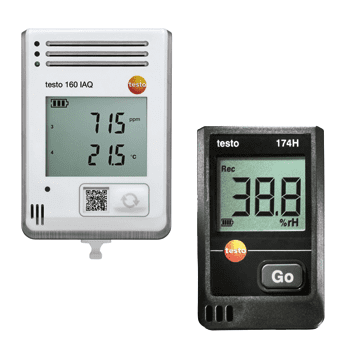
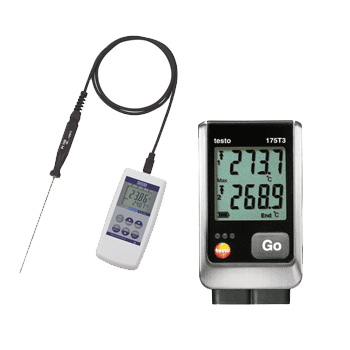
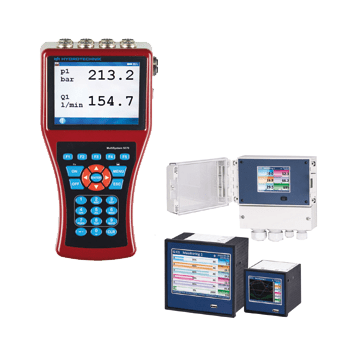
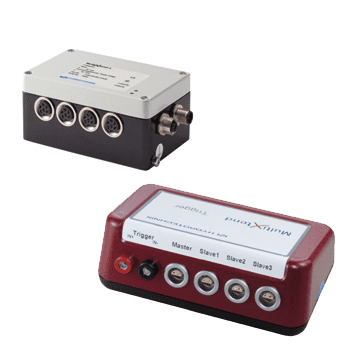
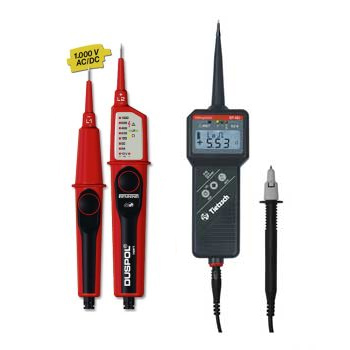
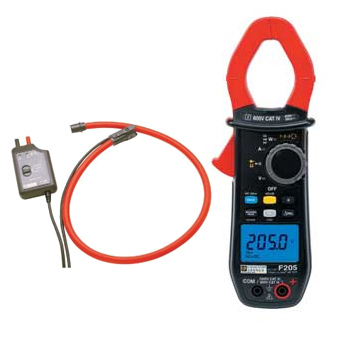
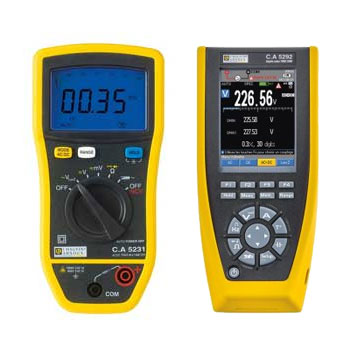
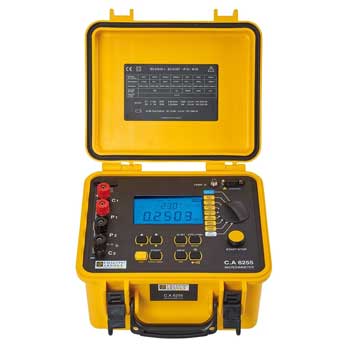
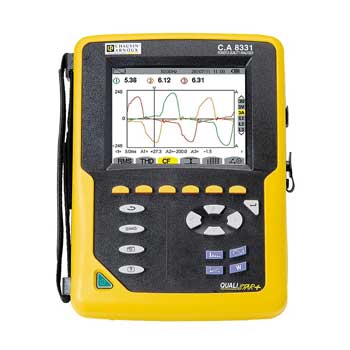
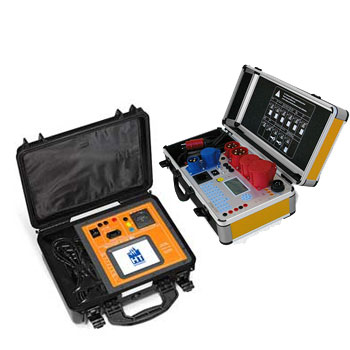


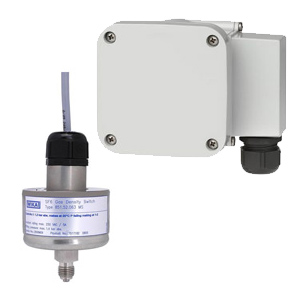
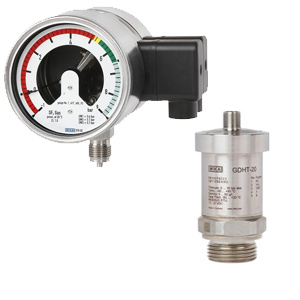
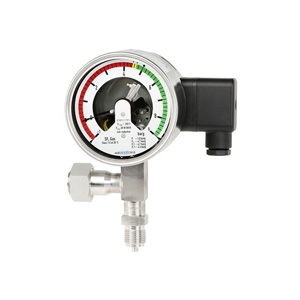
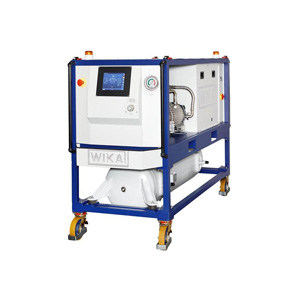
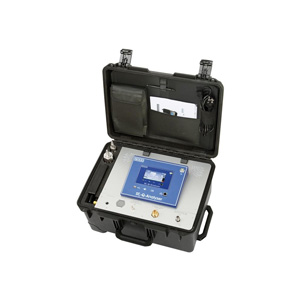
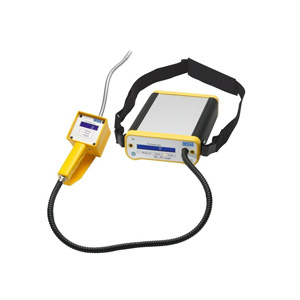
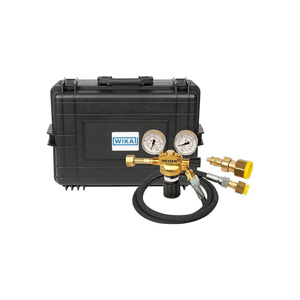
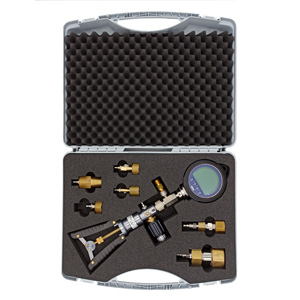



















- Pressure generation via a hand pump
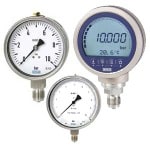
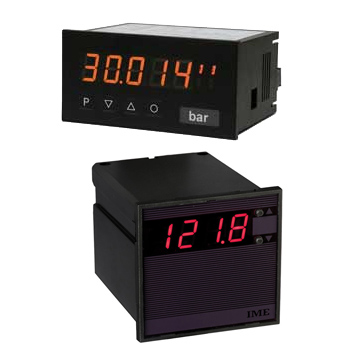
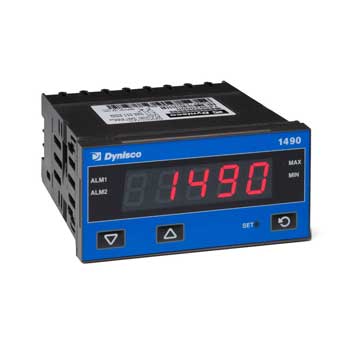
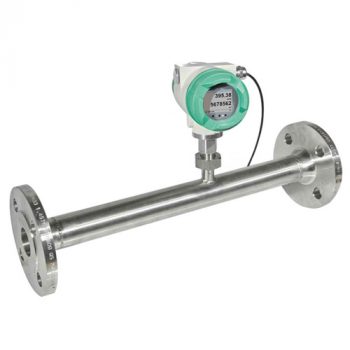
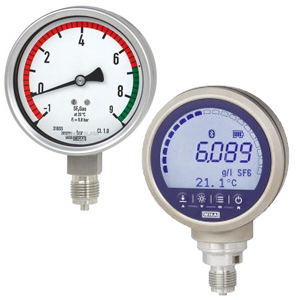
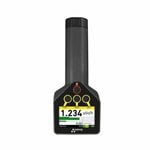
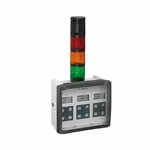
- Precision digital gas density indicator with accuracy 0.6 %
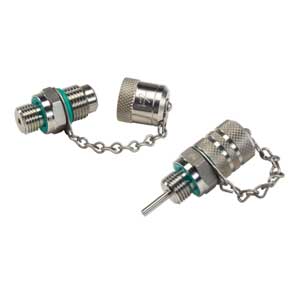
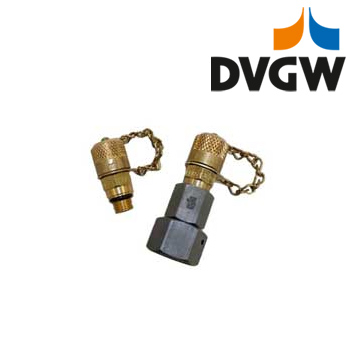
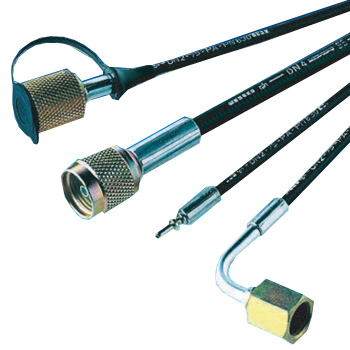
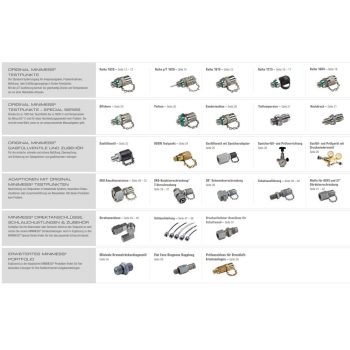
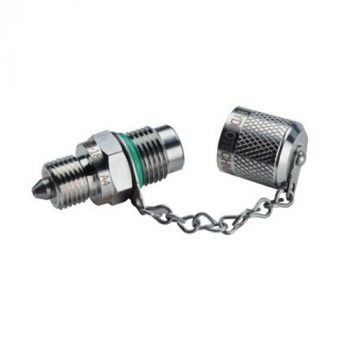
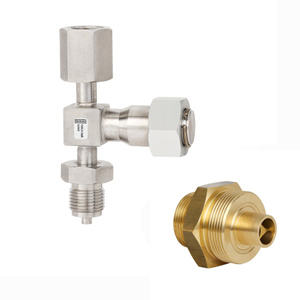
- Variable connection concept of the test items
- Precise pressure setting by means of the fine adjustment valve
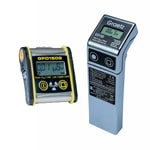
- Low weight and compact design
 Datasheet Datasheet |

Calibration Systems for SF6 Analysis and Detection Equipment
Calibration systems for SF6 are used to check and ensure that analysis, detection or measuring devices operate accurately and reliably. Using reference gases, defined test pressures and standardized procedures, measurement accuracy is validated and traceability as well as compliance with standards are achieved.
Questions & Answers on SF6 Calibration Systems
What is meant by an SF6 calibration system?
An SF6 calibration system comprises components such as reference gas cylinders, pressure and regulating valves, pressure gauges or sensors to create defined test conditions. It is used to test the functionality and measurement accuracy of analysis or detection devices and, if necessary, to recalibrate them.
Why is a calibration system needed?
A calibration system is needed to ensure that SF6 measuring devices deliver precise and reliable results — especially when used for analysis, leak detection or monitoring. Without calibration, measurement results may be inaccurate, leading to misinterpretation and potential safety risks.
Which components does a typical calibration system include?
Typically, a calibration system includes one or more reference gas cylinders with defined SF6 gas composition, pressure or regulating valves, pressure gauges, possibly temperature and moisture sensors, and connectors/adapters for the devices to be tested.
How does calibration with an SF6 calibration system work?
During calibration, the reference gas is supplied under defined conditions (pressure, temperature) through the calibration system to the device being tested. The measured value is then compared with the nominal value — if necessary, the device is adjusted to correct deviations and ensure accuracy.
How often should calibration be performed?
The frequency of calibration depends on usage, criticality of the installation and internal quality or maintenance guidelines. Common practice is regular intervals — e.g. annually or before each deployment — as well as after repairs or questionable measurements.
What requirements apply to calibration systems?
Calibration systems must offer precision, stability and traceability. This includes defined reference gases, stable pressure and temperature conditions, and gas-tight, safe handling of SF6. Additionally, handling should be reproducible and documentable.
How is traceability ensured?
Traceability is ensured by clearly defined reference gas compositions, documented test conditions (pressure, temperature), and recorded results. This allows later verification of calibration accuracy and consistency of measurements.
Who should carry out the calibration?
Calibrations should be carried out by qualified personnel familiar with handling SF6 and the relevant measuring device. Ideally, personnel are trained or certified in gas analysis or leak detection and aware of safety and standard requirements.
Which devices can be calibrated with an SF6 calibration system?
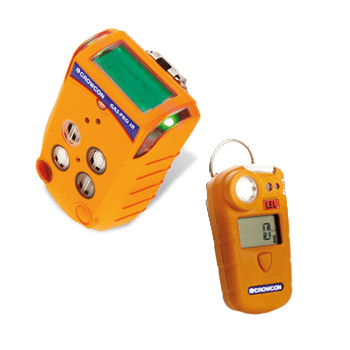
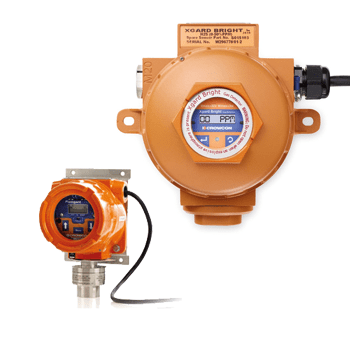
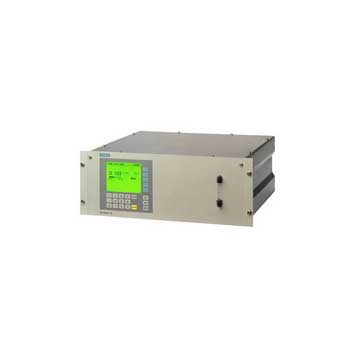
An SF6 calibration system can be used to calibrate analysis instruments, detection systems, moisture or residual-gas measuring instruments, and other gas measurement devices designed for SF6 gas.
What documentation should be produced during calibration?
Documentation should include details about the reference gas used (type, gas composition), test conditions (pressure, temperature), measured and nominal values, deviations, adjustments, date and name of personnel — for traceability and quality assurance.