


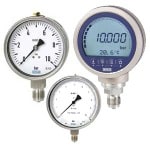
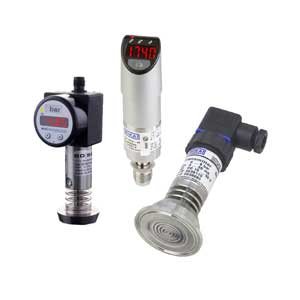
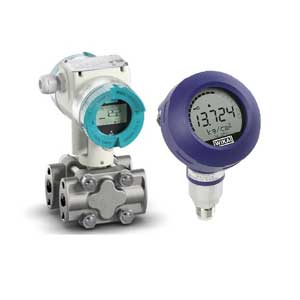
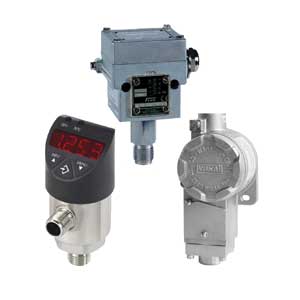
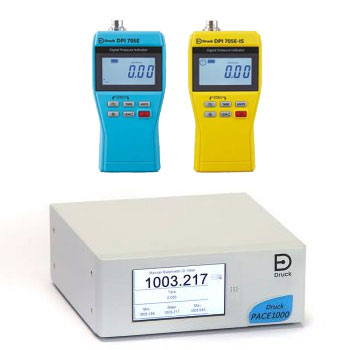
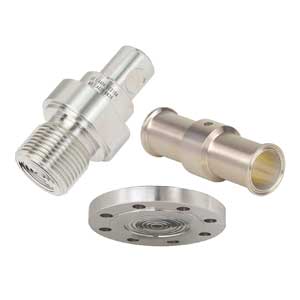
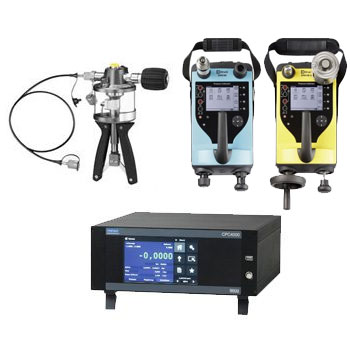
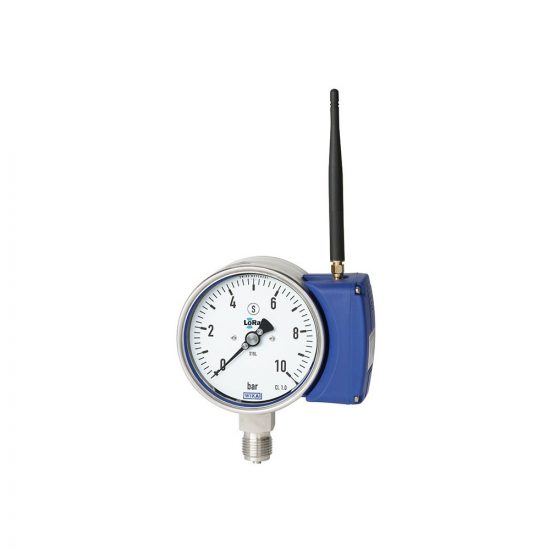



































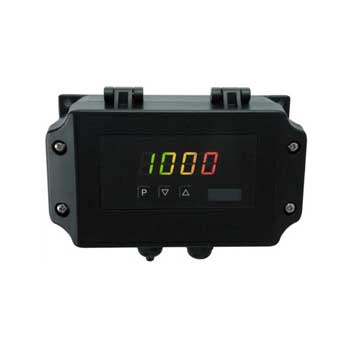

Digital Panel Meters
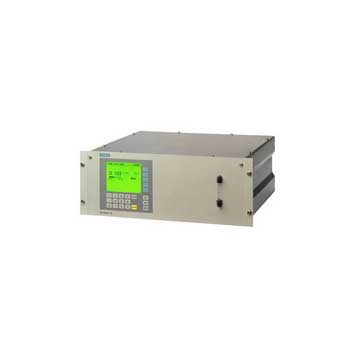
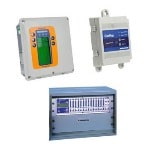
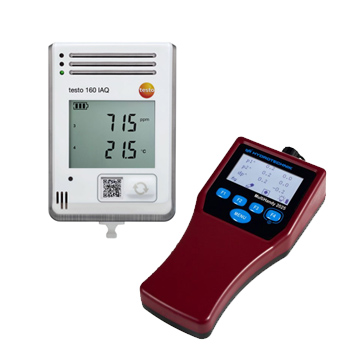
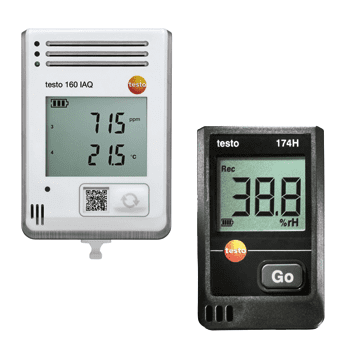
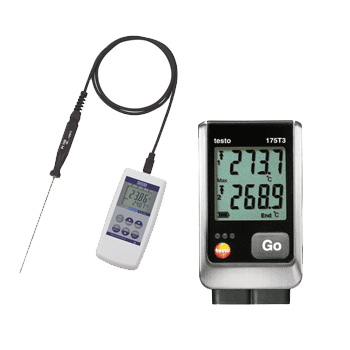
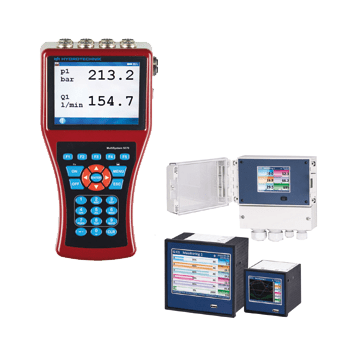
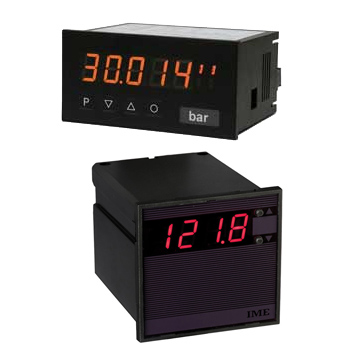
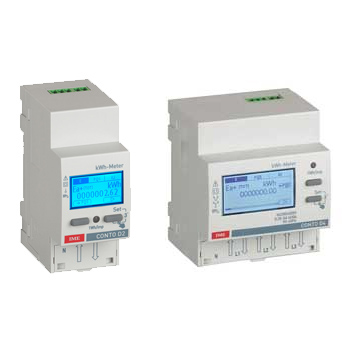
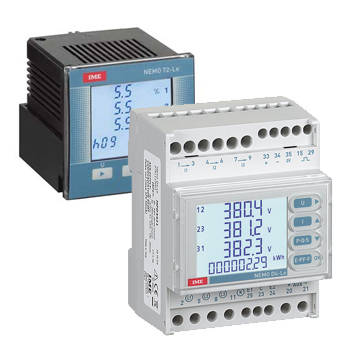
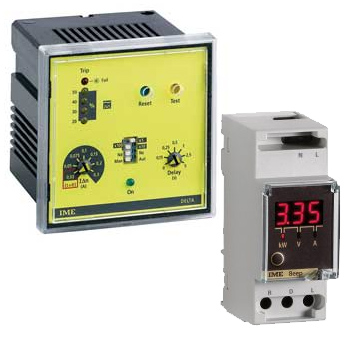
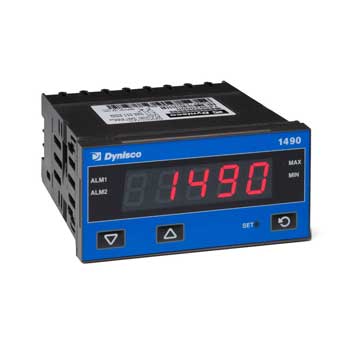
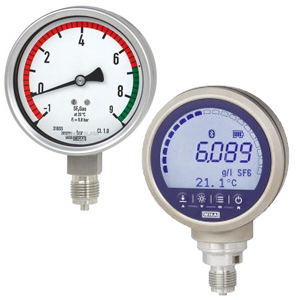
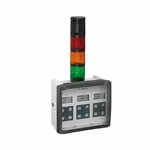
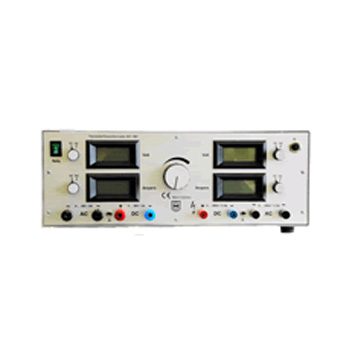
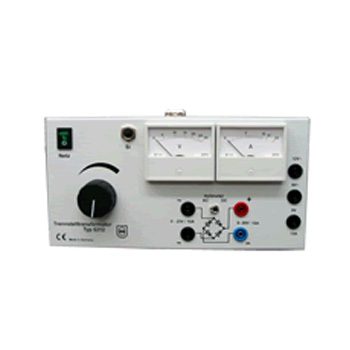
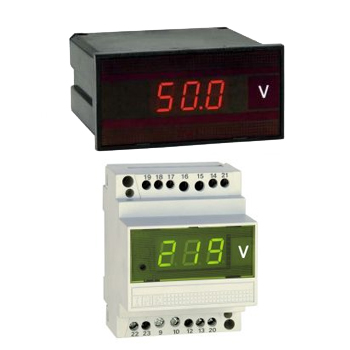
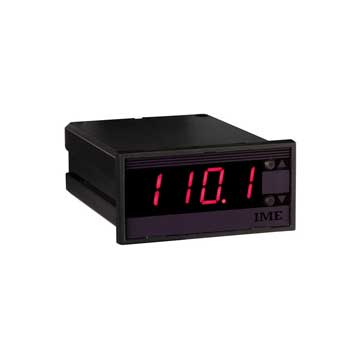
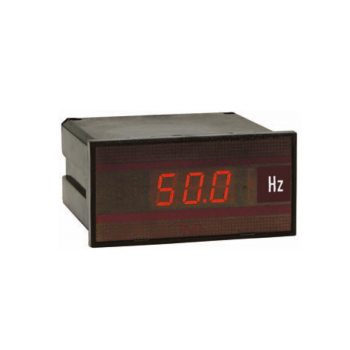
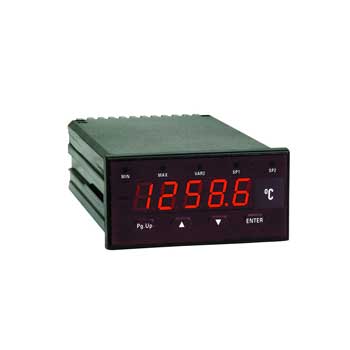
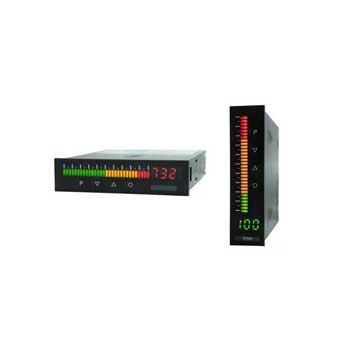
Digital panel meters are electronic measuring instruments designed for installation in control cabinets and switchgear systems. They measure electrical or physical quantities — such as voltage, current, frequency, power, temperature or process signals — and display them numerically via LED or LCD. Unlike analog meters, they convert incoming signals through an A/D converter and often provide additional functions such as alarms, data logging, communication interfaces and multi-parameter display.
F&Q
What is a digital panel meter?
A digital panel meter is an instrument that converts analog input signals (voltage, current, frequency, etc.) into digital values and shows them on a numeric display.
Which quantities can digital panel meters measure?
They can measure AC/DC voltage, AC/DC current, frequency, power, resistance, temperature (with appropriate sensors) and various process signals. Multifunction meters can show several parameters simultaneously.
How does a digital panel meter work?
The input signal is processed by an analog-to-digital converter (ADC). The processed digital value is then shown on the display. Many devices also provide filtering, scaling, memory functions or communication interfaces.
What advantages do digital panel meters offer?
They provide high accuracy, eliminate reading errors, can automatically adjust measuring ranges and offer alarm outputs, data logging and communication options. They are compact and highly versatile.
Where are digital panel meters typically used?
They are used in industrial automation, switchgear, energy distribution, control cabinets, monitoring systems and any application requiring precise measurement and integration with control or data systems.
Which additional features may digital panel meters include?
Optional features include alarm or relay outputs, threshold monitoring, multi-channel measurement, data storage and communication protocols such as RS-485 or Modbus.
Are there disadvantages?
They require a supply voltage, and their electronic circuitry can be more sensitive to disturbances or transients compared to analog meters. Extremely fast or high-frequency signals may require special devices.
When is it beneficial to use a digital panel meter?
Whenever precise readings, reliable monitoring, documentation or automation features are required — such as in modern electrical panels, process control or energy management systems.
How do I choose the right digital panel meter?
Key factors include input type, measuring range, accuracy, display type, available interfaces, alarm or switching options, panel size compatibility and environmental protection requirements.