







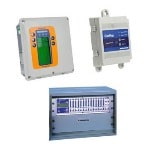
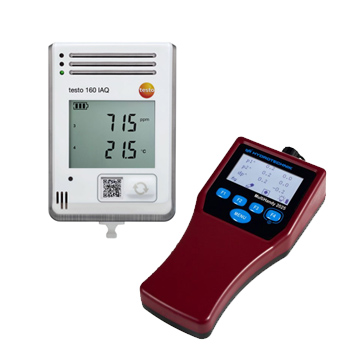
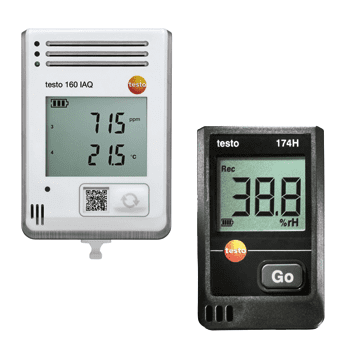
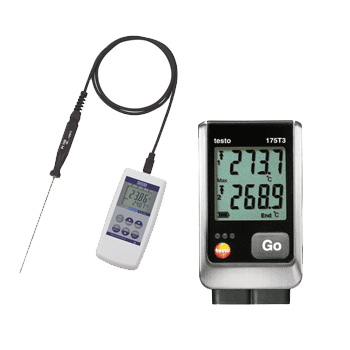
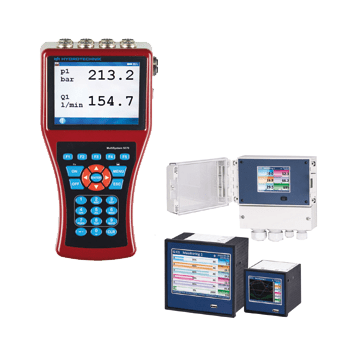
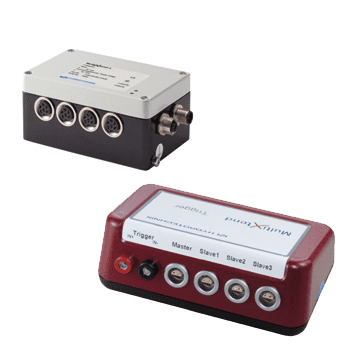
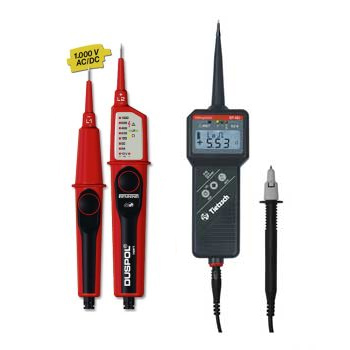
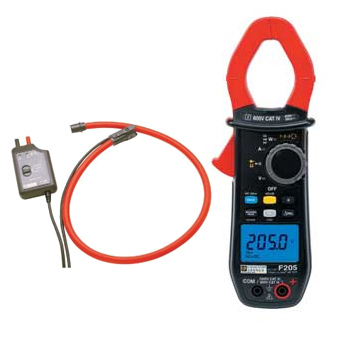
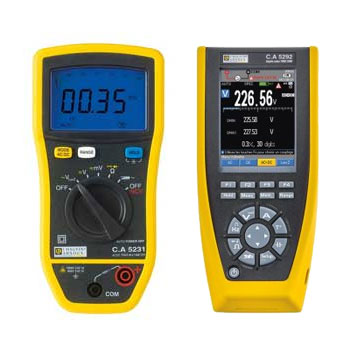
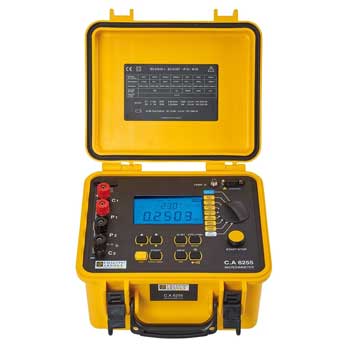
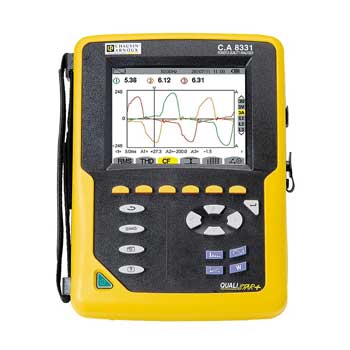
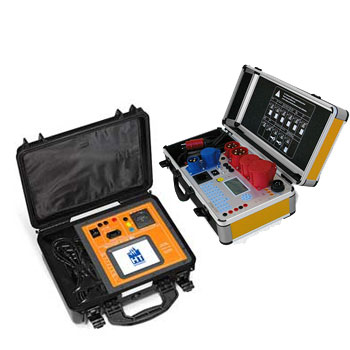


















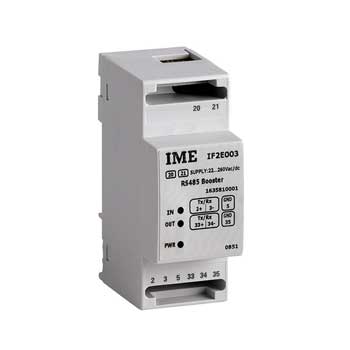


Energy Data & Energy Management Devices
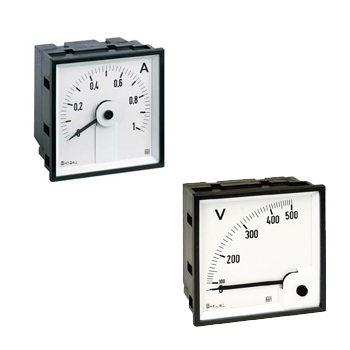
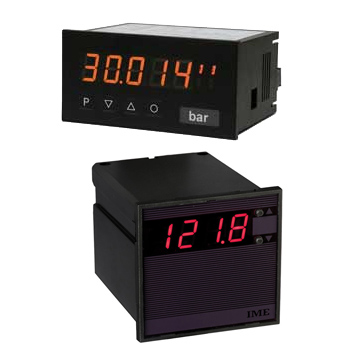
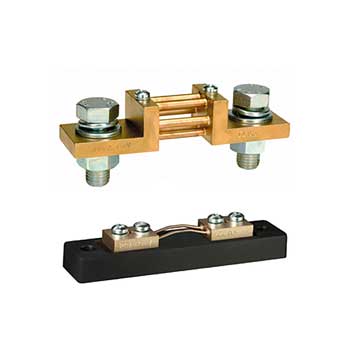
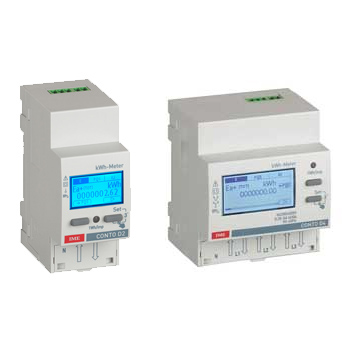
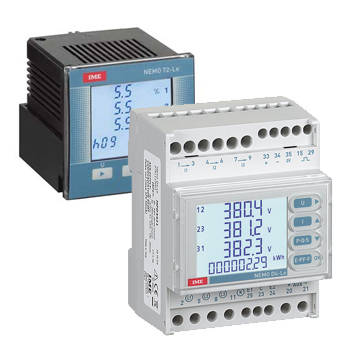
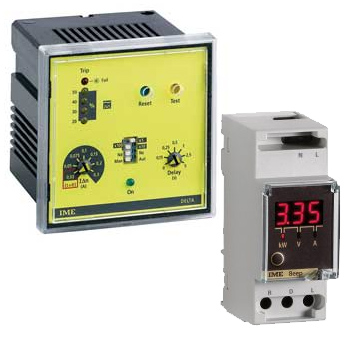
Energy management devices are systems designed to measure, monitor and record electrical energy and network parameters — such as energy consumption, power, current, voltage or load profiles — for buildings, industrial plants or distribution systems. They provide a structured basis for consumption tracking, load monitoring, energy audits, and optimization of usage and costs. Often these devices offer communication capabilities to integrate with higher-level management, monitoring or automation systems.
Questions & Answers on Energy Management Devices
What are energy management devices?
Devices that capture and process energy and network data — like energy consumption, power, load, network quality or consumption profiles — and often provide data export or interfaces for evaluation.
What are typical applications?
Use cases include energy consumption monitoring, load or power tracking, efficiency optimization, consumption analysis, audits, load management, and energy planning in buildings, industry, or commercial facilities.
Which parameters can be measured?
Energy usage (kWh), instantaneous and average power, current, voltage, power factor, load curves or consumption trends, network parameters and sometimes historical data or aggregated statistics.
How are energy management devices typically integrated?
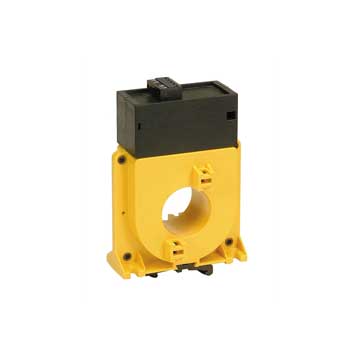
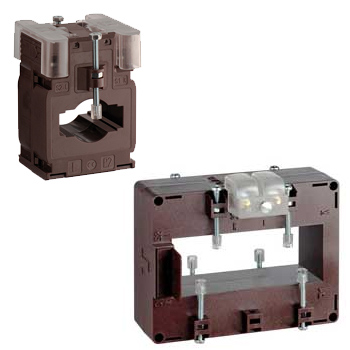
They can be part of a larger metering and monitoring setup, often combined with meters, sensors or transducers, and connected via communication interfaces to data centers, building-management or automation systems for centralized monitoring and control.
What are the main advantages?
Transparency of energy use, better control of consumption and costs, detection of inefficiencies or anomalies, ability to perform energy audits, load optimization and long-term planning.
Who benefits from using them?
Industries, commercial buildings, apartment complexes, energy-intensive facilities, building owners, facility managers, energy providers — basically anyone for whom energy usage is significant and worth monitoring.
When does using energy management devices make sense?
Whenever energy use needs to be tracked, optimized or documented — for example in large buildings, industrial plants, multi-tenant properties, or systems with fluctuating loads or energy production.
Are there any drawbacks or requirements?
Yes — these systems are more complex than simple meters; they may require additional sensors or interfaces, proper configuration and sometimes external data handling or software for analysis and reporting.
How can measurement and management devices be combined efficiently?
By using meters or measurement transducers for accurate data acquisition and connecting them to management or communication modules — enabling comprehensive monitoring, data logging, analysis and control.