


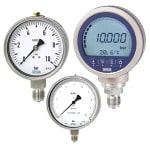
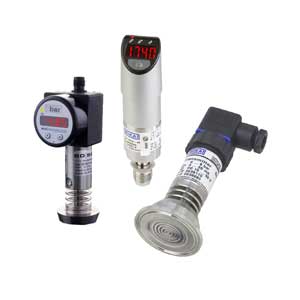
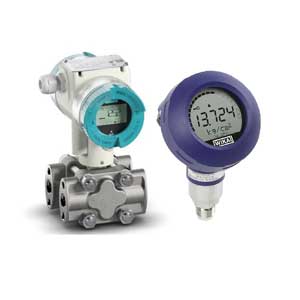
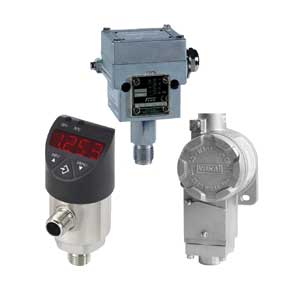
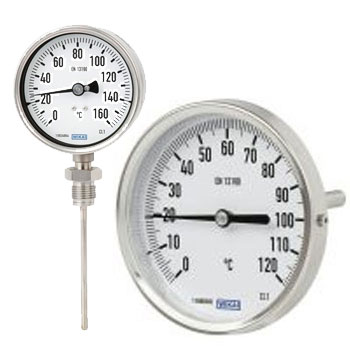
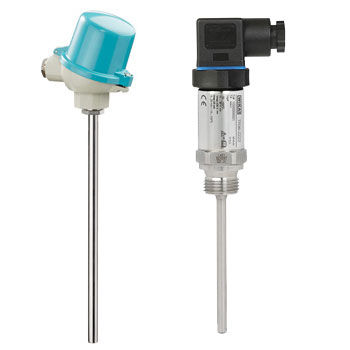
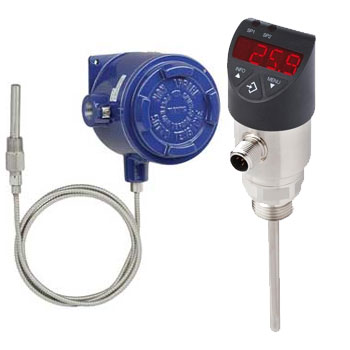
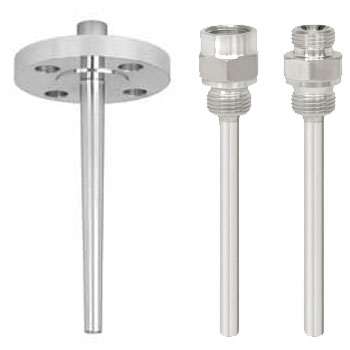

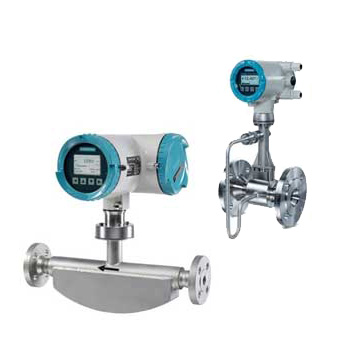
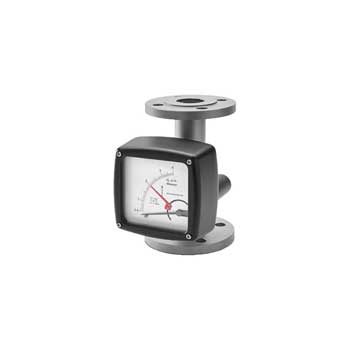
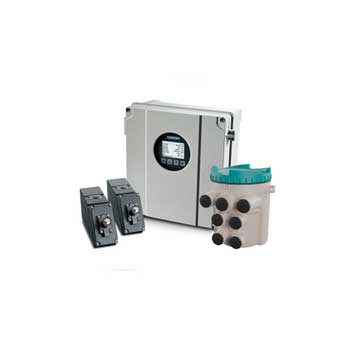
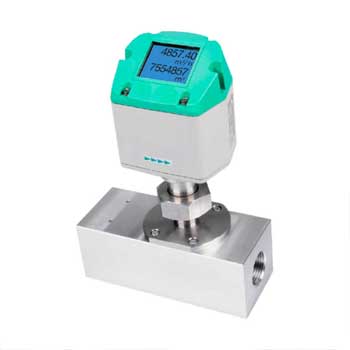
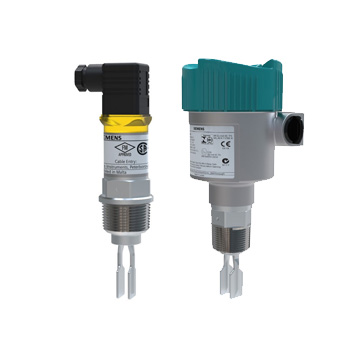
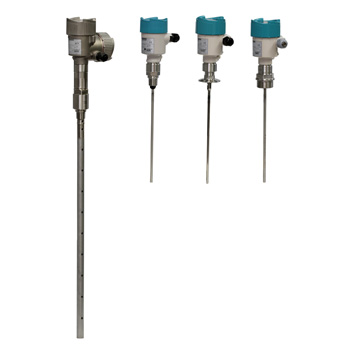
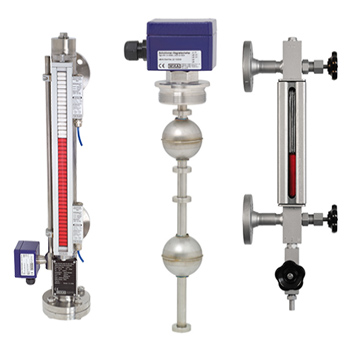
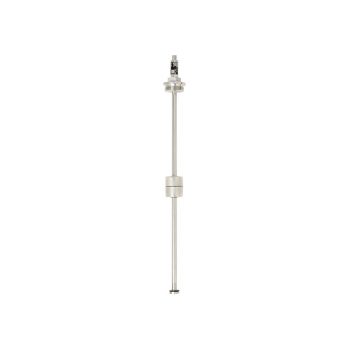



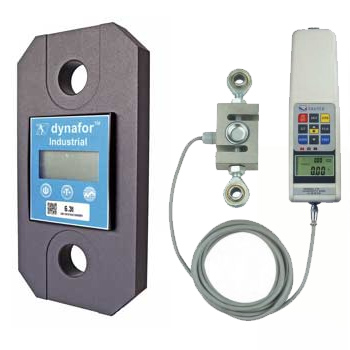
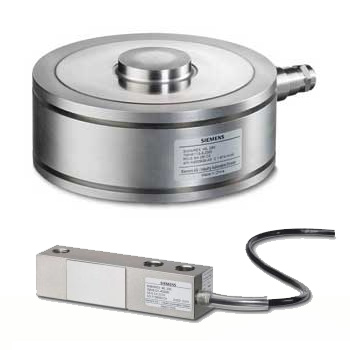
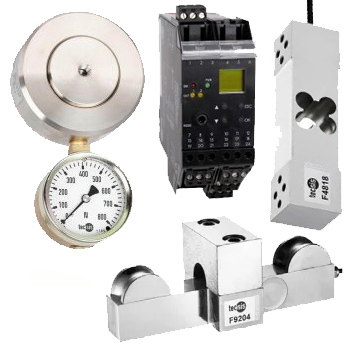
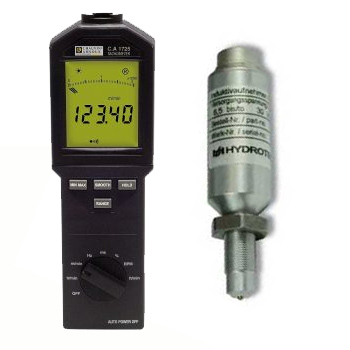
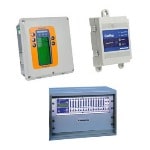
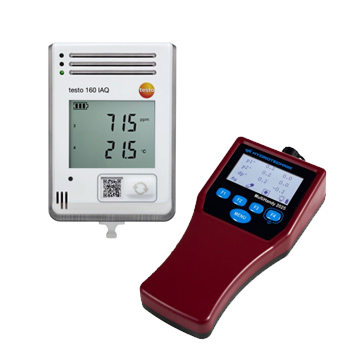
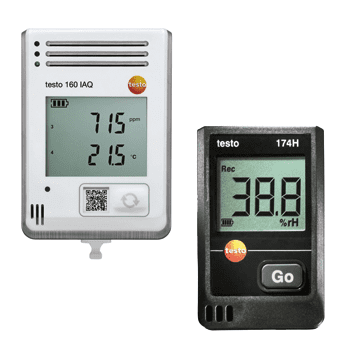
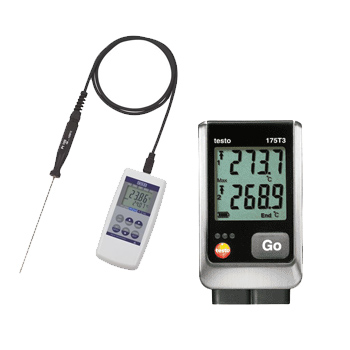


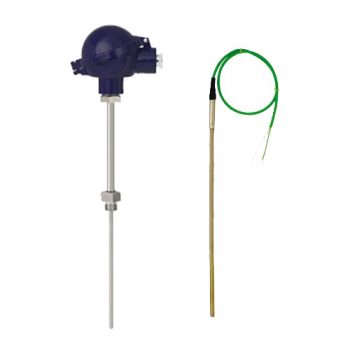
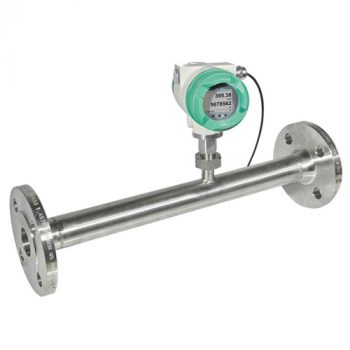

























Siemens Field Devices for Process Automation
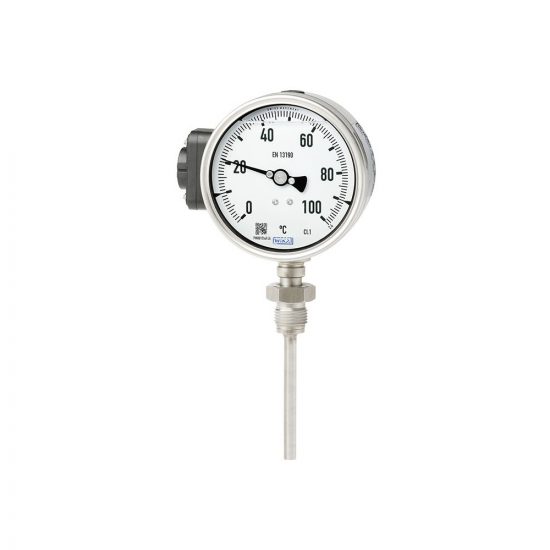
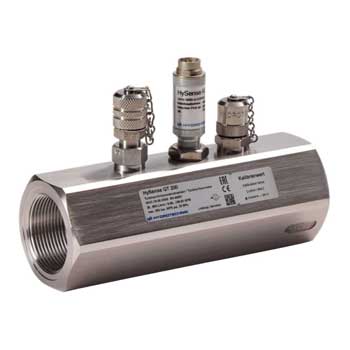
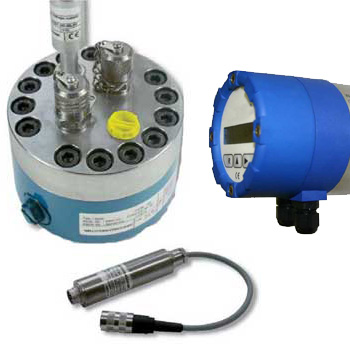
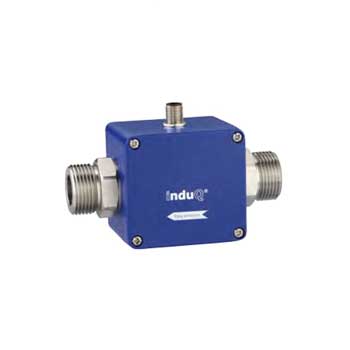
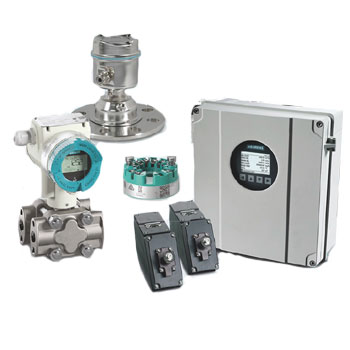
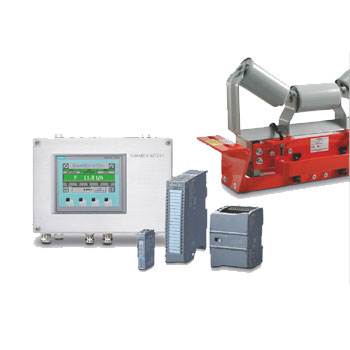
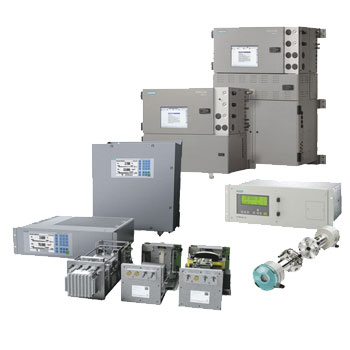
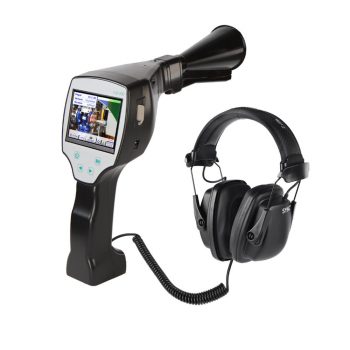
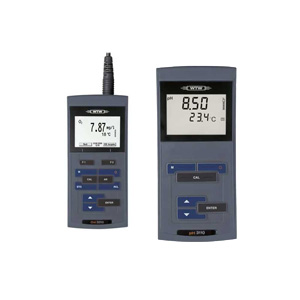
Siemens field devices for process automation measure, monitor and control key process variables such as pressure, flow, level, temperature, weight and analytical parameters directly in the plant. The instruments are engineered for harsh industrial environments, provide high measurement accuracy, extensive diagnostic capabilities and support common communication protocols for seamless integration into process control and automation systems.
Questions & Answers on Siemens Field Devices for Process Automation
Which types of instruments are included in field devices for process automation?
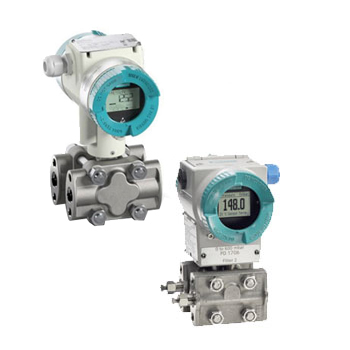
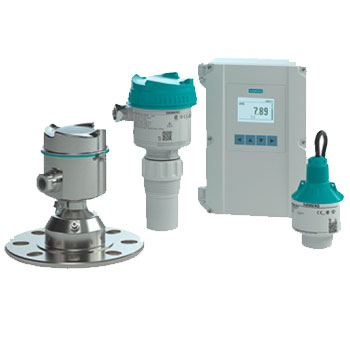
The portfolio includes pressure and differential pressure transmitters, flowmeters, level instruments, temperature transmitters, weighing sensors, valve positioners as well as analytical instruments for liquid and gaseous media.
Which communication protocols are supported by Siemens field devices?
Depending on the product line, the devices support analogue 4–20 mA signals, HART, Profibus PA/DP, Profinet, Modbus and other fieldbus and Ethernet-based protocols to enable consistent integration into distributed control systems.
How do integrated diagnostics improve plant availability?
Integrated diagnostics monitor sensor, electronics, signal quality and process conditions. Early detection of contamination, blockage, cavitation, gas inclusions, empty pipes or deviations from normal operation reduces unplanned shutdowns and simplifies troubleshooting.
What is the role of field devices in safety instrumented functions?
For safety instrumented functions, SIL-certified transmitters and analytical devices are available. They provide documented failure rates, dedicated safety features and operating instructions for use in safety instrumented systems according to IEC 61508/IEC 61511.
How are Siemens field devices configured and commissioned?
Configuration is performed via local keypads and displays, handheld configurators or centralized engineering and asset management tools. Parameters such as measuring range, damping, output configuration, diagnostic thresholds and communication addresses can be set and documented in a structured way.
Which mechanical installation aspects must be considered?
Important aspects include correct mounting position, sufficient inlet and outlet runs for flow measurement, avoidance of air pockets and build-up, protection against vibration, proper thermal coupling for temperature sensors and suitable process connections and sealing materials.
Which enclosure types and degrees of protection are available?
The devices are available with different degrees of protection such as IP65, IP66, IP67 or higher. Housings made of aluminium, stainless steel or robust plastics as well as coated versions allow operation in corrosive, dusty or humid environments.
Are there versions for hazardous areas and explosion protection?
For hazardous areas, devices with protection concepts such as Ex i, Ex d or Ex n are available. Approvals for relevant zones and temperature classes enable use in gas and dust atmospheres in compliance with applicable standards and directives.
How do medium properties influence the selection of a field device?
Process pressure, temperature, conductivity, viscosity, density, abrasiveness and chemical aggressiveness determine the suitable measuring principle, sensor material, sealing concept, measuring range and process connection design.
What solutions are available for hygienic and sanitary applications?
For hygienic processes, smooth, crevice-free sensors with CIP/SIP resistance, stainless steel housings, electropolished surfaces and standardized hygienic process connections are available to ensure cleanability and product safety.
How are field devices integrated into digital maintenance and asset management?
Via digital protocols, device descriptions and diagnostic channels, field devices provide condition and process data. Asset management systems can use this information to optimize maintenance strategies, evaluate histories and implement condition monitoring.
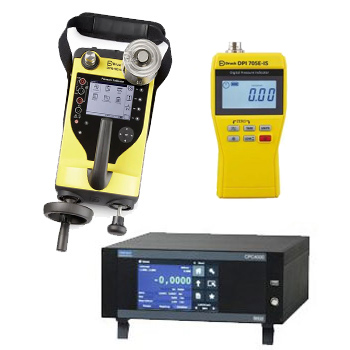
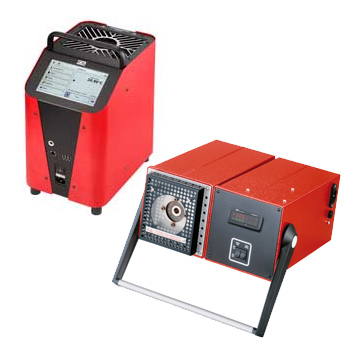
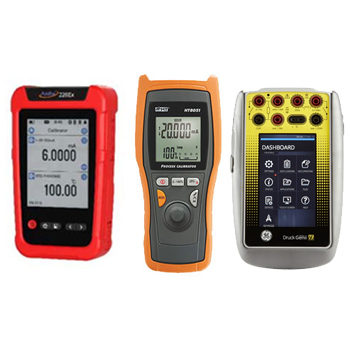
Why are calibration and traceability important for field devices?
Regular calibration ensures measurement accuracy and traceability to national standards. Calibration intervals are defined according to process requirements and quality guidelines and are documented by test certificates.
How can field devices contribute to energy efficiency in process plants?
Accurate measurements of flow, pressure, temperature and other variables enable precise control of media flows, utilities and energy carriers. This helps to reduce losses, optimize process conditions and improve energy performance indicators.
Which criteria should be considered when selecting a suitable field device?
Key criteria include the measuring task, measuring range, accuracy requirements, medium, pressure and temperature levels, installation conditions, ambient environment, required approvals, communication interfaces and integration into the existing automation system.
What options exist to modernize existing plants with new field devices?
By replacing legacy instruments with modern, compatible field devices featuring advanced diagnostics and digital communication, existing plants can be modernized step by step without replacing the complete automation system.