








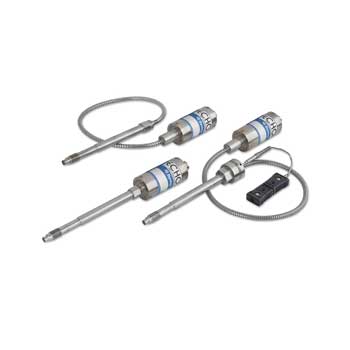
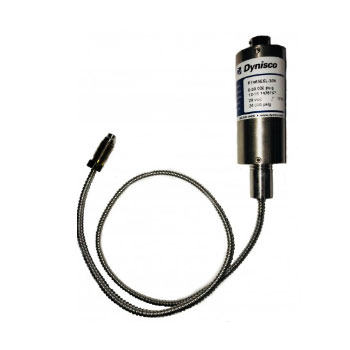
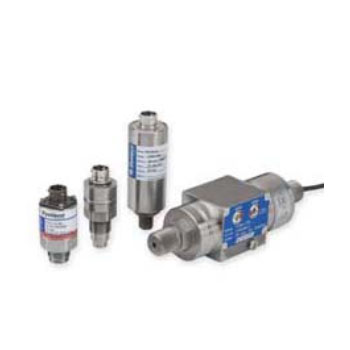
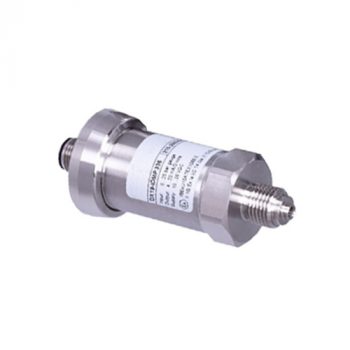






















- Power requirements: 24 VDC nominal, 12–30 VDC @ 100 mA
- Output: 4–20 mA (a module to convert output to other controller inputs is available)
- Response time: < 0.025 seconds
- Temperature range: -40°C to +150°C (-40°F to +300°F), 235°C (455°F) with specified water or air cooling
- Process pressure: To 400 psig (2.8 MPa)
- Sensitivity (Standard): 5 mA @ 1×10¹⁰ photons/in²/sec. @ 310 nm
- Sensitivity (ILG): 6.5 mA @ 1×10¹⁰ photons/in²/sec. @ 310 nm

 Datasheet Datasheet |
| User Manual |

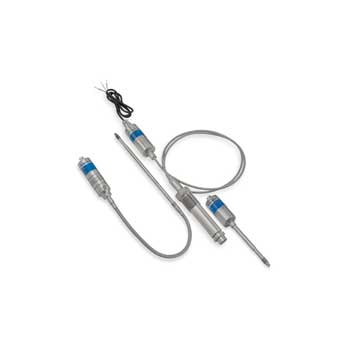
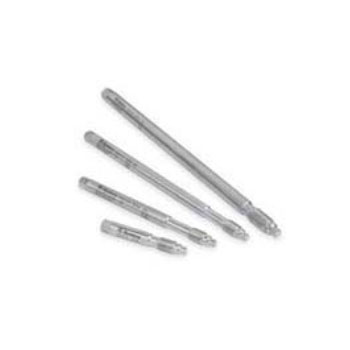
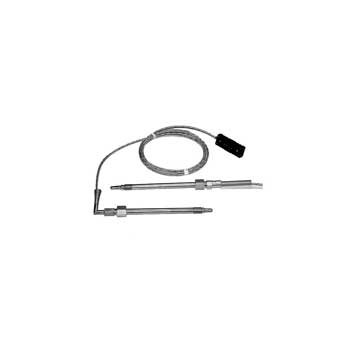
- Power supply: 24 VDC nominal, 12–30 VDC @ 100 mA
- Output: 4–20 mA (module available to convert output for other controller inputs)
- Response time: < 0.175 seconds
- Temperature range:
Cool end: –51 °C to 140 °C (–60 °F to +284 °F)
Hot end: –51 °C to 325 °C (–60 °F to +617 °F) - Process pressure: up to 400 psig (2.8 MPa)
- Sensitivity (Standard): 5 mA @ 1×10¹⁰ photons/in²/s @ 310 nm
- Sensitivity (ILG): 6.5 mA @ 1×10¹⁰ photons/in²/s @ 310 nm
| Datasheet |
| User Manual |
| User Manual |

Flame Sensors
Flame sensors are detectors designed to identify the presence or behaviour of a flame — i.e. open combustion or fire — often by detecting the characteristic radiation emitted by flames (UV, infrared or visible), or by ionisation or thermal effects. They are used for flame monitoring in burners, furnaces and industrial combustion systems to ensure operational safety and control. Modern flame sensors output an electrical signal upon flame detection, which can trigger alarms, shut off fuel supply or initiate fire suppression. :contentReference[oaicite:17]{index=17}
What is a flame sensor?
A flame sensor is a device that detects whether a flame is present and converts that information into an electrical output. Flame detection is often much faster than smoke or heat detection, enabling immediate response when combustion begins or ends. :contentReference[oaicite:18]{index=18}
How does a flame sensor work?
Depending on its type, a flame sensor detects distinctive signals from the flame: - IR flame sensors detect the infrared radiation emitted by flames. :contentReference[oaicite:19]{index=19} - UV flame sensors detect ultraviolet radiation from flames. :contentReference[oaicite:20]{index=20} - Some sensors combine UV and IR detection to reduce false alarms and reliably detect flames from various fuel types. :contentReference[oaicite:21]{index=21} - In some systems, ionisation-based detectors or thermal sensors (detecting flame heat) are used. :contentReference[oaicite:22]{index=22} A light-sensitive or thermal-sensitive detection element converts the radiation (or heat, ionisation) to an electrical signal — triggering further action like alarm, fuel shutoff or suppression. :contentReference[oaicite:23]{index=23}
Which flame sensor types exist?
- **UV flame sensors** – detect flame by ultraviolet emission. Fast reaction but sensitive to stray UV light. :contentReference[oaicite:24]{index=24} - **IR flame sensors** – detect infrared emission, effective also with smoke or in dim conditions, suited for oil or gas flames. :contentReference[oaicite:25]{index=25} - **Combined UV/IR sensors** – use both detection principles for improved reliability and false-alarm immunity. :contentReference[oaicite:26]{index=26} - **Ionisation / Flame-rod sensors** – rely on ionised particles or conductivity of the flame (common in gas- or oil-burners). :contentReference[oaicite:27]{index=27} - **Thermal / Heat-based sensors** – detect temperature rise of flame or combustion gases, though less common and slower than optical/IR types. :contentReference[oaicite:28]{index=28}
Why use flame sensors?
They enable fast, reliable detection of combustion and fire — often before smoke appears. This allows prompt responses such as shutting off fuel supply or triggering alarms, improving safety in boilers, industrial furnaces, burners and combustion systems. :contentReference[oaicite:29]{index=29}
What are important installation and environment requirements?
The sensor must have a clear line of sight to the flame or combustion zone. Any obstacle, smoke, steam, dust or interfering radiation (IR, UV) may impair detection. Infrared sensors must avoid other strong IR sources; UV sensors must avoid stray UV light. Proper alignment, clean optics and robust housing are critical, especially in industrial conditions. :contentReference[oaicite:30]{index=30}
How fast do flame sensors react?
High-quality flame sensors detect flames within milliseconds to a second, much faster than traditional heat or smoke detectors — an essential feature for safety and combustion control systems. :contentReference[oaicite:31]{index=31}
What are typical limitations or risks of flame sensors?
False alarms can occur due to stray radiation (sunlight, welding, hot surfaces), reflections, dust, steam or other interference. UV sensors may respond to welding arcs; IR sensors may mistake hot surfaces for flame. Ionisation sensors fail if flame type or fuel changes (e.g., from gas to oil). Regular maintenance, correct positioning and calibration are necessary for reliable operation. :contentReference[oaicite:32]{index=32}
Where are flame sensors typically used?
They are used in industrial furnaces, boilers, gas or oil burners, power plants, chemical plants, process industry, heating systems and anywhere real-time flame detection is required. Typical applications include flame supervision in heating systems, safety shutdowns, fire detection and combustion monitoring in industrial plants. :contentReference[oaicite:33]{index=33}