


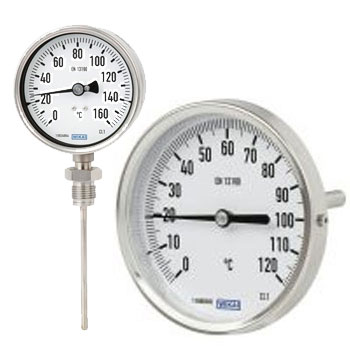
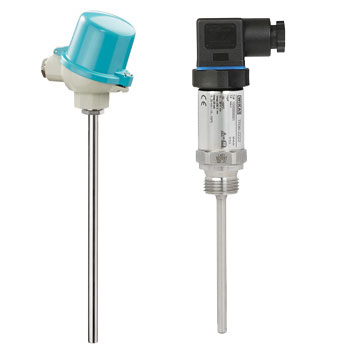
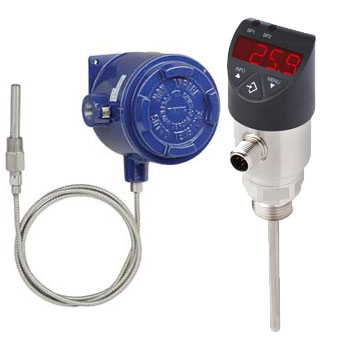
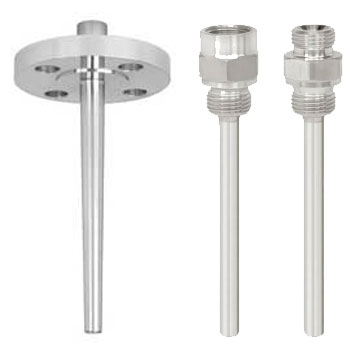
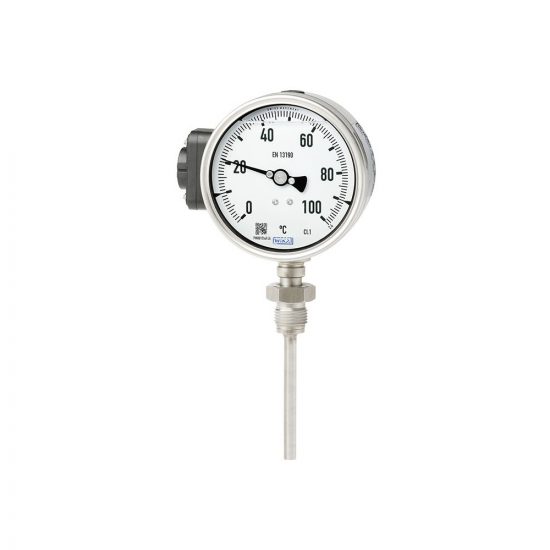

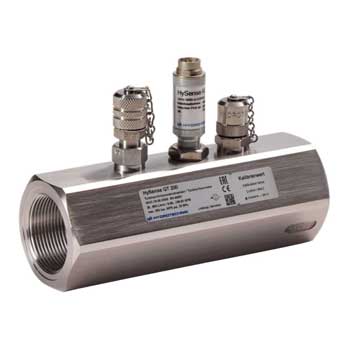
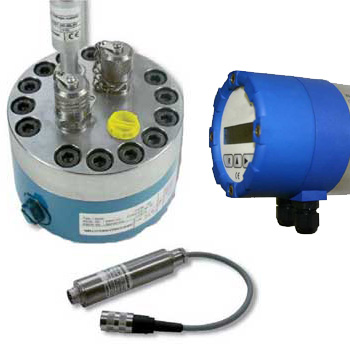
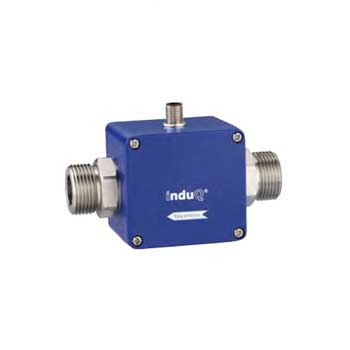
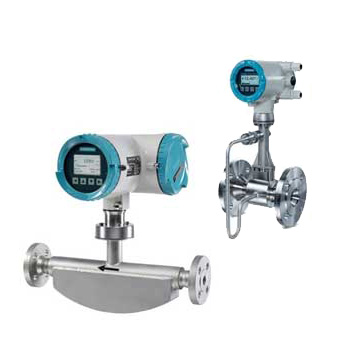
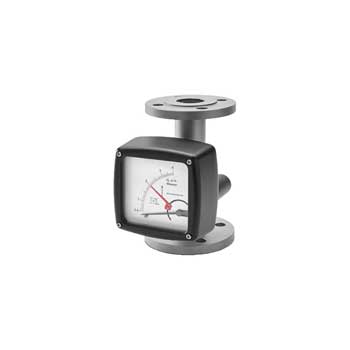
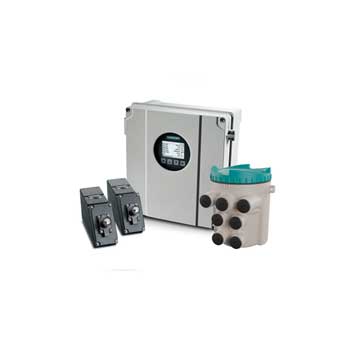
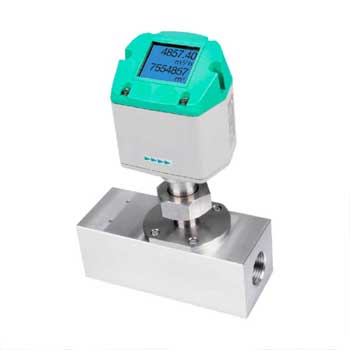
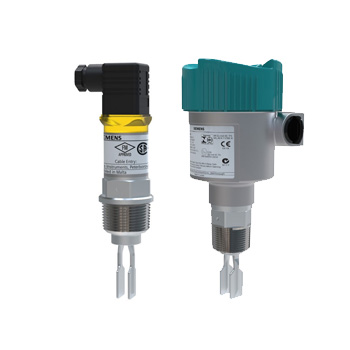
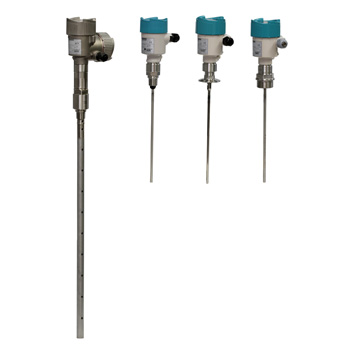
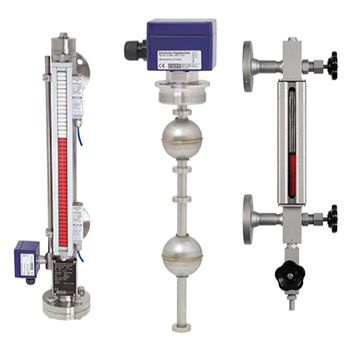
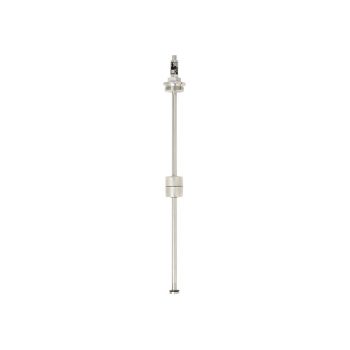



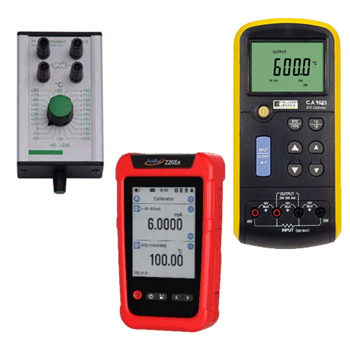
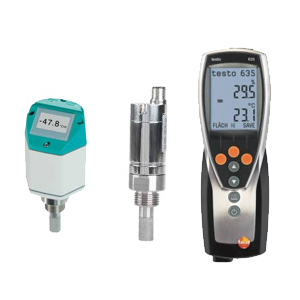
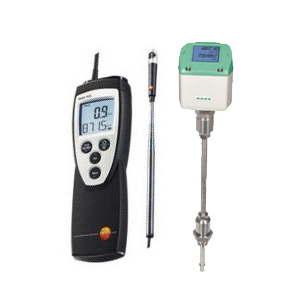
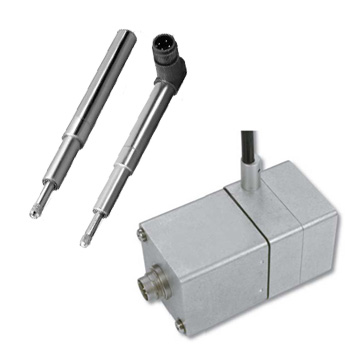
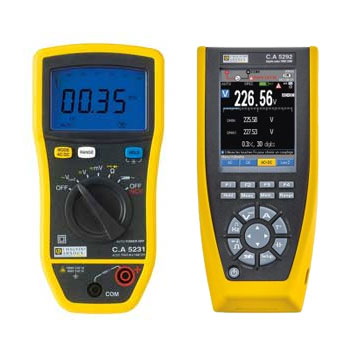
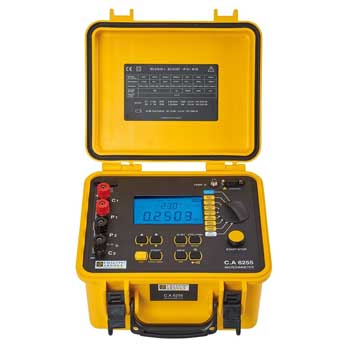
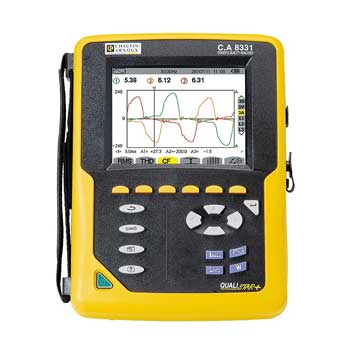
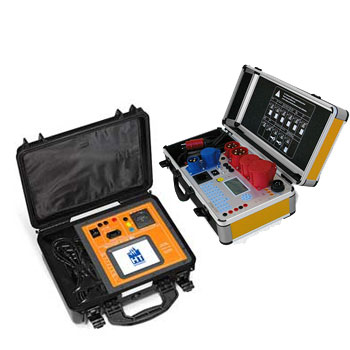


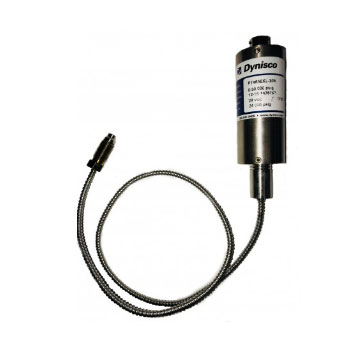
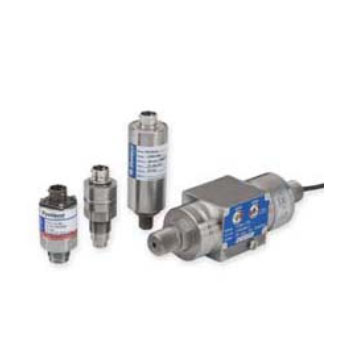
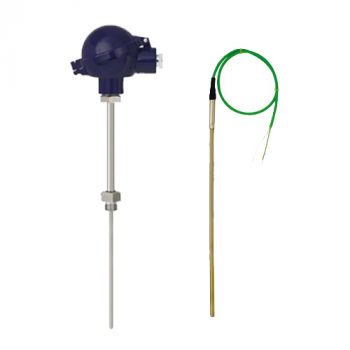
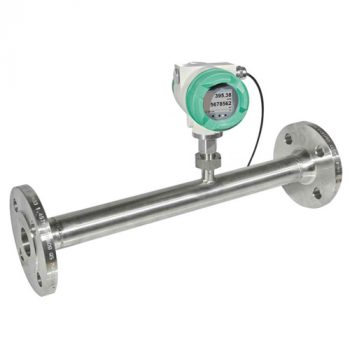
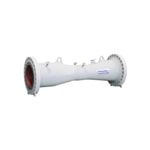
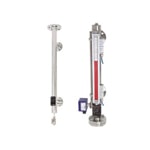
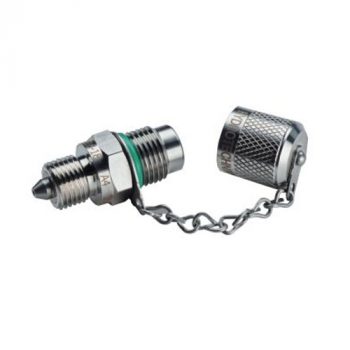
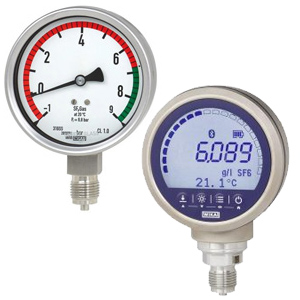
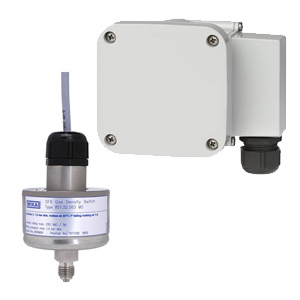
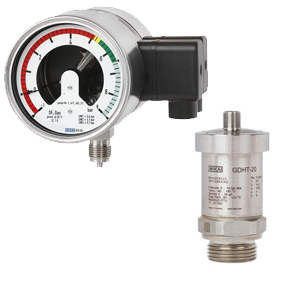
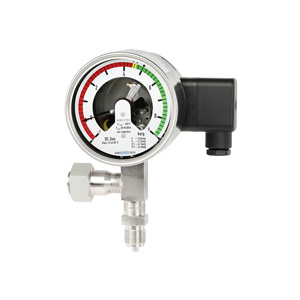
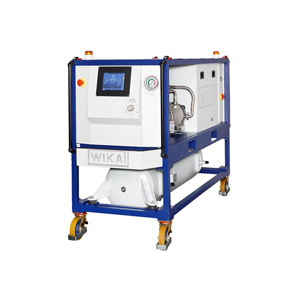
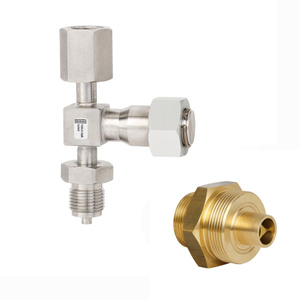
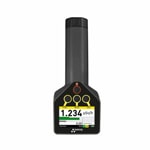
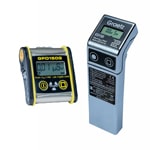



























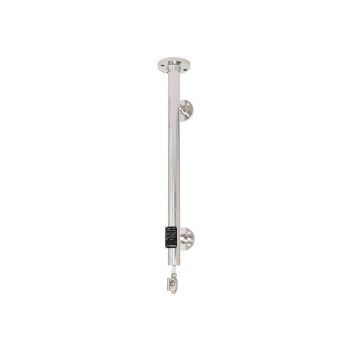
- Process- and procedure-specific production
- Operating limits: - Operating temperature: T = -196 ... +450 °C - Operating pressure: P = Vacuum up to 400 bar
- Wide variety of different process connections and materials
- Mounting of level sensors and guided wave radars possible as an option
 Datasheet Datasheet |
| User Manual |

H² Level Sensors for Hydrogen Systems
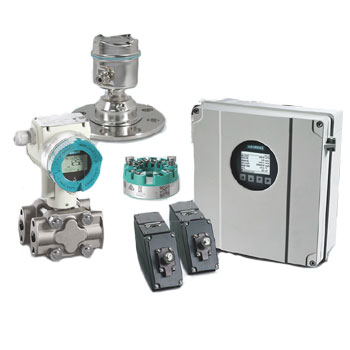
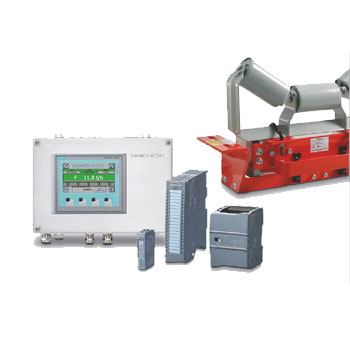
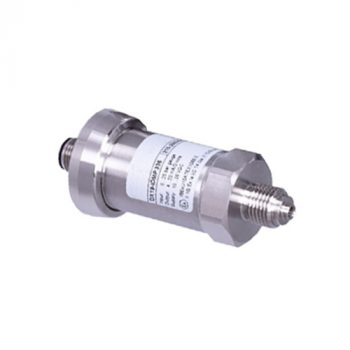
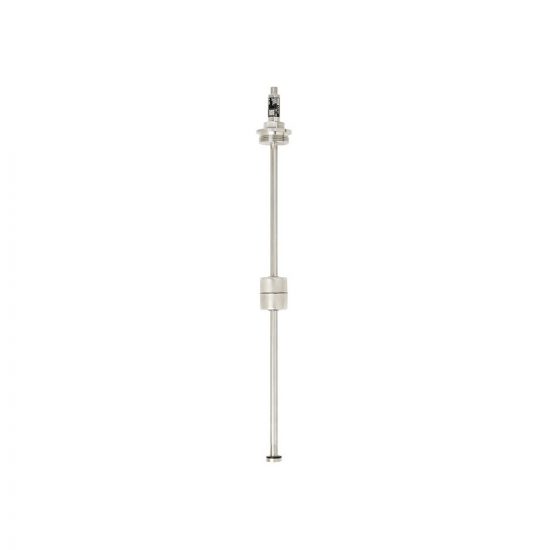
H² level sensors are designed to measure the fill level of hydrogen gas or hydrogen-containing media (liquid or gaseous) inside tanks, pressure vessels or pipelines. They are engineered to meet the specific challenges posed by hydrogen — low density, high diffusion tendency, possible pressure and temperature fluctuations, and strict safety requirements. These sensors use appropriate measurement principles and hydrogen-resistant materials to ensure accurate, safe and reproducible level detection.
FAQ / Frequently Asked Questions
What is an H² level sensor?
An H² level sensor is a device that detects the content volume of hydrogen (gas or liquid) in a storage vessel or tank and outputs a signal proportional to the current fill level. This signal can be used for monitoring, control or billing purposes.
Which measurement principles can be used for hydrogen level sensing?
Depending on the application, hydrostatic pressure sensors, capacitive sensors, ultrasonic or radar measurement principles may be used — provided they are designed for hydrogen and optionally for extreme conditions.
What must be considered when selecting materials?
Media-contacting parts must be hydrogen-resistant, for example high-alloy stainless steels or specially tested alloys, to prevent diffusion, embrittlement and permeation. Seals and housings must also be hydrogen-compatible.
Which challenges arise in hydrogen level measurement?
The low density and high compressibility of hydrogen make accurate detection difficult — especially in gaseous state. Changes in pressure and temperature cause strong density variations, requiring compensation or correction mechanisms. Additionally, safety and leak prevention are critical to avoid leaks and explosion hazards.
When are hydrostatic sensors suitable?
Hydrostatic sensors — measuring pressure at the bottom of a vessel — are suitable when dealing with liquid hydrogen. They are simple, robust and deliver reliable level information when properly calibrated and matched to the medium and temperature conditions.
When are capacitive or ultrasonic / radar sensors advantageous?
Capacitive sensors are useful when the medium is not clearly liquid or when phase changes are possible. Ultrasonic or radar sensors allow non-contact level measurement, beneficial when conditions vary strongly, high pressure exists, or the medium is aggressive — provided the sensors are certified for hydrogen use.
How are pressure and temperature fluctuations managed?
As hydrogen density depends strongly on pressure and temperature, the sensor or system must record these parameters or rely on external data to correctly determine the actual fill level. Compensation to standard conditions may be required for meaningful results.
Which safety and approval requirements are relevant?
Hydrogen applications require strict standards for gas tightness, explosion protection, material verification and possibly pressure vessel regulations. The sensor and housing must be certified for H₂ environments, and applications must comply with relevant safety norms for storage and containment systems.
What level of accuracy can hydrogen level sensors achieve?
Accuracy depends heavily on the measurement principle, the medium and operating conditions. For liquid hydrogen with hydrostatic sensors, high precision is generally achievable; for gaseous hydrogen uncertainties are higher due to density changes and compressibility. Proper calibration and compensation are critical for reliable results.
How are H² level sensors installed?
Installation must ensure gas-tightness and pressure resistance, placing the sensor at correct reference points inside the tank. For contactless methods (ultrasound, radar), a clear path and correct mounting are required; for hydrostatic methods, the sensor must be mounted at the vessel bottom or a defined reference level. Safety measures such as pressure relief or leak detection are essential.
How often should H² level sensors be checked or calibrated?
Intervals depend on load cycles, medium, usage and safety requirements. In critical applications regular tightness checks, function tests and — if needed — recalibration or comparison measurements with independent reference methods are advised.
Where are H² level sensors typically used?
H² level sensors are utilized in hydrogen storage tanks (gas or liquid), pressure vessels, transport tanks, distribution systems, industrial process vessels as well as in refuelling stations and research facilities.
How do hydrogen level sensors differ from sensors for other gases or liquids?
They differ by the use of hydrogen-resistant materials, special sealing systems, and often need density and pressure compensation. Standard sensors for air, water or oil are usually not suitable because they do not sufficiently address hydrogen embrittlement, permeation or leak risks.