







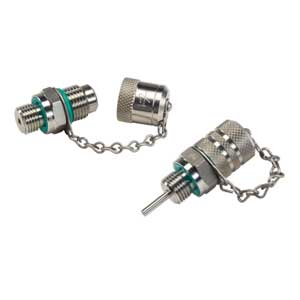
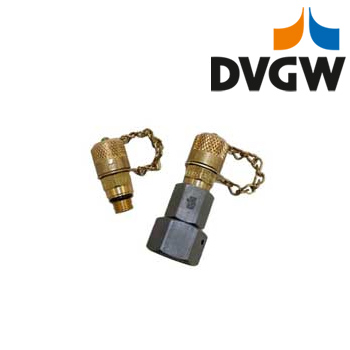



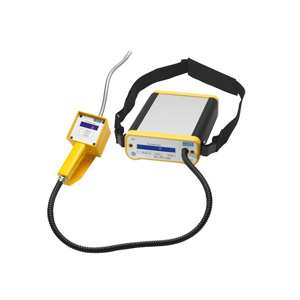
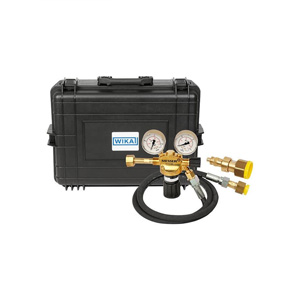
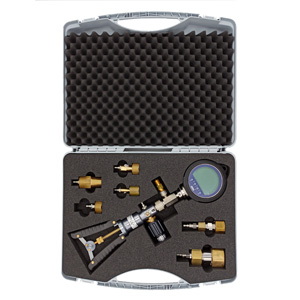
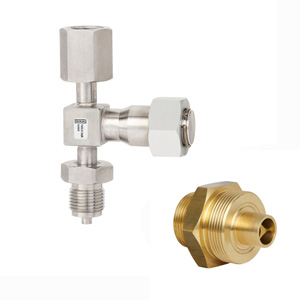































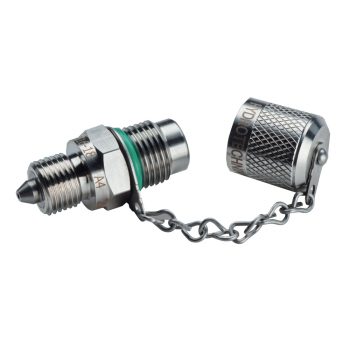
- Operating pressure up to 1,000 bar
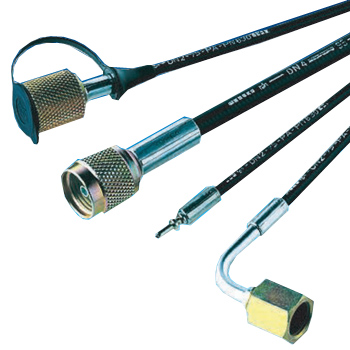
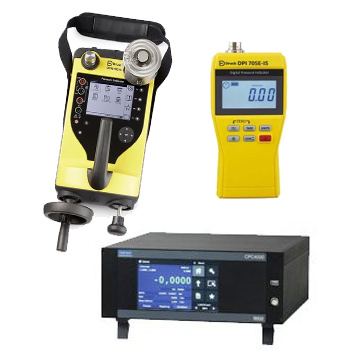
- Connection of hoses or measuring equipment such as sensors and pressure gauges
- Sampling and venting
- Coupling by hand and without system downtime - up to 700 bar
- For oil or gas applications
- Use with hydrogen possible (with reduced pressure range)
 Datasheet Datasheet |
| Flyer |
Gaseous Hydrogen |

H2 Minimess Couplings for Hydrogen Applications
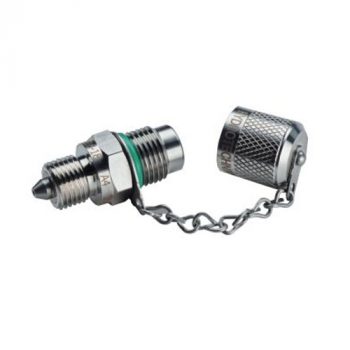
H2 Minimess couplings are compact test and service ports for gaseous hydrogen in pressurised systems. The quick-connect design with integrated check valve allows safe connection of hoses, measuring instruments and filling lines under system pressure. Corrosion-resistant stainless steels and hydrogen-compatible sealing materials minimise leakage and permeation, providing reliable measuring and service points in high-pressure hydrogen installations.
Frequently Asked Questions about H2 Minimess Couplings
What is an H2 Minimess coupling and what is it used for?
An H2 Minimess coupling is a small test and service connection with an integrated check valve that enables safe access to pressure, temperature or gas samples in hydrogen systems. Typical uses include pressure monitoring, leak testing, venting, purging and filling or draining of lines and storage vessels.
Which pressure ranges are typically supported by H2 Minimess couplings?
Depending on size and design, H2 Minimess couplings can operate in medium to high pressure ranges. Standard versions often cover pressure ranges up to around 400 to 630 bar, while high-pressure variants can be designed up to 1,000 bar. For hydrogen service, the permissible working pressure is usually defined conservatively and depends on material, seal type and approval.
Which materials are used for hydrogen-compatible Minimess couplings?
H2 Minimess couplings are generally manufactured from stainless steels such as 1.4571 or 1.4404 or equivalent grades. These materials offer high corrosion resistance and are significantly less susceptible to hydrogen embrittlement than unalloyed steels or brass. For particularly demanding applications, additional surface treatments or barrier coatings may be used.
Which sealing materials are suitable for hydrogen service?
Typical sealing materials include FKM, HNBR, EPDM or PTFE-based seals that are released for hydrogen use. The selection depends on pressure, temperature range and required gas purity. For high-pressure or low-temperature applications, special hydrogen compounds with optimised gas tightness and low permeation are often applied.
Can H2 Minimess couplings be connected and disconnected under system pressure?
Yes, as long as the specified pressure limits are observed, the couplings are designed for connecting and disconnecting under system pressure. When coupling, a plunger opens the integrated check valve so that the medium can flow towards the measuring or service connection. When uncoupling, the valve closes automatically and prevents uncontrolled gas release.
For which media can H2 Minimess couplings be used?
The primary medium is gaseous hydrogen, including pure H₂ and hydrogen blends, for example with natural gas. Depending on design, the couplings can also be suitable for other neutral or technical gases. Media compatibility must always be checked against the body material, seal material and operating conditions.
Which connection sizes and thread types are available?
H2 Minimess couplings are available with various threaded connections, such as metric threads like M16×2 or M12×1.5 and imperial threads such as G 1/4 or 1/4" NPT. In addition, there are versions with hose tails, T-fittings or direct adapters for gauges, sensors and calibration devices, enabling easy integration into existing systems.
How is leakage and permeation tightness ensured for hydrogen?
Leak tightness is achieved by precisely machined sealing surfaces, suitable seal materials and a check-valve-based internal design. For hydrogen, very low leak rates in the order of 10⁻⁵ mbar·l/s are targeted, depending on specification and test standard. Appropriate metallic materials and any additional coatings further reduce hydrogen permeation through metal and seals.
Which temperature ranges are H2 Minimess couplings designed for?
The permissible temperature range is strongly influenced by the selected sealing material. Typical operating ranges are roughly from -20 °C to +80 °C or higher; special variants can be approved for lower temperatures or elevated process temperatures. Medium temperature, ambient conditions and possible temperature spikes must be considered during system design.
Are H2 Minimess couplings suitable for mobile use and test benches?
Yes, the compact design and the ability to connect under pressure make H2 Minimess couplings particularly suitable for portable test equipment, service teams and component test benches. They enable fast measurements and tests without permanently installed measuring sections and help to minimise system downtime.
In which typical hydrogen applications are H2 Minimess couplings used?
Typical applications include hydrogen refuelling stations, storage and buffer tanks, compressors, pressure reduction systems, component test benches, fuel cell and electrolyser systems, as well as hydrogen distribution lines in industry and research. Through these couplings, pressure, temperature and tightness can be monitored, and systems can be filled, purged or ventilated.
Can existing installations be retrofitted with H2 Minimess couplings?
In many cases, existing measuring or service points can be retrofitted with H2 Minimess couplings using suitable adapters or fittings. The prerequisite is that thread type, materials and permissible pressures of the installation match the selected coupling and that the relevant standards and safety requirements are observed.
Which safety aspects must be considered during installation and operation?
The general rules for pressurised gas and hydrogen safety must be observed. This includes correct installation using specified tightening torques, the use of compatible sealing and lubricating materials, regular leak tests, appropriate venting concepts and adequate ventilation of the installation area. Damaged or leaking couplings must not be used and have to be replaced.
How often should H2 Minimess couplings be inspected or serviced?
Inspection intervals depend on operating conditions, number of coupling cycles and internal maintenance rules. In critical applications, regular visual inspection for damage, corrosion and contamination, along with periodic leak testing, is recommended. Seals and protective caps should be replaced in good time when wear or ageing effects become apparent.