








































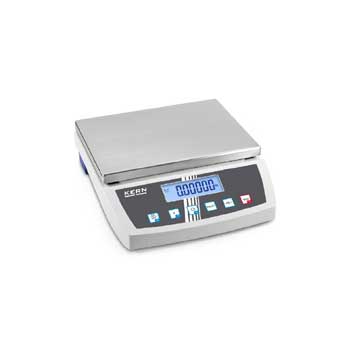

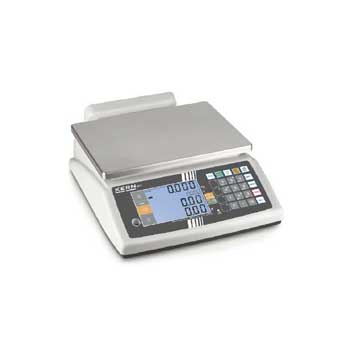
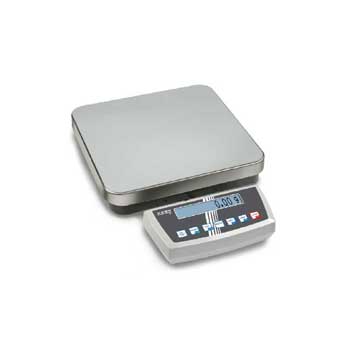

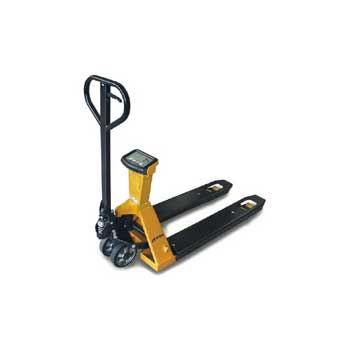


Industrial Scales – Robust Weighing Technology for Production, Logistics & Material Handling
Industrial scales are designed for demanding environments in manufacturing, warehousing, shipping and material flow applications. They enable precise weighing of goods, containers, pallets, components, bulk material or heavy loads and offer reliable performance even under challenging conditions.
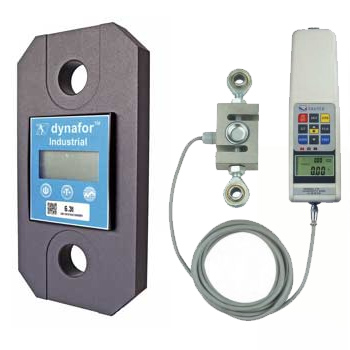
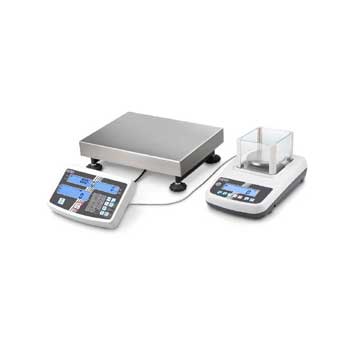
The category includes floor scales, platform scales, pallet scales, crane/hanging scales and counting scales. Typical features are rugged steel or stainless-steel construction, high load capacities of several tons, IP-protected versions, legal-for-trade options and interfaces for process integration (e.g., RS-232, USB, Ethernet).
FAQ About Industrial Scales
Answers about selection, functionality, installation, accuracy and application areas.
What is an industrial scale?
An industrial scale is a heavy-duty weighing system designed for production and logistics environments. It is built for high loads, robust mechanics and reliable, repeatable weight measurement.
What types of industrial scales exist?
- Floor scales for pallets, containers and heavy loads
- Platform scales for goods-in, goods-out and assembly stations
- Pallet and drive-through scales for fast logistics workflows
- Crane/hanging scales for overhead lifting and weighing
- Counting scales for determining quantities of small parts
Which criteria are important when selecting an industrial scale?
Important selection parameters include:
- Maximum load capacity and required accuracy
- Platform size and height
- Material (steel/stainless steel) and protection class
- Legal-for-trade requirements (verification)
- Data interfaces such as RS-232, USB or Ethernet
- Installation conditions: floor-mounted, pit-mounted, mobile or stationary
Where are industrial scales typically used?
Typical applications include goods-in, shipping, production, container weighing, quality control, batching processes, warehouse logistics and filling or dosing applications.
What does “legal-for-trade” mean?
Legal-for-trade industrial scales are certified for commercial use where weight values are used for billing. They must be periodically verified according to local regulations.
How should an industrial scale be installed?
The scale should be placed on a level, stable, vibration-free surface. Cables must be installed without tension. For floor or pit installations, correct foundation and frame alignment are essential.
What are common error sources?
- Uneven or unstable installation surfaces
- Temperature fluctuations or air drafts
- Shock loads or uneven weight distribution
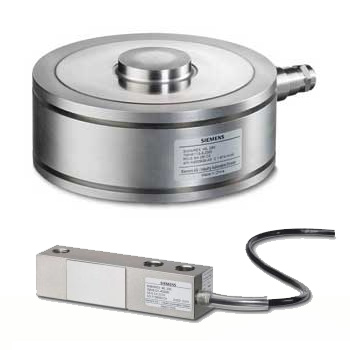
- Cable tension or mechanical stress on load cells
Which communication interfaces are available?
Industrial scales often provide RS-232, USB, Ethernet or fieldbus options to transmit weighing data to ERP, MES or quality management systems.
How is maintenance performed?
Regular inspection, platform cleaning, load cell checks and periodic calibration ensure long-term precision and reliability.
How can I request a quotation?
Please provide ICS Schneider Messtechnik with the required load range, platform size, accuracy expectations, environmental conditions and desired interface — you will receive a tailored proposal.