

















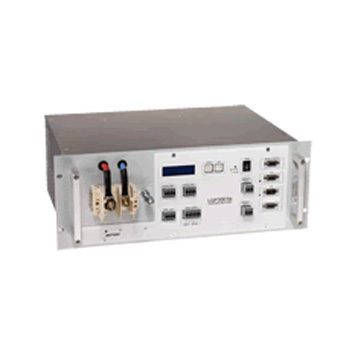
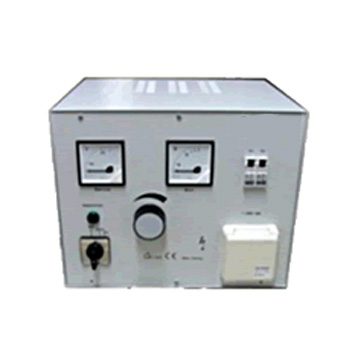
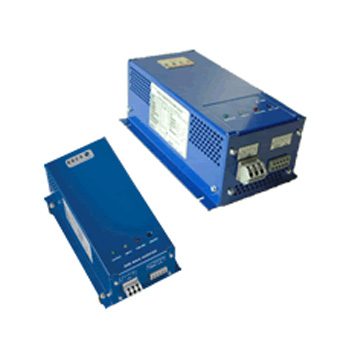
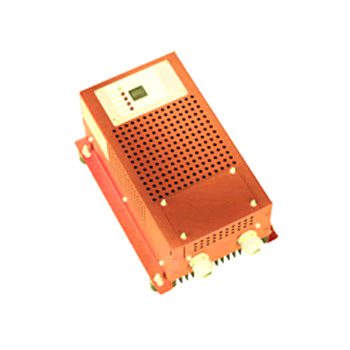




























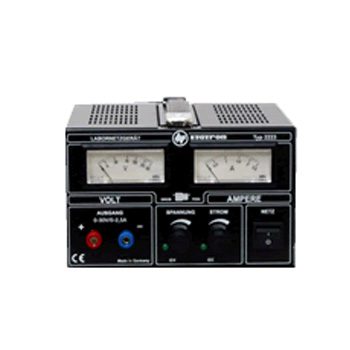
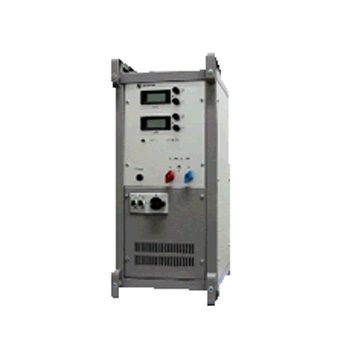

Laboratory Power Supply
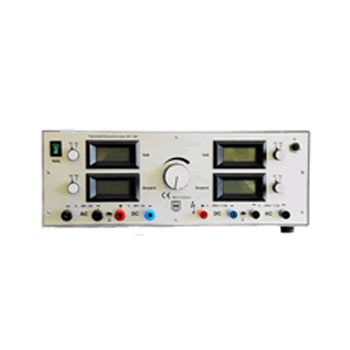
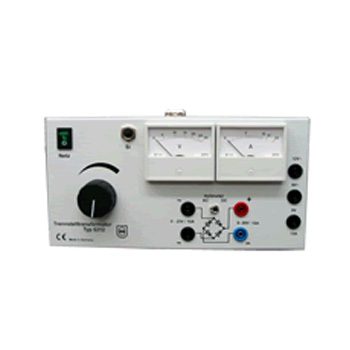
Laboratory power supplies are precisely adjustable voltage and current sources used in labs, testing rooms and development departments. They deliver stable DC (and occasionally AC) power with finely tunable output values and high regulation accuracy. Common protective features include over-current protection (constant current mode), short-circuit protection, over-temperature shutdown, and often digital displays for voltage and current. These devices are essential for testing, calibrating and powering sensitive measurement equipment or electronic components.
| Parameter | Typical Specification / Options |
|---|---|
| Output Voltage | 0–30 V, 0–60 V, 0–120 V or higher (depending on model) |
| Output Current | 0–3 A, 0–5 A, 0–10 A or more |
| Regulation Accuracy | ±(0.01 % + N mV or N mA) |
| Operating Modes | Constant Voltage (CV), Constant Current (CC), sometimes Constant Power (CP) |
| Outputs | Single or multi-output (e.g. dual, triple) |
| Display / Interfaces | Digital voltage/current meters, sometimes USB, RS-232 or LAN for control & logging |
| Protection Features | Over-current protection, short-circuit protection, over-temperature protection |
Questions & Answers on Laboratory Power Supplies
What is a laboratory power supply used for?
A laboratory power supply is used to provide electronic devices, sensors or measurement equipment in a lab environment with a defined voltage and current — for example for tests, calibrations or development. It ensures stable and regulated power for reproducible conditions.
What do constant voltage and constant current modes (CV / CC) mean?
In constant voltage mode (CV), the supply provides a preset voltage and adjusts the current automatically based on the connected load. In constant current mode (CC), a fixed current is supplied while the voltage adjusts depending on the load — useful for component testing or when a defined current is required.
Why are protection features important?
Protection features such as over-current protection, short-circuit protection or over-temperature shutdown protect both the supply and the connected electronics from damage due to overloads, faults or unexpected shorts, increasing safety in the lab.
How to choose appropriate voltage and current?
You should select the output voltage based on the maximum voltage requirement of the device or circuit — ideally slightly above that. The output current should cover the maximum current demand plus some margin to ensure stability.
Why are multi-output supplies useful?
Multi-output devices allow supplying several voltages simultaneously — e.g. 5 V and 24 V for different parts of a setup — with independent adjustment and power delivery, which is helpful in complex test or measurement rigs where multiple voltages are needed.
How important is regulation accuracy and stability?
High regulation accuracy and stable output are critical when operating sensitive sensors or measurement devices, since voltage fluctuations can lead to measurement errors or damage — particularly important during calibration or long-term testing.
What is the benefit of having interfaces like USB or LAN?
Such interfaces enable remote control, configuration, logging or automation of tests and calibration procedures — especially useful for repeated or automated measurement sequences or documentation requirements.
Is short-circuit protection relevant for lab power supplies?
Yes — laboratories often face the risk of short circuits due to incorrect connections or experimental setups. A short-circuit-safe supply shuts down or limits the output automatically without damaging the supply or the connected circuit.
How does temperature influence the performance of the power supply?
During prolonged high load, internal heat generation can become critical; overheating may cause voltage deviations or shutdown. Therefore good cooling, temperature monitoring and possibly ventilation are important to ensure stable performance even under continuous operation.
Where are laboratory power supplies typically used?
Typical applications include research and development, test benches, calibration laboratories, prototype setups, electronics and sensor development, as well as testing routines in industry, science or educational institutions.