




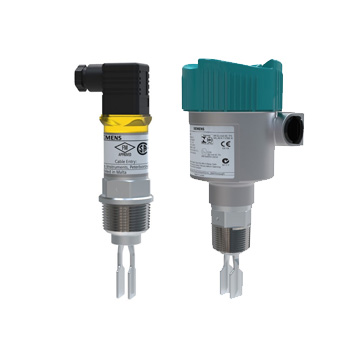
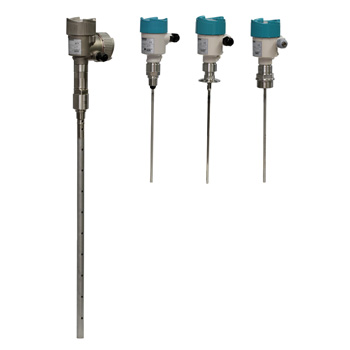
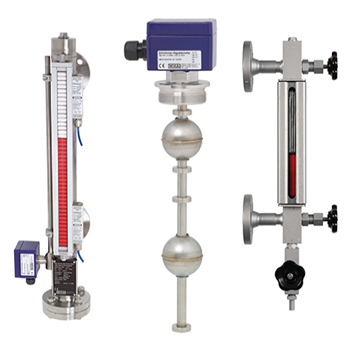



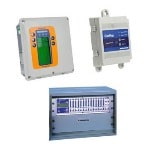
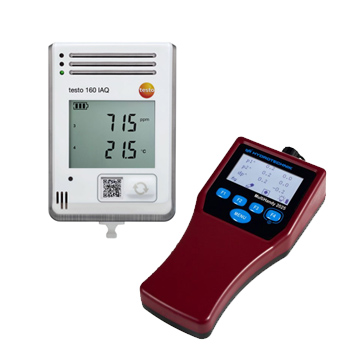
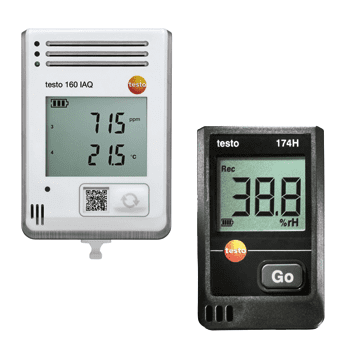
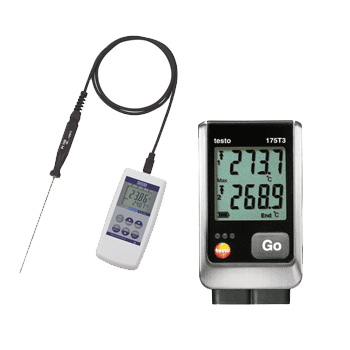
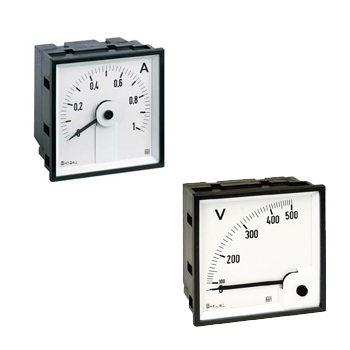
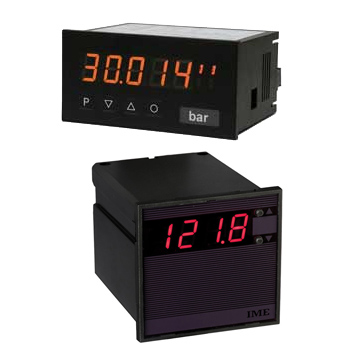
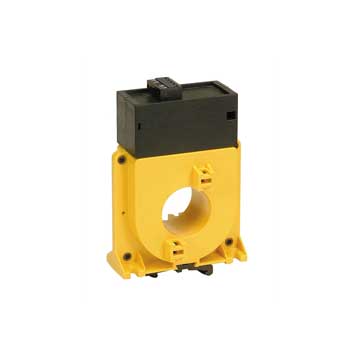
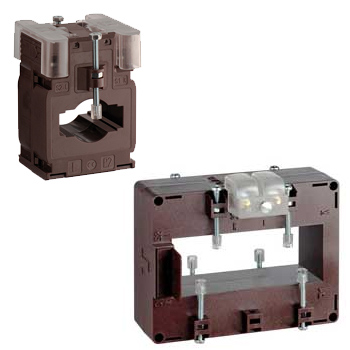



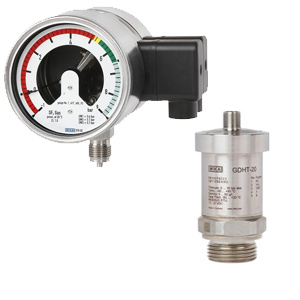
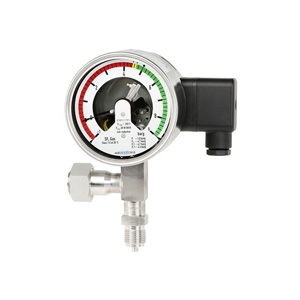
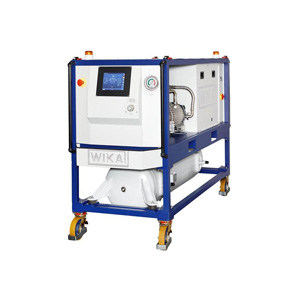
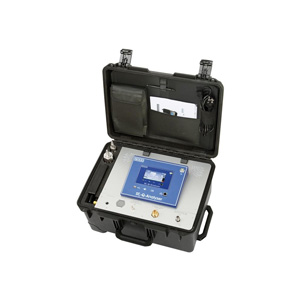
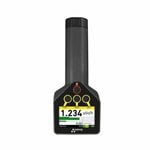
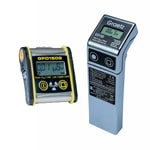
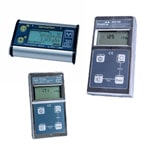
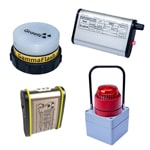
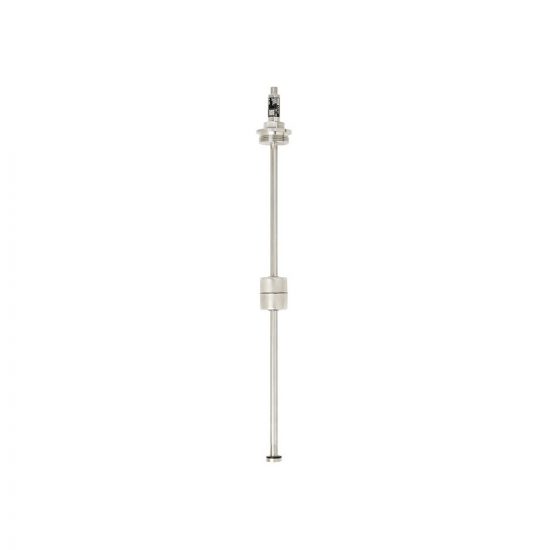
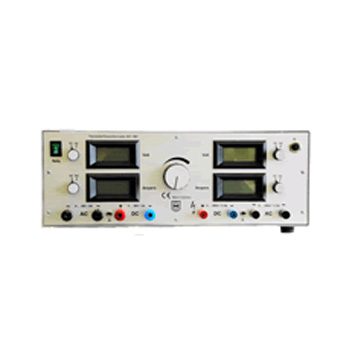
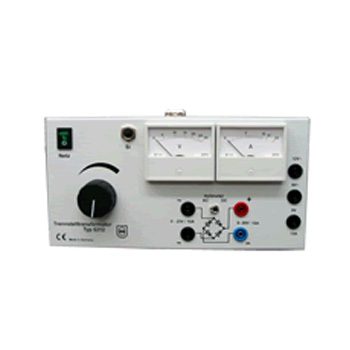
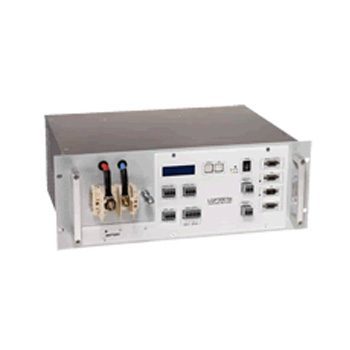
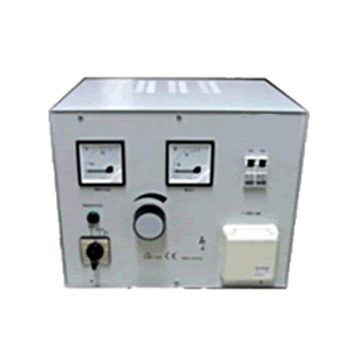
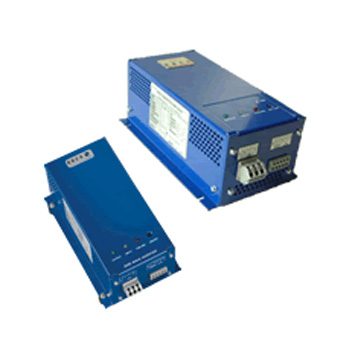
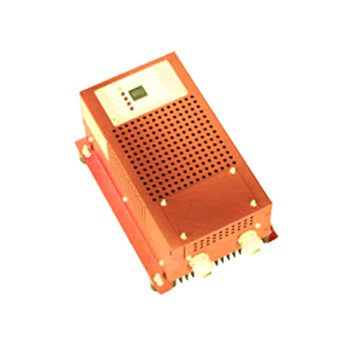

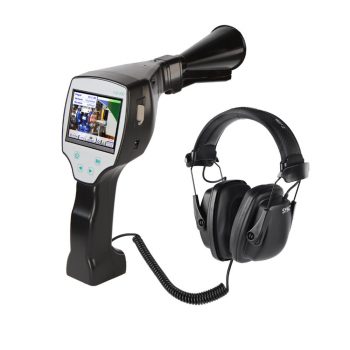




























Threshold Signal Generators
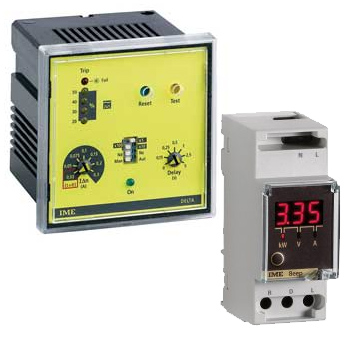
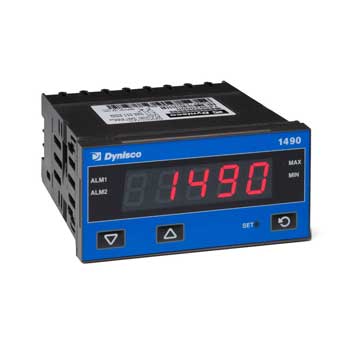
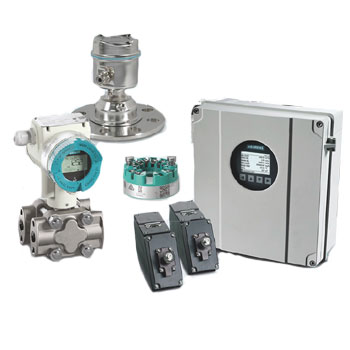
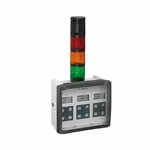
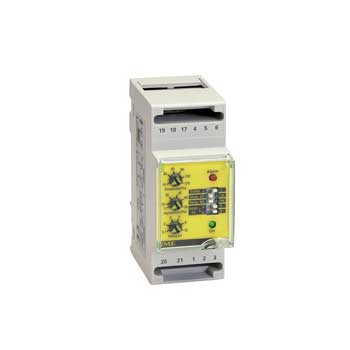
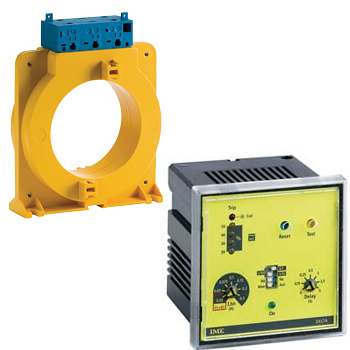
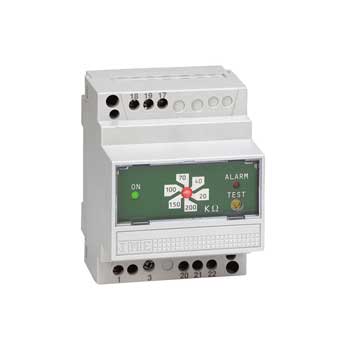
A threshold signal generator monitors input signals or measurements — for example current, voltage, temperature or other process values — and triggers an output signal whenever a defined threshold (upper or lower limit) is exceeded or undercut. This output can be used to alarm, log, control or shut down systems. Housed as compact DIN-/rail-mount modules, threshold signal generators integrate easily into existing control or monitoring setups.
Questions & Answers on Threshold Signal Generators
What is a threshold signal generator?
A device that watches a measurement or sensor input and outputs a signal when the input crosses a preset limit — for example when maximum current or voltage is exceeded.
What is the purpose of using one?
To monitor safety- or process-critical thresholds and trigger alarms, signalling or control actions automatically when those thresholds are violated.
How are the thresholds defined?
They are set via configurable parameters — e.g. potentiometers, DIP-switches or digital settings — depending on device capabilities.
What kind of outputs can it generate?
Typical outputs are relay contacts, switch pulses, alert signals or digital outputs, compatible with control or alarm systems.
Is galvanic isolation provided?
Often yes — input and output are galvanically separated to prevent interference, ground loops or potential difference issues.
How is the device mounted and integrated?
It is mounted on a standard DIN rail and wired with the measurement input and output lines — simple integration into existing systems.
Where are threshold signal generators typically used?
In industrial plants, building automation, process control, safety systems or any application where key parameters must be continuously monitored and action taken automatically upon limit violation.
What are the main benefits?
Automatic detection of critical states, reliable triggering of safety or alarm responses, reduced need for manual monitoring, flexible configuration and straightforward integration.
Are there limitations?
If threshold values are not properly set, false alarms or missed detections can occur. For highly complex monitoring tasks, a simple threshold module may not be sufficient — more advanced systems may be needed.