






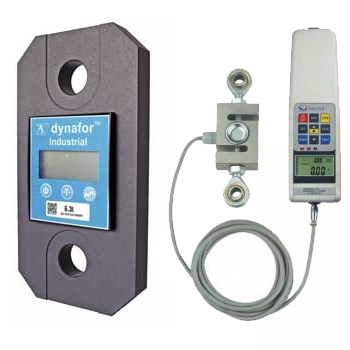
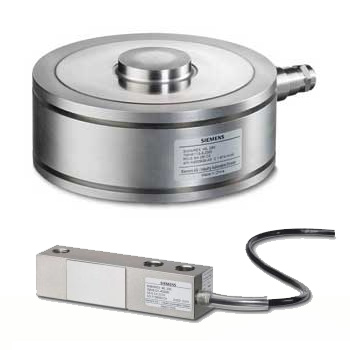
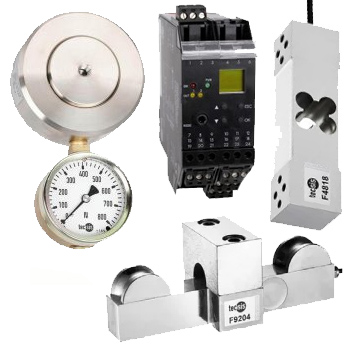
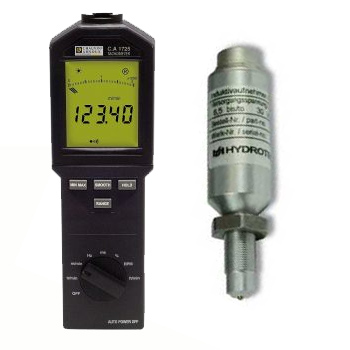
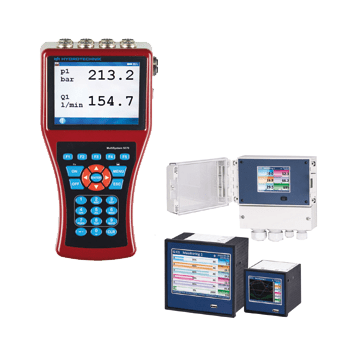
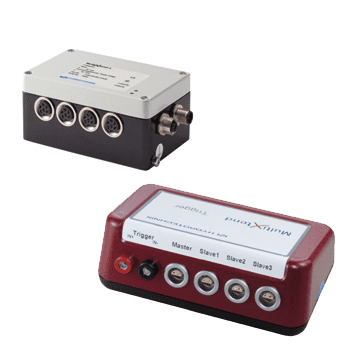
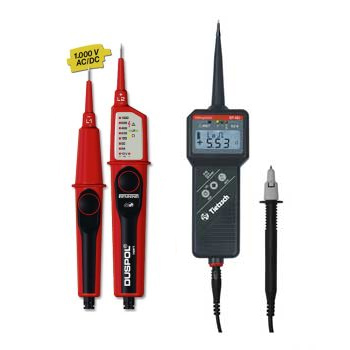
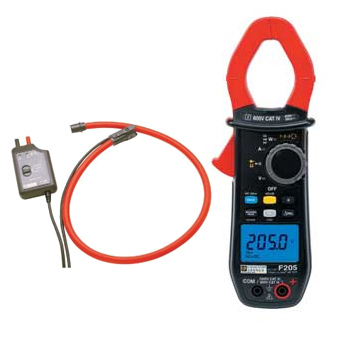
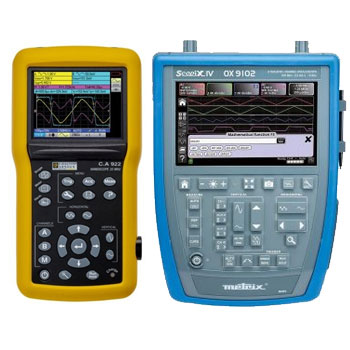
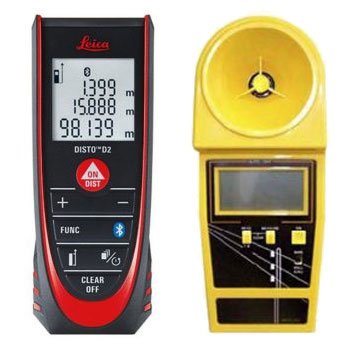
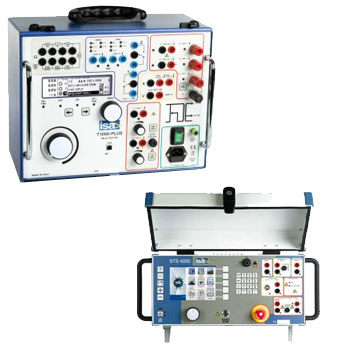
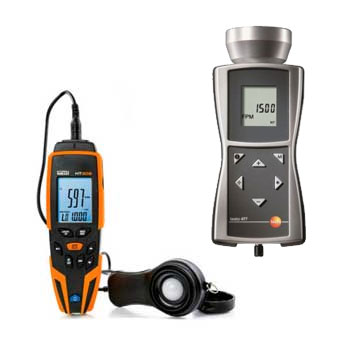


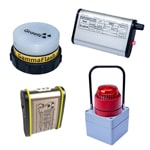
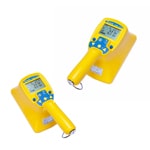
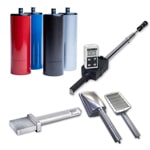
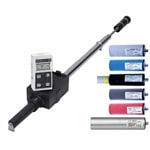

























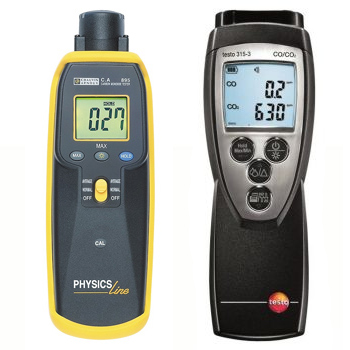

Measuring Instruments for Illuminance, Coating & Wall Thickness, RPM, Sound Level and Field Strength
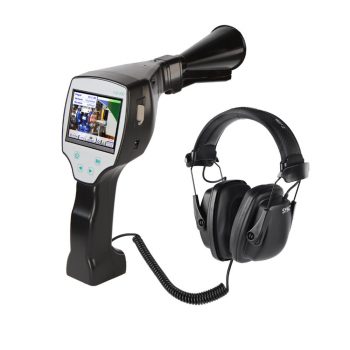
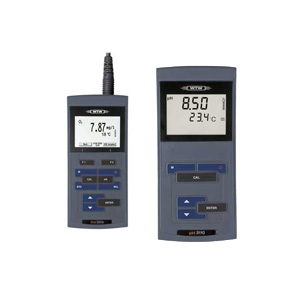
This category includes measuring and testing instruments for a variety of physical and technical parameters: illuminance, coating or wall thickness, wall thickness of materials, rotational speed, sound level, and field strength of electromagnetic or other fields. Such measurements are relevant for quality control, safety, maintenance, operational monitoring and compliance testing in industry, workshops and labs.
FAQ
Which parameters are covered with this device class?
Common measured parameters include: illuminance (light intensity), coating or dry-film thickness, wall thickness of materials, rotational speed (RPM), sound level (dB) and field strength (e.g. electromagnetic fields).
Why are dedicated instruments needed for coating or wall thickness measurements?
Because thicknesses must be measured precisely and reproducibly — for quality assurance, protection, structural integrity, functionality or regulatory compliance. Visual inspection or simple measurements are often insufficient, especially for thin coatings or critical components.
How is thickness measurement typically performed?
Depending on material and coating: magnetic induction, eddy-current, ultrasonic or other sensor-based methods are used. The instrument assesses changes in magnetic, electrical or acoustic properties due to the coating or wall, and computes the thickness accordingly.
When is rotational speed measurement needed?
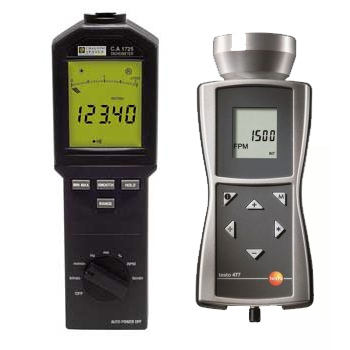
For rotating machinery — motors, fans, turbines, pumps — to ensure correct speed for performance, safety, wear prevention and compliance with specifications.
When is sound level measurement performed?
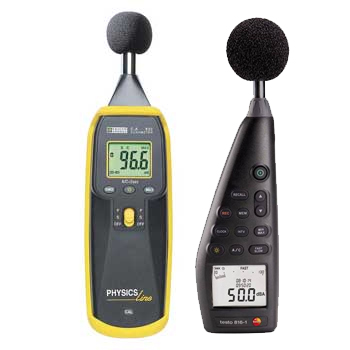
Where noise emissions, workplace safety, environmental noise, regulatory compliance or comfort need to be assessed — e.g. in factories, workshops, public spaces or near machinery.
What does field strength measurement check?
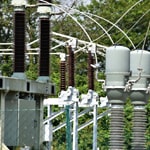
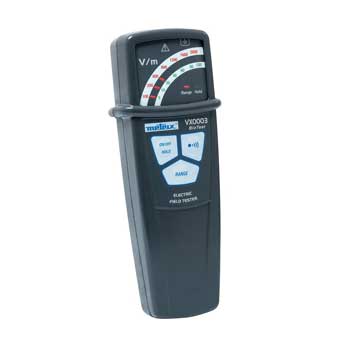
It measures intensity of electromagnetic or electric fields — important for EMC tests, compliance with exposure limits, device suitability or safety around electronic/electrical equipment.
Who performs such measurements?
Qualified personnel in quality assurance, maintenance, inspection or testing — depending on the parameter, possibly with expertise in electronics, mechanical systems, acoustics or safety regulations. Instruments should be calibrated and used according to instructions.
How often should these measurements be done?
Depending on application: at commissioning, after repairs or modifications, after installation, periodically for maintenance, or whenever irregularities are suspected. More frequent for safety-relevant or critical parameters.
How are measurement results documented?
With a test report specifying parameter, measured value, unit, instrument, measurement conditions, date and responsible technician. For thickness: material data; for illuminance: area and environment; for sound/field: location and conditions.
What sources of error must be considered?
Incorrect sensor placement, uncalibrated devices, rough or uneven surfaces, temperature or humidity changes, electromagnetic interference, external light reflection, improper measurement procedures or environmental factors.
What measurement accuracy can be expected?
Depending on instrument and method: from rough estimations to high-precision measurements (e.g. micron-precision for coating thickness, lux-accurate for illuminance). Calibration, appropriate method and correct handling are key.
When are portable instruments useful?
For on-site inspections, field maintenance, mobile quality checks, audits or flexible measurement tasks — in factories, outdoor installations, workshops or remote locations.
When is a stationary measurement setup recommended?
For high precision, controlled conditions, series testing or when environmental influences (temperature, humidity, vibration) must be minimized — e.g. in labs, workshops or production facilities.
What must be considered in illuminance measurement regarding conditions?
Measurement points and grids, avoidance of stray or ambient light, calibrated sensors, stable lighting conditions, consistent measurement geometry and documentation to ensure reproducible and comparable results.
How to ensure reliable results?
Through regular calibration, correct sensor use, stable environmental conditions, clean surfaces, proper measurement technique, and thorough documentation of conditions and results.
Are there multi-function measuring instruments?
Yes — there are modular or multi-parameter devices that combine several measurement functions (e.g. thickness, field strength, environmental parameters) and are suitable for comprehensive inspections, maintenance or quality control.