







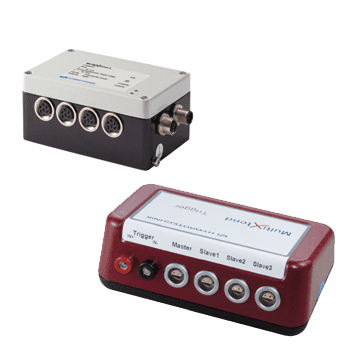
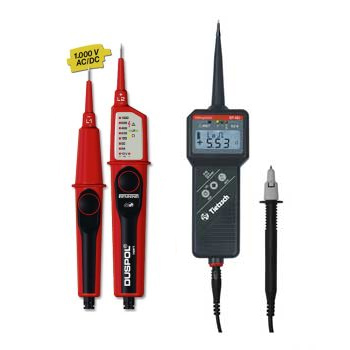
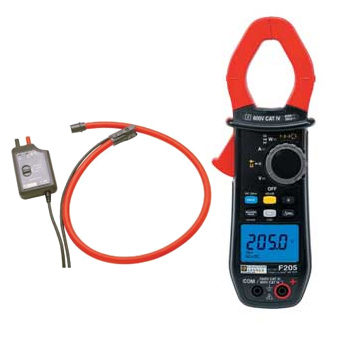
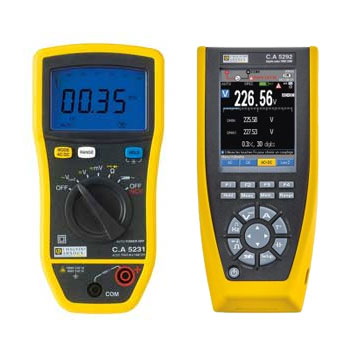
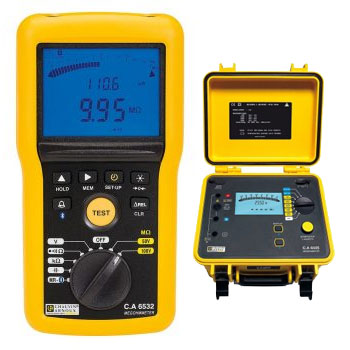
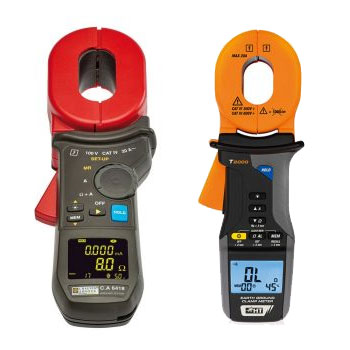
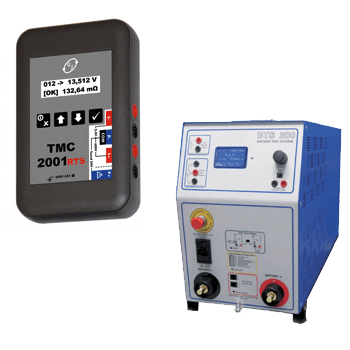
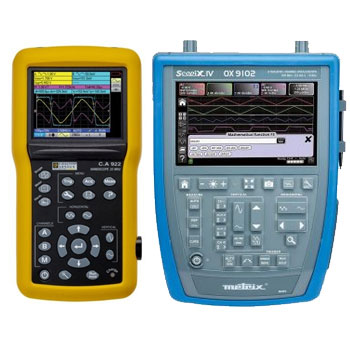



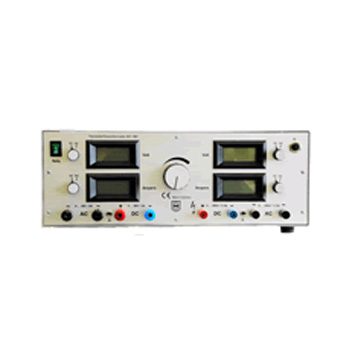
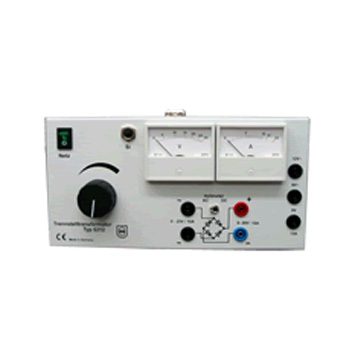
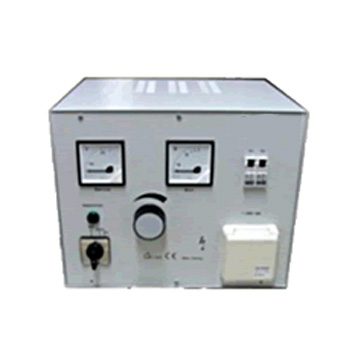



























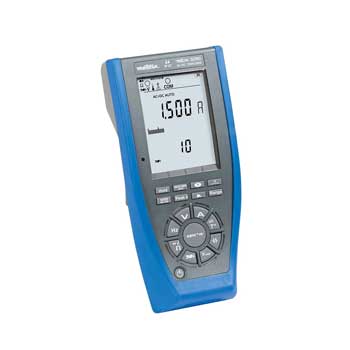

Multimeters
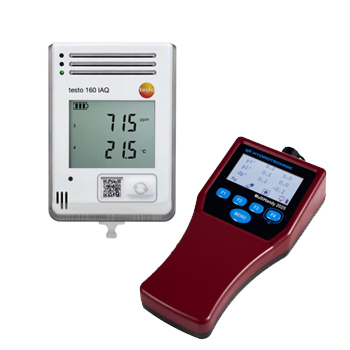
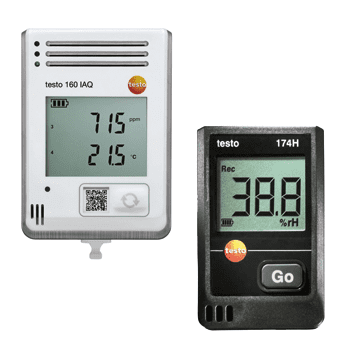
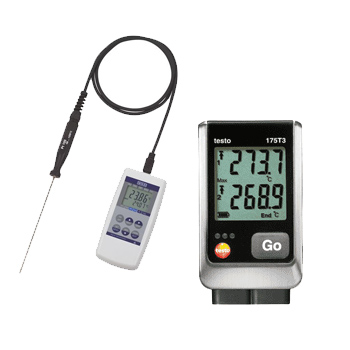
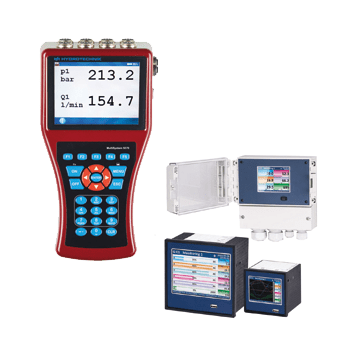
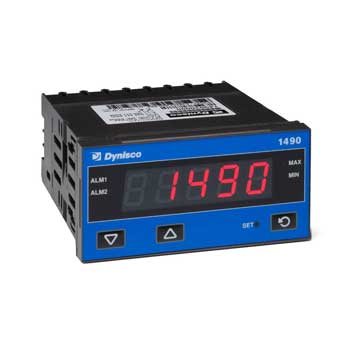
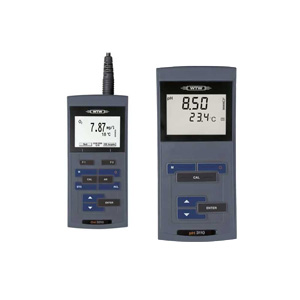
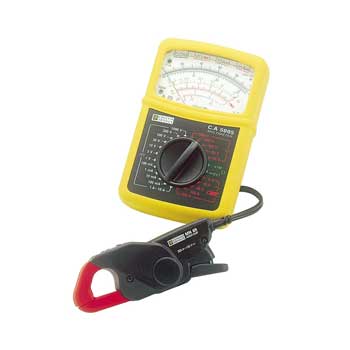
Multimeters are versatile measuring instruments used for essential and advanced electrical diagnostics. They commonly measure voltage, current and resistance and may include additional functions such as continuity testing, frequency, capacitance, temperature and diode testing. They are widely used in electrical installation, service, maintenance, panel building, laboratory environments and technical education.
FAQ
What is a multimeter?
A multimeter is an electrical measurement instrument that combines several measurement functions such as voltage, current and resistance in one device.
Which types of multimeters exist?
There are digital multimeters (DMM), analog multimeters and laboratory-grade precision meters. Digital multimeters are most common today.
What does True-RMS mean?
True-RMS ensures accurate measurement of distorted or non-sinusoidal waveforms, important for modern loads with switching electronics.
Which basic parameters can a multimeter measure?
Typical parameters include AC/DC voltage, AC/DC current, resistance, continuity and diode check.
Which additional features may be available?
Examples include capacitance, frequency, temperature measurement, relative mode, min/max capture, peak hold or low-pass filtering.
What is the meaning of CAT safety categories?
CAT I–IV defines the installation environment the meter is designed for (e.g., CAT III for distribution systems, CAT IV for service entrances).
Why are input fuses important?
High-performance fuses protect the user and the instrument during incorrect or overloaded current measurements.
How does continuity testing work?
The device checks for a low-resistance path. An audible signal simplifies quick diagnostics.
What must be considered when measuring current?
Current measurement may require breaking the circuit or using a clamp accessory. Incorrect connection may blow the fuse.
How are test leads connected correctly?
The COM jack is the common reference, and additional jacks are used depending on the selected measurement function.
What accuracy can be expected?
Accuracy ranges from basic tolerances in entry-level devices to high precision in laboratory meters.
What does “Counts” mean?
Counts indicate the display resolution, e.g., 6000 counts allows readings from 0 to 5999.
What are common error sources?
Frequent errors include wrong range selection, poor contact, defective test leads or measurements outside specification.
Can multimeters measure capacitance?
Many modern multimeters include capacitance measurement, often from nF up to several mF.
What is the diode test used for?
It measures the forward voltage of a diode and verifies correct functionality.
How is temperature measured?
Using an external thermocouple sensor, typically type K, connected to the instrument.
Which safety rules apply?
Select the correct function, observe the measuring range, use intact leads and ensure the CAT category matches the installation.
How often should multimeters be calibrated?
Typical calibration intervals range from one to two years depending on application and internal quality requirements.
What is the difference between auto-range and manual range?
Auto-range selects the appropriate measurement range automatically, whereas manual range requires the user to choose it.
In which fields are multimeters used?
In electrical installation, industry, building systems, machine service, laboratory measurement and technical training.