




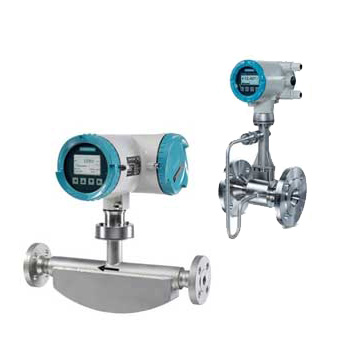
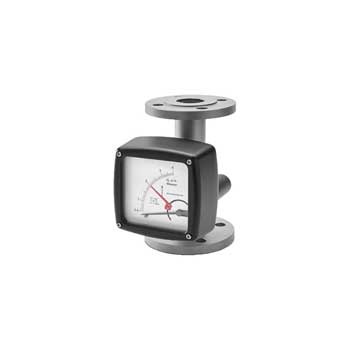
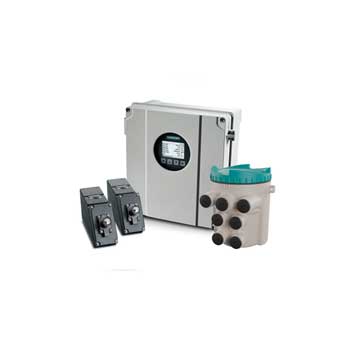
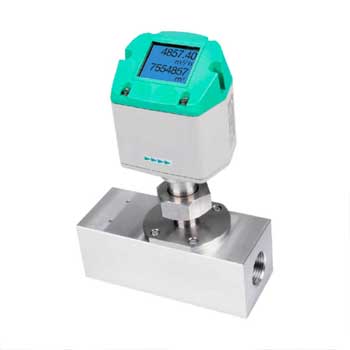



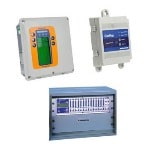


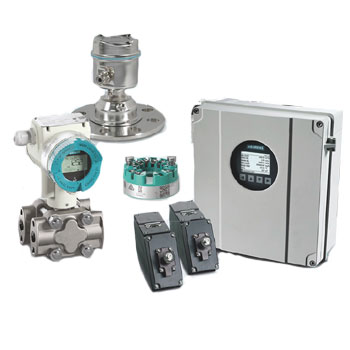
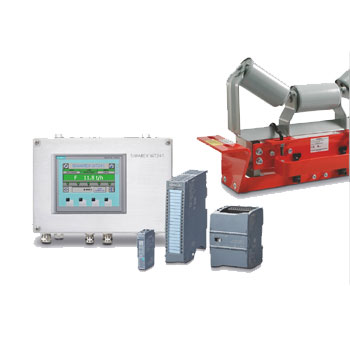
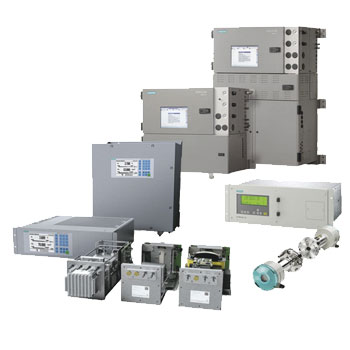
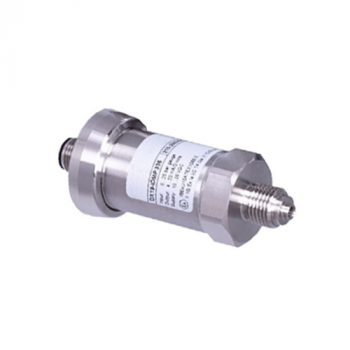
























Siemens Process Analytics Devices – Gas and Process Analysis for Industrial Applications
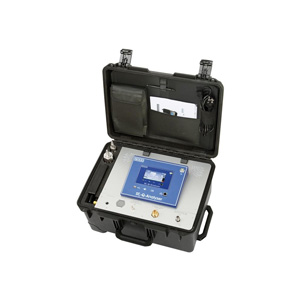
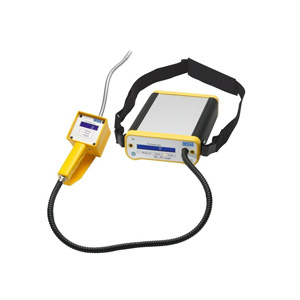
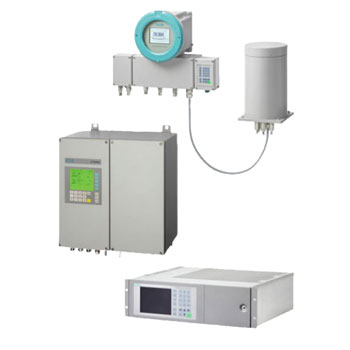
Siemens devices for process analytics deliver continuous, reliable and highly accurate measurements for the analysis of process gases, chemical components, and physical properties. The portfolio includes gas analyzers, process gas chromatographs, laser and spectrometer technologies, as well as complete analysis systems for a wide range of industrial applications. With modular design, ATEX/IECEx certifications, rugged field and cabinet housings, and integrated communication (e.g. HART, PROFIBUS, Fieldbus), they can be seamlessly integrated into existing automation and process control systems. :contentReference[oaicite:11]{index=11}
FAQ on Siemens Process Analytics Devices
Which measurement principles are covered by Siemens process analytics devices?
Depending on the application, Siemens uses different methods: classic gas analysis (e.g. thermal conductivity, infrared or NDIR), laser spectroscopy, process gas chromatography and — where required — mass spectrometry or high-resolution spectral analysis. This enables reliable determination of gas components, concentrations, gas mixtures and trace gases. :contentReference[oaicite:12]{index=12}
For which industries and processes are Siemens devices suited?
They are suitable for chemical and petrochemical plants, oil & gas, refineries, power plants, cement and building materials industry, environmental technology, emissions monitoring, water/wastewater treatment, pharmaceuticals and other sectors requiring gas or process analytics. :contentReference[oaicite:13]{index=13}
Can process analytics devices be used in hazardous areas?
Yes — many devices are certified for ATEX or IECEx and come with explosion-proof housings, allowing installation in hazardous environments, as long as the overall system is designed accordingly. :contentReference[oaicite:14]{index=14}
How is the analysis data integrated into higher-level process control systems?
Analyzers and measuring devices typically support standardized communication protocols such as HART, PROFIBUS or FOUNDATION Fieldbus. This allows direct connection to PLCs or process control systems and seamless integration into automation networks and data management systems. :contentReference[oaicite:15]{index=15}
What’s the benefit of continuous and extractive gas analysis?
Extractive continuous gas analyzers extract a sample from the process stream, condition it if needed (e.g. filtration, conditioning) and continuously analyze it. That enables real-time monitoring of process gases, emissions or process quality. In many process industries this approach is essential. :contentReference[oaicite:16]{index=16}
What sensitivity and precision can be achieved with these devices?
Depending on measuring principle and device, very low concentrations and trace gases can be detected — gas chromatographs and modern spectrometers offer high selectivity and sensitivity even with complex gas mixtures. This enables precise process monitoring and quality control. :contentReference[oaicite:17]{index=17}
How robust and maintenance-friendly are Siemens analyzers?
Many devices are designed for harsh industrial conditions: corrosion-resistant materials, housings resistant to pressure and temperature, hermetic sealing and appropriate IP-ratings are standard. The modular design simplifies maintenance, calibration and replacement of components. :contentReference[oaicite:18]{index=18}
What components belong to a complete analysis system?
A full analysis system may include: sample extraction or sampling point, gas conditioning and sample preparation, analyzer (e.g. chromatograph, spectrometer), evaluation unit, interface to process control, and — if required — cabinet or field housing, ATEX components and communication modules. :contentReference[oaicite:19]{index=19}
When is process analytics with Siemens useful — and when is classic sensor technology sufficient?
If chemical composition, concentrations, gas mixtures or trace gases need to be monitored — for instance emissions, process-gas quality or chemical reactions — Siemens process analytics delivers the required accuracy and flexibility. For simple physical parameters such as pressure, temperature, flow or level classical sensors suffice; process analytics complements these when analytical insight is required. :contentReference[oaicite:20]{index=20}
How flexible and future-proof are Siemens analysis systems?
Thanks to modular design, broad range of measuring principles and standard communication interfaces, analyzers can be adapted flexibly to different process conditions. Extensions, upgrades or adaptations are possible with reasonable effort. Integration into automation systems enables future-proof process monitoring and digitalization. :contentReference[oaicite:21]{index=21}