






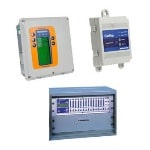
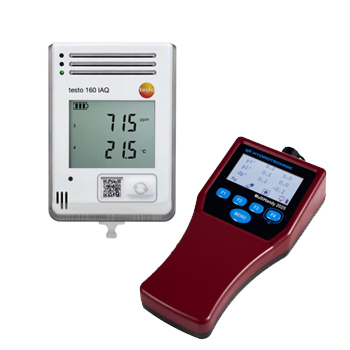
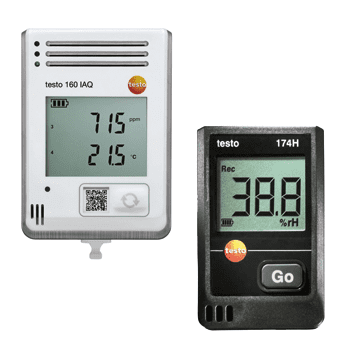
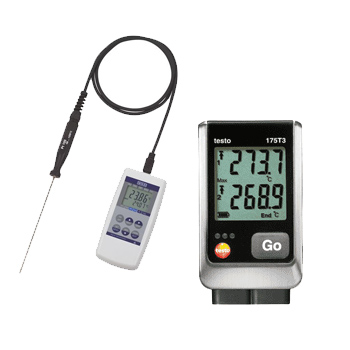


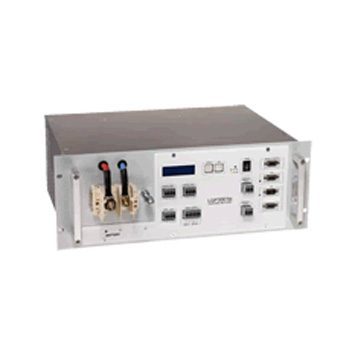
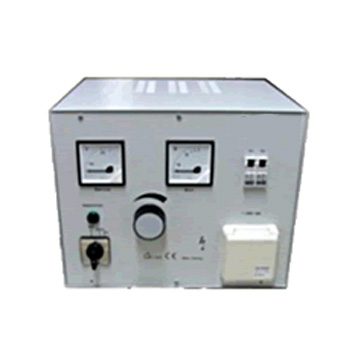
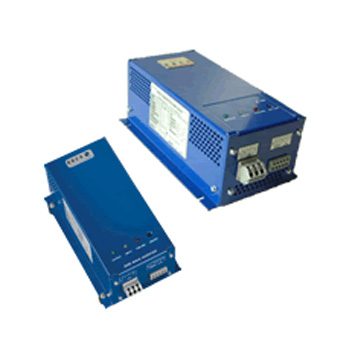
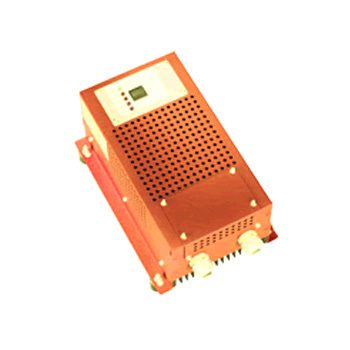





























Signal Converters for Control Panel Applications
Signal converters acquire analog or digital process signals and convert them into standardized, processable signals. Typical input and output variables include 0/4 … 20 mA, 0/2 … 10 V, frequency and pulse signals, resistance signals as well as sensor signals from temperature probes or potentiometers. By conditioning, scaling and linearizing the input signals, signal converters enable reliable downstream processing in controllers, display units and control systems.
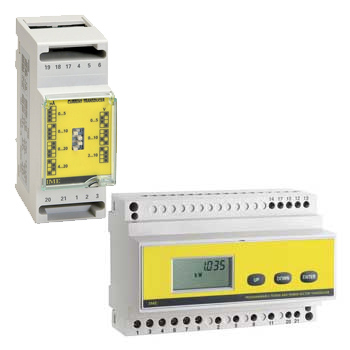
In control panel applications, signal converters are mainly used as slim DIN rail modules. They provide galvanic isolation between field level and control level, reduce interference and protect against ground loops, overvoltage and wiring faults. Modern functional signal converters often offer several individually configurable I/O ports and can be used as transmitters, isolating amplifiers, limit signal devices or signal splitters.
Depending on the design, signal converters support different signal types and power supply concepts, for example passive or active current loops, wide-range power supplies or in-rail bus systems inside the cabinet. High accuracy, low temperature drift, short response times and optional approvals for functional safety or hazardous areas make them key components in measurement, control and automation technology.
Questions & Answers on Signal Converters
What is a signal converter and why is it used in control panels?
A signal converter is a device for acquisition, conversion and conditioning of process signals. In control panels it is used to transform various field signals into standardized signals, to isolate and scale them and to provide interference-free signals for PLCs, controllers or display instruments.
Which types of signals can typical signal converters handle?
Depending on the model, signal converters can handle DC current and voltage standard signals (0/4 … 20 mA, 0/2 … 10 V), AC current and voltage signals, resistance inputs, RTD and thermocouple sensors, frequency and pulse signals as well as binary inputs and outputs, and convert them into suitable output signals.
What is the difference between transmitters, isolating amplifiers and signal converters?
Transmitters primarily convert a physical quantity into an electrical standard signal, isolating amplifiers focus on galvanic isolation and amplification of existing signals. The term signal converter usually covers both functions and may additionally include freely configurable I/O, signal duplication or limit value functions.
Why is galvanic isolation so important in signal converters?
Galvanic isolation prevents ground loops, reduces disturbances caused by potential differences and protects control systems and measuring equipment against overvoltage. This increases measurement accuracy and improves electrical safety of the overall system.
Which standard signals are typically supported?
The most common standard signals are 0 … 20 mA and 4 … 20 mA current loops and 0 … 10 V or 2 … 10 V voltage ranges. Many signal converters can be configured for different combinations of these standard signals using DIP switches or software.
How are signal converters powered?
Most signal converters are supplied with 24 V DC and are designed for DIN rail mounting in the cabinet. There are versions with wide-range power supply, loop-powered isolators for two-wire circuits and modules that are supplied via in-rail bus systems.
How are modern functional signal converters configured?
Simple devices are configured using coding switches, jumpers or potentiometers. High-performance functional signal converters can additionally or exclusively be parameterized via PC software, USB/serial interfaces or fieldbus, including scaling, characteristic curves, setpoints and filter parameters.
What accuracy and dynamic performance can be expected from signal converters?
High-quality signal converters typically achieve basic accuracy better than 0.1 % of span and offer short response times in the millisecond range. Depending on the application, variants optimized for accuracy, noise immunity or very fast signal processing are available.
How are signal converters mounted and wired inside the cabinet?
Signal converters are mounted on DIN rails and connected via screw or spring terminals. Clean separation of signal, power and high-voltage wiring, short cable runs and EMC-compliant wiring practices are essential for low-noise operation.
When are signal converters used instead of direct sensor connection to the PLC?
Signal converters are used when sensors do not match the PLC input interface, when galvanic isolation is required, when signals must be scaled, linearized or converted into other formats, or when one signal needs to be distributed to several outputs.
What is the purpose of functional signal converters with multiple I/O ports?
Functional signal converters with multiple freely configurable I/O ports enable complex signal combinations, for example mixing analog and digital inputs and outputs, limit value monitoring, pulse counting or simple logic functions without additional hardware modules.
Are there safety or explosion-proof versions of signal converters?
For safety-related applications, signal converters are available with safety ratings according to relevant standards. For hazardous areas, intrinsically safe or explosion-proof versions are offered that are approved for specific zones and equipment groups.
How do ambient temperature and environment affect the performance of signal converters?
The specified temperature range defines the permitted operating environment. Temperature drift specifications and EMC tests ensure that accuracy and function are maintained even under varying ambient temperatures and in industrial electromagnetic environments.
Can signal converters also provide digital communication interfaces?
Some signal converters additionally offer digital interfaces such as serial protocols or fieldbus systems. They can output measured values in parallel as standard signals and digitally, and they allow configuration and diagnostics via the communication interface.