







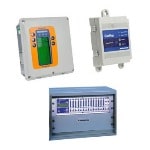
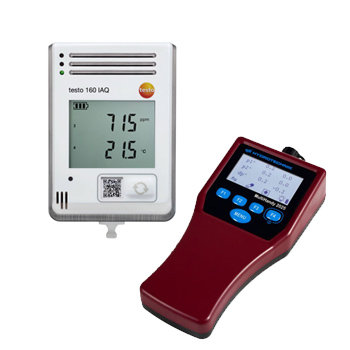
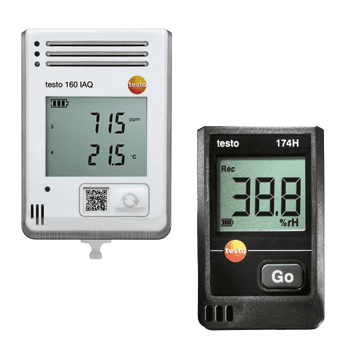
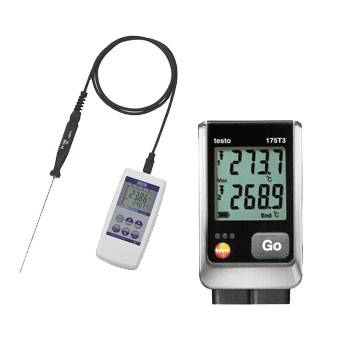
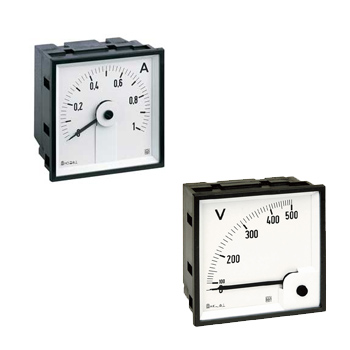
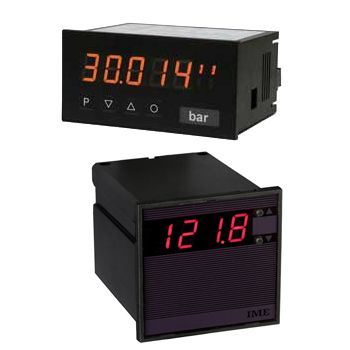
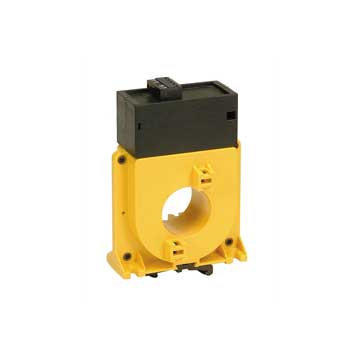
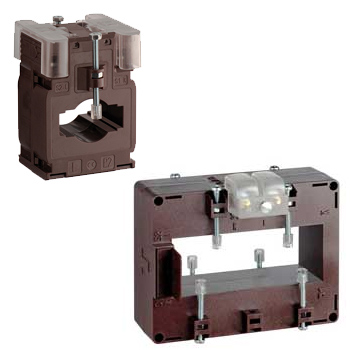





























Test Instruments for Power Supply Systems
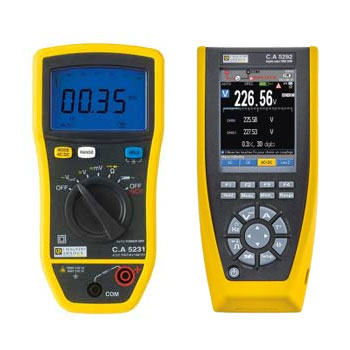
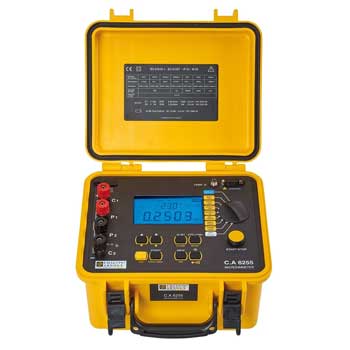
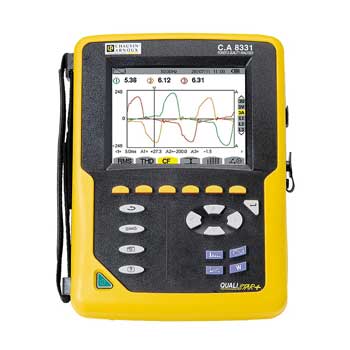
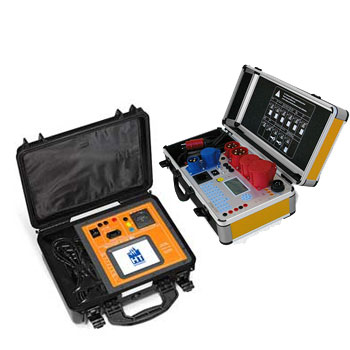
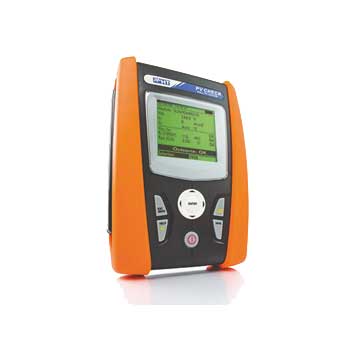
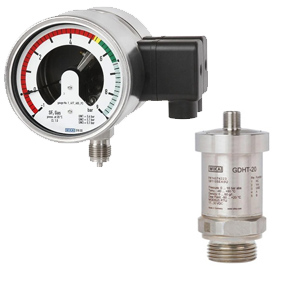
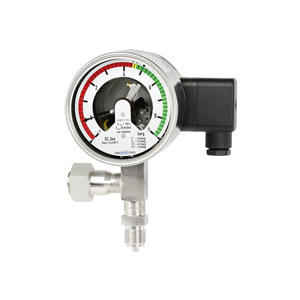
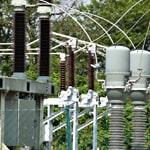
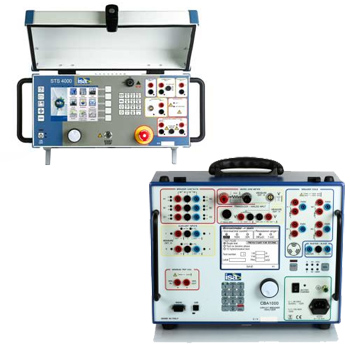
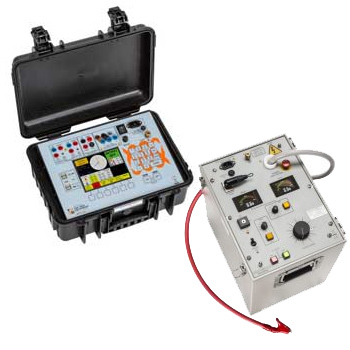
Test instruments for power supply systems are specialized measuring and testing tools used in energy supply, distribution and network installations. They allow verification of insulation, grounding, network quality, load capacity, protection functions and power flow to ensure safety, compliance and reliability of the power supply. Typical applications include switchgear, transformers, generators, transfer switches, distribution networks and grid connections.
FAQ
What are “test instruments for power supply systems”?
These are measurement and testing devices used to inspect, diagnose and secure power supply and distribution installations — for example for insulation, grounding, load tests, performance monitoring and protection verification.
Which types of tests and measurements are commonly performed?
Common tests include insulation resistance measurement, grounding or protective conductor testing, voltage and current measurement, power and energy monitoring, load tests, power quality analysis (e.g. harmonics, voltage dips), protection device testing, and load simulation with load banks.
Why are these tests important?
They ensure the safety and reliability of power supply systems, prevent insulation or grounding failures, reduce the risk of electric shock or outages, and certify that installations comply with applicable standards and operate safely under load.
What is insulation testing and when is it used?
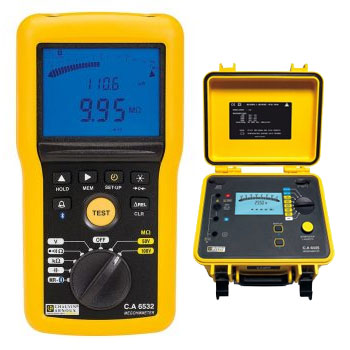
Insulation testing checks the resistance between live conductors and earth/protective ground to verify integrity of insulation. It is used before commissioning, after maintenance or repair, and periodically to verify insulation integrity.
How is grounding or protective conductor testing performed?
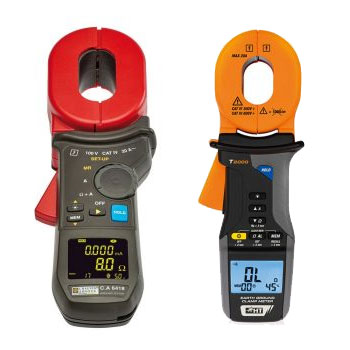
With dedicated grounding testers, the resistance of protective conductors or earth-electrodes is measured to ensure that fault currents can be safely discharged in case of failure.
When are load tests or stress tests needed?
Load tests are needed to verify that a grid, generator or supply system remains stable and functional under real-life or maximum expected loads — e.g. after changes to installation, before commissioning or after upgrades.
What is power quality measurement and why is it relevant?
Power quality analysis measures parameters like voltage stability, frequency, harmonics, dips or surges. It is important to ensure stable supply, correct operation of sensitive equipment and compliance with regulatory standards.
Which classes of test instruments exist in this area?
Classes include insulation testers, grounding testers, energy and power analysers, load banks, protection testers, network- and grid-quality analysers, and combined multi-function test systems for switchgear and distribution networks.
How often should power supply systems be tested?
Testing intervals depend on type of installation, usage, environment and applicable standards. Critical installations typically require periodic inspections — for instance after installation, modifications, maintenance or at regular intervals.
What must users consider when performing tests?
Before testing, systems should be de-energized if required. Test instruments must be used correctly, grounding and protective measures ensured, and appropriate personal protective equipment worn. Norm-conform procedures must be followed.
How important is documentation of test results?
Documentation is crucial — records should include results, measurement conditions, date, tester, and any remarks. This ensures traceability, compliance, and supports maintenance or audits.
What are load banks and why are they used?
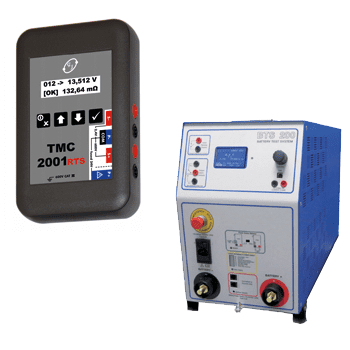
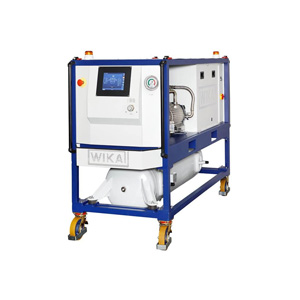
Load banks simulate real electrical loads on power sources or supply systems to test their performance under controlled but realistic conditions. They help verify stability, load capacity and protection under stress conditions without relying on actual operational load.
What does “protection functions test” mean and when is it done?
Protection functions tests verify correct functioning of protective devices such as circuit breakers, earth-fault protection, overload protection or RCDs. They are performed after installation, maintenance or periodically to ensure protective systems are operational.
Can a single test instrument combine many functions?
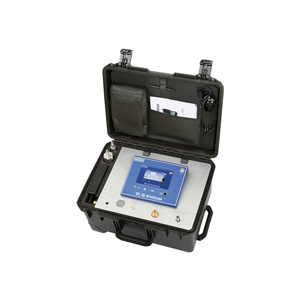
Yes — modern power supply test instruments often combine multiple functions: insulation testing, grounding, power/energy measurement, network quality analysis and protection testing, allowing comprehensive testing with one device.
Which standards or regulations apply to such testing?
Depending on country and installation, standards for electrical safety, grounding, insulation, operational and testing procedures apply. Test equipment and methods must comply with these standards for valid and safe results.