


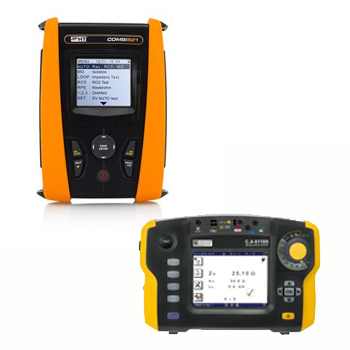
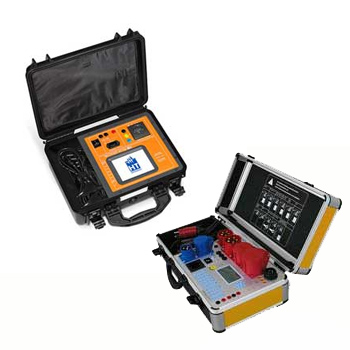
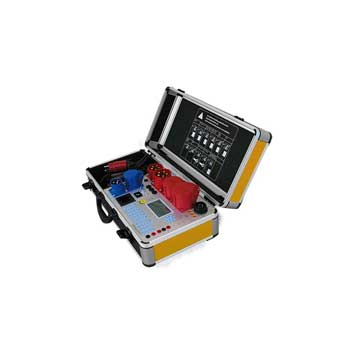

VDE Test Instruments
VDE test instruments are specialised measurement devices used to verify the electrical safety and compliance of equipment and installations according to established safety standards. They perform tests such as insulation resistance, protective conductor resistance, continuity checks, protective earth tests, leakage current measurements and functional safety tests. These instruments are essential for commissioning, periodic inspection, maintenance and post-repair verification of electrical systems and devices.
FAQ
What is a VDE test instrument?
A VDE test instrument is a device designed to carry out safety and conformity tests on electrical installations and equipment. It performs measurements such as insulation resistance, protective earth resistance, continuity and leakage current tests.
Which tests can be performed with VDE test instruments?
Typical tests include insulation resistance measurement, protective earth and grounding tests, continuity checks, protective bonding tests, leakage current measurements and tests of protective functions such as automatic disconnection or RCD behaviour.
When are VDE tests required?
VDE tests are required during commissioning of new installations, after modifications or repairs, as part of periodic inspection schedules and whenever safety compliance must be documented.
Which standards or requirements apply?
Applicable standards define test procedures and limit values for insulation resistance, earth resistance, leakage currents and protective conductor performance. Compliance ensures safe operation and protection against electric hazards.
How does insulation testing work?
During insulation testing, the instrument applies a defined test voltage and measures the resistance between live conductors and earth or protective conductors. High resistance indicates proper insulation; low values indicate deterioration or defects.
What is measured during a protective conductor test?
The test verifies that the protective earth conductor is properly connected and that the resistance is within the permissible range to ensure effective fault current flow.
How is leakage current measured?
Leakage current tests determine whether current unintentionally flows through insulation or conductive surfaces. Elevated leakage currents indicate possible insulation faults or unwanted conductive paths.
What must be checked after repairs or modifications?
A full safety test should be performed after any repair or modification to ensure the installation meets safety requirements before being returned to service.
How often should VDE tests be performed?
The frequency depends on environment and application. Many installations require periodic inspections at intervals such as annually or every few years, especially in commercial or public facilities.
What documentation is required?
Measurements must be recorded, including test values, date, instrument used, operator and test conditions. Documentation is important for traceability and compliance verification.
Which safety precautions apply during testing?
The system must be safely isolated when required, test leads must be correctly connected and suitable protective equipment must be used. Test voltage and device class must match the installation.
What requirements apply to the test devices themselves?
The instrument must be designed for the voltage levels and environments being tested, deliver stable test currents or voltages and ensure safe operation through proper insulation and reliable controls.
How is grounding or bonding tested?
Grounding and bonding tests ensure that all protective conductors and metal parts are properly connected and that the earth path is effective and within required resistance limits.
What should be done in case of abnormal measurement values?
If values exceed permissible limits (e.g. low insulation resistance or high earth resistance), the system must be inspected, faults repaired and the test repeated.
Can VDE instruments be used for periodic inspections?
Yes, they are specifically designed for recurring safety inspections, maintenance tasks and compliance testing, provided they are operated correctly and regularly calibrated.
How should results be documented?
Results should include all measured values, test conditions, operator information and any remarks. Digital storage or printed reports may be used depending on requirements.
What distinguishes basic from professional VDE testers?
Professional instruments offer higher test voltages, advanced test sequences, automatic test routines, data storage, display functions and enhanced safety features.
Which tests are typical for household versus industrial systems?
Household systems often require insulation and protective earth tests, while industrial systems require more extensive testing, including leakage current testing, RCD verification and full protective bonding checks.
Why is calibration important?
Regular calibration ensures measurement accuracy and compliance with safety requirements, especially when results must be documented or certified.