










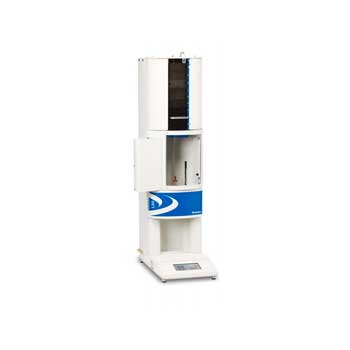
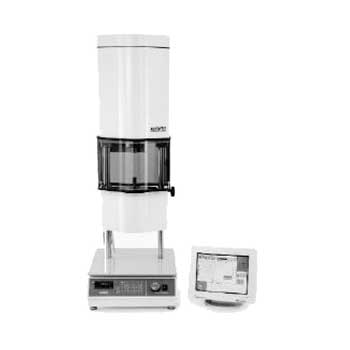

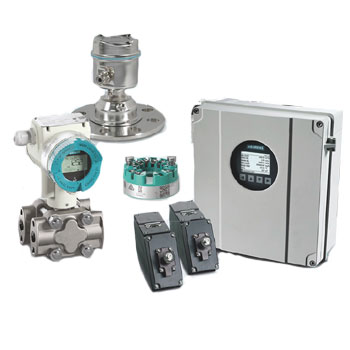
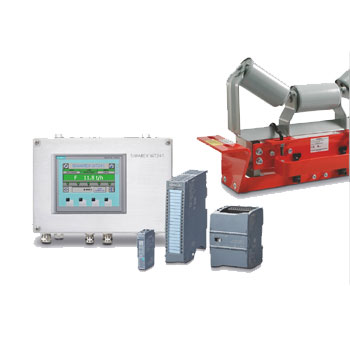
































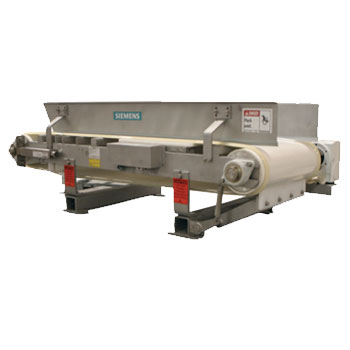
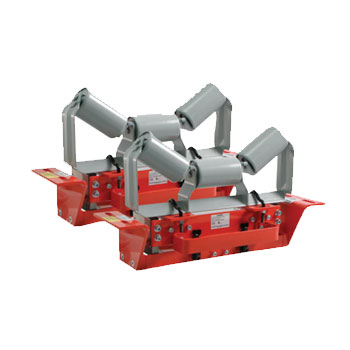

Siemens Weighing / Mass Measurement Technology
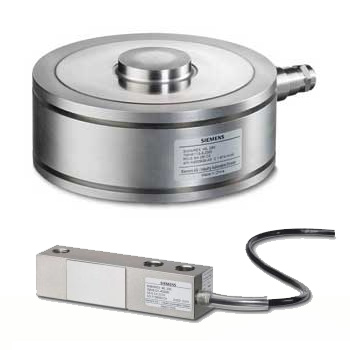
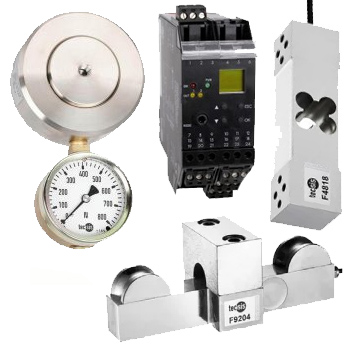
Weighing and mass measurement systems allow accurate determination of weight or mass — for example in dosing, batch processes, load monitoring or tank/ container filling. The systems convert mechanical load (weight force) into electrical signals, which can be read by controllers or evaluation units. These solutions are designed for industrial use: robust, precise and reliable under demanding conditions.
Questions & Answers on Weighing / Mass Measurement Technology
How does industrial weighing with sensors work?
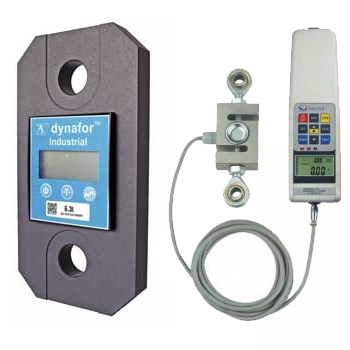
Load cells (e.g. strain-gauge based) measure deformation under load. This deformation is converted into an electrical signal — typically mV/V or 4–20 mA or a digital signal — from which weight or mass can be calculated.
For which applications is weighing / mass measurement suitable?
Common applications include batch filling, dosing, silos and tanks with continuous fill-level monitoring by weight, container or pallet scales, vehicle scales, production and logistics scales, and dosing systems in chemical or food industries.
What advantages come with load-cell based weighing?
Load cells are highly precise, often independent of density or viscosity of medium, and deliver direct mass or weight values — without the need for separate density measurement. They are robust and versatile.
What types of sensors or load cells exist?
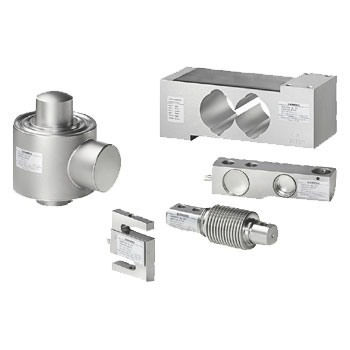
There are single-column and double-column scales, platform and floor scales, tank or vessel scales, vehicle in-ground systems as well as modular load cells for custom setups. Additional features like overload protection or limit monitoring can be integrated.
How is the signal transmitted and evaluated?
Analog outputs (mV/V, 4–20 mA), digital interfaces (e.g. HART, Profibus, Modbus) or direct integration in control or automation systems are possible, allowing easy reading, monitoring and integration of weight data.
What accuracy can be achieved with a load cell?
The precision depends on the cell design — industrial load cells can reach resolutions from a few grams up to a few kilograms, depending on load, calibration and installation.
What are the mechanical installation requirements?
The load cell must be mounted on a stable support with defined bearing conditions. Uneven ground, temperature fluctuations or vibrations can affect measurements and must be considered during installation.
How robust are weighing / mass measurement systems under harsh environments?
Industrial load cells are typically built to withstand rough conditions — temperature changes, humidity, mechanical stresses — provided that the protection class and materials are chosen appropriately.
What maintenance is required for weighing systems?
Periodic inspection of supports, seals and electrical connections is recommended; mechanically there is low wear. Calibration and verification may be required depending on legal or process demands.
When is weighing preferred over volumetric or density-based measurement?
Whenever medium density is unknown, variable or hard to determine — for example solids, powders or liquids with changing density — weighing delivers reliable mass values without need for additional density measurement. For bulk materials or batch processes, weighing is often the most reliable method.