



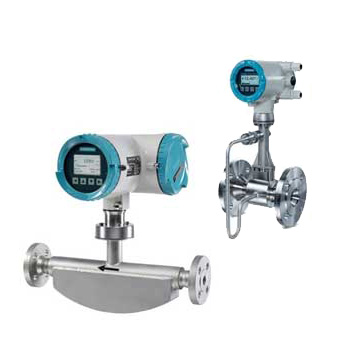
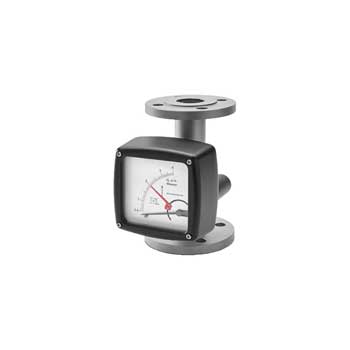
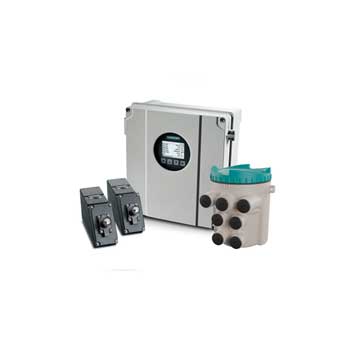
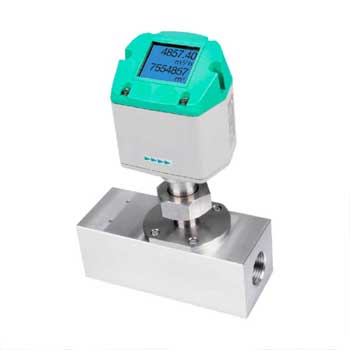
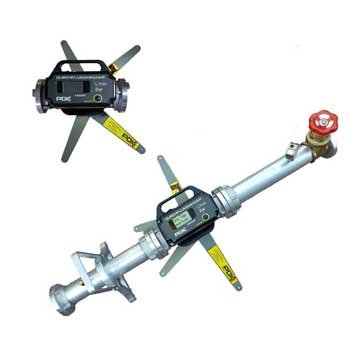
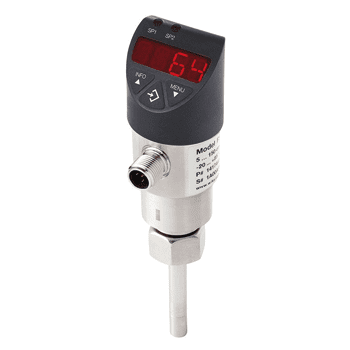
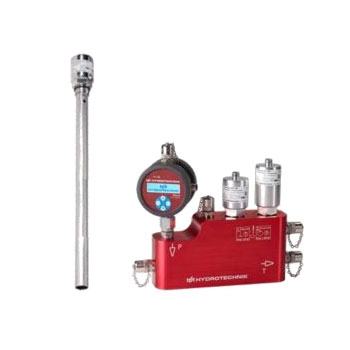
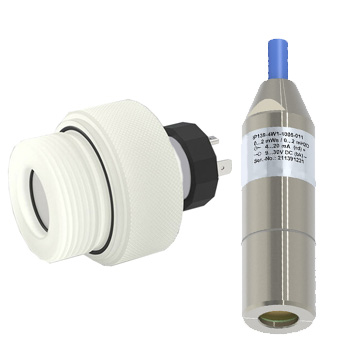



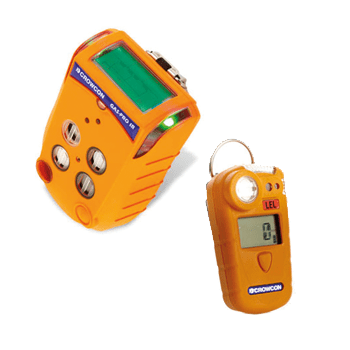
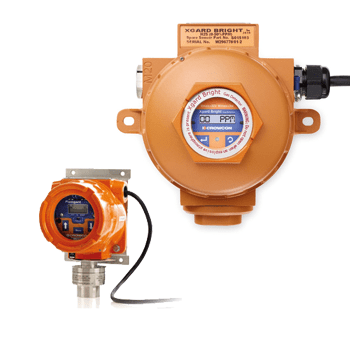
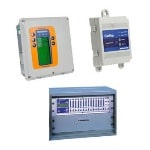
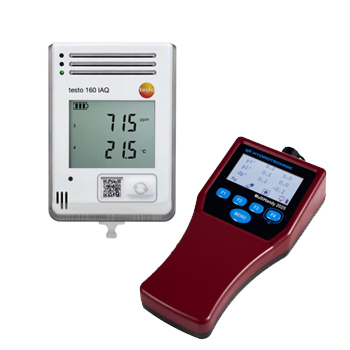
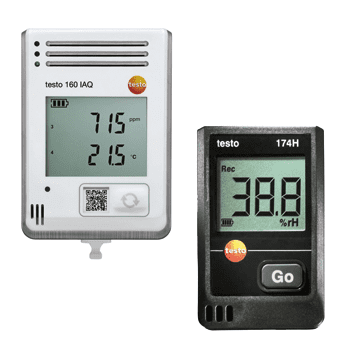
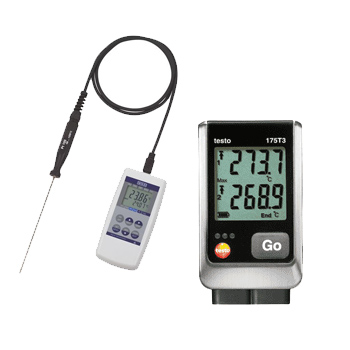
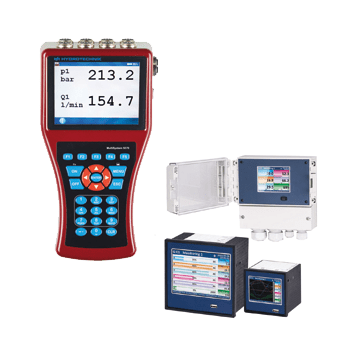
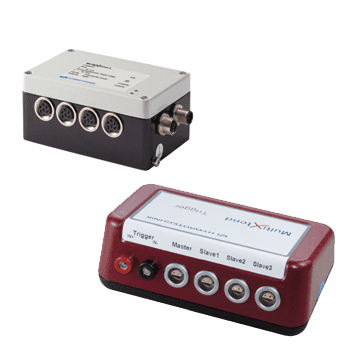
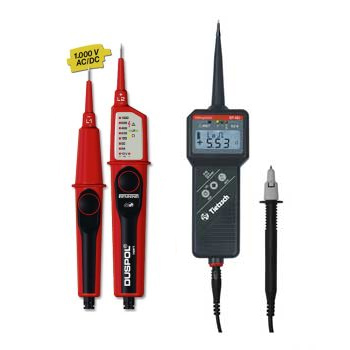
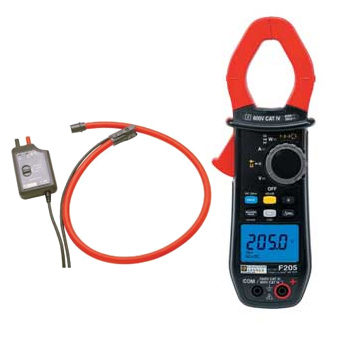


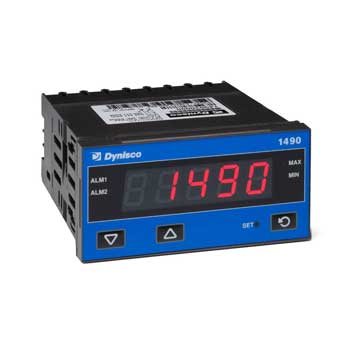
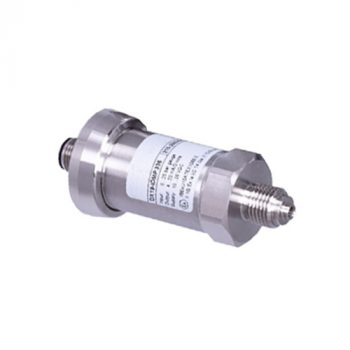
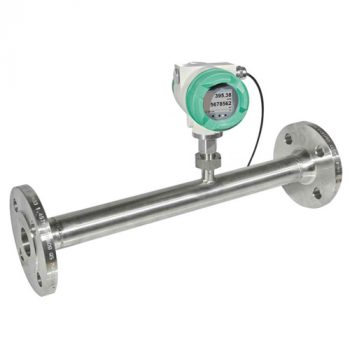
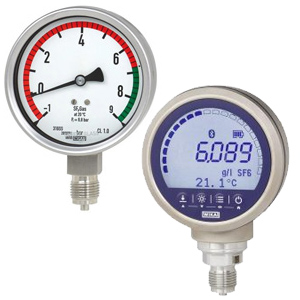
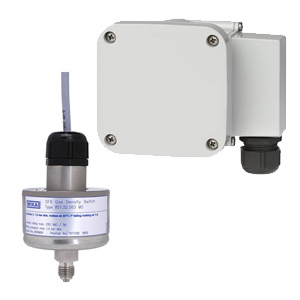
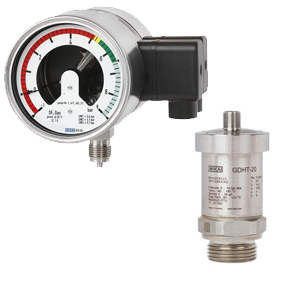
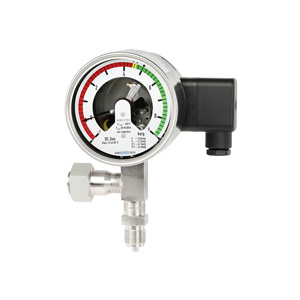
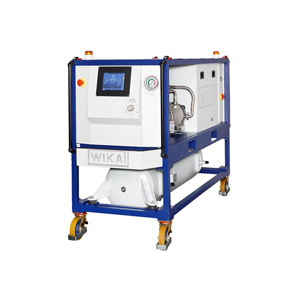
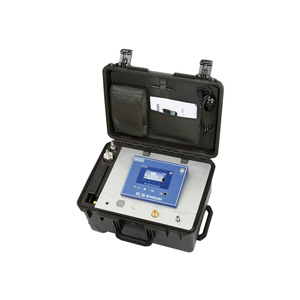
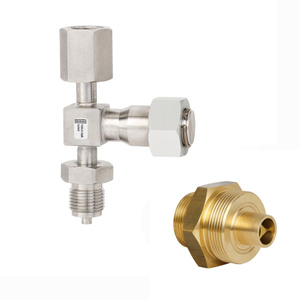
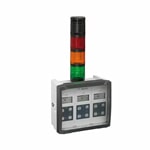

























The monitoring system for high-precision measuring of the Vaporous Residual oil content of Compressed air and Nitrogen.
 Datasheet Datasheet
|
|
User Manual
|

Compressed-Air Quality / Pneumatic Air Quality / Air Treatment
The “Compressed-Air Quality” section covers all measures, system components and requirements intended to ensure that compressed air reaches the necessary degree of cleanliness and dryness. This primarily involves the removal of solid particles, water (vapor or condensate) and oil or aerosol contamination, so that pneumatic systems operate reliably and without damage. The quality of compressed air is usually classified according to the standard ISO 8573-1. :contentReference[oaicite:14]{index=14}
Questions & Answers on Compressed-Air Quality
What is meant by compressed-air quality?
Compressed-air quality refers to the cleanliness and condition of compressed air — i.e. how many contaminants (particles, water, oil) are present and how dry the air is. Only cleaned and dried air is suitable for pneumatics, control systems, sensors or as process air. :contentReference[oaicite:15]{index=15}
Which types of contamination are relevant?
Relevant contaminants include:
- Solid particles / dust / debris,
- Moisture as vapor or condensate,
- Oil or oil aerosols / vapors (e.g. from oil-lubricated compressors). :contentReference[oaicite:16]{index=16}
How is compressed-air quality classified?
Classification is usually done according to ISO 8573-1, with compressed-air quality classes given as three digits: particle class : moisture class : oil-contamination class. The lower the numbers, the higher the purity. :contentReference[oaicite:17]{index=17} For example, “2:3:1” defines maximum allowable values for particles, moisture and oil. :contentReference[oaicite:18]{index=18}
Why is compressed-air quality important?
Poor compressed air — containing impurities like dirt, water or oil — can cause corrosion, damage or malfunction of pneumatic components, valves, sensors and workpieces. In many applications it may lead to increased maintenance, system failures or contamination of end products. :contentReference[oaicite:19]{index=19}
Which measures are used to treat compressed air?
Air treatment typically uses filters (for particles and oil), dryers (e.g. refrigerated or adsorption dryers), and condensate separators. This removes particles and oil and reduces moisture — often combined to meet the required ISO-quality class. :contentReference[oaicite:20]{index=20}
How to choose the right compressed-air quality for an application?
It depends on the application: for simple pneumatic actuators a moderate quality class may suffice; for sensitive control systems, painting, food, pharma or medical applications very clean air with low moisture, oil and particle content is required. Once the requirements are defined, a suitable filtration and drying concept must be implemented. :contentReference[oaicite:21]{index=21}
How does moisture in compressed air affect the system?
Moisture can condense in lines, cause corrosion of steel parts, generate oil-water mixtures or damage pneumatic components. At low ambient temperatures condensation may lead to freezing or blockages. Therefore, drying the air is a crucial part of any compressed-air treatment. :contentReference[oaicite:22]{index=22}
What do the ISO quality class digits mean in practice?
The first digit sets the allowable particle concentration or size, the second digit sets the moisture level (or dew point), the third digit the maximum allowed oil or aerosol contamination. Lower values correspond to cleaner air. :contentReference[oaicite:23]{index=23}
How can one monitor compressed-air quality?
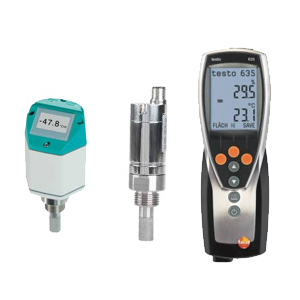
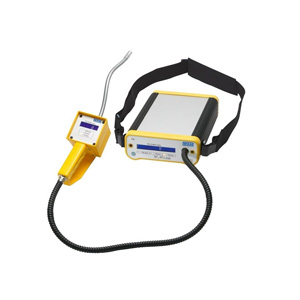
Monitoring is done via appropriate test and measurement devices assessing particles, oil aerosols and moisture (e.g. dew point measurement). Regular monitoring allows early detection of contamination or deterioration of air quality, prompting filter maintenance or system servicing. :contentReference[oaicite:24]{index=24}
What are the consequences of poor compressed-air quality for pneumatic systems?
Possible consequences include increased wear, leaks at seals and valves, malfunction, corrosion of components, contamination of products, as well as unplanned downtimes — resulting in high costs and reduced availability. :contentReference[oaicite:25]{index=25}