



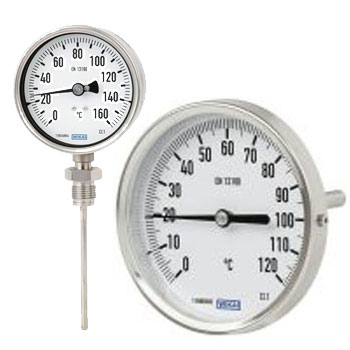
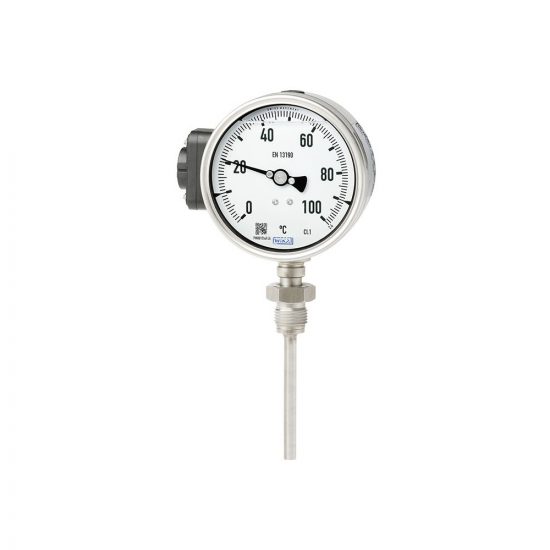

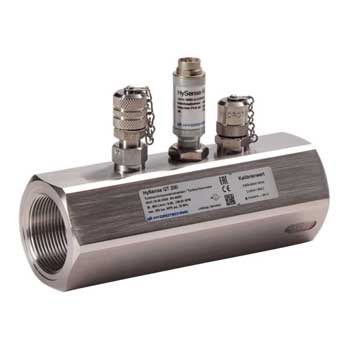
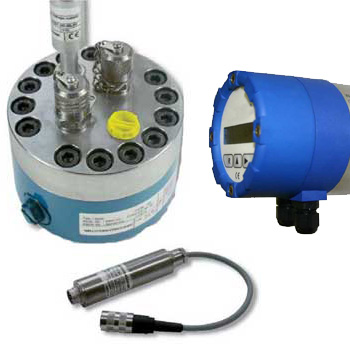
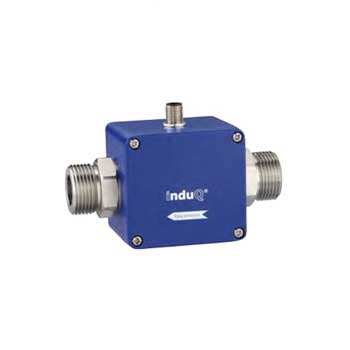





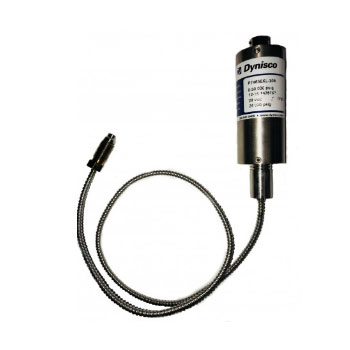
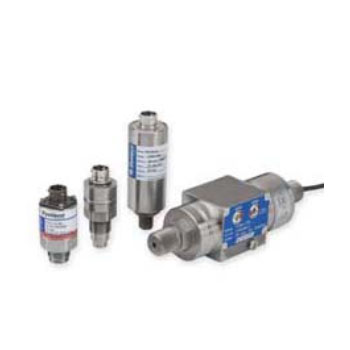
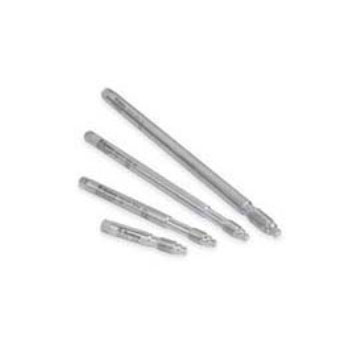
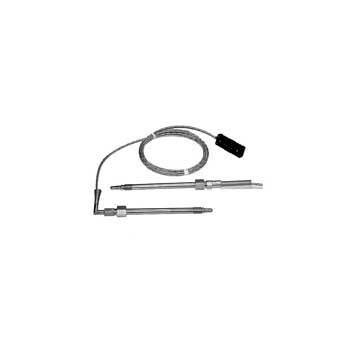
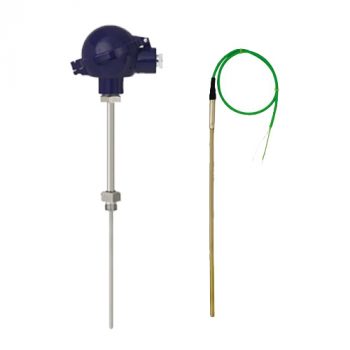






























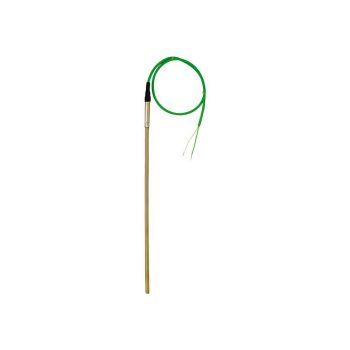
- Sensor ranges from -40 ... +1,200 °C (-40 ... 2,192 °F)
- For insertion, screw-in with optional process connection
- Cable from PVC, silicone, PTFE or glass fibre
- High mechanical strength
- Explosion-protected versions

 Datasheet Datasheet |
| User Manual |
| User Manual |
| User Manual |
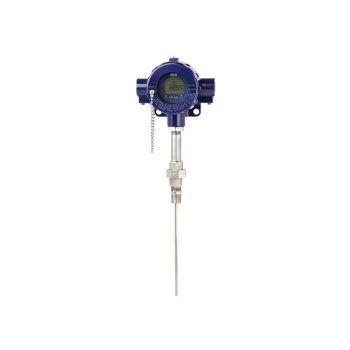
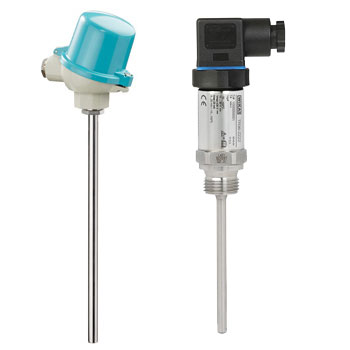
- Application ranges from -40 ... +1,200 °C (-40 ... +2,192 °F)
- For many variants of temperature transmitters including field transmitter
- For mounting in all standard thermowell designs
- Spring-loaded measuring insert (replaceable)
- Explosion-protected versions
| Datasheet |
| User Manual |
| User Manual |
| User Manual |
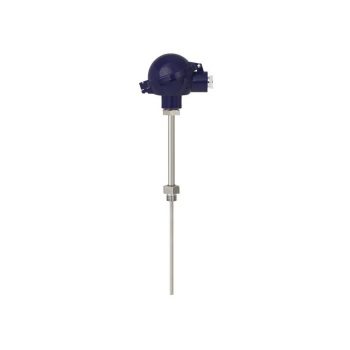
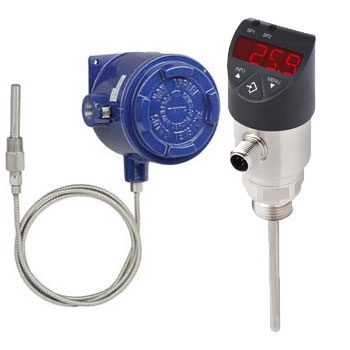
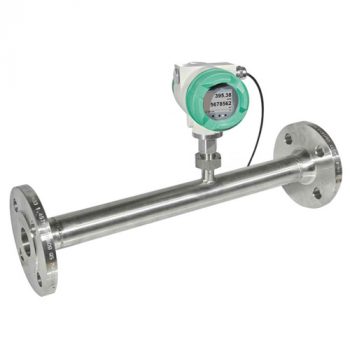
- Sensor ranges from -196 ... +600 °C (-320 ... +1.112 °F)
- For mounting in all standard thermowell designs
- Spring-loaded measuring insert (replaceable)
- Pt100 or Pt1000 sensors
- Explosion-protected versions
| Datasheet |
| User Manual |
| User Manual |
| User Manual |
| User Manual |
| User Manual |
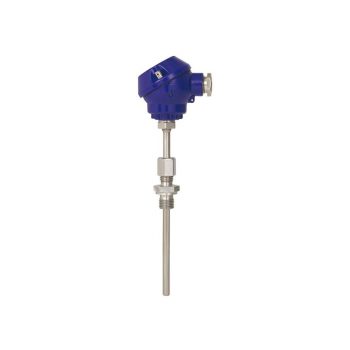
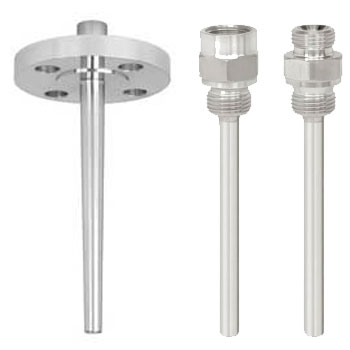
- Sensor ranges from -196 ... +500 °C [-320 ... +932 °F]
- Compact design
- Universal application
- Direct installation into the process
- Explosion-protected versions are available for many approval types (see data sheet page 2)
| Datasheet |
| User Manual |
| User Manual |
| User Manual |
| User Manual |
| User Manual |

H₂ Hydrogen — Temperature Sensors
Temperature sensors for hydrogen applications are specialized instruments designed to provide accurate and reliable temperature measurement in environments where hydrogen is produced, stored, compressed or utilized. Because hydrogen has unique physical properties — including extremely small molecular size, high diffusion rate and the potential to cause material embrittlement — H₂ temperature sensors must use suitable materials, fully sealed constructions and robust sensing elements. They ensure safe thermal monitoring in high-pressure systems, fuel cell stacks, electrolyzers, distribution pipelines and even cryogenic applications.
FAQ
Why are special temperature sensors required for hydrogen?
Hydrogen can diffuse into metals and sealing materials, potentially causing embrittlement, leakage or long-term instability. Standard temperature sensors may degrade or fail under H₂ exposure. Therefore, hydrogen-specific sensors use compatible alloys, sealed constructions and diffusion-resistant designs to ensure safe and stable operation.
Where are hydrogen temperature sensors typically used?
They are deployed in hydrogen storage tanks, high-pressure compressors, electrolyzers, fuel cell stacks, distribution systems, test stands, refuelling equipment and cryogenic hydrogen processes where precise temperature monitoring is essential for safety and process control.
Which sensing principles are commonly used?
Typical sensing elements include resistance temperature detectors (RTDs), thermocouples and thermistors. The choice depends on required accuracy, temperature range and media compatibility in the hydrogen application.
What technical requirements must hydrogen temperature sensors meet?
They must be constructed from hydrogen-resistant materials, maintain leak-tight integrity under high pressure, withstand hydrogen-induced embrittlement, and tolerate wide temperature ranges — including very low cryogenic conditions if needed. Mechanical robustness and long-term stability are essential.
How fast and accurate are hydrogen temperature sensors?
Modern H₂ sensors offer fast response times and high accuracy to detect even small temperature changes. Rapid thermal monitoring is crucial to prevent overheating, manage compression processes or ensure efficient fuel-cell operation.
How are sensors used in cryogenic hydrogen applications?
Cryogenic systems using liquid hydrogen require sensors that remain functional at extremely low temperatures near −253 °C. Materials and sensing elements must be designed to maintain accuracy and structural integrity in these ultra-cold environments.
Why is material compatibility with hydrogen so important?
Hydrogen can penetrate and weaken unsuitable metals or sealing materials. Using H₂-compatible alloys prevents permeation, cracking and drift, ensuring consistent measurement performance and long service life.
Can temperature sensors be used without direct contact with hydrogen?
Yes. In some applications, surface-mounted or non-contact sensors are used to minimize leakage risks or contamination, for example on piping, housings or insulated high-pressure components.
How do temperature and pressure influence sensor selection?
High pressure, rapid temperature changes, cyclic loading and hydrogen concentration determine which materials, sensor elements and protective structures are suitable. High-pressure or cryogenic hydrogen systems require particularly rugged sensing designs.
Do hydrogen temperature sensors require specific certifications?
In safety-critical or industrial H₂ applications, certifications for explosion protection, pressure equipment and hydrogen compatibility are strongly recommended to ensure compliance with safety standards and operational reliability.
How does temperature monitoring improve safety and process stability in hydrogen systems?
Accurate temperature measurement allows early detection of abnormal conditions — such as overheating during compression, thermal imbalance in fuel cells or excessive cooling in cryogenic storage. This supports automatic safety responses, improves efficiency and protects system components.