



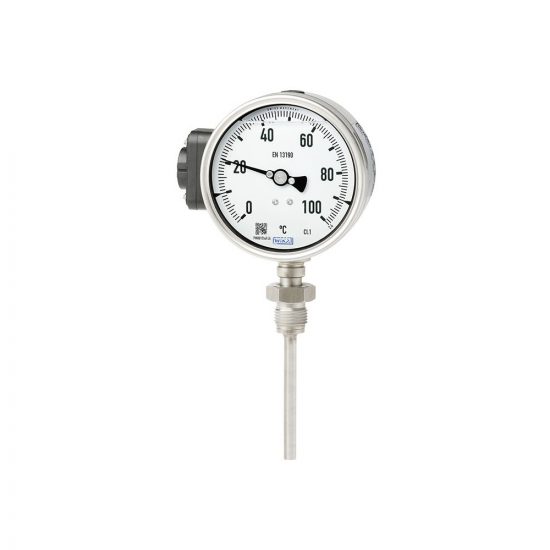

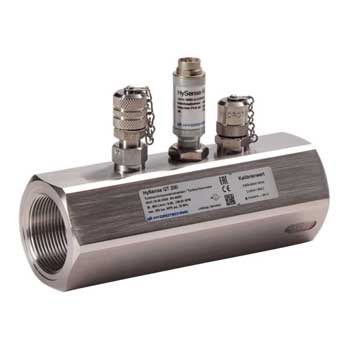
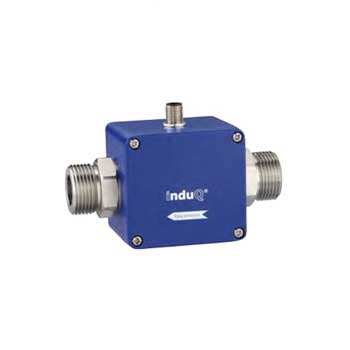



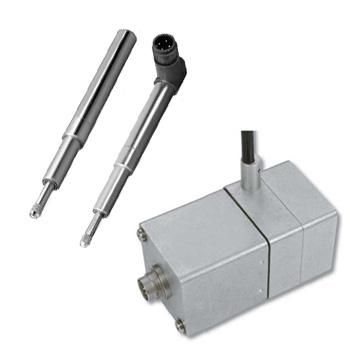
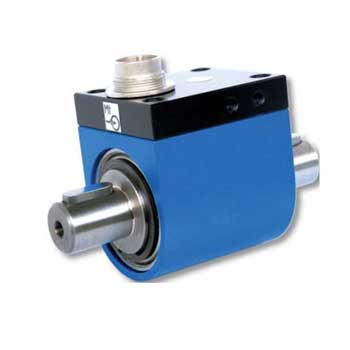


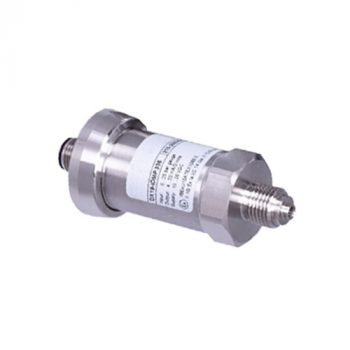
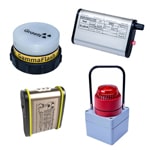
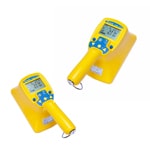
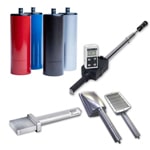
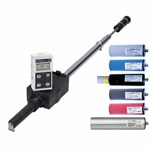
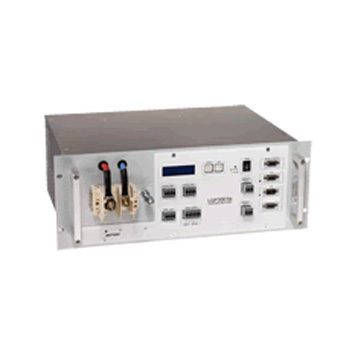
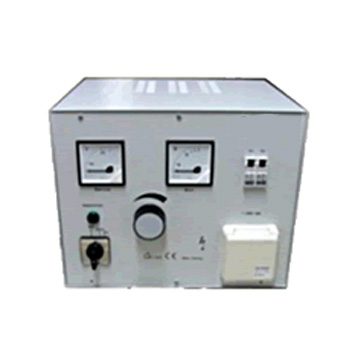
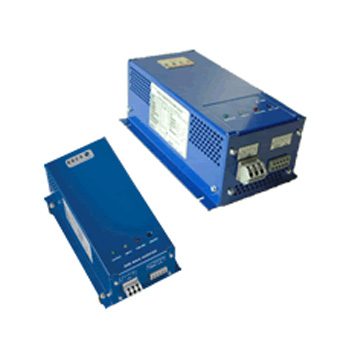
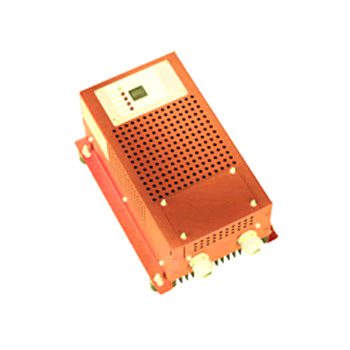




























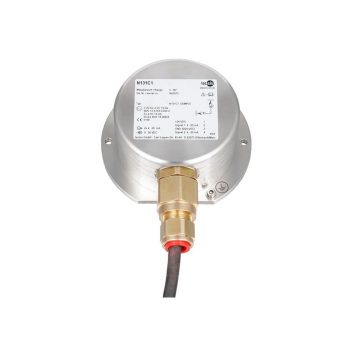
- Measuring range 0 ... 360°
- Relative linearity error < 0.1 % of FS over the entire measuring range
- Good damping behaviour, no influence due to gravity
- Resistant to seawater, IP67
- Easy retrofitting

 Datasheet Datasheet |
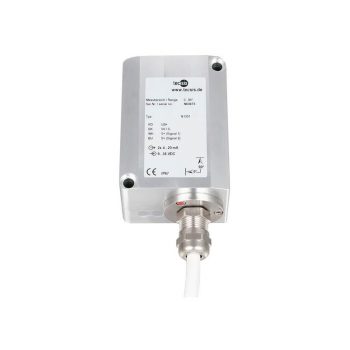
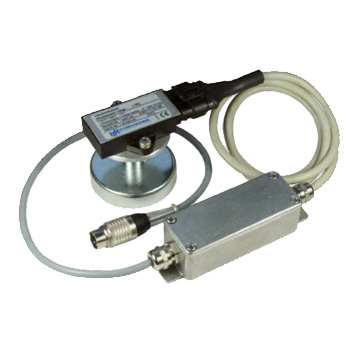
- Measuring range 0 ... 360°
- Relative linearity error < 0.1 % of FS over the entire measuring range
- Good damping behaviour, no influence due to gravity
- Resistant to seawater, IP67
- Easy retrofitting
| Datasheet |
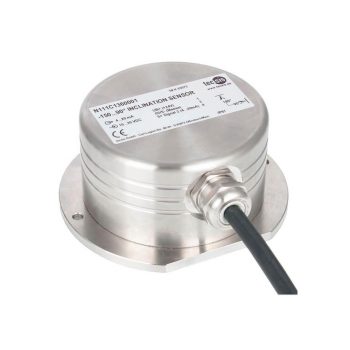
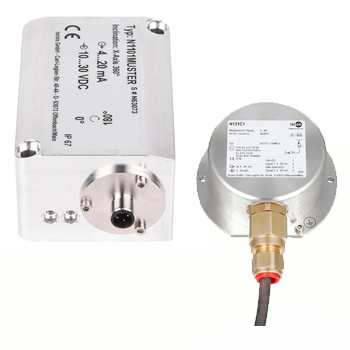
- Measuring range 0 … 360°
- Relative linearity error < 0.1 % of FS over the entire measuring range
- Good damping behaviour, no influence due to gravity
- Resistant to seawater, IP67
- Easy retrofitting
| Datasheet |
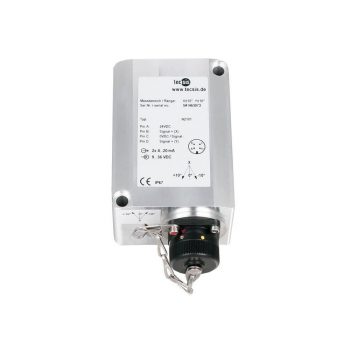
- Measuring range freely selectable between -45 ... +45°
- Relative linearity error < 0.1 % of FS over the entire measuring range
- Good damping behaviour, no gravitational acceleration error
- Resistant to seawater, IP67
- 2 axes freely selectable
| Datasheet |
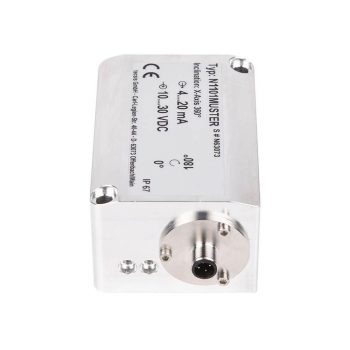
- Measuring range 0 … 360°
- Relative linearity error < 0.1 % of FS over the entire measuring range
- Good damping behaviour, no influence due to gravity
- Resistant to seawater, IP67
- Easy retrofitting
| Datasheet |

Inclination Sensors – Precise Monitoring of Tilt and Angle
Inclination sensors (also known as tilt sensors or inclinometers) measure the angle of a device or structure relative to gravity and convert it into an electrical signal. They are widely used in machine construction, mobile equipment, civil engineering and automation for tasks such as leveling, platform monitoring, crane boom angle detection or vehicle tilt sensing. :contentReference[oaicite:0]{index=0}
Modern industrial inclination sensors are available in 1-axis or 2-axis formats, offer high accuracy (e.g., ±0.1°), rugged housings (e.g., IP69K) and interfaces like CANopen® or analog outputs. :contentReference[oaicite:1]{index=1}
FAQ About Inclination Sensors
Answers covering working principle, applications, selection criteria and installation tips.
How does an inclination sensor / tilt sensor work?
An inclination sensor determines the tilt angle by measuring the component of gravity acting on the sensing element. For example, MEMS accelerometers detect gravity when the device is stationary and calculate angle. :contentReference[oaicite:2]{index=2}
Where are inclination sensors typically used?
Typical applications include: – Construction and agricultural machinery booms – Cranes and lifting equipment for boom-angle monitoring – Platform leveling systems – Vehicle tilt/bank monitoring – Structural monitoring in civil engineering (e.g., slopes, bridges) :contentReference[oaicite:3]{index=3}
What types of tilt/inclination sensors exist?
Examples of types: – Single-axis sensors (measuring one tilt direction) :contentReference[oaicite:4]{index=4} – Dual-axis sensors (measuring two tilt axes, e.g., pitch & roll) :contentReference[oaicite:5]{index=5} – Dynamic inclination sensors for applications with vibration or motion :contentReference[oaicite:6]{index=6}
What criteria are important when selecting an inclination sensor?
Key selection criteria include: – Tilt measurement range (e.g., ±90°) – Accuracy (e.g., ±0.1°) :contentReference[oaicite:7]{index=7} – Environmental robustness (shock, vibration, IP rating) :contentReference[oaicite:8]{index=8} – Output signal type and interface (analog, CAN, I/O) – Mechanical mounting and alignment
How should an inclination sensor be mounted?
The sensor must be mounted to a stable, rigid surface aligned appropriately to the axis or plane to be measured. Avoid loose mounting, ensure correct orientation, and protect the sensor from extraneous forces or decoupling that may affect the gravity-based measurement.
What output signals are common?
Output formats may include: analog voltage/current (e.g., 0–10 V, 4–20 mA), digital interfaces (e.g., CANopen®) or status outputs for limit switches. :contentReference[oaicite:9]{index=9}
What are typical error sources?
Common issues include: – Mounting misalignment or drift – External accelerations or vibrations interfering with the gravity reference – Temperature changes affecting sensor calibration – Inadequate protection or mounting structure
What advantages do inclination sensors bring?
They enable precise monitoring of tilt angles, orientation control, safe operation of mobile equipment, leveling feedback and early detection of unwanted movements or tilt in structures and vehicles.
How can I request a quotation or product selection?
Please contact the supplier or ICS Schneider Messtechnik with specification details such as desired measurement range (angle), number of axes (1 or 2), environmental conditions (temperature, shock, IP), required output signal and mechanical mounting preferences. A tailored offer will then be provided.