






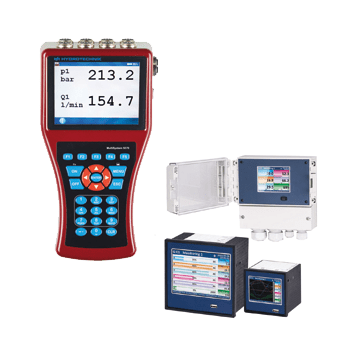
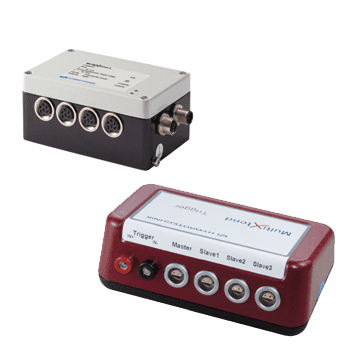
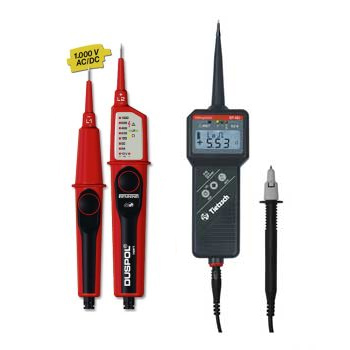
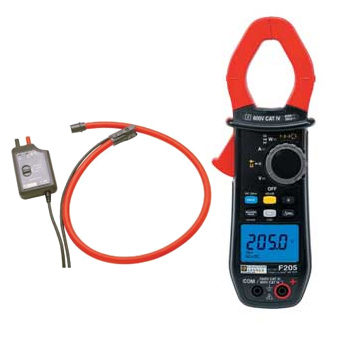



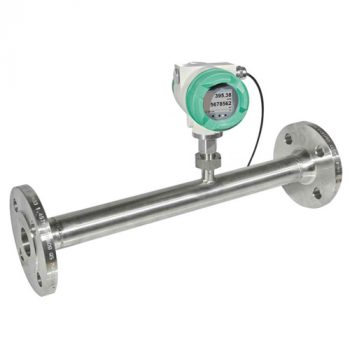
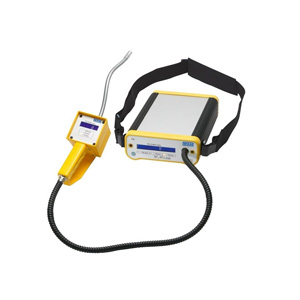
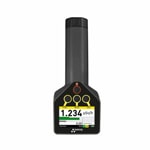
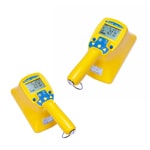
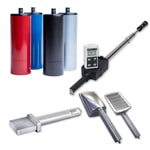

















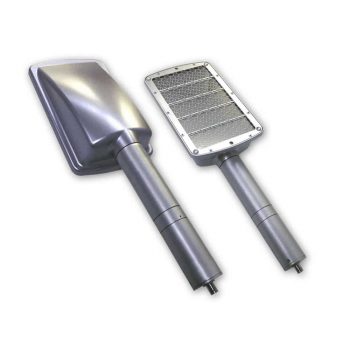
- Thin film plastic scintillation detector with ZnS coating, integrated photomultiplier and detector electronics.
- High sensitivity
- Detection of α-, β- and γ-contaminations
- Detector size 170 cm²
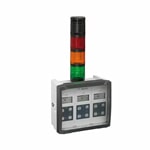
- Can be connected as a pulse probe to the X5C plus, X5C plus SE, X5C FW, GammaTwin S dose rate meters and the WS05C room monitoring system via probe cable
- Display: Ip/s or Ip as pulse sum with integration time
- Power supply from the dose rate meter X5C plus, X5C plus SE, X5C FW, GammaTwin S or the room monitoring system WS05C
- Acoustic single pulse display on the dose rate meter X5C plus, X5C plus SE, X5C FW and GammaTwin S
- Option for use with GammaTwin S: Universal mount for one-hand operation
 Datasheet Datasheet |
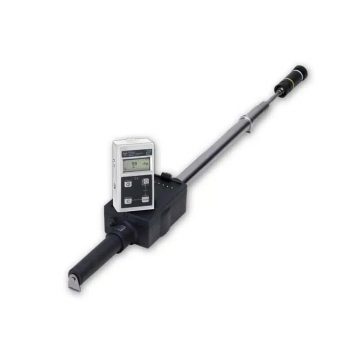
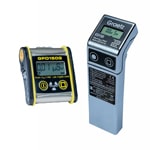
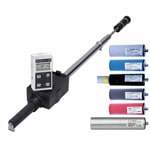
- For measuring high dose rate from a safe distance, dose rate measurement range up to 10 Sv/h for ambient dose equivalent rate Ḣ*(10).
- For measurements in poorly accessible measuring locations
- Safe connection of the telescopic probe DE with the dose rate meters X5C plus SE, X5C FW and the calibratable dose rate meter X5C plus without plug or cable by snap-in technology
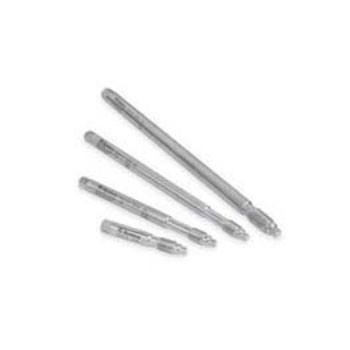
- Stainless steel telescope, continuously extendable up to 4 m total length
- IP54 with telescope inserted and protective cap in place
- Torsion-proof connection between measuring head and electronics through internally routed ribbon cable
- Automatic measuring range switchover
- Display of dose rate at the operator’s location selectable at the push of a button
- Power supply from the X5C plus, X5C plus SE or X5C FW dose rate meter
- Possibility of connecting the X50ZS dose rate meter by means of a special adaptation module
| Datasheet |
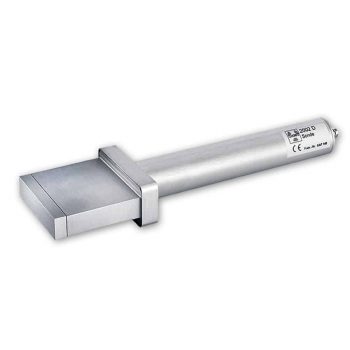
- High sensitivity
- Large detector area
- Can be connected as a pulse probe to the X5C plus, X5C plus SE, X5C FW, GammaTwin S dose rate meters and the WS05C room monitoring system via probe cable
- Display: Ip/s or Ip as pulse sum with integration time
- Power supply from the dose rate meter X5C plus, X5C plus SE, X5C FW, GammaTwin S or the room monitoring system WS05C
- Acoustic single pulse display on the dose rate meter X5C plus, X5C plus SE, X5C FW and GammaTwin S
- Connectable via probe cable to
- Contamination detection device GRAETZ CoMo-170
- Partially anodized aluminum housing
| Datasheet |
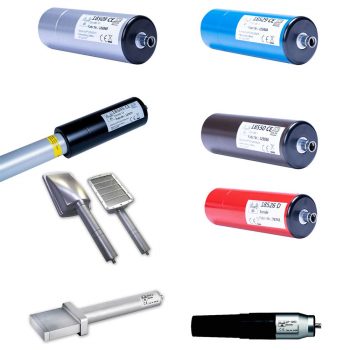
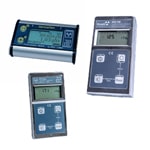
- Calibratable gamma probes for dose rate meters from the GRAETZ-X5C series
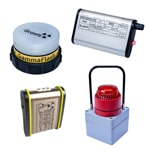
- Impulse probes for dose rate meters from the GRAETZ X5C series and GammaTwin S
| Datasheet |

Radiation Probes for Radiation Measurement Systems
Radiation probes are add-on modules or handheld probes equipped with radiation detectors, used to expand or specialize existing measurement instruments. Typical applications include surface measurement, contamination detection, area scanning, hard-to-reach measurement positions or special radiation types (e.g. α, β, γ). Use of probes significantly increases the flexibility and informative value of measurements.
Frequently Asked Questions about Radiation Probes
What is the purpose of radiation probes?
Probes allow measurements at locations inaccessible to a compact instrument — for example inside narrow pipes, on hard-to-reach surfaces or over large areas. They are also suitable for surface or contamination measurements or for detecting specific types of radiation such as α or β particles.
Which radiation types can be detected with probes?
Depending on the probe and detector type, α, β and/or γ radiation can be detected. There are specialized probes for surface contamination (e.g. α/β probes), area scanning or γ measurements at larger distances or in difficult-to-access areas.
Which detector technologies are used in probes?
Common technologies include scintillation detectors (e.g. ZnS for α, NaI(Tl) for γ) or Geiger–Müller tubes. For special applications or increased sensitivity, semiconductor detectors or proportional counters may also be used. The detector choice depends on the radiation type, required sensitivity and intended application.
How is a probe connected to a measurement instrument?
Probes are typically connected via coaxial cable or plug to a base instrument. Some devices allow switching between an internal detector and an external probe, others rely exclusively on external detectors. It is important that the connection cable is sufficiently shielded and that the electronics are compatible for correct and stable measurements.
When is using an external probe useful?
An external probe becomes useful when measurements must be made in hard to reach areas — for example in narrow pipes, tanks or behind obstacles — or when higher sensitivity or a specific radiation type is required, as in contamination checks or α/β measurements on surfaces.
How do probe length and cable quality affect measurements?
Longer probes or cables can ease handling but may also introduce shielding, signal loss or enhanced influence of external factors (e.g. scattering, shielding, cable capacitance). Therefore, high-quality, shielded cables suited for radiation measurement are essential to ensure accurate and stable results.
What calibration requirements apply to probes?
Probes must be calibrated together with the measuring device — ideally as a defined combination of instrument and probe. Calibration is performed in reference radiation fields to determine correct calibration factors and energy dependencies. Regular functional testing and calibration records are part of radiation protection and quality assurance.
How does a probe influence the detection limit of a measurement system?
The detection limit strongly depends on detector technology, geometry (distance, angle, shielding) and radiation type. Specialized surface or contamination probes using scintillation or proportional counters often achieve low detection limits — important for release measurements, decommissioning or contamination monitoring.
In which applications are probes particularly advantageous?
Probes are particularly useful for measurements in narrow or hard-to-reach areas, area or surface scanning, contamination checks, measurements inside tanks, pipes or cavities, as well as for applications requiring special radiation detectors (e.g. α/β measurements).
What robustness and protection requirements apply to probes?
Depending on environment, probes should be robust, flexible, resistant to mechanical stress and possibly splash- or chemical-resistant. For mobile measurements, field work or harsh industrial environments stable housings and high-quality cables are essential.
Which additional features can probe combinations offer?
Modern probe combinations may include sample holders, measurement chambers, surface scanning heads or special filters. Some allow quick surface scanning, others provide measurements under protective gas or in defined geometries to improve detection limit and reproducibility.
How should measurements with probes be documented?
Measurements with probes should be documented — including instrument type, probe type, calibration date, measurement conditions, geometry, measurement result and possibly calculation of activity density or dose. Such documentation is important for traceability, quality assurance and later inspection reports.