


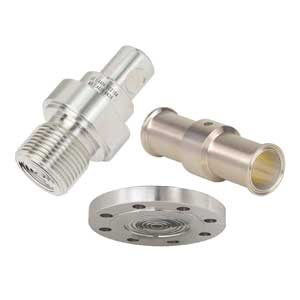


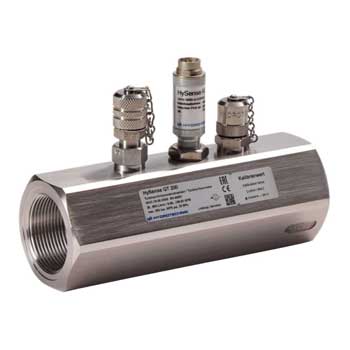
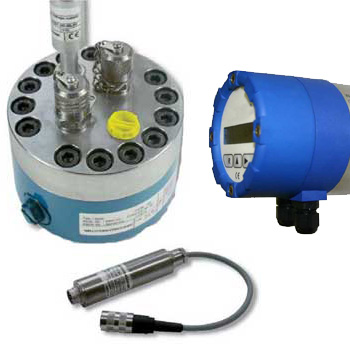
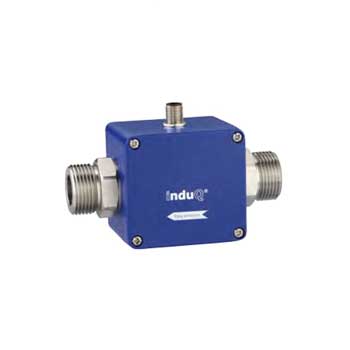
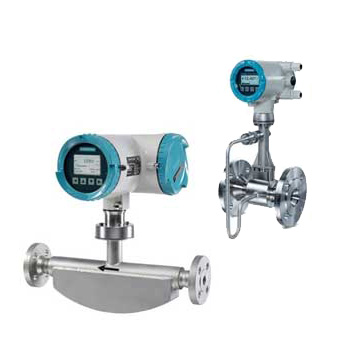
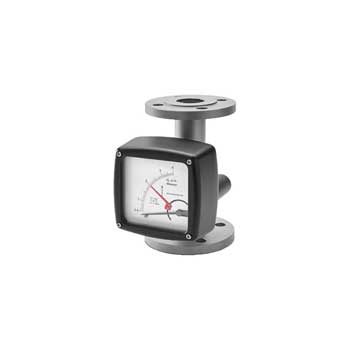
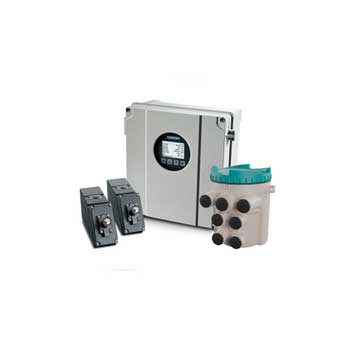
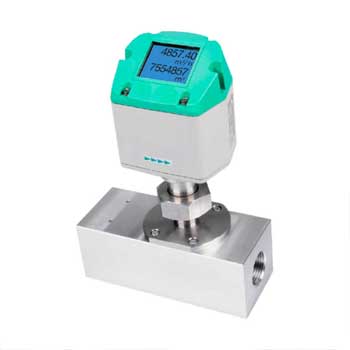
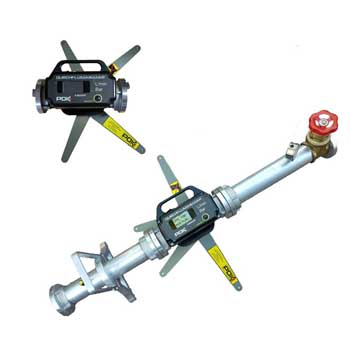


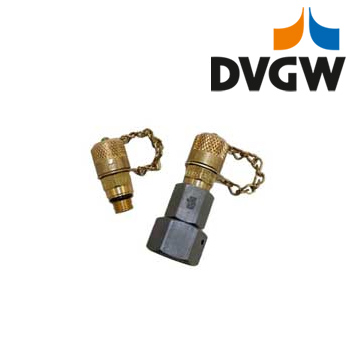
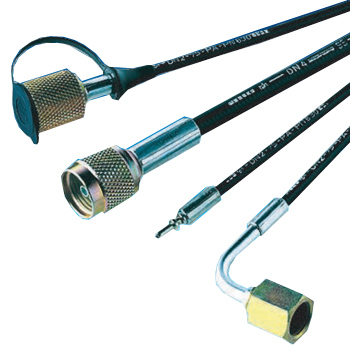

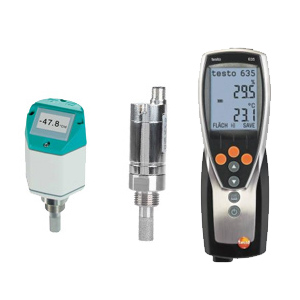





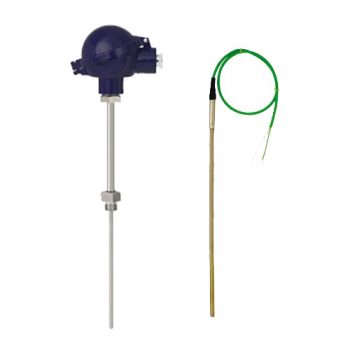
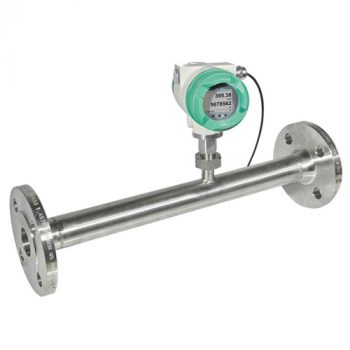
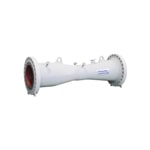
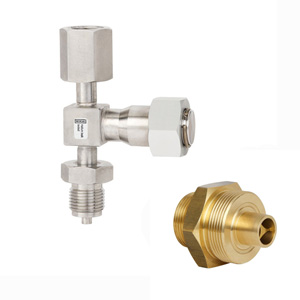































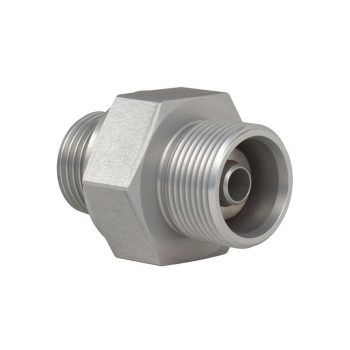
- The valves can be disconnected or coupled underpressure or vacuum
- Vacuum and pressure-tight (-1 ... +64 bar)
- Working temperature -40 ... +80 °C
- Leak rate:
GCV, GCA, measuring chambers: ≤ 1 · 10-8 mbar · l / s
GCG: ≤ 1 · 10-5 mbar · l / s - Tested helium tightness of 100 %
 Datasheet Datasheet
|
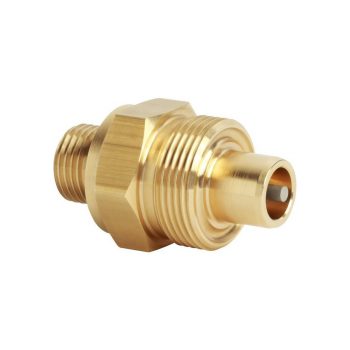
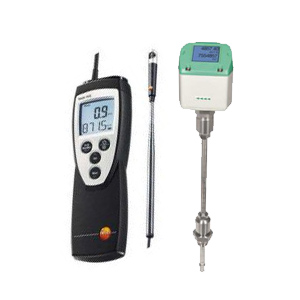
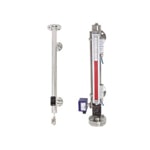
- The valves can be isolated or coupled under pressure or vacuum
- Vacuum and pressure-tight (-1 ... +64 bar)
- Working temperature -40 ... +80 °C
- Leak rate:
GCV, GCA, measuring chambers: ≤ 1 · 10-8 mbar · l / s
GCG: ≤ 1 · 10-5 mbar · l / s - Tested helium tightness of 100 %
|
Datasheet
|
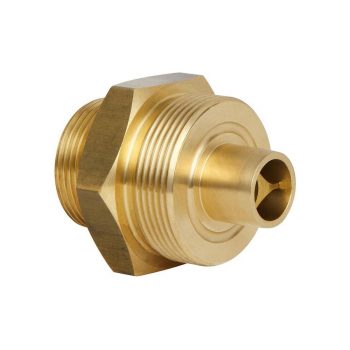
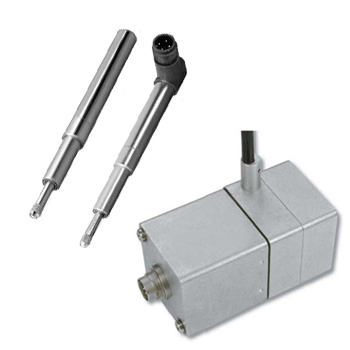
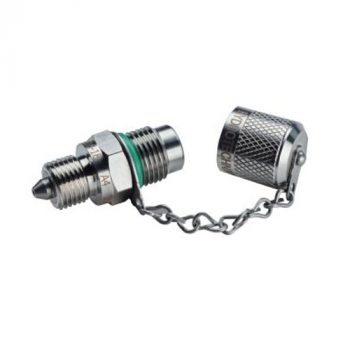
- The valves can be isolated or coupled under pressure or vacuum
- Vacuum and pressure-tight (-1 ... +64 bar)
- Working temperature -40 ... +80 °C
- Leak rate:
GCV, GCA, measuring chambers: ≤ 1 · 10-8 mbar · l / s
GCG: ≤ 1 · 10-5 mbar · l / s - Tested helium tightness of 100 %
|
Datasheet
|
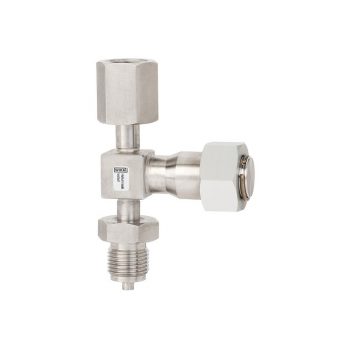
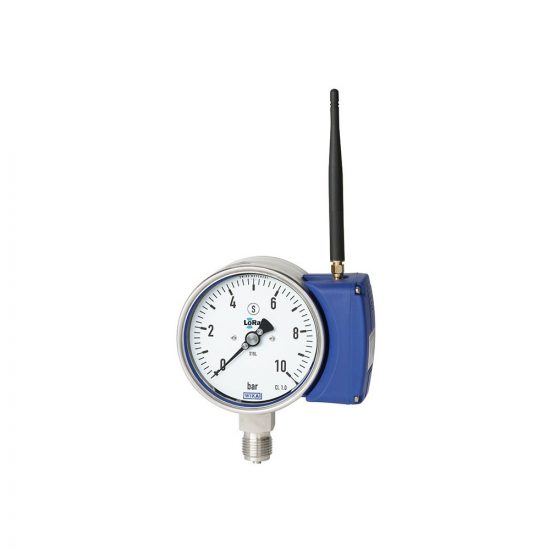
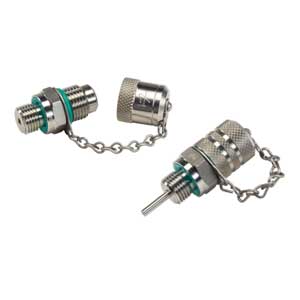
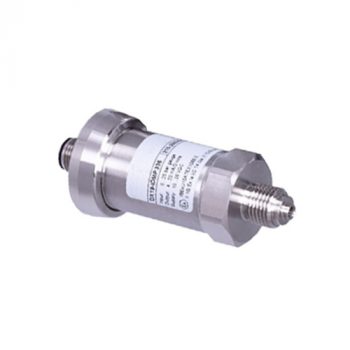
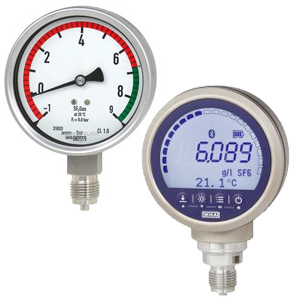
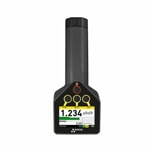
- Retrofitting for leakage detection systems
- Functional check or recalibration possible without dismounting, in accordance with EU regulation No. 517/2014 on fluorinated greenhouse gases
- Test connection from stainless steel
| Datasheet |
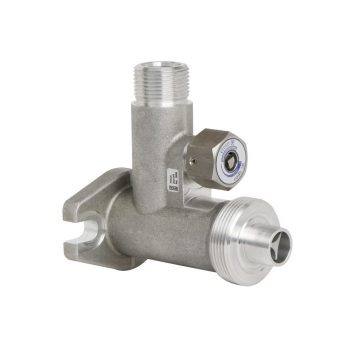
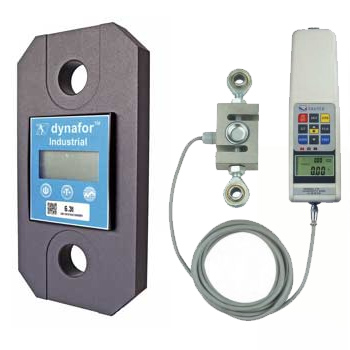
- Optional customer adaptions
- Designed for repeated opening and closing
- Helium leak tested to a level of 1 · 10-8 mbar · l / sec to ensure a leak-tight system
| Datasheet |

Valves and Couplings for SF6 Gas Installations
Valves and couplings are essential components in SF6 gas installations. They are used to securely, tightly and controllably connect gas cylinders, pressure vessels, switchgear, service equipment and measurement devices. With high-quality materials and precise manufacturing they ensure reliable sealing and operation under vacuum, pressure, gas flow or evacuation conditions.
Questions & Answers on SF6 Valves and Couplings
What purpose do valves and couplings serve in SF6 installations?
Valves and couplings allow opening, closing and connecting SF6 gas lines, cylinders and pressure vessels. They control gas flow, seal the system and enable safe connection of service or measurement equipment. Without them handling SF6 gas would not be gas-tight or controllable.
Which types of valves and couplings are common?
Types include shut-off valves, multi-way valves, safety valves, quick-release couplings, and flange or threaded couplings. Depending on the function, valves or couplings are designed for pressure application, vacuum generation, gas recovery, or filling/evacuation processes.
What requirements apply to materials and seals?
Materials and seals must be pressure- and gas-tight, chemically resistant to SF6 and resilient against influences like moisture or temperature fluctuations. Common materials are corrosion-resistant metals and elastomeric seals engineered for gas pressure and long-term use.
How are valves and couplings typically connected?
Connections are usually via standardized threads (e.g., G-threads, NPT) or flanges — depending on the installation design and components to be connected. Proper, stress-free assembly and correct alignment are crucial to ensure sealing and corrosion resistance.
What must be considered during assembly and disassembly?
During assembly/disassembly, sealing surfaces must be clean, undamaged and correctly dimensioned. Screws or nuts should be tightened with specified torque; valves should be opened or closed slowly; and all joints must be leak-tested — especially after vacuum or pressure cycles.
What role do safety and multi-way valves play?
Safety valves protect against overpressure or vacuum situations and prevent unintended gas release. Multi-way valves allow flexible gas routing — e.g., directing gas to a service station, recovery unit or measuring device — without repeated disconnection of components.
Which coupling systems are typical for SF6 gas?
Commonly used are quick-release couplings with gas-tight sealing for temporary connections, and flange or threaded couplings for permanent installations. They allow quick connection and uncomplicated replacement of hoses, tanks or measurement devices during maintenance and service.
Why is the quality of valves and couplings critical?
Low-quality or improperly assembled components may leak, fail under load or degrade — risking operational safety, insulation integrity and environmental impact. High-quality valves and couplings ensure sealing, durability and safe operation even under high pressure or frequent use.
How often should valves and couplings be inspected or maintained?
Regular inspection and maintenance should be carried out — for example before and after each use, after significant temperature changes or after long storage. This includes checking tightness, valve functionality and seal condition. Components with defects must be replaced.
What documentation should be created during installation or maintenance?
Documentation should record the type and model of valves and couplings used, date of installation or maintenance, results of leak tests, and any replaced seals or components. This documentation supports traceability and quality assurance in the maintenance cycle.