




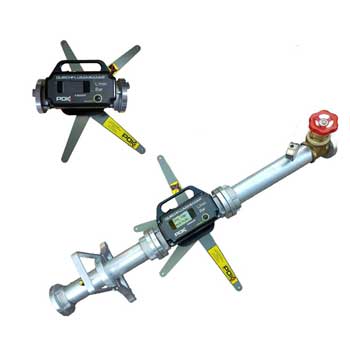



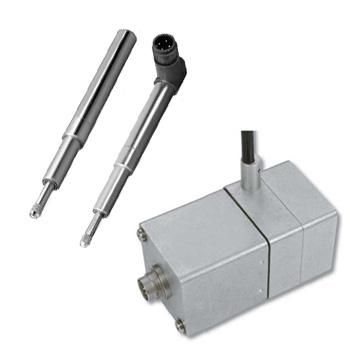
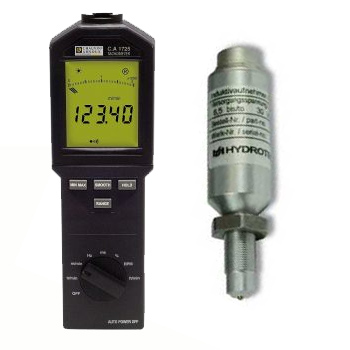
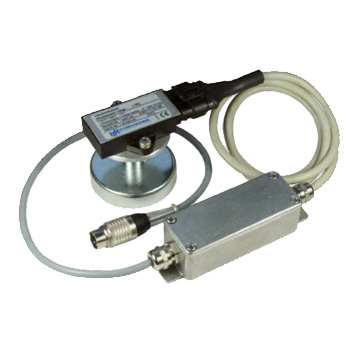
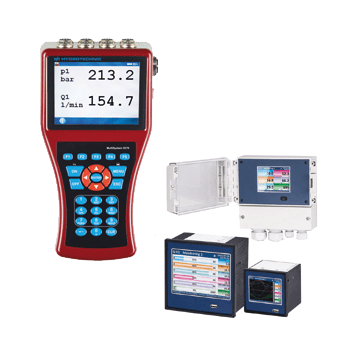
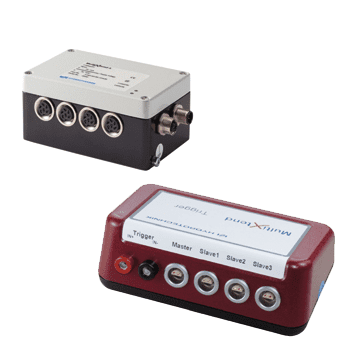
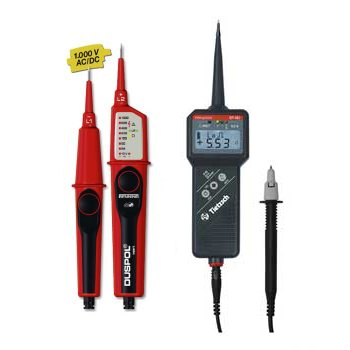
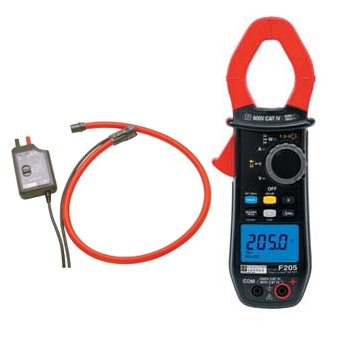


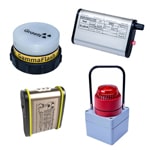
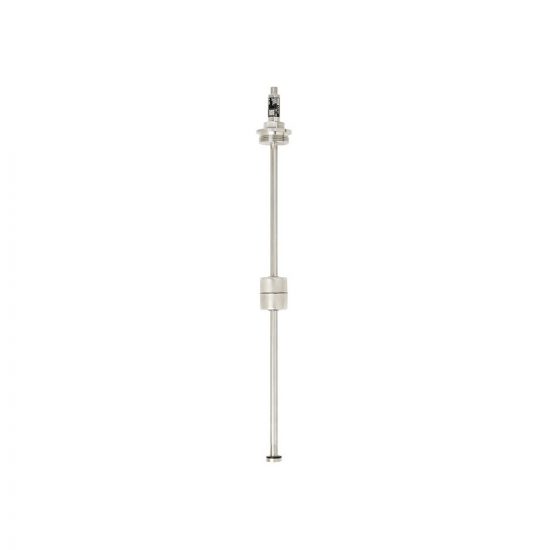






























- Sensor principle Capacitive acceleration sensor
- Frequency range 1 ... 100 Hz
- Measuring range ±50 G
- Output signal Frequency (square wave signal)
- Nonlinearity < ±2%
- Measuring accuracy < ±2%
- Electrical connector M16 x 0.75, 5-pin
- Mechanical connection Magnetic base
- Body material Plastic; resistant to fuels, oils, salts, and specific chemicals
- Ambient temperature -20 ... 85 °C
- IP degree of protection IP66 (sensor element)
- Weight 547 g
 Datasheet Datasheet |
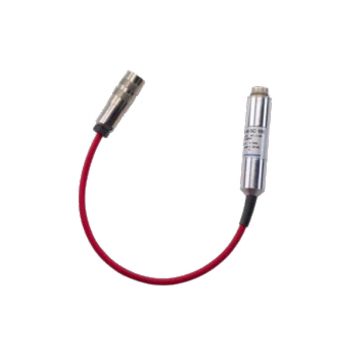
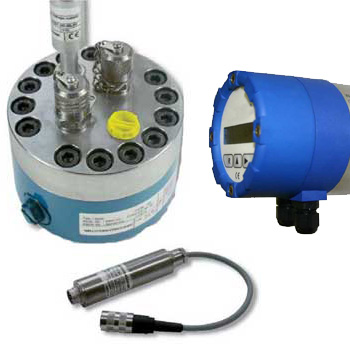
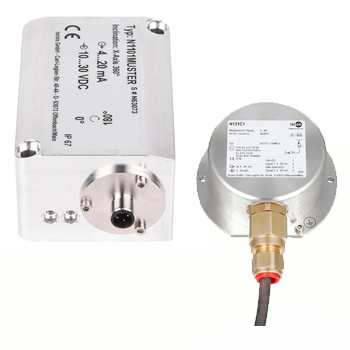
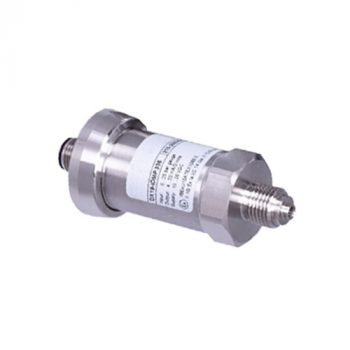
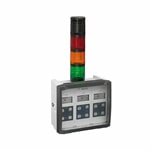
- Measured variable Frequency (optionally two frequencies)
- Measuring range 0 ... 5000 Hz
- Output signal 4 ... 20 mA, ISDS (optional switching output Ub+)
- Measuring accuracy ±0.1% of full scale
- Electrical connector 1 M16 x 0.75, 6-pin
- Electrical connector 2 M16 x 0.75, 6-pin
- Body material Aluminum
- Ambient temperature -25 ... 85 °C
- IP degree of protection IP67 (DIN EN 61076-2-106)
- Weight 75 g
| Datasheet |

Vibration Sensors – Reliable Monitoring of Machine Condition and Mechanical Oscillations
Vibration sensors detect mechanical oscillations on machines, motors, pumps or structures and convert them into electrical signals. They are essential for condition monitoring, early fault detection and predictive maintenance — for example to identify imbalance, misalignment, bearing wear, structural problems or collision events.
Common technologies include accelerometers (piezoelectric or MEMS), vibration transmitters and velocity/displacement sensors. These devices cover wide frequency ranges, offer high dynamic response and can be integrated directly into automation or condition-monitoring systems.
FAQ About Vibration Sensors
Answers regarding function, selection, installation, environments and typical industrial use cases.
What does a vibration sensor measure?
A vibration sensor measures mechanical oscillations — typically acceleration, velocity or displacement — and outputs this as an electrical signal for analysis or monitoring.
How does a vibration sensor work?
Most industrial vibration sensors use piezoelectric elements, strain-gauge elements or MEMS technology. When the sensor body experiences vibration, the internal measuring element produces a proportional electrical signal.
Where are vibration sensors used?
Typical applications include:
- Condition monitoring of motors, pumps, compressors and gearboxes
- Detection of imbalance or misalignment
- Bearing fault detection
- Collision or tool-break detection in machining centres
- Plant-wide monitoring in production lines
What criteria should I consider when selecting a vibration sensor?
Important parameters include:
- Frequency range (must cover relevant vibration signatures)
- Sensitivity and dynamic range
- Environmental conditions such as temperature, humidity, dust or oil exposure
- Mechanical mounting method (stud, adhesive, magnetic base)
- Output signal type (analog, 4–20 mA, IEPE, digital)
How should a vibration sensor be mounted?
The sensor should be mounted on a solid, rigid surface as close as possible to the source of vibration — typically near bearings or structural points of interest. Proper tightening torque, clean surfaces and correct cable routing help prevent measurement errors.
Which output signals are available?
Depending on the sensor type, outputs include 4–20 mA, 0–10 V, frequency/pulse, IEPE (ICP®), and various digital or diagnostic-capable interfaces.
What are typical error sources?
- Poor or loose mounting surface
- Incorrect air gap or misalignment (for non-contact sensors)
- Signal noise due to poor shielding or long cable runs
- Mechanical stress or resonance effects from the mounting structure
What are the advantages of continuous vibration monitoring?
Continuous monitoring allows early detection of machine damage, reduces unplanned downtime, optimizes maintenance intervals and increases the overall reliability of production assets.
How can I request a quotation?
Please provide ICS Schneider Messtechnik with details such as required frequency range, machine type, installation location, environmental conditions and preferred output signal — a tailored offer will then be provided.