





































WIKA Load Cells & Force Transducers – Precision Sensors for Industrial Force & Weight Measurement
Load cells and force transducers from WIKA are high-precision sensors designed to measure forces, loads, and weights in demanding industrial applications. Typical use cases include tank and silo weighing, platform and floor scales, tension and compression measurements, test and inspection systems, and automated production processes.
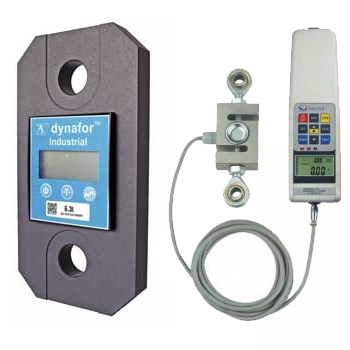
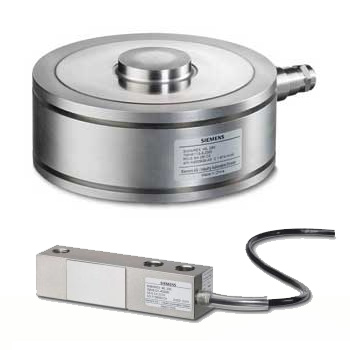
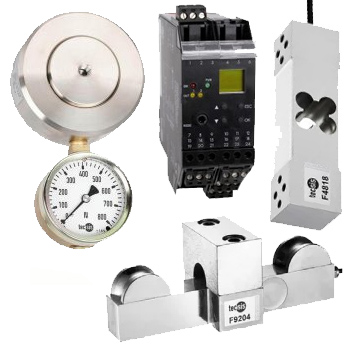
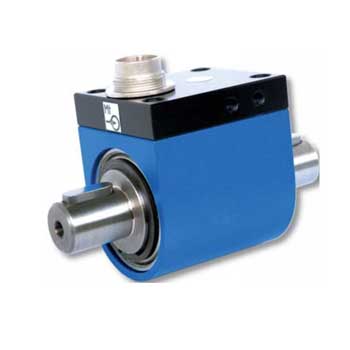
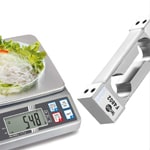
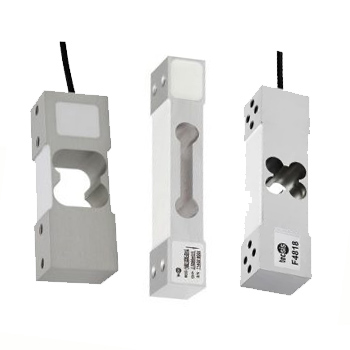
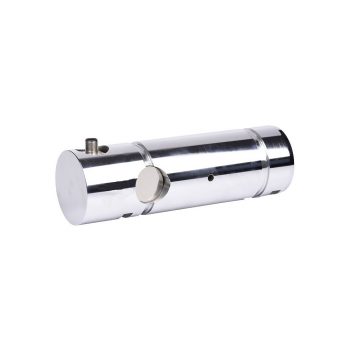
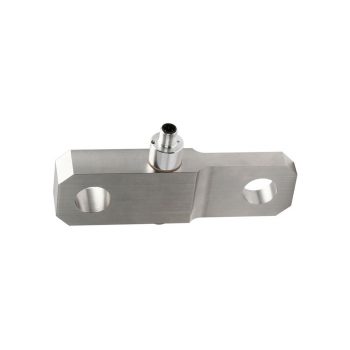
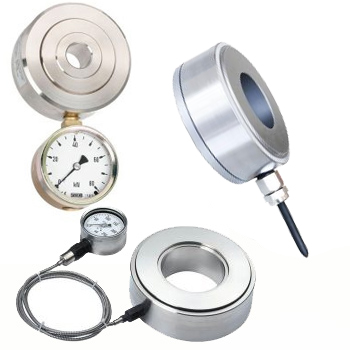
The product range includes various types such as bending beams, shear beams, torsion rings, tension/compression load cells, and multi-cell modules. These sensor types offer high accuracy, OIML approvals, protection classes up to IP67/IP68/IP69K, and versions suitable for hygienic or hazardous environments. ICS Schneider Messtechnik provides support with selection, integration, calibration, and system design.
FAQ About WIKA Load Cells & Force Transducers
Answers about selection, accuracy, installation, environmental considerations, calibration, and typical applications.
What are WIKA load cells and force transducers?
These are precision sensors that convert mechanical force or weight into an electrical signal. WIKA offers high-quality solutions for a wide range of industrial sectors and measurement tasks.
Where are WIKA load cells typically used?
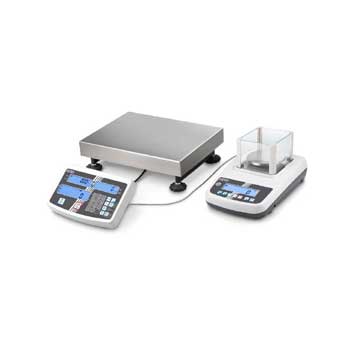
Typical applications include vehicle and track scales, tank and silo weighing, filling and dosing systems, test and measurement systems, and industrial platform or floor scales.
Which load cell types does WIKA offer?
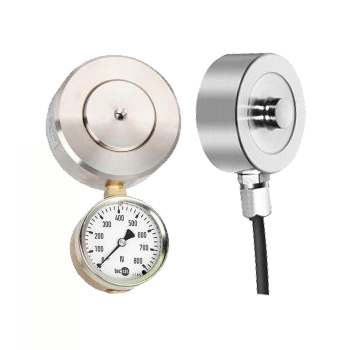
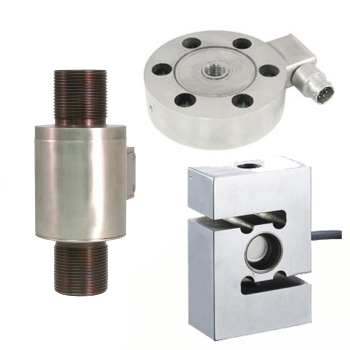
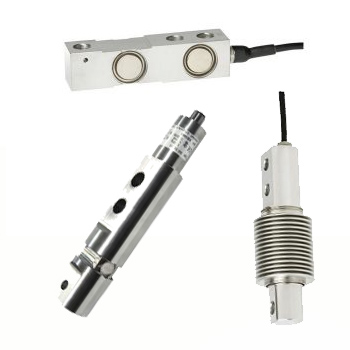
Available designs include bending beam load cells, shear beams, torsion ring load cells, tension/compression sensors, and multi-cell modules—each optimized for specific load ranges, installation heights, or environmental conditions.
What accuracy and legal-for-trade capabilities are available?
Many WIKA load cells support OIML R60 accuracy classes such as C3. Actual system accuracy depends on mechanical design, installation, electronics, and proper calibration.
What materials and protection classes are common?
WIKA offers stainless-steel and alloy-steel models with protection classes up to IP67, IP68, and IP69K, supporting demanding industrial, hygienic, or outdoor applications.
What factors are important when selecting a WIKA load cell?
Key criteria include rated load, load cell type, accuracy requirements, environmental conditions (temperature, humidity, cleaning), legal-for-trade demands, and mechanical installation layout.
What should be considered during mechanical installation?
A stable and flat mounting surface, defined vertical load path, decoupling of side and tilt forces, and properly designed mounting frames or foundations are essential for reliable performance.
How are WIKA load cells electrically connected?
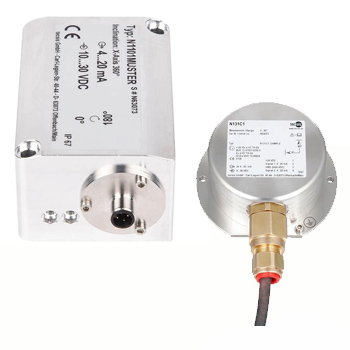
WIKA load cells typically provide a mV/V strain-gauge bridge signal that is processed by a weighing transmitter, which converts it into analog (4–20 mA, 0–10 V) or digital output signals.
How is calibration performed?
Calibration involves applying known test loads, adjusting zero and span, verifying linearity and repeatability, and documenting the results. Proper calibration ensures long-term measurement stability.
What are common sources of error?
- Insufficient structural rigidity
- Rigid mechanical connections (pipes, cables)
- Uneven load distribution or dynamic forces
- Temperature gradients or localized heating
What advantages do WIKA load cells offer?
They provide high measurement accuracy, robust construction, a wide selection of load ranges and designs, and excellent compatibility with industrial weighing and automation environments.
Which accessories are recommended?
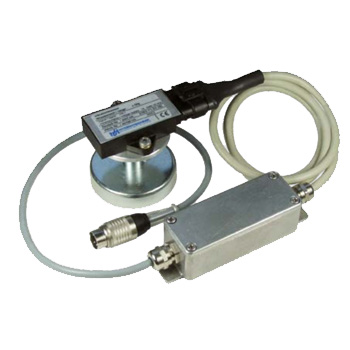
Recommended accessories include mounting and weighing modules (e.g., rocker or sliding bearings), junction boxes, connection and grounding cables, overload protection, and suitable weighing electronics.
Does ICS Schneider Messtechnik provide support with selection and integration?
Yes—ICS Schneider Messtechnik provides assistance with selection, mechanical integration, electronics configuration, calibration, and commissioning of WIKA weighing solutions.
How can I request a quotation?
You can add the desired load cell type to the inquiry list on the product page or contact ICS Schneider directly via phone or email. Please provide information such as application, load range, dimensions, and environmental conditions.