




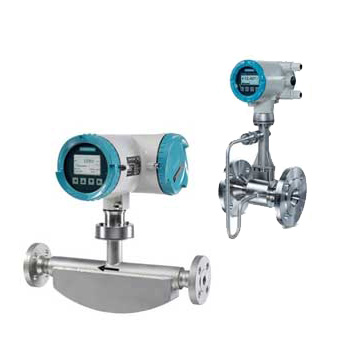
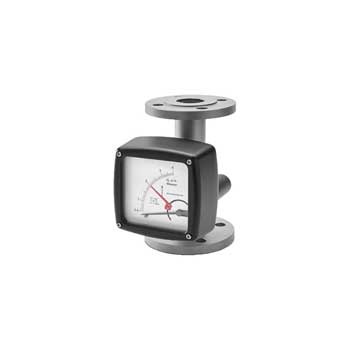
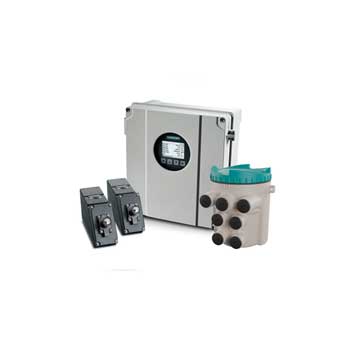
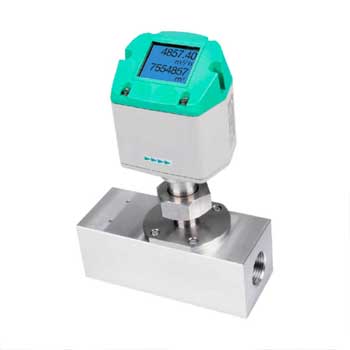



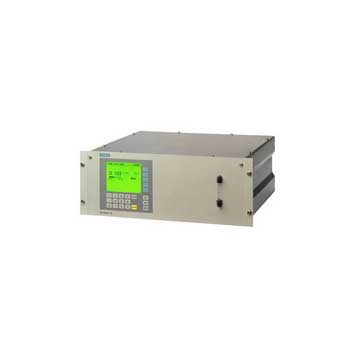






























- High selectivity thanks to two-layer detector and optical coupler: reliable measurements even in complex gas mixtures
- Low detection limits: Measurements at low concentrations
- Corrosion-resistant materials in the gas channel (optional): Measurement possible in highly corrosive measuring gases
- Cleanable analysis cuvettes: Cost savings thanks to further use in case of contamination
- Electronics and physics: Gas-tight separation, purging is possible, IP65: Long service life even in harsh environments
 Datasheet Datasheet |
- Corrosion-resistant materials in the gas channel (optional): Measurement possible in highly corrosive measuring gases
- Cleanable measuring chambers: Cost savings thanks to further use in case of contamination
- Open interface architecture (RS 485, RS 232, PROFIBUS)
- SIPROM GA network for maintenance and service information (optional)
|
Datasheet
|
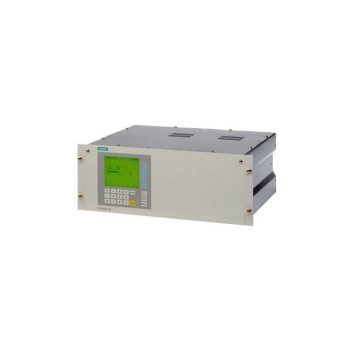
- Integrated pump for reference gas delivery (optionally for ambient air, for example)
- High degree of linearity
- Compact design
- Physically suppressed zero point possible
|
Datasheet
|
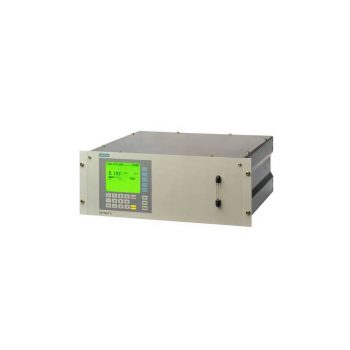
- Paramagnetic alternating pressure method: Small measuring ranges (0 to 0.5% or 99.5 to 100% O2), absolute linearity
- Detector element has no contact with the measuring gas: can be used under “harsh conditions,” long service life
- Physically suppressed zero point by suitable reference gas selection (air or O2), such as 98 to 100% O2 for purity monitoring / air separators
- Open interface architecture (RS 485, RS 232, PROFIBUS)
- SIPROM GA network for maintenance and service information (optional)
|
Datasheet
|
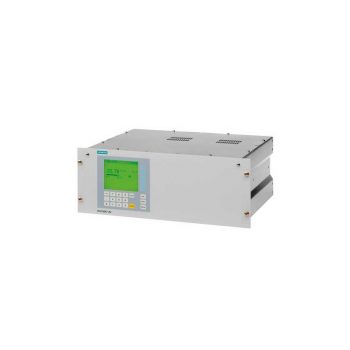
- High degree of linearity
- Compact design
- Open interface architecture (RS 485, RS 232, PROFIBUS)
- SIPROM GA network for maintenance and service information (optional)
|
Datasheet
|
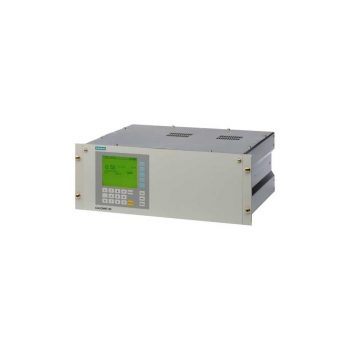
- Universally applicable hardware basis
- Integrated correction of interference gas, no external calculation required
- Open interface architecture (RS 485, RS 232, PROFIBUS)
- SIPROM GA network for maintenance and service information (optional)
- Electronics and analyzer part: gas-tight separation, purging is possible, IP65, long lifetime even in harsh environments (field device)
|
Datasheet
|
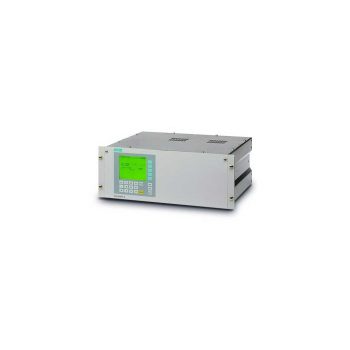
- Short T90 time thanks to micromechanical Si sensor
- Universally applicable hardware basis, highly dynamic measuring range (e.g., 0 to 1%, 0 to 100%, 95 to 100% H2)
- Integrated interference gas correction, no external calculation required
- Open interface architecture (RS 485, RS 232, PROFIBUS)
- SIPROM GA network for maintenance and service information (optional)
|
Datasheet
|
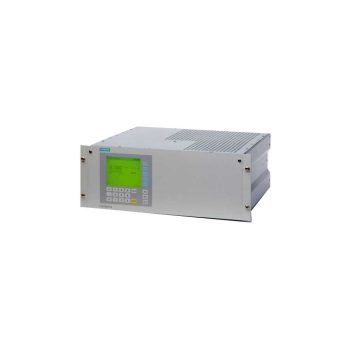
- Wide range of applications: in up to 100% H2O steam, for ultra-pure gas applications, for high-boiling components (up to 200 °C), in the presence of corrosive gases (with prefilter)
- Extremely low cross-sensitivity to interfering gases
- Low consumption of combustion air
- Low influence of oxygen on measured value
- Warning and fault messages; in case of combustion gas failure, flame extinction, and pump and filter faults
|
Datasheet
|
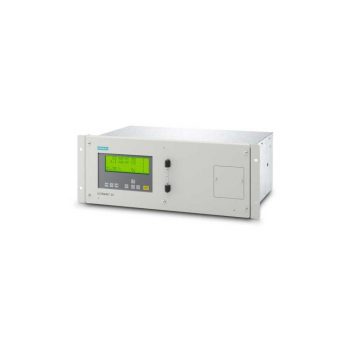
- Highly cost-effective because calibration gases are not required (AUTOCAL with ambient air, depending on the measuring component)
- High selectivity due to multilayer detectors e.g. low cross-sensitivity to water vapor
- Cleanable cuvettes: Cost savings through further use in case of contamination
- Menu-guided operation in plain text
- Open interface architecture (RS 485, RS 232; PROFIBUS, SIPROM GA): Simplified process integration; remote operation and control
| Datasheet |
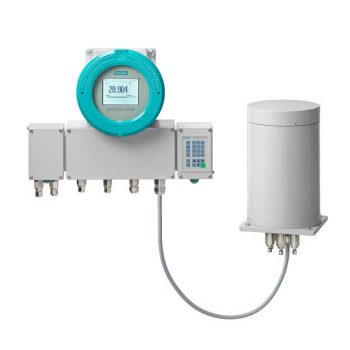
In addition to flexible modules, the innovative SIPROCESS GA700 series also includes a new housing type: the Ex d field device with pressure-resistant enclosure. It contains a field operating device consisting of an Ex d casing with attached Ex e connection housing plus a connected Ex d field module.

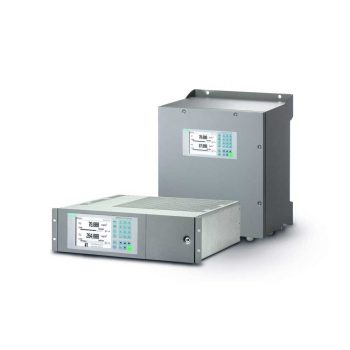
The new SIPROCESS GA700 series of gas analyzers makes it possible to combine up to two modules in one housing: in either a wall-mounted housing or in a 19" rack housing with three different height units, depending on individual requirements.
|
Datasheet
|
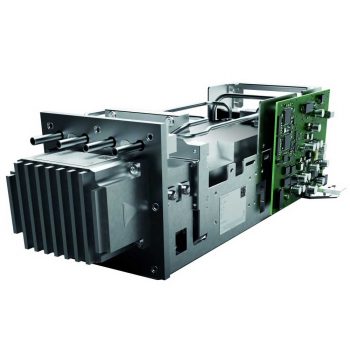
- High measuring precision in complex gas mixtures
- Low detection limits
- Low maintenance costs thanks to on-site cleaning of the analysis chambers
- Simplified interfering gas measurement
- Preventive maintenance function
- High selectivity due to two-layer detector
- Easy-to-use, thanks to Plug & Measure
- Ready for Industry 4.0
|
Datasheet
|
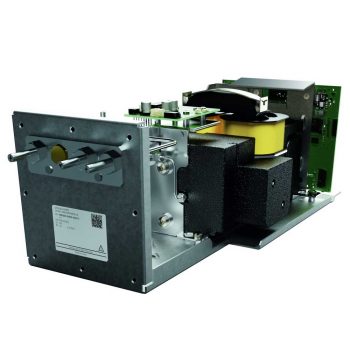
- Long service life, since the microflow sensor does not come into contact with the sample gas and therefore cannot corrode
- Low susceptibility to faults
- Vibration compensation
- T90 time 1.9 seconds
- Maximum ambient temperature 50 °C
- Small measuring ranges (0 to 0.5% or 99.5 to 100% O2)
- Physically suppressed zero point, such as 98 or 99.5 to 100% O2
- Easy-to-use, thanks to Plug & Measure
- Ready for Industry 4.0
|
Datasheet
|
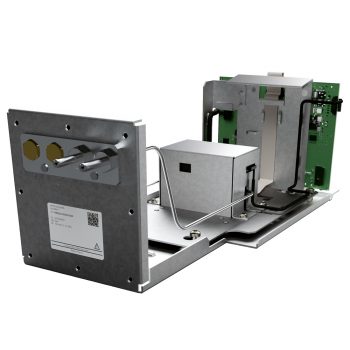
- Ideal for binary gases
- Integrated interference correction, no external calculation necessary
- High measuring range dynamics
- Low detection limits in the measuring range of 0 to 0.5% with hydrogen
- T90 time < 2.5 seconds
- Maximum ambient temperature 50 °C
- Easy-to-use, thanks to Plug & Measure
- Ready for Industry 4.0
|
Datasheet
|

- Simultaneous measurement of NO and NO2 with subsequent compilation.
- NO2 converters or CLD analyzers are therefore not required. This means:
- Lower maintenance effort (no converter function check)
- Reduced operating costs because no additional equipment is required, such as an ozone generator and the like - Measurement in the UV range
- Measurement not effected by H2O and CO2
- Very low SO2 and NO measuring ranges possible - UV Resonance Absorption Spectrometry (UVRAS)
- Measurement of very low NO concentrations: Measuring range 10 ppm
- Very low cross-sensitivity to other gases - Very long service life of the UV light source
- Low drift and high stability through four-channel measuring method with double quotient calculation
- True reference measurement for drift-free, stable measurements
- All modules “temperature controlled,” regardless of ambient temperature fluctuations
- Optional calibration device
- Filter wheel with test cells that can be swiveled into the beam path for calibration; no test gases required
-Calibration: manual or automatic
|
Datasheet
|
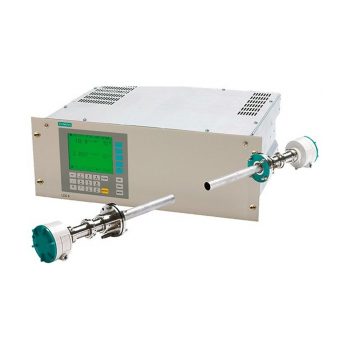
- Little installation effort
- Minimum maintenance requirements
- Extremely rugged design
- High long-term stability through built-in, maintenance-free reference gas cell, field calibration is unnecessary
- Real-time measurements
| Datasheet |
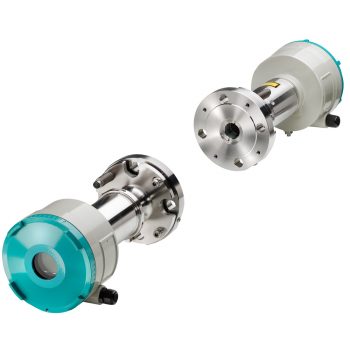
- Process control (chemical industry)
- Process optimization (steel industry)
- Safety monitoring, e.g. measuring minimum or maximum concentration limit for oxygen in explosive proof environment
- Suitable for use in SIL 1 safety systems to 61508/IEC 61511
- Combustion control (boilers, municipal waste incinerators)

| User Manual |

Gas Analyzers
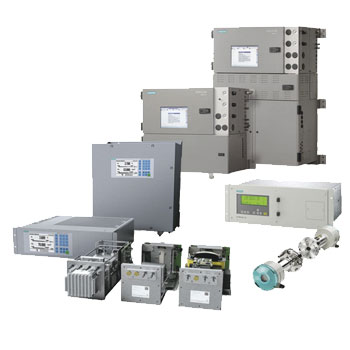
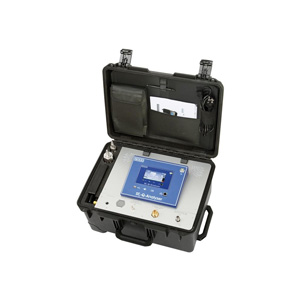
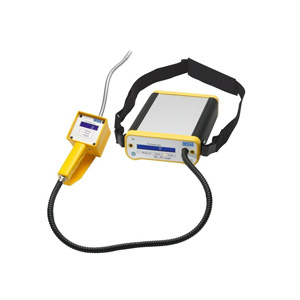
Gas analyzers are used for precise determination of gaseous components in technical systems, process plants or environmental applications. They enable quantitative and qualitative analysis of gas mixtures, monitoring of process gases, emissions or purity requirements. Typical components include gas sampling systems, sensor or detector units, analysis modules and evaluation and interface units.
FAQ
Which methods are used in gas analyzers?
Commonly used methods include electrochemical sensors, infrared (IR) and near-infrared (NIR) spectroscopy, Raman spectroscopy, mass spectrometry, gas chromatography and optical measurement techniques such as laser absorption. The choice depends on gas species, concentration range and application requirement.
Which gases and parameters can be analyzed?
Gas analyzers cover a broad spectrum: from oxygen (O₂), carbon monoxide (CO), carbon dioxide (CO₂), hydrogen sulfide (H₂S), ammonia (NH₃) to complex gas mixtures, VOC components, noble gases or trace constituents. Parameters such as humidity, temperature and pressure can also be measured.
Where are gas analyzers typically used?
Typical fields of application include process industry (petrochemical, chemical), energy and power plant sector, water and wastewater technology, biogas plants, environmental monitoring, cleanroom technology as well as research and development.
What are the key specifications when selecting analyzers?
Important specifications include measuring range, detection limit, selectivity against interfering gases, repeatability, accuracy, response time, sampling method (direct gas, grab sample, analyzer), temperature and pressure conditions as well as maintenance requirement.
What is the role of sampling and sample preparation?
Sampling is often the most critical part: condensation, particle load, pressure and temperature changes or chemical reactions in the sample line can impair measurement quality. Suitable filters, dryers and materials are therefore essential for valid results.
How is calibration and quality control performed?
Calibration usually uses certified reference gases or gas mixtures and must be documented regularly. Additionally, functional testing or validation runs are often carried out to verify the measurement chain, sampling system and software functions.
Which interfaces and evaluation options do analyzers offer?
Analyzers have digital and analog interfaces (e.g. 4–20 mA, Modbus, Ethernet) for integration into control systems or supervisory systems. Data logging, trend analysis, alarm detection and reporting are key functions for traceability and optimization.
What challenges exist in gas analysis?
Typical challenges include low concentrations, complex gas mixtures, sensor drift, calibration effort, sampling and preparation issues as well as changing environmental conditions. A systematic approach and regular maintenance are therefore essential.
What advantages do modern gas analyzers offer?
Modern analyzers offer high accuracy, fast response times, modular design, simple integration, automated sampling and remote monitoring. They enable precise analysis with reduced operating costs and high process or environmental safety.