




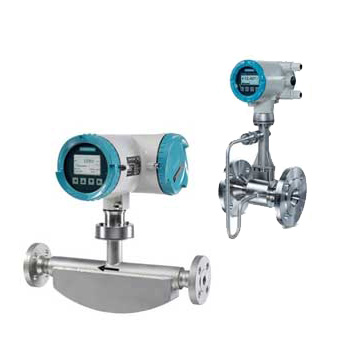
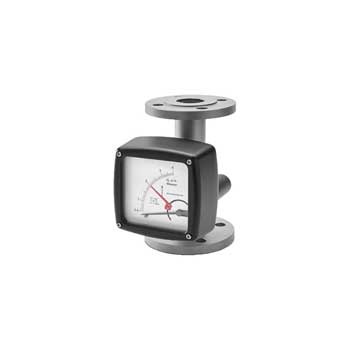
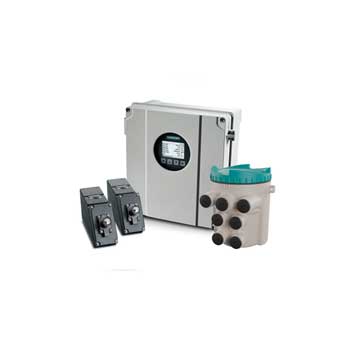
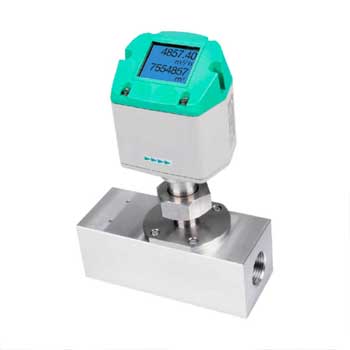



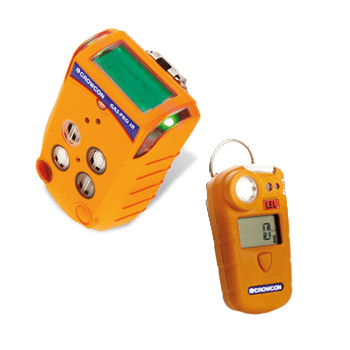
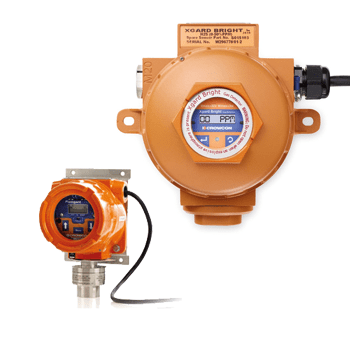
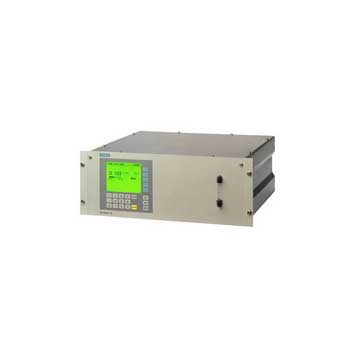
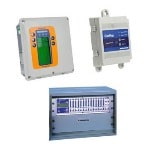



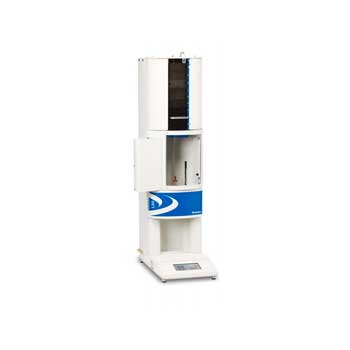
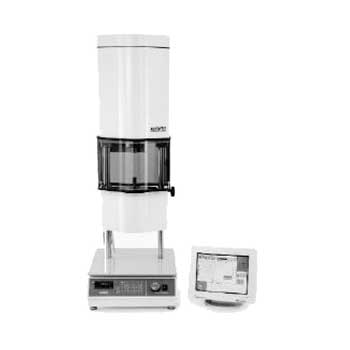

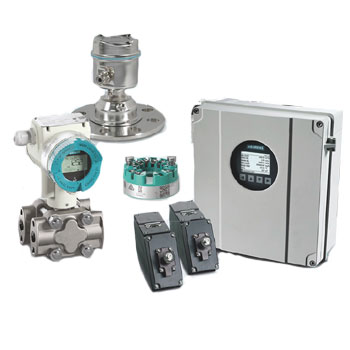
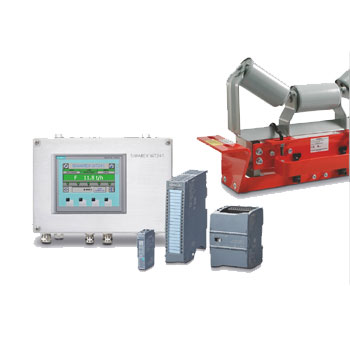
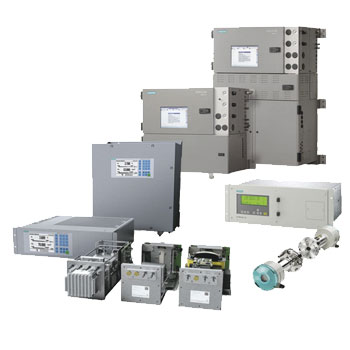
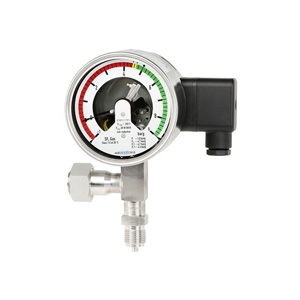
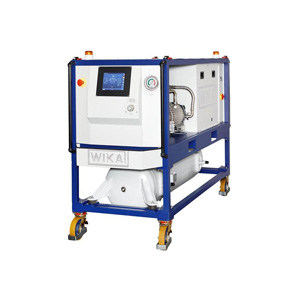
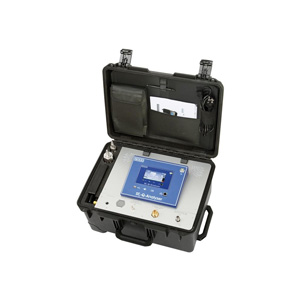
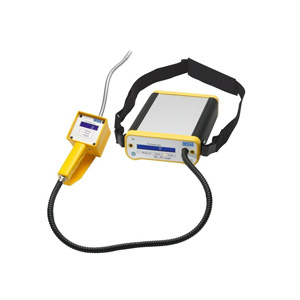
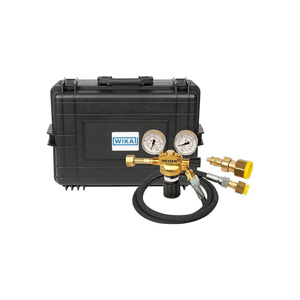
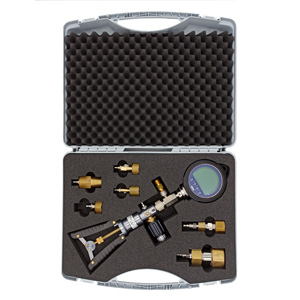
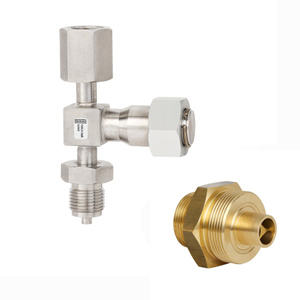
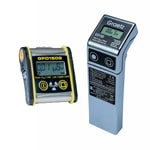
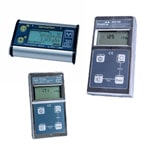
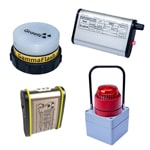
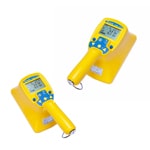
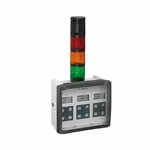
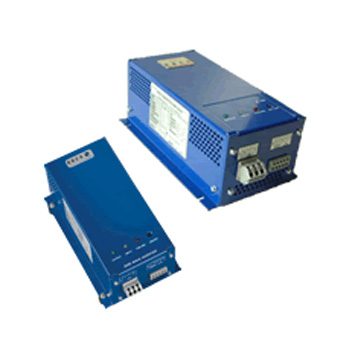
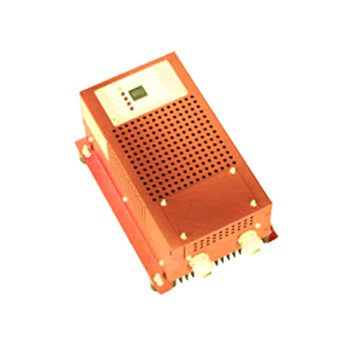























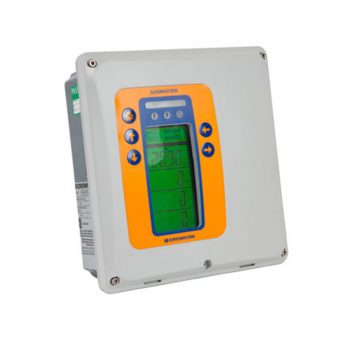
Crowcon’s enhanced Gasmaster gas detector control panel has a modular design meaning users only need purchase the required number of input modules. It can easily be extended by adding more modules at a later date.

 Datasheet Datasheet
|
|
User Manual
|
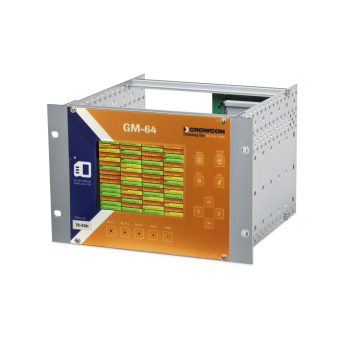
There are 3 addressable gas detection controller options, all with identical functionality but with different channel input capabilities.
- GM16: 1-16 Channel inputs
- GM64: 1-64 Channel inputs
- GM128: 1-128 Channel inputs

|
Datasheet
|
|
User Manual
|
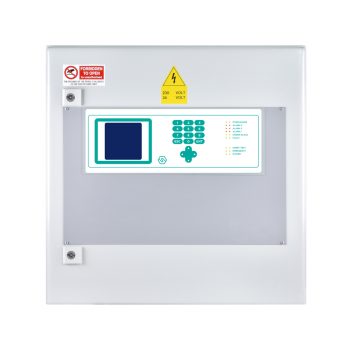
The Multiscan++MED control panel has been purposely designed and certified to meet with the requirements of the marine industry and can manage and monitor up to 64 gas detectors.
| Datenblatt |
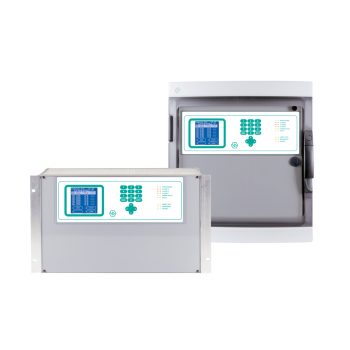
The Multiscan++ PK from Sensitron gas detection control panel supports a maximum of 256 detectors and has been designed with car parks in mind. It is compliant with the EN 50545-1 standard, which defines the requirements for the detection of CO and NO2 in car parks and tunnels, helping you easily keep track of gas levels in these confined areas.
| Datasheet |
The Multiscan++ S2 from Sensitron is a SIL2 certified, advanced multifunctional gas detection control panel designed for maximum flexibility. Capable of monitoring up to 256 gas detectors, it also has a range of self-testing facilities to take place to detect and localise possible failures so you can be confident your site is always protected.
| Datenblatt |
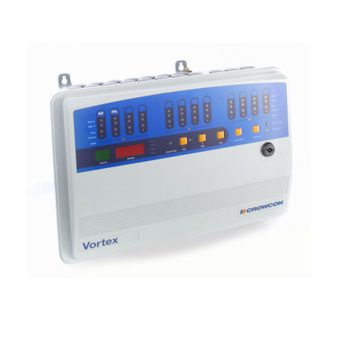
Vortex is our most flexible gas controller package that can be customised to meet your site requirements, however complex, without the need for extensive cabling.
|
Datasheet
|
|
User Manual
|
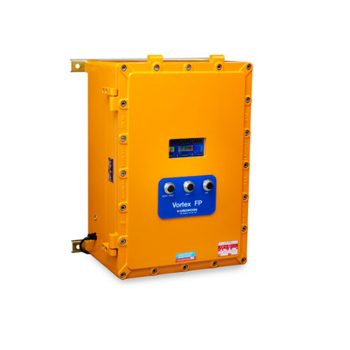
Vortex FP and Vortex FP Compact are ATEX certified Exd Flameproof gas detector control panels for use in Zone 1 or Zone 2 hazardous areas such as on offshore production platforms or within refineries.
|
Datasheet
|
|
User Manual
|
|
User Manual
|
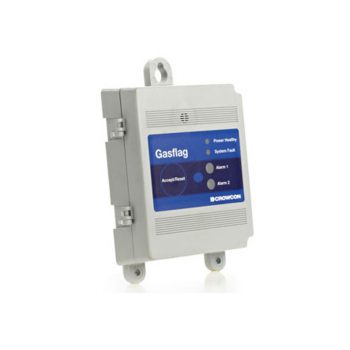
- Loud internal audible alarm
- Clear system integrity indication
- Accepts industry standard 4-20mA inputs
- Multiple units can be daisy-chained
- Variable alarm configurations
- Integral alarm outputs
- Simple installation
- Minimum maintenance
- One button operation
| Datasheet |
| User Manual |
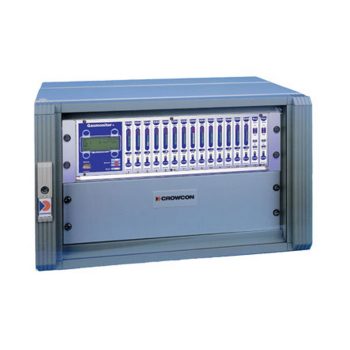
- All day-to-day functions are available from the front panel – push buttons for simple operation
- Unique bar-graph display per channel – provides instant representation of gas concentrations
- Common alarm LEDs on the display card – the whole rack status can be checked at a glance.
| Datasheet |
| User Manual |

Gas Warning System
A gas warning system is a permanently installed monitoring solution for the early detection of flammable, toxic or oxygen-changing gases in technical installations. It comprises sensors (detector heads), evaluation units (gas warning control panel), alarm devices and interfaces to control and safety systems. Through proper placement, setting of alarm thresholds and integration into technical counter-measures, it significantly enhances the safety of personnel, equipment and environment.
FAQ
What are the main components of a gas warning system?
Typical components include: detector heads with gas sensors, signal transmission (e.g., 4–20 mA, bus), an evaluation unit (gas warning control panel), optical/acoustic alarms and optionally ventilation or shut-off functions for hazard mitigation.
Which gases are monitored with a gas warning system?
Gas warning systems are typically used to monitor flammable gases (e.g., hydrocarbons), toxic gases (e.g., CO, H₂S), oxygen deficiency or enrichment and volatile organic compounds (VOCs). The specific choice depends on the hazard scenario on-site.
What are essential requirements for planning and design?
Design includes hazard assessment, selection of suitable sensors, determination of detector positions, definition of alarm thresholds, compliance with standards such as DIN EN 60079-29-2 or DIN EN 50545-1 and preparation of a testing and maintenance concept. :contentReference[oaicite:8]{index=8}
How are alarms triggered and processed?
When defined threshold values are exceeded, detectors send signals to the control panel, which activates optical/acoustic alarms, triggers relays or interfaces to control systems, for example, ventilation or shutdown devices. :contentReference[oaicite:9]{index=9}
Which regulations and testing obligations apply to gas warning systems?
Gas warning systems are subject to inspection under the German Industrial Safety Regulation (BetrSichV), especially when used in explosive atmospheres. Installation and modifications must be documented and planned by qualified personnel. :contentReference[oaicite:10]{index=10}
How are detector positions determined?
Placement is based on the physical behavior of gases (lighter or heavier than air), potential leak points, occupancy zones and ventilation conditions. Incorrect installation can significantly reduce effectiveness. :contentReference[oaicite:11]{index=11}
What does maintenance of a gas warning system involve?
Maintenance includes visual and functional inspections, calibration of sensors, system checks of the control panel, testing of alarm devices and documentation of results. Regularity and traceability are vital for secure operation.
Which protection ratings and explosion certifications are relevant?
If used in explosive atmospheres, components must have appropriate ignition protection types (e.g., Ex-ia, Ex-d) and be certified for the zone category and environmental protection class (e.g., IP65/IP66).