






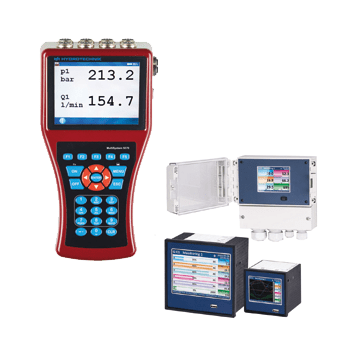
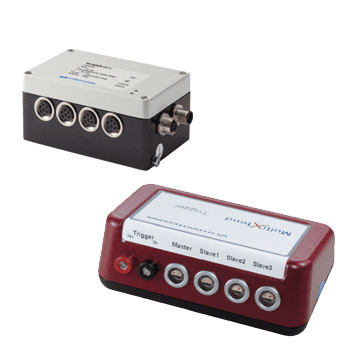
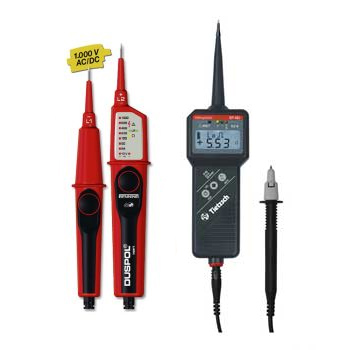
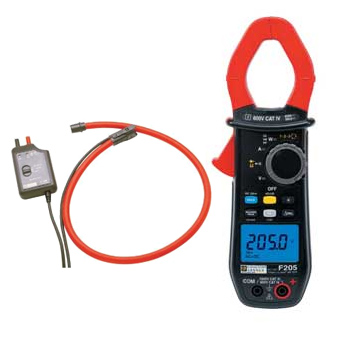


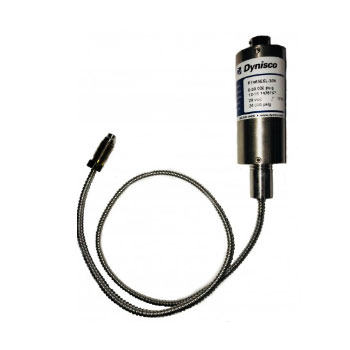
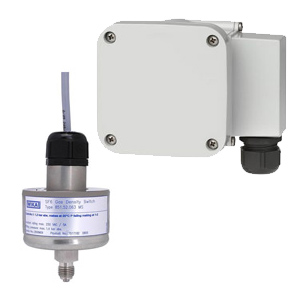
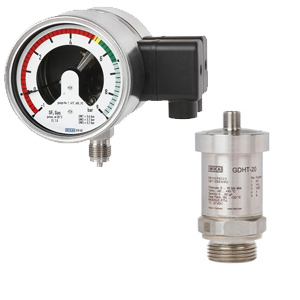
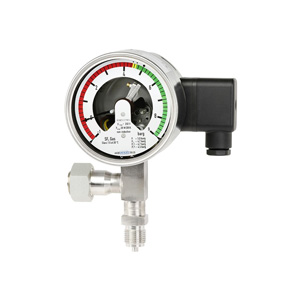
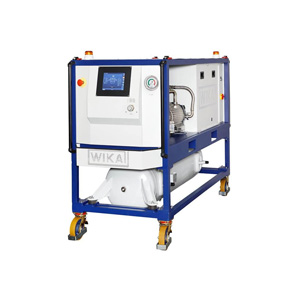
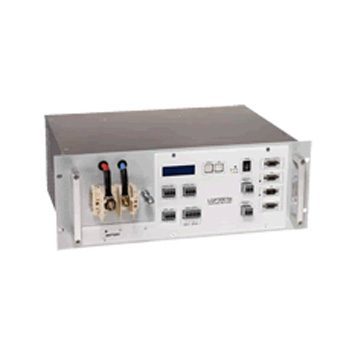
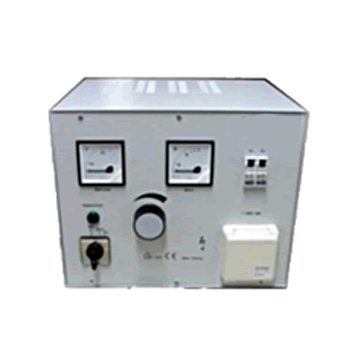
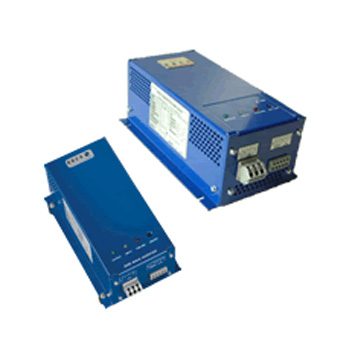
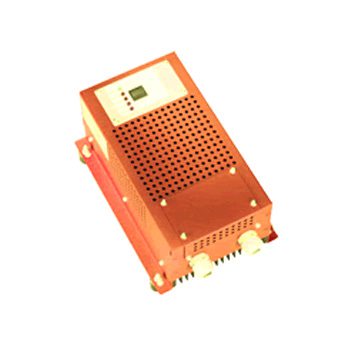





























- Adjustable zero and span
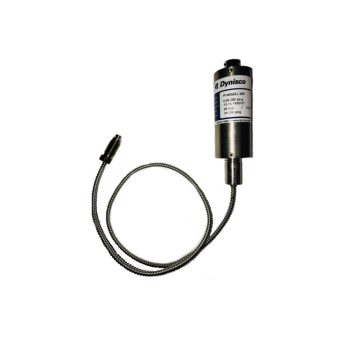
- Accuracy better than ±1.0%
- Inconel diaphragm
- 4 - 20 mA output
- 0 - 3,000 to 0 - 20,000 psi
- Internal 80% shunt calibration
 Datasheet Datasheet |

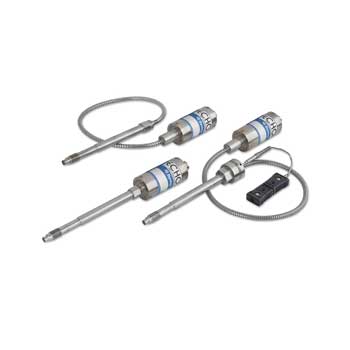
- 1" flex bend radius
- Inconel 718 diaphragm
- Free spinning jam nut
- Better than ±0.5% accuracy
- Up to 750°F (400°C) melt temperatures
- Adjustable zero and span
- 0 to 5 Vdc, 1 to 6 Vdc, 0 to 10 Vdc or 1 to 11 Vdc outputs
| Datasheet |
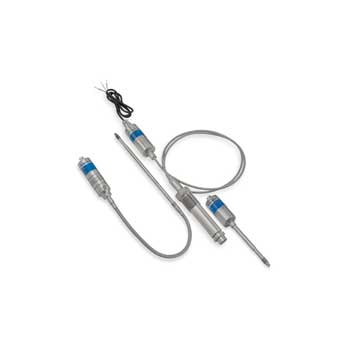
- 1" flex bend radius
- Inconel 718 diaphragm
- Free spinning jam nut
- Better than ±0.5% accuracy
- Up to 750°F (400°C) melt temperatures
- Adjustable zero and span
- 0 to 5 Vdc, 1 to 6 Vdc, 0 to 10 Vdc or 1 to 11 Vdc outputs
| Datasheet |
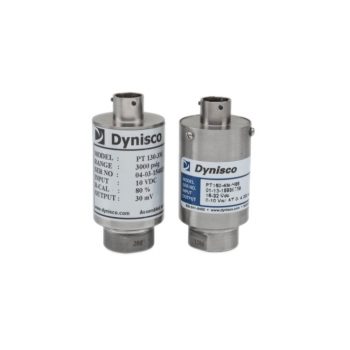
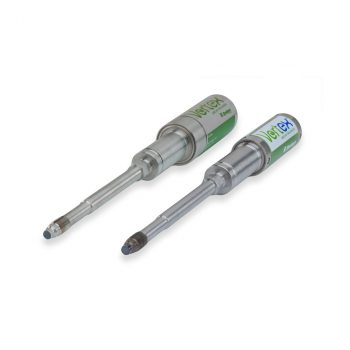
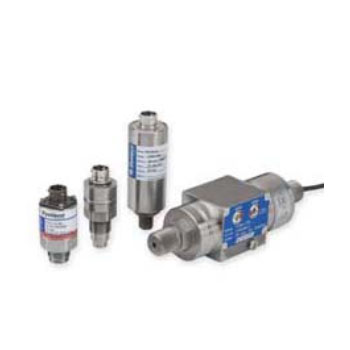
- 3 mV/V output
- Accuracy ±0.50%
- Handles temperatures up to 285°F (140°C)
- All welded, stainless steel construction
- Rugged design
- Internal shunt calibration
- Compact
| Datasheet |
| User Manual |
- 1" flex bend radius
- Inconel 718 diaphragm
- Free spinning jam nut
- Better than ±0.5% accuracy
- Up to 750°F (400°C) melt temperatures
| Datasheet |
| User Manual |
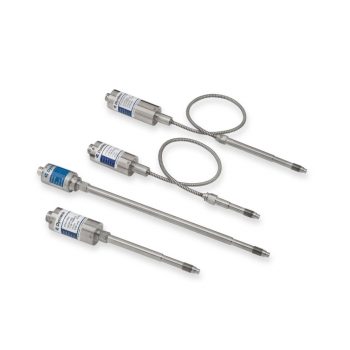
- Better than ±0.5% accuracy
- 3.33 mV/V FSO
- Internal 80% shunt calibration
- All stainless steel wetted parts
- 0 - 500 to 0 - 30,000 psi
- Good stability and repeatability
- Exposed, bendable capillary
| Datasheet |
| User Manual |
- Adjustable zero and span
- Accuracy better than ±0.5%
- DyMax® coated stainless steel wetted parts
- 4 - 20 mA output
- 0 - 500 to 0 - 30,000 psi
- Internal 80% shunt calibration
| Datasheet |
- Better than ±0.5% accuracy
- 0 to 5 Vdc, 1 to 6 Vdc, 0 to10 Vdc, 1 to 11 Vdc outputs
- 0 - 500 to 0 - 30,000 psi
- Internal 80% shunt calibration
- Adjustable zero and span
- Exposed, bendable capillary
| Datasheet |
- Better than ±0.5% accuracy
- 0 to 5 Vdc, 1 to 6 Vdc, 0 to10 Vdc, 1 to 11 Vdc outputs
- 0 - 500 to 0 - 30,000 psi
- Internal 80% shunt calibration
- Adjustable zero and span
- Exposed, bendable capillary
| Datasheet |
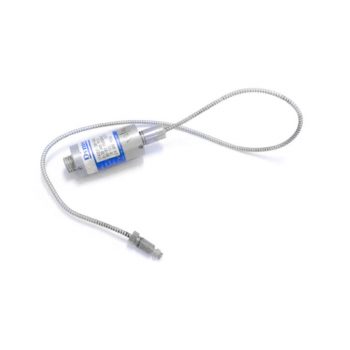
- Better than ±0.25% accuracy
- 3.33 mV/V FSO
- Internal 80% shunt calibration
- All stainless steel wetted parts
- 0 - 500 to 0 - 30,000 psi
- Excellent thermal stability and repeatability
- Exposed, bendable capillary
| Datasheet |
| User Manual |

Injection Molding Sensors – Dynisco
Dynisco offers dedicated sensors for injection molding processes — designed to accurately and reliably measure process pressure and, depending on the model, temperature under the demanding conditions of plastic injection molding. These sensors are built rugged for high temperature and pressure exposure and provide standardized output signals. They can be mounted directly to nozzles, hot-runner manifolds or hydraulic systems — making them ideal for quality control, process monitoring and control in plastic molding operations.
Questions & Answers about Dynisco Injection-Molding Sensors
What are Dynisco injection-molding sensors?
They are pressure (and optionally temperature) sensors tailored for injection molding, used to monitor melt pressure or hydraulic pressure in the molding machine or the mold itself.
Which parameters can they measure?
Primarily melt or hydraulic pressure; some variants also provide temperature readings or other process-relevant data — enabling detailed monitoring of the molding process.
Where in an injection-molding setup are they used?
At critical points such as injection nozzles, hot-runner systems, hydraulic cylinders or other pressure-sensitive zones within the molding machine.
What are the technical requirements they meet?
High precision, repeatability, resistance to elevated temperatures and pressures, corrosion resistance and durability — necessary for harsh industrial conditions in injection molding.
What output signals do they provide?
Depending on the model: 3.33 mV/V, 4–20 mA, 0–5 V or 0–10 V — compatible with control units, data loggers or automation systems.
Why are such sensors useful in injection molding?
Because they deliver real-time feedback on pressure and process conditions — allowing optimization of injection cycles, monitoring of material flow and temperature, detecting issues like blockages, ensuring consistent part quality, and enabling automated process control.
How are they mounted?
Directly at nozzles, hot-runner manifolds or hydraulic parts of the injection molding machine, using standard process fittings for secure, durable installation.
Who benefits from Dynisco injection-molding sensors?
Plastic processors, molders, toolmakers and manufacturers in industries such as automotive, packaging, medical, consumer goods — basically anyone requiring precise, repeatable and monitored injection molding processes.
What advantages do they offer over general-purpose sensors?
Specialized design for injection molding — able to handle high melt pressures and temperatures, robust construction, precise output, and compatibility with industrial control systems — offering better reliability and process control than generic sensors.
What should be considered when selecting a sensor?
You need to match the pressure range, connection type, material compatibility, output signal and environmental resistance (temperature, chemical exposure) to your molding machine, process medium and monitoring or control system.