







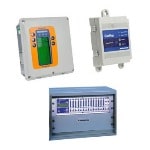
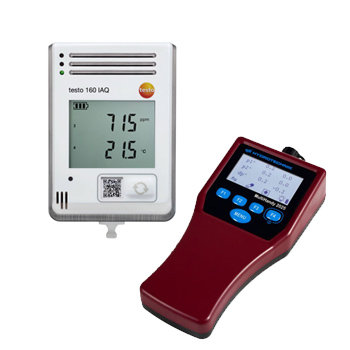
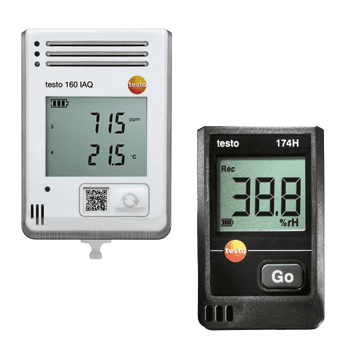
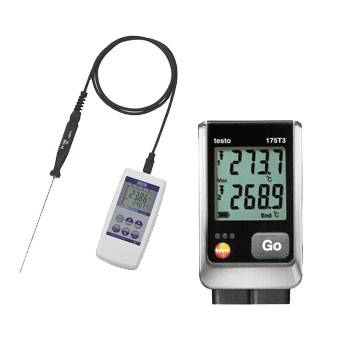


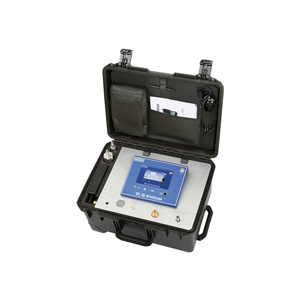
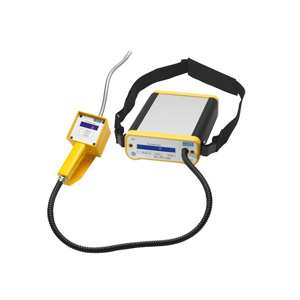
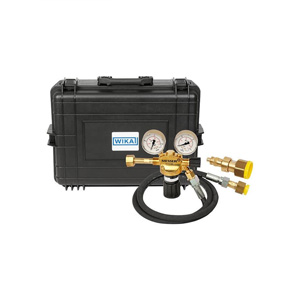
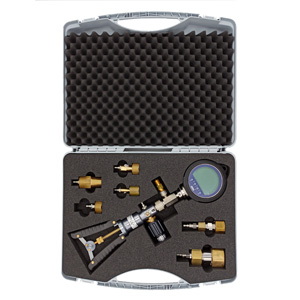



























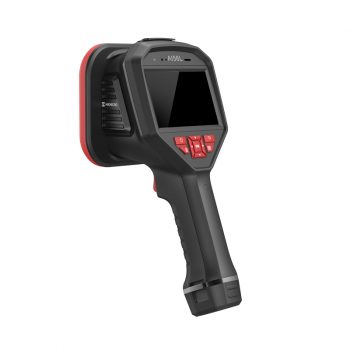
- 64 low-noise MEMS microphones for real-time sound source localization
- Real-time estimated leak rate, leak cost, and leak level for gas leak detection
- Analyzer acoustic software for image analysis and report export
- 800 × 480 resolution, 4.3-inch LCD touch screen
- Supports 8 acoustic palettes
 Datasheet Datasheet
|
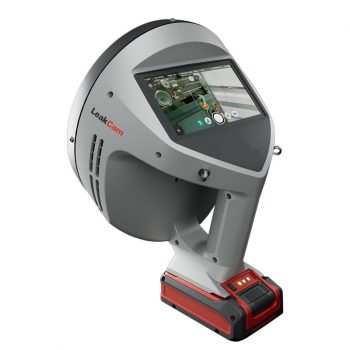
- The power beam forming algorithm - enables simultaneous detection and visualisation of multiple leakages from long distances
- 64 ultrasonic microphones arranged at a maximum distance of 20 cm enable the precise localisation of leakages from a distance of up to 10 metres with a compressed air leakage of 10 € / year.
- Customisable frequency range from 2 to 80 kHz for accurate leak detection, even in noisy production facilities, sources of interference are effectively masked.
- Intuitive operation without the need for training.
- 5" HD display and 13 megapixel camera for clear, detailed visualisations.
- Ergonomic design with one-handed handle, neck strap and fastening eyelets for extended use.
- Replaceable batteries for up to 8 hours of operating time, enabling uninterrupted work.
- Estimation of leakage volume in l/min or cfm and calculation of annual costs.
- Precise focussing and leakage rate determination thanks to integrated laser distance module.
- Compatibility with Leak Reporter V2 and Cloud-solution software for advanced analysis and documentation.
| Datasheet |
| User Manual |
-
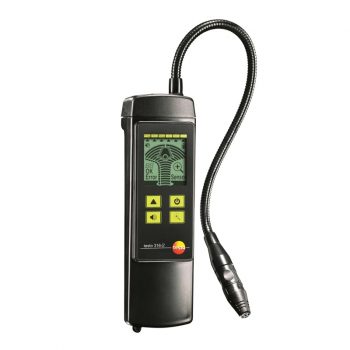
18-segment bar graph display visualizes gas concentration, additional indication of maximum leakage
-
Fast response time thanks to the integrated pump
-
Flexible probe for reaching hard-to-access pipelines
-
Long operating time thanks to the rechargeable battery
|
Datasheet
|
|
User Manual
|
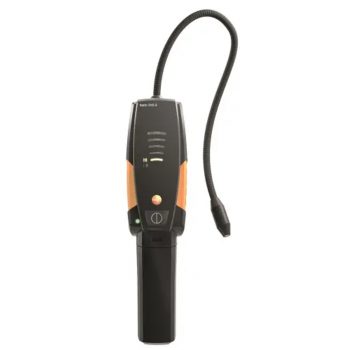
- Can detect all the most common cooling agents: CFCs, HFCs, FCs
- Highly sensitive – detects even the smallest leaks
- Easy-to-use one-button operation
- Complies with specifications for F gases regulations, SAE Code J1627 and DIN EN 14624:2012 standard
 Datasheet Datasheet |
| User Manual |
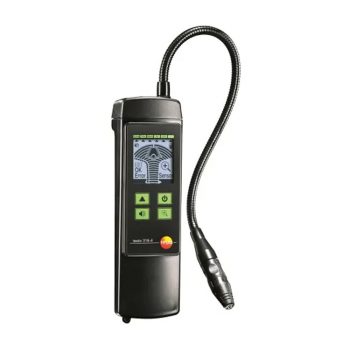
- Extremely high sensitivity of ˂3g/a enables detection of even the smallest leaks
- Visual and acoustic alarm for optimum leakage detection
- Permanent sensor check, ensuring that your work is both safe and fast
- Earplug connection for safe leakage detection in loud environments
| Datasheet |
| User Manual |
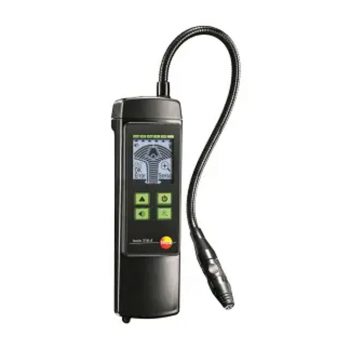
- Extremely high sensitivity of ˂3g/a enables detection of even the smallest leaks
- Visual and acoustic alarm for optimum leakage detection
- Permanent sensor check, ensuring that your work is both safe and fast
- Earplug connection for safe leakage detection in loud environments
| Datasheet |
| User Manual |
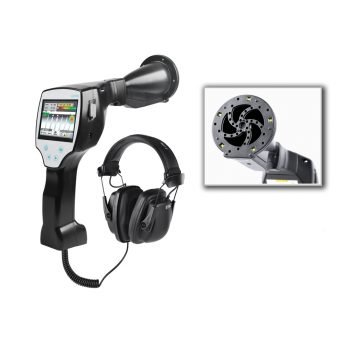
- shows you where the leak is on the screen
- Find leaks during production without interruption of plant operation
- very intuitive and no training required!
- let’s you hear where the compressed air leak is also on the headphones
- 5 LED’s and ambient light sensor for intelligent lighting in dark environments
- Leak estimation function (l/min or cfm) and (Cost per Year)
- Running time of 7 hours of the ILD 500/ ILD 510
- Lightest acoustic camera on the market with 600 gr
- can be connected to existing ILD 500/ ILD 510
| Datasheet |
| User Manual |
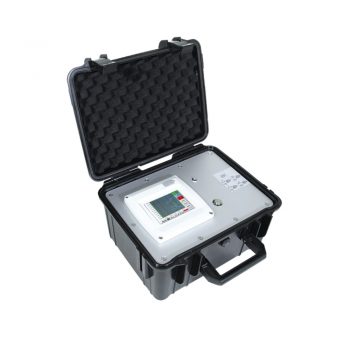
- Easy and clear layout: Very easy operation via 3.5" color display with touch panel
- Versatile: Up to 4 sensors/meters connectable also third-party sensors/meters including power supply
- Reliable: Stores all measured values on a memory card, easy reading out via USB stick possible
- Intelligent energy analysis: Daily/weekly/monthly evaluations mathematic function for internal calculations, e.g. the typical key data of a compressed air plant
| Datasheet |
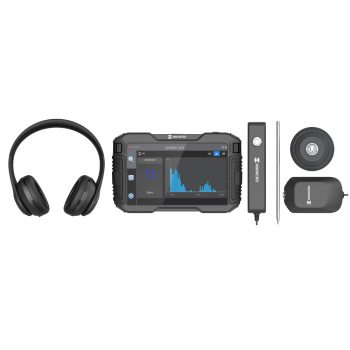
- Supports four ranges of selectable digital bandpass filters
- Frequency Range 150 Hz to 7500 Hz
- 1024 × 600 Resolution, 7"LCD Touch Screen
- Up to 11 hours continuous running
| Datasheet |
| Flyer |
| User Manual |
![ILD500 / ILD510 - Leak detector with camera - indicates leakage rate in [l/min or cfm] and costs in country currency [ e.g. $ / year]](https://www.ics-schneider.de/wp-content/uploads/2022/03/ild500-350x350.jpg?x89091)
- Find the smallest leaks even at great distances
- Find out your leakage size (l/min or cfm) and potential saving (currency/ year)
- Automatic laser distance measurement for a more reliable cost calculation
- Auto level: adapts the sensitivity automatically to the environment and eliminates the background noise reliably (0 dB to 120 dB bandwidth)
- Photograph leaking parts
- Describe each leak and the necessary actions via the built-in touchscreen
- Transmit the leak details via USB to your desktop software
- Create an ISO 50001 report
- Seek the leak the whole day (9 hours battery life)
- Additional sensor input for CS Instruments and 3rd party sensors (ILD 510 only)
 Datasheet Datasheet
|
|
User Manual
|
|
User Manual
|
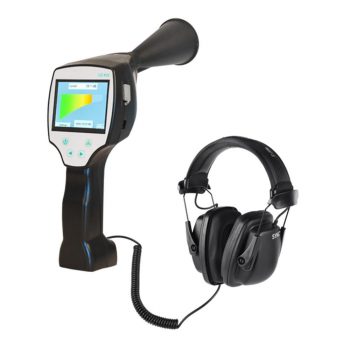
- Robustness and low weight ensure fa- tigue-free use in industrial environments
- Improved detection of leakages with the acoustic trumpet
- Modern Li-Ion battery with high capacity, external charger
- Minimum operating time 10 h
- Easy operation via membrane keypad
- Adjustable sensitivity
|
Datasheet
|
|
User Manual
|
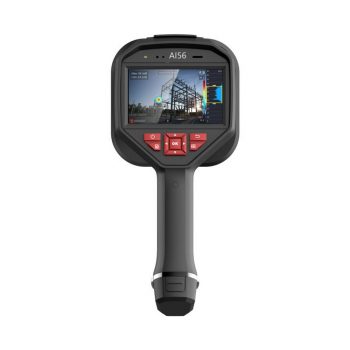
- 64 Low-noise MEMS Microphones, Real-time Sound Visualization
- Supports multiple palettes
- High quality optical module with 5 MP resolution
- High-calibre 800 × 480 resolution 4.3” LCD touch display
- Supports 1.0x to 8.0x continuous digital zoom
| Datasheet |
| User Manual |
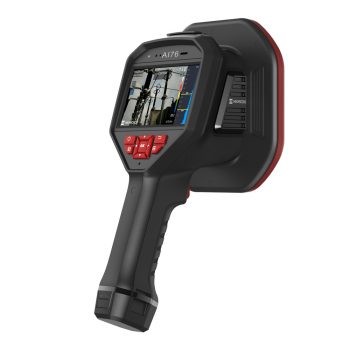
- 136 Low-noise MEMS Microphones, real-time sound source localization
- Real-time estimated leak rate, leak cost, and leak level for gas leak detection
- Partial discharge detection can identify corona, floating, surface, and particle discharges
- Analyzer acoustic software for analyzing images and export reports
- 800 × 480 Resolution, 4.3’LCD Touch Screen
- Supports 8 acoustic palettes
|
Datasheet
|
|
User Manual
|
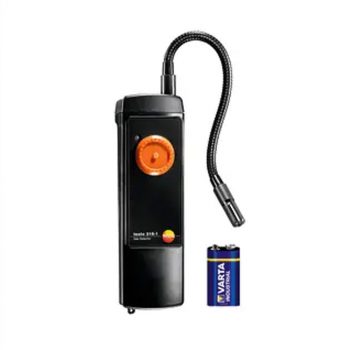
- Acoustic and visual alarm via multi-colour LED on the sensor head
- Display of ppm / vol% / %LEL on the instrument
- Sensor self-test and automatic zeroing
- Flexible probe for locations that are difficult to access
| Datasheet |
| User Manual |
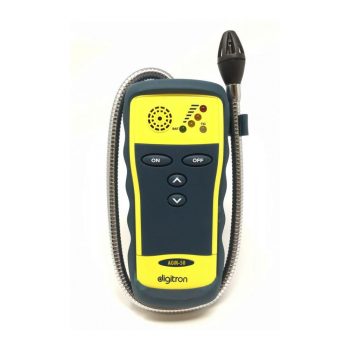
- Simple, adjustable tic rate increases as the sensor tip approaches a leak
- Audible and visual tic-rate, fully adjustable
- Long 400mm gooseneck for remote access
- LED-Light illuminates the tip sensing area
- High sensitivity provides accurate detection
- Rubber boot protects instrument
| Datenblatt |

Leak Detection / Leak-Testing & Leak Localization for Compressed Air, Gas & Systems
Leak detection refers to the methods and tools used to find and locate leaks in compressed air, gas, vacuum or fluid systems. The goal is to detect leaks early and seal them — preventing energy losses, hazards, quality problems and unnecessary costs. Especially in industrial systems, systematic leak detection can yield significant savings and safety improvements. :contentReference[oaicite:13]{index=13}
Questions & Answers on Leak Detection and Leak Searching
What is leak detection?
Leak detection describes procedures and measures to identify and locate leaks in pressure or pipeline systems — whether compressed air, gas, vacuum or fluids. Leaks are detected using appropriate measurement or testing methods, often without requiring destructive inspection or dismantling. :contentReference[oaicite:14]{index=14}
Why is leak detection especially important in compressed air and gas systems?
Leaks result in loss of medium (air, gas), pressure loss and increased energy consumption — leading to efficiency reduction and higher operational costs. Many compressed-air networks suffer significant losses; regular leak surveys can therefore realize savings potential and reduce operational expenses. :contentReference[oaicite:15]{index=15}
Which methods are commonly used for leak detection?
Common methods include:
- Acoustic / Ultrasonic detection — leaks create ultrasound which can be converted to audible signals for localization. :contentReference[oaicite:16]{index=16}
- Tracer-gas / test-gas methods — system is filled with a detectable gas, leaks are found by gas escaping and being sensed. :contentReference[oaicite:17]{index=17}
- Pressure drop or flow measurement — monitoring pressure or flow for changes to indicate leaks. :contentReference[oaicite:18]{index=18}
- In some cases visual or thermographic methods — suitable for fluid leaks or where temperature differentials indicate leak paths. :contentReference[oaicite:19]{index=19}
Which media can be inspected for leaks?
Not only compressed air, but also gases (e.g. nitrogen, argon, oxygen, CO₂), vacuum systems and — with adequate equipment — liquids or gas mixtures can be subjected to leak detection. :contentReference[oaicite:20]{index=20}
Which devices are used for leak detection?
Typical devices include acoustic or ultrasonic leak detectors, tracer-gas leak detection instruments (e.g. helium or hydrogen detectors), pressure and flow measurement setups for leak testing, specialized sensors for vacuum or gas lines, and analyzers capable of quantifying leak rates. :contentReference[oaicite:21]{index=21}
How is a leak quantified?
Depending on the method, the leak rate (volume flow, pressure drop or mass flow) can be determined. Acoustic detection often provides localization, while gas or vacuum tests with sensitive sensors can detect very small leaks quantitatively. This allows assessment of energy or medium losses and associated costs. :contentReference[oaicite:22]{index=22}
When should leak detection be performed?
Leak detection should be done regularly in compressed air, gas or vacuum systems — especially after maintenance, modifications, or when energy consumption rises. Also recommended upon audible anomalies, pressure drop or increased maintenance of system components. Leak detection serves as part of energy management or preventive maintenance to improve efficiency and safety. :contentReference[oaicite:23]{index=23}
What benefits result from consistent leak detection and sealing?
Benefits include:
- Reduced energy and medium losses — lower operating costs
- Improved operational safety and fewer unexpected failures
- Reduced wear and maintenance needs for components
- Lower environmental impact and more efficient resource use
- Improved documentation and traceability — beneficial for quality or energy-management systems
What are the limitations or challenges of leak detection?
Depending on the method, very small leaks may be difficult to detect; sensitive sensors or special test methods (e.g. tracer-gas) may be required. Acoustic detection can be unreliable in noisy or disturbed environments. Some methods require system shutdown, pressurization or gas filling, which may interrupt operation. In complex networks leak localization can be laborious. :contentReference[oaicite:25]{index=25}
For which applications is leak detection particularly useful?
Particularly useful for: - Compressed-air and gas supply systems in industrial production - Vacuum or pressure vessels and lines - Pneumatic control and automation installations - Energy and cost optimization in production plants - Safety-critical applications such as gas supply or hazardous media lines - Quality assurance, maintenance and preventive upkeep