



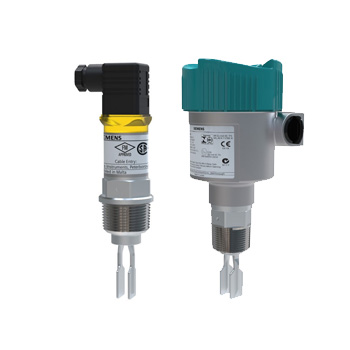
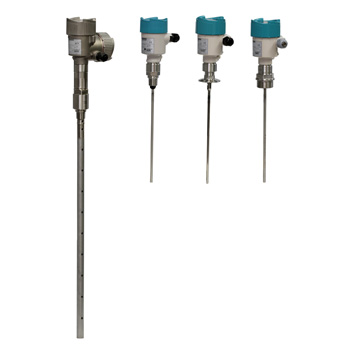
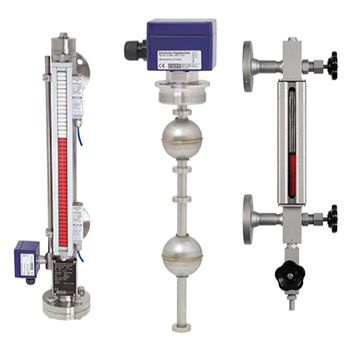
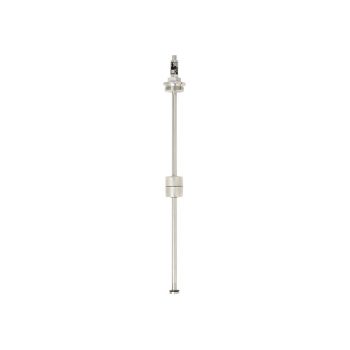




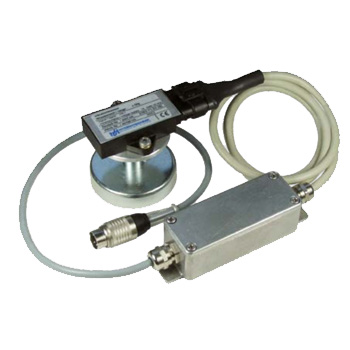


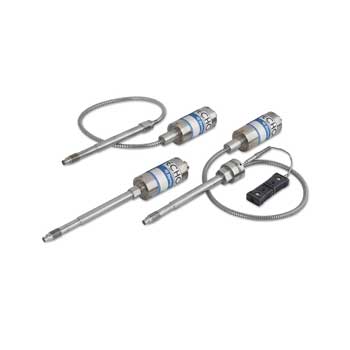
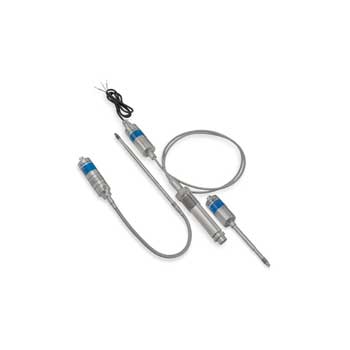
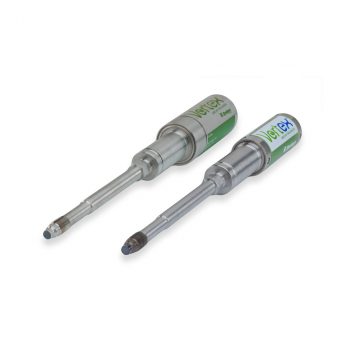
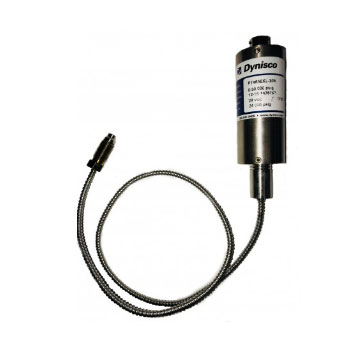
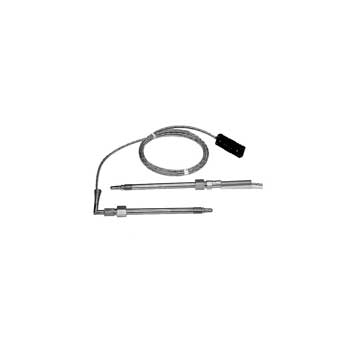
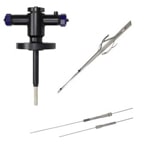
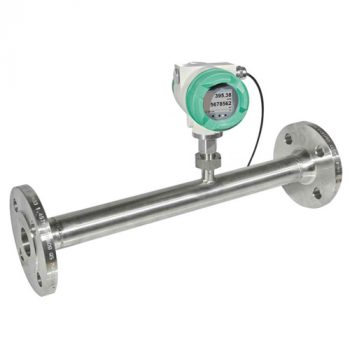


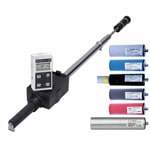
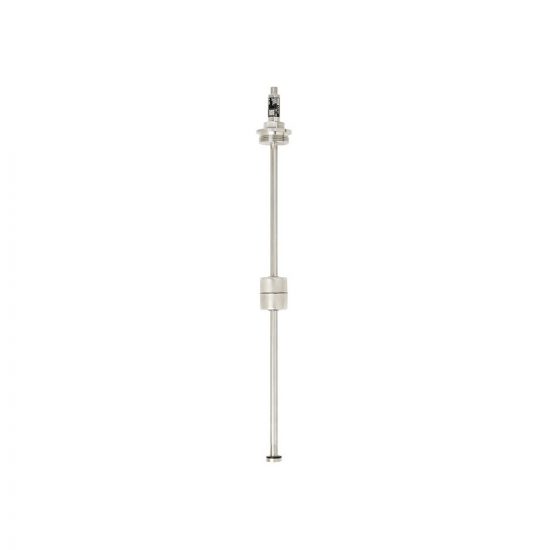






























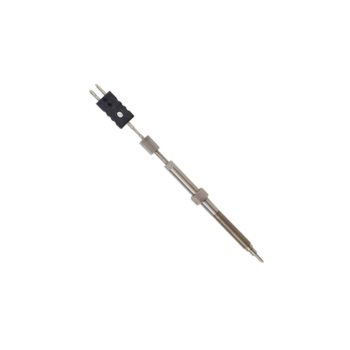
- TC Junction can be centered in hot melt stream
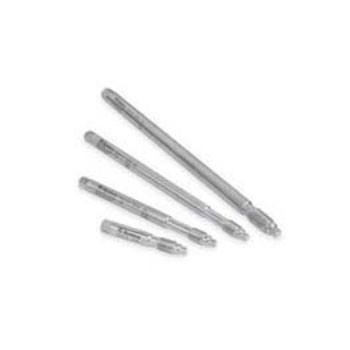
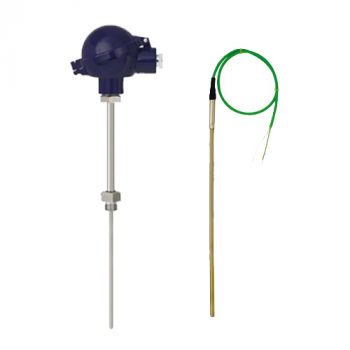
- Retractable from flush to 2.5”
- Up to 900°F melt temperatures
- All stainless steel construction
- Exposed junction
- 1/2-20 UNF mounting configuration
 Datasheet Datasheet |
| User Manual |
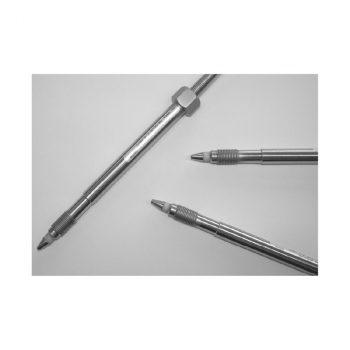

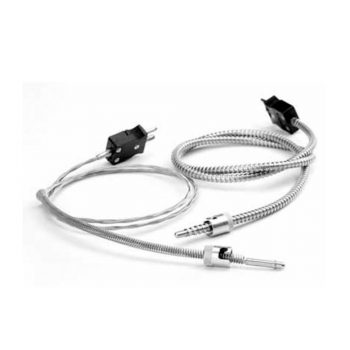
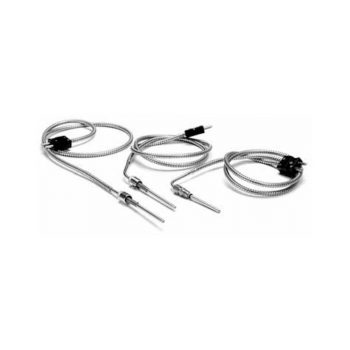


Dynisco Melt / Mass-Temperature Sensors
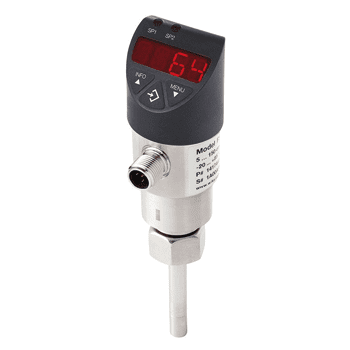
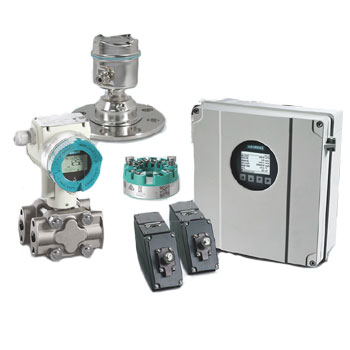
“Melt temperature” sensors by Dynisco are temperature probes designed to immerse directly into molten polymer or process medium to accurately measure the internal temperature of the mass. These sensors are built for industrial extrusion, injection molding or polymer processing — where precise control of melt temperature is critical. They deliver temperature data via thermocouple or RTD output and are ruggedized to withstand high pressures, elevated temperatures and abrasive media. Using such mass-temperature sensors enables reliable monitoring and control of melt-stream conditions for consistent product quality.
Questions & Answers on Dynisco Melt / Mass-Temperature Sensors
What is a melt-temperature sensor?
A sensor that is inserted into the molten material or fluid and measures the temperature of the mass directly — using a thermocouple or RTD element.
Where are they typically used?
In plastic extrusion lines, injection molding machines or polymer processing applications where the temperature of molten material must be measured and controlled.
What design variants exist?
Fixed-shaft sensors, immersion probes or blade-type sensors with various immersion depths and mounting threads depending on application requirements and installation conditions.
What output signals do they provide?
Commonly a thermocouple signal (e.g. type J, K, L) or an RTD resistance output — suitable for connection to evaluation electronics, controllers or data-acquisition systems.
Which temperature and process conditions are supported?
They are designed for high melt temperatures and industrial process pressures, and their materials and construction ensure durability under harsh conditions.
How are they installed?
Via standard process threads (e.g. ½-20 UNF or M18 x 1.5) screwed into a dedicated port so the sensor tip protrudes into the melt stream; electrical connection is made via suitable connectors or wiring.
Why is melt-temperature measurement important?
Because melt temperature strongly affects material properties, flow behavior and final product quality — measuring temperature directly in the mass allows precise process control, reduced scrap, stable production and consistent quality.
What requirements must the sensor meet?
It must be pressure- and temperature-resistant, resistant to media and abrasion, and provide a reliable, stable measurement — also sealing and correct immersion depth are crucial.
In which industries are these sensors used?
Primarily in the plastics and polymer industry (extrusion, injection molding, melt processing), but they may also be used in any process involving high-temperature melts or fluids under pressure.
What advantages do they offer over surface-type temperature measurements?
Because they measure temperature directly inside the material, not only the surface or wall, they reflect the actual process conditions — leading to more accurate data and better process control than external or surface sensors.