



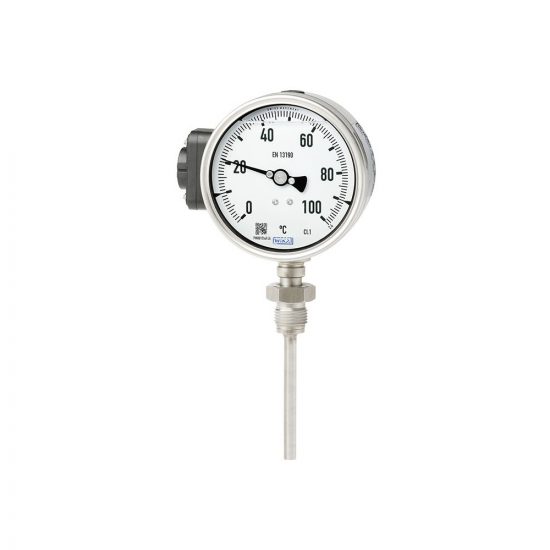

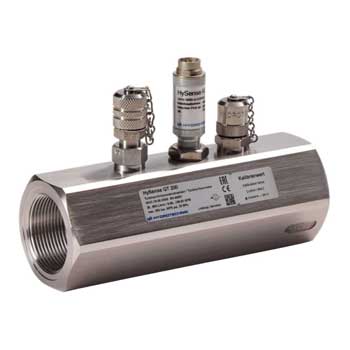
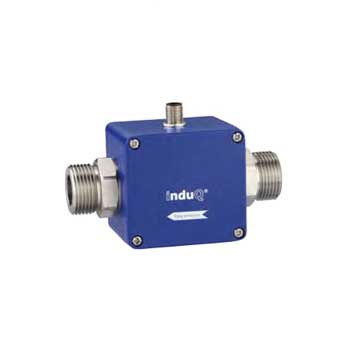
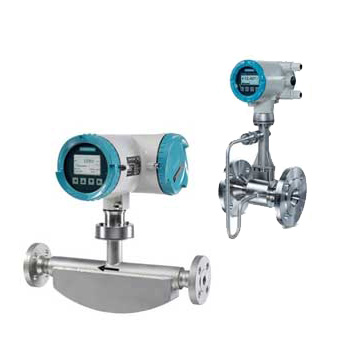
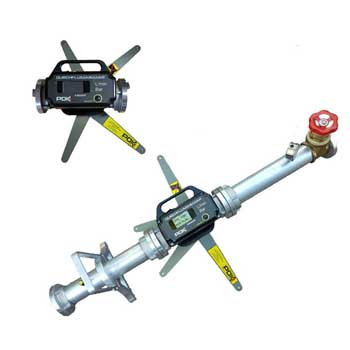
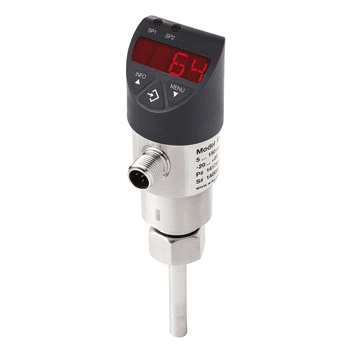
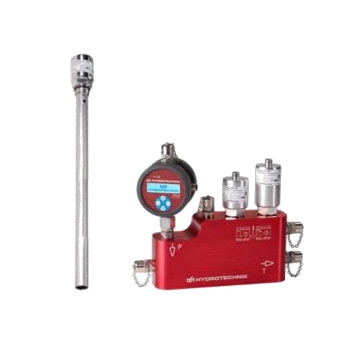
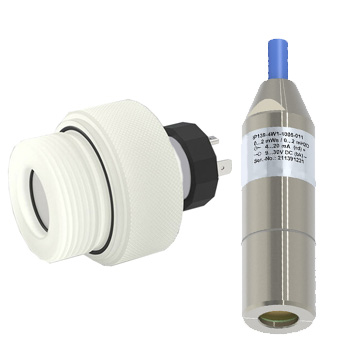
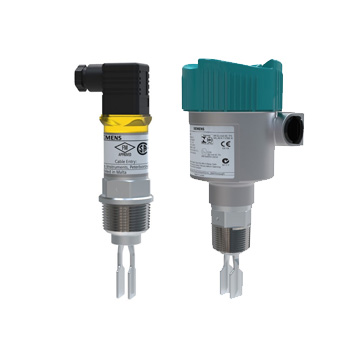
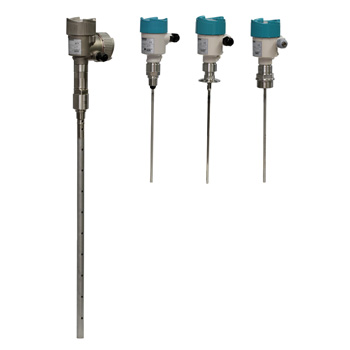
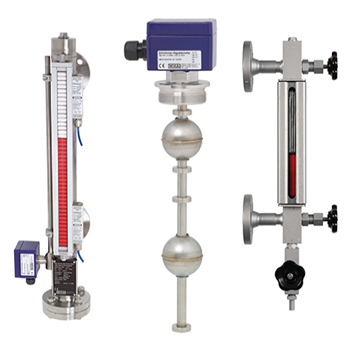



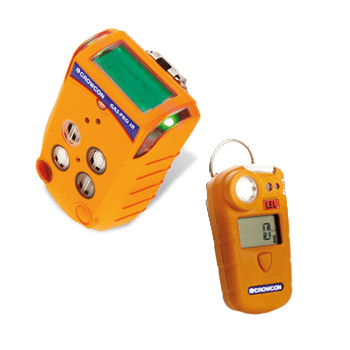
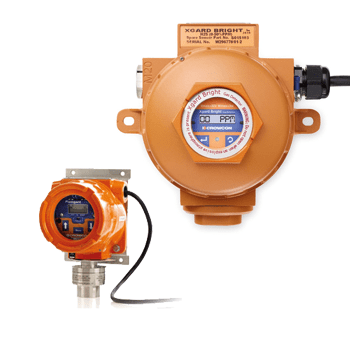
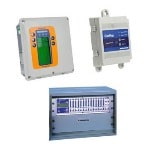
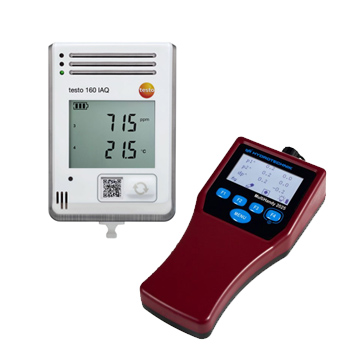
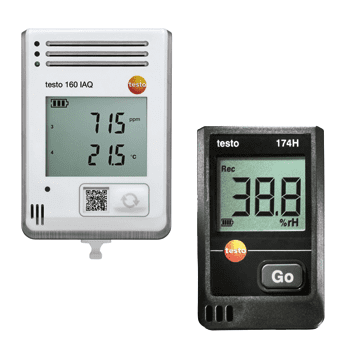
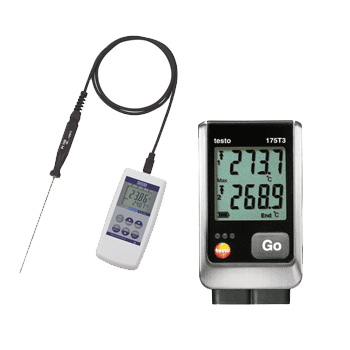
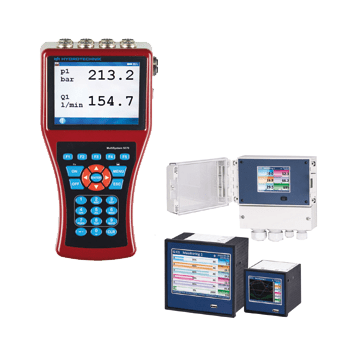
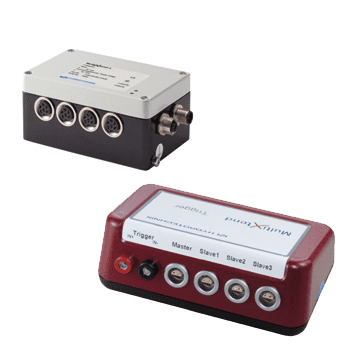
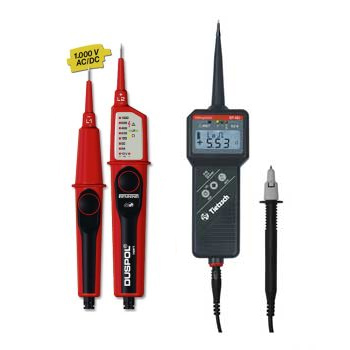
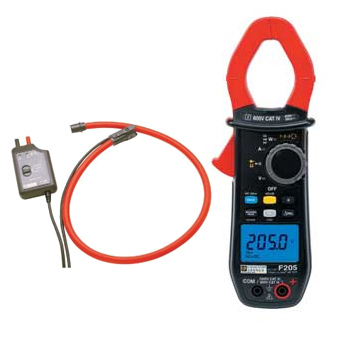


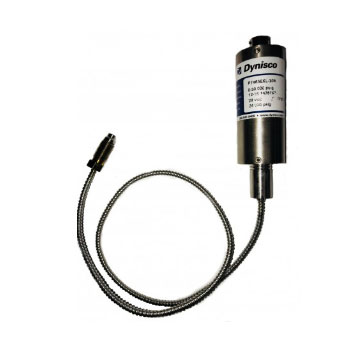
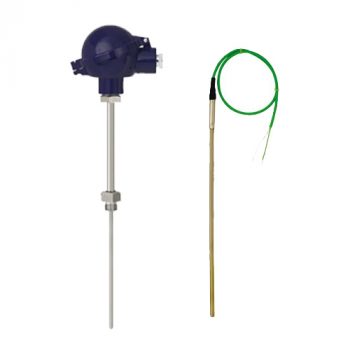
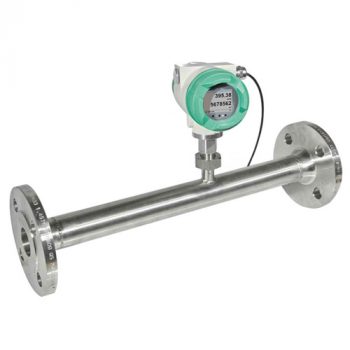
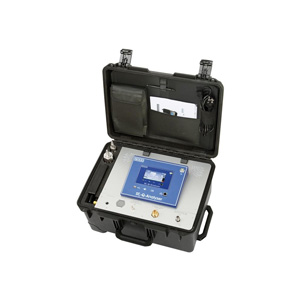
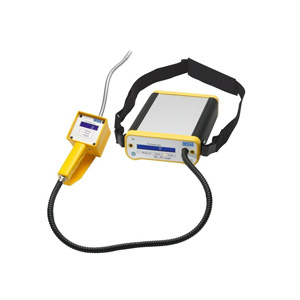
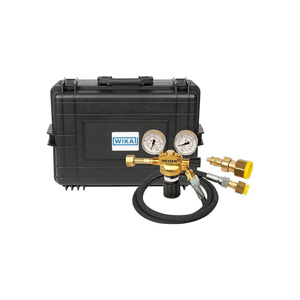
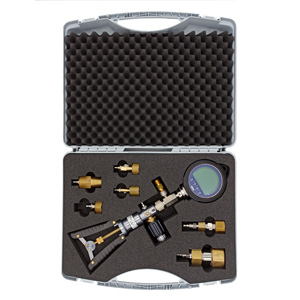

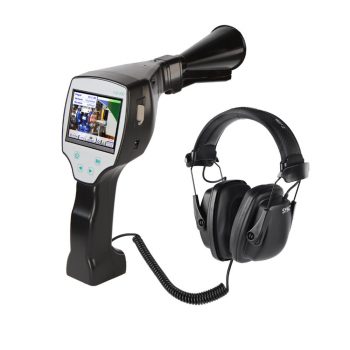
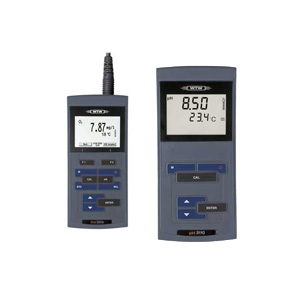





























- Compact design for easy integration
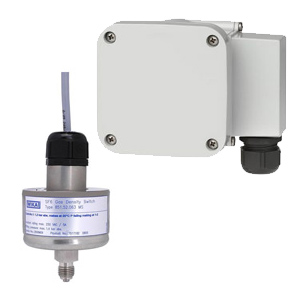
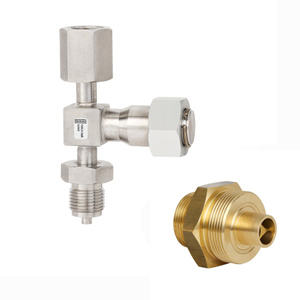
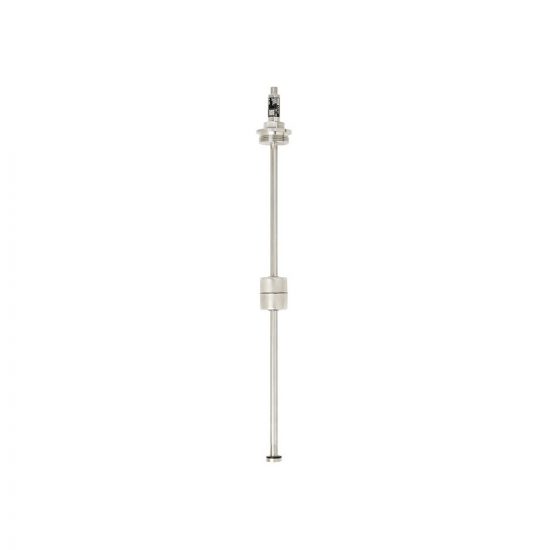
- Wetted parts made of 316L stainless steel
- Suitable for hazardous areas, ATEX/IECEx-certified (zone 0) and FM-certified Class I Div I
- Patented MesoScale® design allowing fast response time and high repeatability

 Datasheet Datasheet |
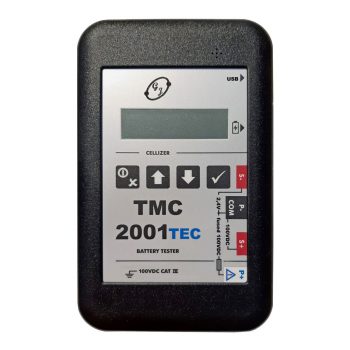
- Impedance measurement possible at different frequencies and signal shapes.
- DC voltage measurement:
- ±2.45 VDC (Res. 0,00001V)
- ±24.5 VDC (Res. 0,0001V)
- ±100 VDC (Res. 0,001V)
- Storage of 300000 readings
- Up to 1000 battery definitions can be transferred from a database to the device.
- RF-ID Battery identification with transponders.
- USB – Interface.
- 10 hours of continuous operation.
| Datasheet |
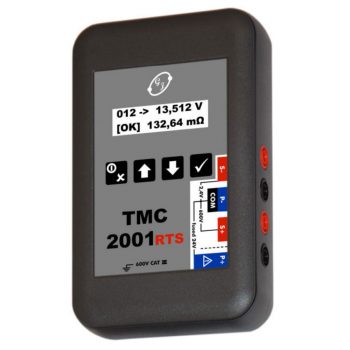
- block voltages: +24VDC (0,0001V res.)
- battery voltage (DC): up to 600VDC (0,001V res)
- univeral sensor interface: +2,4VDC (0,00001V res.)
| Datasheet |
| User Manual |
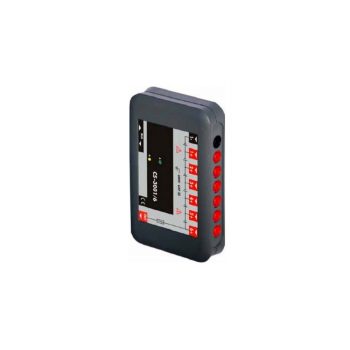
- Easy to operate
- Expandable up to 120 voltage inputs
- Block voltage +/- 16,6 VDC
- 600VDC CAT III (5000 VDC est voltage)
- Parallel testing of battery systems possible
|
Datasheet
|
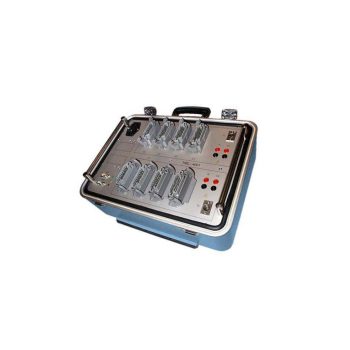
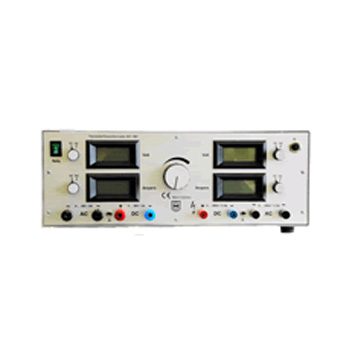
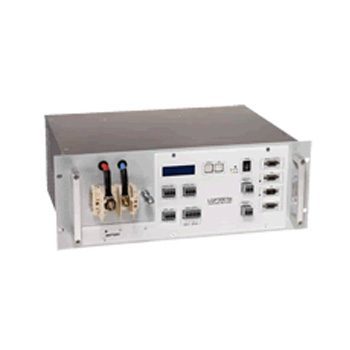
- the perfect mobile test system for recurring battery tests. In interaction with an electronic load, the condition of a battery system (SOH) can be precisely determined during a capacity test.
- Battery systems of up to 127 blocks can be tested. If desired, two batteries (with a reduced number of blocks) can be tested. The maximum block voltage is 15V.
- The test system uses relays with an increased dielectric strength of 3000VDC. In addition, 4 parallel working measuring circuits for block voltage measurement are integrated, which are galvanically separated from each other (5000VDC)
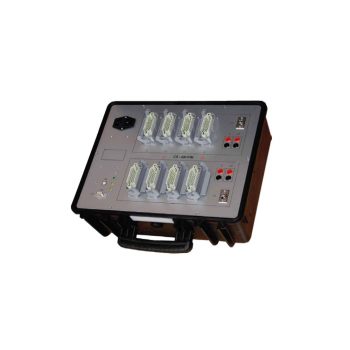
- test a single battery of up to 127 x 2V blocks
- two batteries in parallel
- max block voltage 15V.
|
Datasheet
|
|
User Manual
|
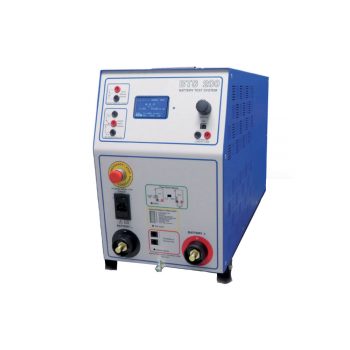
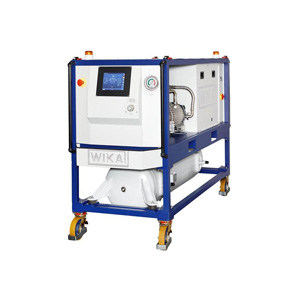
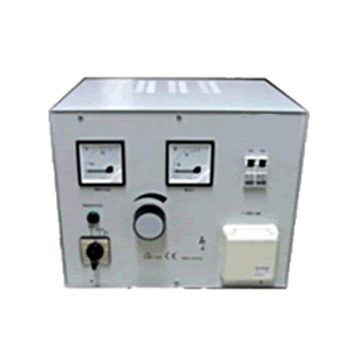
- High power battery capacity test system
- Discharging current up to 1300A with external loads (up to 9)
- Graphical display showing test parameters, curves and results
- Internal memory
- Light and easy to carry, with handles and wheels
- Shunt or clamp metering of an additional current
- Suitable for all battery types
 Datasheet Datasheet |
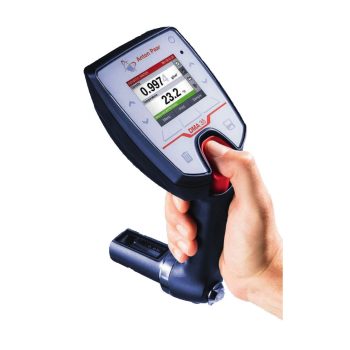
- Quality checks in the field, e. g. on wine and wine must (°Brix, °KMW, Oechsle, Baumé)
- Checks for wort and apparent extract in beer (°Plato)
- Fermentation graph for each tank directly on the screen
- One device replaces all glass hydrometers in the workplace
| Datasheet |
| User Manual |
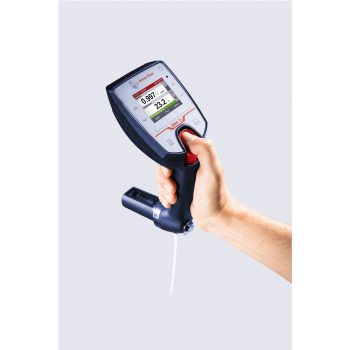
- Quality checks in the field, e. g. on wine and wine must (°Brix, °KMW, Oechsle, Baumé)
- Checks for wort and apparent extract in beer (°Plato)
- Fermentation graph for each tank directly on the screen
- One device replaces all glass hydrometers in the workplace
| Datasheet |
| User Manual |
- For measuring flammable chemicals in hazardous environments
- The only intrinsically safe portable density meter on the market (Ex marking [Ex] II 2 G Ex ib IIB T4)
- Leak-proof sealed housing to withstand rough conditions
- Protection class IP54
| Datasheet |
| User Manual |
- For measuring petroleum samples in hazardous environments
- The only intrinsically safe portable density meter on the market (Ex marking [Ex] II 2 G Ex ib IIB T4)
- Fully complies with the ASTM D7777 and IP 559 standards
- Protection class IP54
| Datasheet |
| User Manual |
- For measuring the specific gravity of sulfuric acid in lead-acid batteries in one second
- Ideal for use in lead-acid battery production and the maintenance of uninterruptible power supply systems (UPS)
- Protection class IP54
- High chemical resistance for use in harsh environments
| Datasheet |
| User Manual |
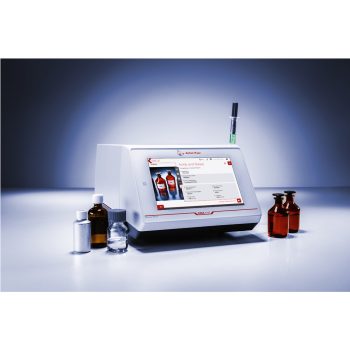
- 4-digit measurements in 20 seconds
- Ultra-fast measurement mode maximizes throughput
- Best-in-class filling control provides reliable results
- 200+ conversion tables for quicker results
| Datasheet |
| User Manual |
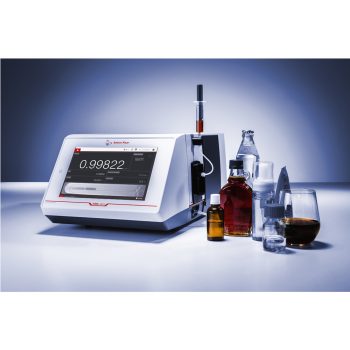
- 5-digit accuracy in 30 seconds
- The industry-proven device for QC for a wide range of samples
- Eight additional parameters and seven sample changers available
- Five industry-specific user profiles
- 30+ guided workflows support your measurements
| Datasheet |
| User Manual |
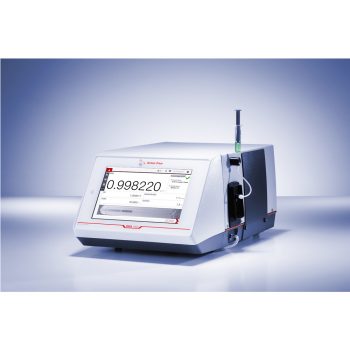
- Up to 6-digit accuracy without drifts
- Perfect for highly dense samples
- Auto-correction for highly viscous samples
- Ideal for high-end R&D applications, authorities, and standards organizations
| Datasheet |
| User Manual |
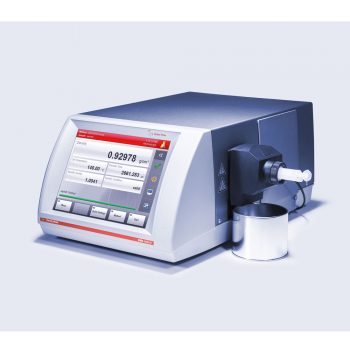
The new DMA 4200 M is a density meter for exceptional conditions. It measures the density at temperatures between -10 °C and 200 °C and elevated pressures up to 500 bar. The Pulsed Excitation Method used by DMA 4200 M delivers the most stable density results based on comprehensive knowledge of the oscillation characteristics. The new automatic bubble detection, FillingCheck™, makes the DMA 4200 M compliant with ASTM D4052 and ASTM D5002. Viscosity influence is eliminated by a fast new viscosity correction, ensuring density results with an accuracy of up to 0.0002 g/cm3. The new Temperfect™ feature of DMA 4200 M allows immediate density measurements at any temperature between 0 °C and 150 °C at ambient pressure. DMA 4200 M improves, accelerates, and simplifies density measurement of heavy petroleum samples.
| Datasheet |
| User Manual |
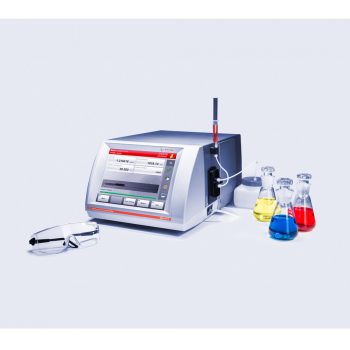
- Measures the whole concentration range of sulfuric acid and oleum
- Determines the concentration of two- and three-component solutions
- Also ideal for phosphoric acid, formaldehyde, methanol, inks, and paints
- Minimum sample volume increases safety for lab personnel
| Datasheet |
| User Manual |
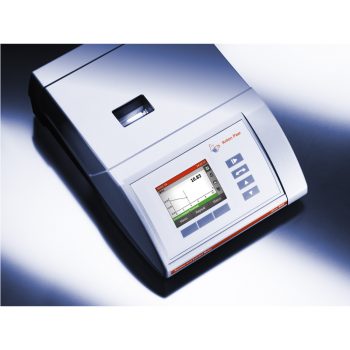
Determines the alcohol and extract content in beer, wine, cider, spirits, liqueurs, and sake.
| Brochure |
| User Manual |
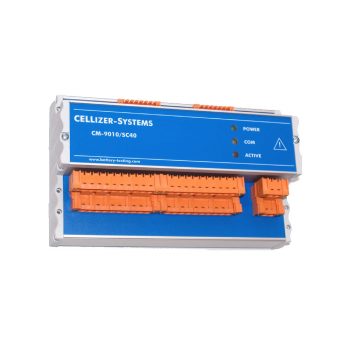
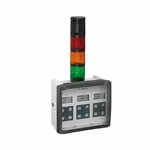
- Intelligent modular battery monitoring
- Flexible configurable for different applications
- Continuous online measurement
- Semiconductor switches (no relays)
- Best performance /price ratio
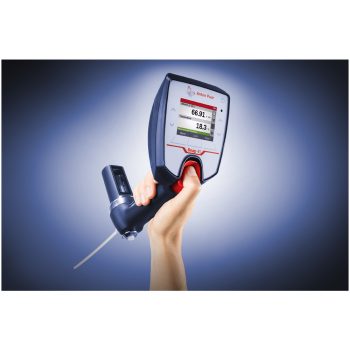
- No manual temperature correction required
- You will receive the finished result: Values are displayed in% v / v (corrected to 20 ° C and 15 ° C for the Japanese market) or ° Proof (corrected to 60 ° F)
- Accuracy of 0.2% v / v
- The influence of viscosity on the density result is corrected automatically
- Predefined calibration process with deionized water
- New adjustment routine ensures alcohol measurements with an accuracy of up to 0.2% v / v, even at low measuring temperatures and low alcohol concentrations
| Datasheet |
| User Manual |
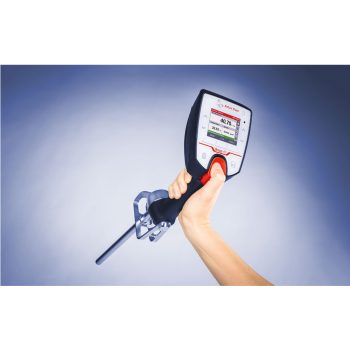
- Accuracy of 0.1 %v/v
- For on-site measurement at distilleries and craft distilleries
- Sample identification via RFID tag
- Store results and print or export them to a PC via Bluetooth® later on
| Datasheet |
| User Manual |
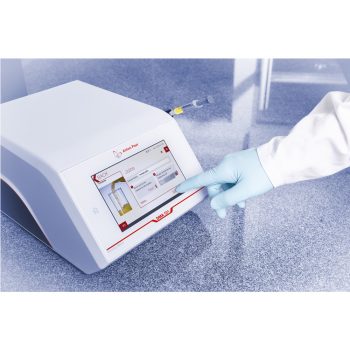
- 3-digit digital density measurement from the market leader
- Small is big: only 1 mL sample volume avoids wasting product
- Big is bigger: 7” glove-friendly touchscreen for great usability
- No manual calculations due to 60+ conversion tables
- Ready for pasty, inhomogeneous, particle-containing samples
| Datasheet |
| User Manual |
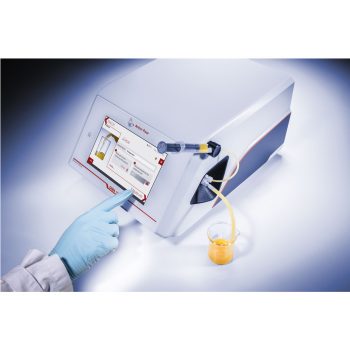
- The most advanced 4-digit density meter in this price segment
- 100 % consistent results due to repeatability of 0.00005 g/cm3
- Covers ASTM D4052, ASTM D5002, ISO 12185, USP <841>, Ph. Eur. 2.25, JP 17 2.56, ChP(Vol IV) 0601, and FDA CFR 21 Part 11
- Splash-proof, instrument self-diagnosis, no ventilation-related corrosion
| Datasheet |
| User Manual |

Battery Testers & Hydrometers
Battery testers (including hydrometers) are devices for assessing batteries and accumulators in terms of voltage, charge state, internal resistance, capacity or acid density. They are used for maintenance, inspection, repair, quality control or lifecycle assessment of lead-acid, NiCd/NiMH, lithium or other battery types. With these devices the condition of a battery can be reliably evaluated and wear or faults detected early.
FAQ
What is a battery tester?
A battery tester is a device that evaluates batteries by measuring parameters like voltage, internal resistance, capacity, acid density (for lead-acid batteries) or general charge state.
Which battery types can be tested?
Depending on the tester, lead-acid batteries, sealed lead batteries, NiCd/NiMH rechargeable batteries, lithium batteries or maintenance-free batteries can be tested. Acid density measurement applies typically to lead-acid batteries.
Which parameters are commonly measured?
Typical parameters include resting or under-load voltage, internal resistance, remaining capacity, acid density (for lead-acid), charge level, and sometimes temperature or load performance.
Why is internal resistance measurement important?
Internal resistance indicates battery age, wear or internal faults. A high internal resistance often points to reduced performance, capacity loss or impending failure.
What does an acid density measurement indicate?
For lead-acid batteries, measuring acid density reveals the concentration and health of the electrolyte. Correct density indicates a fully charged, functioning battery; deviations hint at discharge, sulfation or cell damage.
When should batteries be tested?
Batteries should be tested before first use, after prolonged storage, after many charging/discharging cycles, before maintenance, after long idle periods or regularly as part of inspection routines (e.g. in UPS or backup systems).
How is a battery test carried out correctly?
Depending on test type: measure voltage at rest or under load; for internal resistance, apply defined load or use dedicated resistance test; for acid density only on de-energised battery; monitor temperature and state of charge.
What can distort battery test results?
Poor contacts, bad connections, temperature effects, deep discharge, incorrect test leads, acid stratification (in lead-acid), corrosion, or user errors can distort results.
How to interpret test results / when is a battery considered worn out?
If the voltage significantly drops under load, capacity is reduced, internal resistance is high or acid density is out of range (lead-acid), the battery is likely degraded or defective.
What safety measures are required when testing batteries?
Wear protective gloves and eyewear (especially for acid batteries), ensure good ventilation, avoid short circuits or sparks, disconnect battery if possible, and handle acid carefully. Use proper test leads and rated equipment.
How often should battery tests be done?
Depends on battery type and use: for regularly used or critical batteries (e.g. UPS, backup systems) at least annually, for others according to age, load cycles or storage conditions.
What are typical signs of battery failure?
Rapid discharge, persistent voltage drop, increased internal resistance, uneven cell voltages, overheating, poor capacity retention, acid leakage or corrosion (for lead-acid), irregular behaviour under load.
Can a battery be reused after testing?
If all test parameters are within acceptable limits and no mechanical or chemical damage is evident — yes. Otherwise repair (if possible) or replacement is recommended.
Which types of battery testers are available?
Basic voltage testers, digital battery testers with internal resistance measurement, hydrometers for acid batteries, load testers, capacity testers and combined multi-function battery analyzers.
How does temperature affect battery test results?
Low or high temperature affects voltage, internal resistance and electrolyte behaviour. Test results should be interpreted in consideration of ambient and battery temperature or standardized to reference temperature.
Is documentation of test results important?
Yes — especially for maintenance logs, warranty, facility management or safety-relevant installations. Document date, battery ID, test results and any measures taken for traceability.
What should be considered for batteries with long service life?
Track charge/discharge cycles, storage conditions, regular testing, avoid deep discharges, possibly equalize cells (for lead-acid) or replace weak cells to maintain overall performance and avoid unexpected failure.